5155 N 16th St UNIT A, Phoenix, AZ 85016


The duration of Invisalign treatment for an underbite varies depending on the severity of the case. Mild underbites may be corrected in as little as 6 months, while more complex cases can take 18 to 24 months. A dentist’s assessment is crucial to determine the specific timeframe for an individual’s treatment.
Invisalign has revolutionized orthodontic treatment, offering a discreet and comfortable alternative to traditional metal braces. Many people with underbites are curious if Invisalign can address their misalignment and, if so, how long the treatment might take.

What is an Underbite?
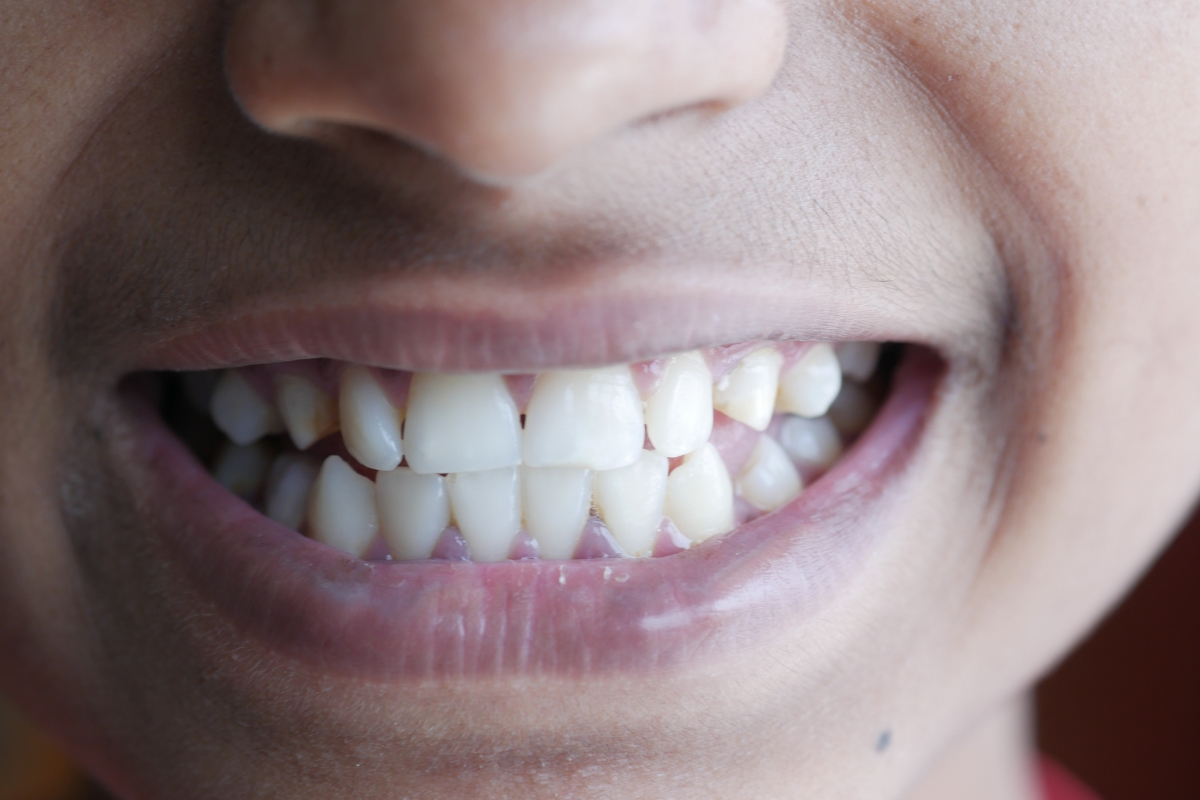
An underbite occurs when the lower jaw protrudes forward compared to the upper jaw. This misalignment can cause various problems, including difficulty chewing, speech impediments, and jaw pain. While some mild underbites may not require treatment, more severe cases can benefit from orthodontic intervention.
Can Invisalign Fix an Underbite?
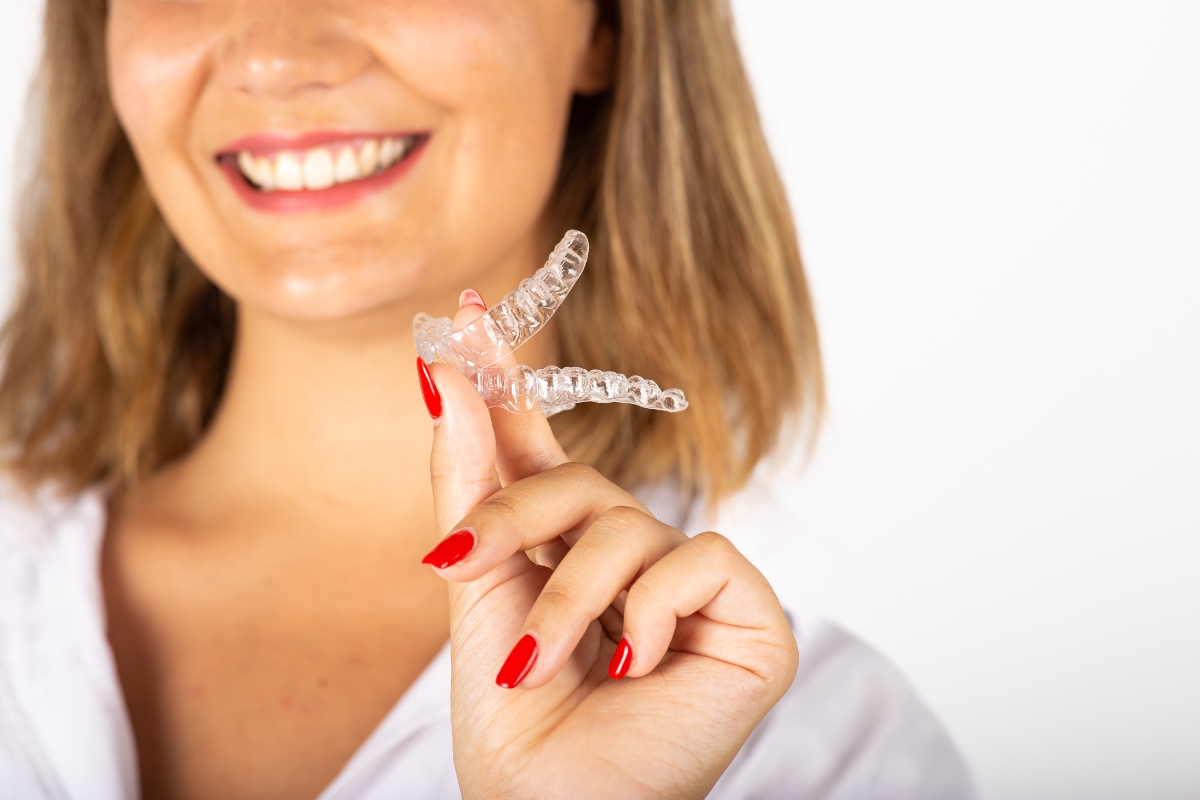
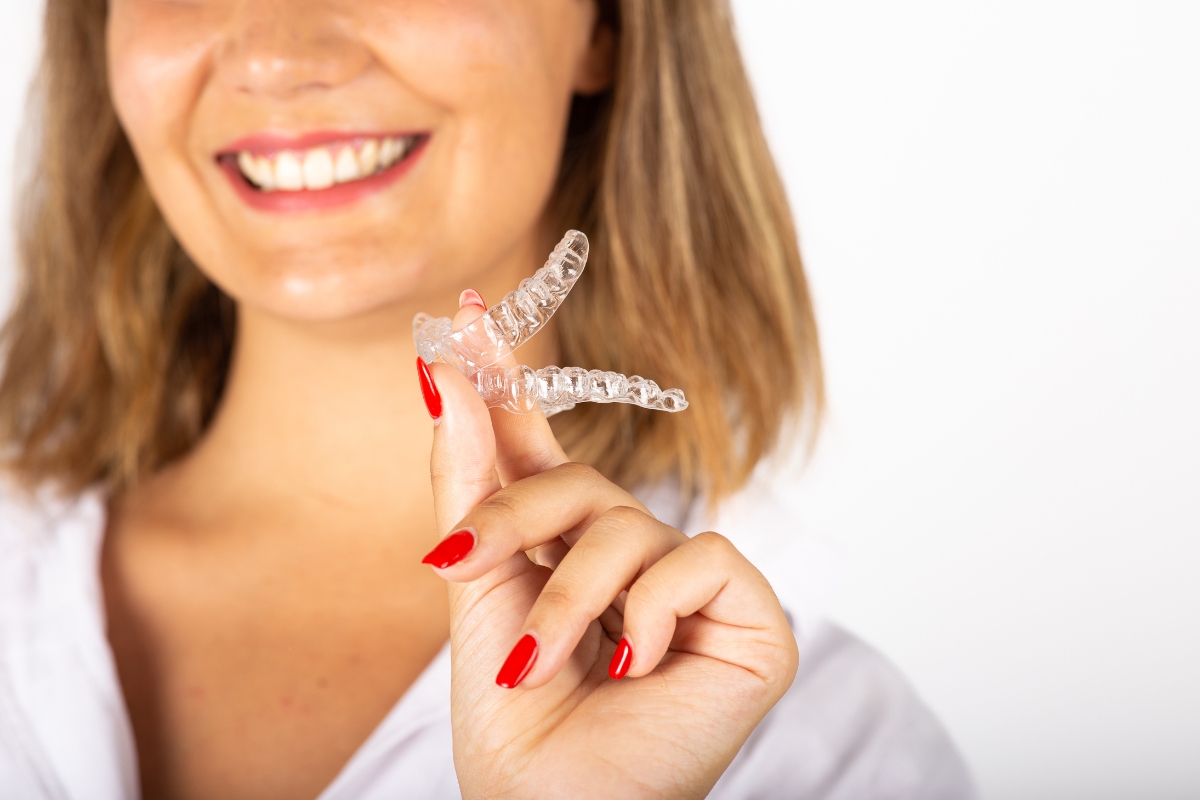
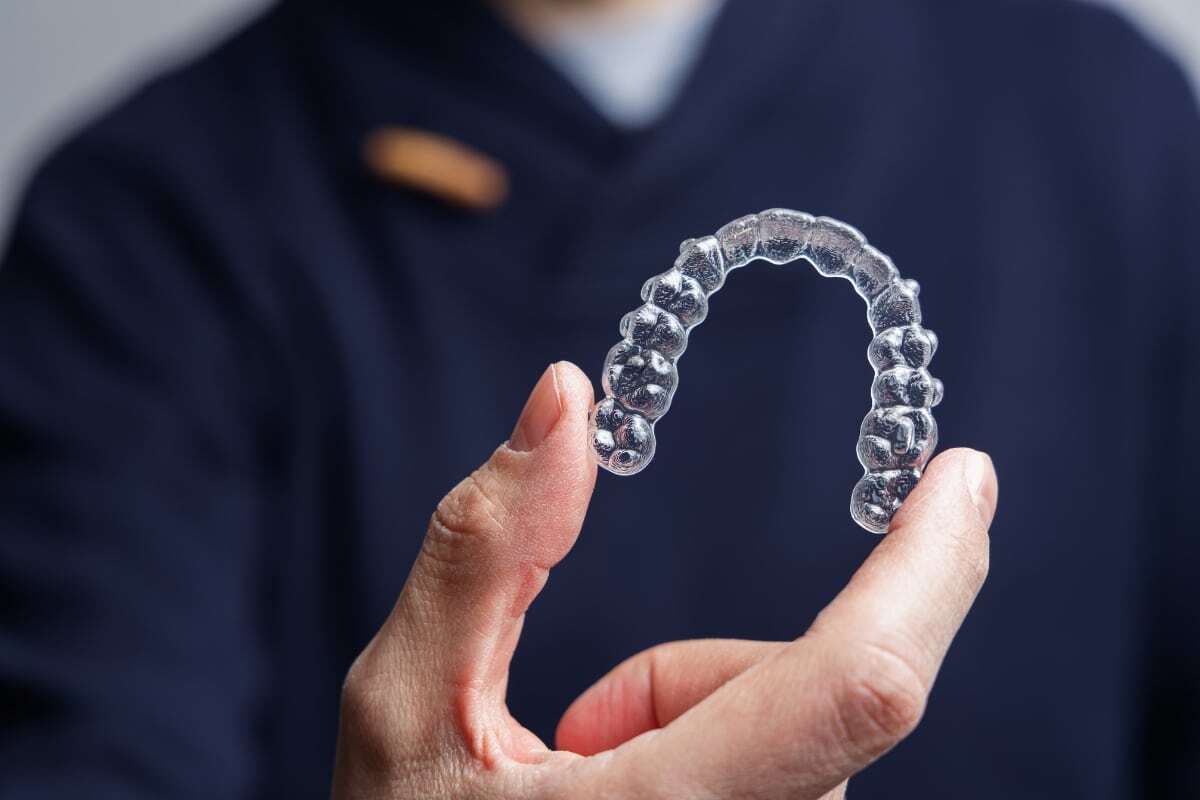
The good news is that Invisalign is often an effective underbite treatment, particularly for mild to moderate cases. Invisalign uses a series of clear, custom-made aligners to shift teeth into the correct position gradually. Unlike traditional braces that rely on brackets and wires, Invisalign offers a more aesthetically pleasing option.
Treatment Timeline for Underbite Correction with Invisalign
The time it takes for Invisalign to fix an underbite varies depending on several factors. Here’s a breakdown of what influences the treatment duration:
- Severity of the Underbite: Minor underbites can be corrected with Invisalign in as little as 3-4 months. Moderately severe cases may take 12-18 months, while complex underbites involving jaw discrepancies might require a longer duration.
- Compliance with Treatment: Invisalign treatment relies heavily on consistent aligner wear. Wearing the aligners for the recommended 20-22 hours daily is crucial for effective tooth movement. Any deviation from this can extend the treatment time.
- Bone Health and Age: Younger patients with healthy jawbones typically experience faster tooth movement than adults with denser bone structures.
- Underlying Issues: In some cases, additional factors like gum disease or missing teeth might influence the treatment timeline. An orthodontist can assess these factors during a consultation.
Consulting an Invisalign Dentist
If you’re considering Invisalign to correct your underbite, the first step is to schedule a consultation with a qualified dentist. During the consultation, the dentist will thoroughly examine your teeth and jaw, assess the severity of your underbite, and discuss your goals for treatment. They will also create a customized treatment plan that outlines the estimated treatment duration and answer any questions.
Correct your underbite with Invisalign in Phoenix. Book a consultation today with our expert dental team to get a personalized timeline and treatment plan for your smile transformation.
Benefits of Using Invisalign for Underbite Correction
Invisalign offers several advantages over traditional braces for underbite correction:
- Discreet Treatment: The clear aligners are virtually invisible, making Invisalign a more aesthetically pleasing option than metal braces.
- Comfort: Unlike braces that can cause irritation and discomfort, Invisalign aligners are smooth and comfortable.
- Removable Aligners: Invisalign allows easy removal during meals and brushing, making oral hygiene maintenance a breeze.
- Dietary Freedom: You can enjoy all your favorite foods without restrictions, as the aligners are removed for eating.
- Fewer Appointments: Invisalign typically requires fewer adjustments than traditional braces, leading to less frequent dental visits.
Considering Traditional Braces for Underbite Correction
While Invisalign is an excellent option for many underbite cases, traditional braces might suit specific situations. Here are some instances where traditional braces might be preferred:
- Severe Underbites: Traditional braces might offer more precise control over tooth movement in very complex underbite cases.
- Jaw Surgery: If your underbite requires jaw surgery to correct, traditional braces might be used in conjunction with the surgery.
- Cost Considerations: In some cases, traditional braces might be more cost-effective than Invisalign.
Invisalign can be an effective and comfortable treatment for correcting underbites, offering a discreet and convenient alternative to traditional braces. The treatment timeline varies depending on individual factors but can range from a few months to two years.
Why Choose Biltmore Cosmetic & Restorative Dentistry in Phoenix?
At Biltmore Cosmetic & Restorative Dentistry, our Phoenix Invisalign specialists have years of experience correcting underbites. We provide customized treatment plans, progress monitoring, and expert guidance to help you achieve a functional and confident smile efficiently.
Schedule your Invisalign consultation in Phoenix today to see how long it will take to fix your underbite and get a personalized treatment plan.
Frequently Asked Question (FAQs)
Can Invisalign fix all types of underbites?
Mild to moderate underbites can typically be corrected with Invisalign. Severe underbites may require adjunct treatments or braces for optimal results.
How long does Invisalign take for underbite correction?
Mild: 6–12 months
Moderate: 12–18 months
Severe: 18–24+ months, depending on complexity
Is Invisalign faster than braces for underbites?
For mild to moderate underbites, Invisalign can be faster or comparable. Severe cases may require braces or combined treatment.
Do age and jaw growth affect treatment duration?
Yes, younger patients usually experience faster tooth movement. Adults may require longer treatment due to fully developed jaws.
What happens if I don’t wear my aligners as recommended?
Inconsistent wear can delay treatment and extend your underbite correction timeline.
Are elastics or attachments necessary?
Attachments or elastics may be used to guide the bite for more efficient results, especially in moderate to severe cases.
How do I maintain results after Invisalign?
Wearing retainers as prescribed and attending follow-up appointments ensures your bite stays aligned.