5155 N 16th St UNIT A, Phoenix, AZ 85016


Dental implants have revolutionized the field of dentistry, offering a permanent solution for individuals with missing teeth. Whether due to accidents, trauma, or underlying dental issues, dental implants in Phoenix have become increasingly popular for their durability and natural appearance. However, like any dental procedure, complications can arise, leading to concerns about emergencies such as a broken dental implant.
Understanding Dental Implants
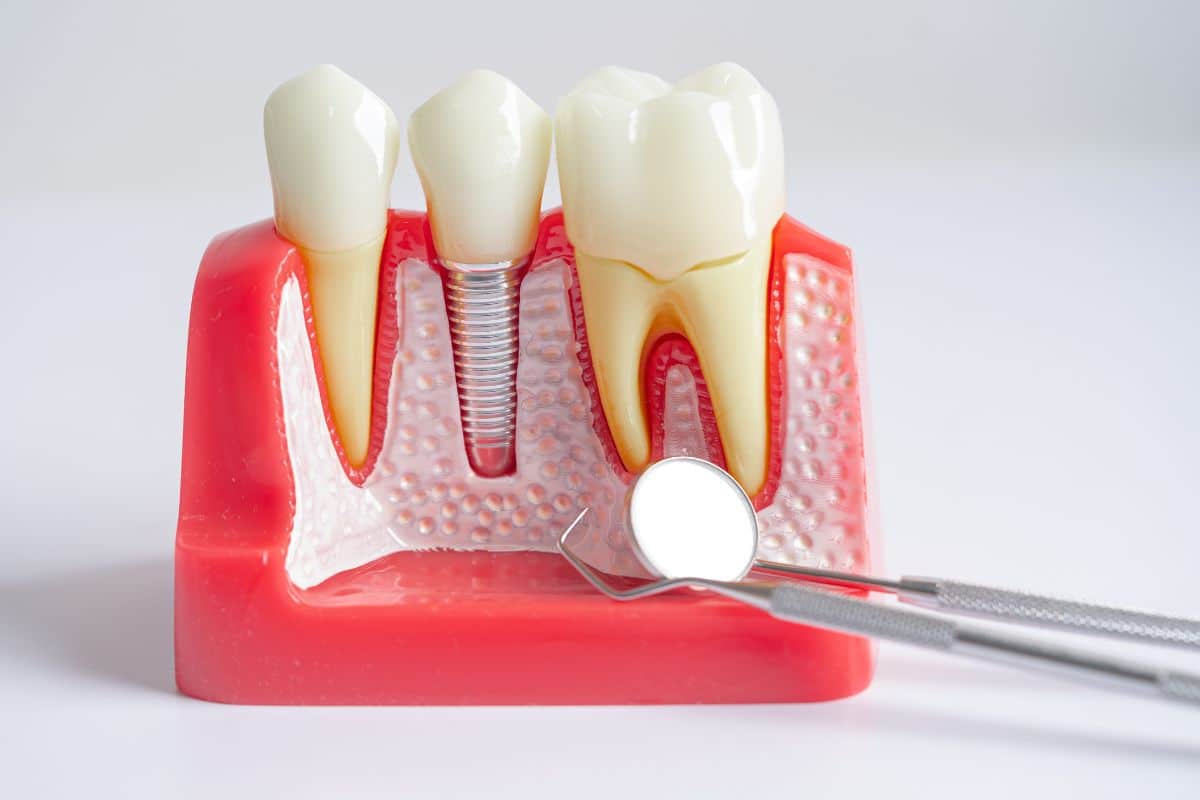
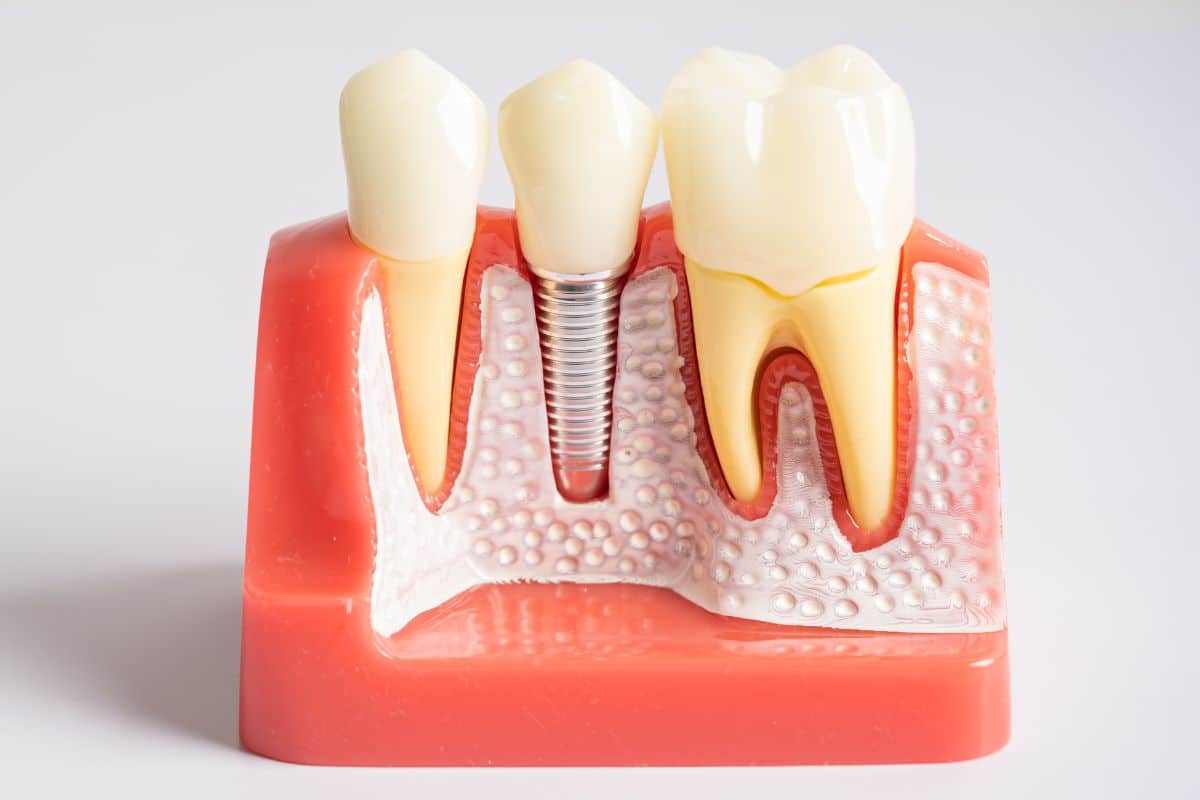
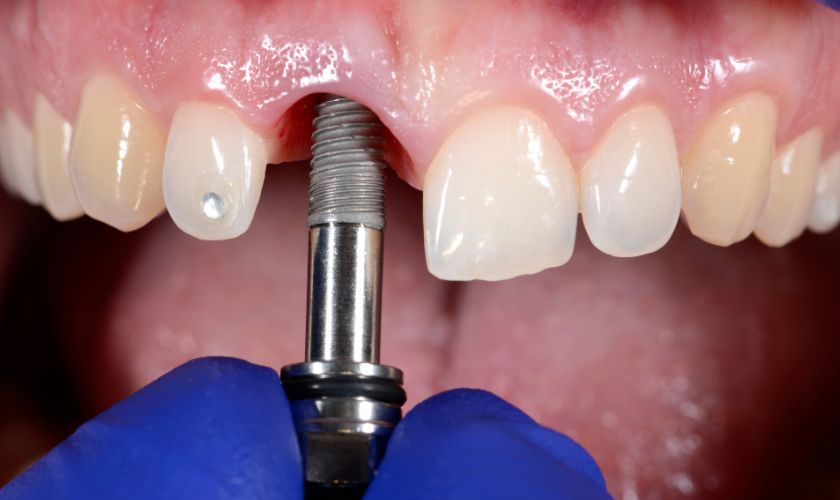
Before delving into whether a broken dental implant constitutes a dental emergency, it’s crucial to grasp the basics of what dental implants entail. A dental implant is a titanium post surgically inserted into the jawbone to serve as an artificial tooth root. Over time, the implant integrates with the bone, providing a stable foundation for a crown, bridge, or denture to be placed on top.
Common Causes of Dental Implant Issues
Despite their high success rate, dental implants can encounter problems that may warrant urgent attention. Some of the common issues include:
- Physical Trauma: Accidents or injuries can cause a dental implant to break or become dislodged.
- Infection: Untreated gum disease or poor oral hygiene can lead to peri-implantitis, a condition where the tissues around the implant become inflamed and infected.
- Mechanical Issues: Occasionally, the implant itself or the restoration placed on top may develop structural problems over time.
Signs of a Broken Dental Implant
Recognizing the signs of a broken dental implant is crucial in determining whether immediate dental care is necessary. Symptoms to watch out for include:
- Pain or Discomfort: Persistent pain around the implant site.
- Looseness: Feeling movement or instability of the implant.
- Swelling or Inflammation: Signs of infection such as swelling, redness, or discharge.
- Difficulty Chewing: Problems with biting or chewing food.
- Visible Damage: Noticeable damage to the crown, bridge, or denture attached to the implant.
If you experience any of these symptoms, it’s advisable to seek prompt evaluation from a dental professional specializing in dental implants in Phoenix.
Is It a Dental Emergency?
Whether a broken dental implant constitutes a dental emergency depends on the severity of the issue. Here are some guidelines to help you determine the urgency:
Urgent Situations
- Severe Pain: Intense or throbbing pain around the implant site.
- Visible Damage: If the implant or the restoration is visibly broken or damaged.
- Infection Signs: Any signs of infection like swelling, fever, or pus discharge.
In such cases, immediate attention from a dentist who specializes in dental implants in Phoenix is crucial to prevent further complications.
Non-Urgent Situations
- Minor Discomfort: Mild discomfort or sensitivity that doesn’t interfere significantly with daily activities.
- Minor Damage: Minor chips or cracks in the restoration that do not affect functionality.
- No Signs of Infection: Absence of swelling, fever, or other signs of infection.
While these situations may not require emergency care, it’s still essential to schedule a dental appointment for evaluation and potential repair.
What to Do If Your Dental Implant Breaks
If you suspect your dental implant is broken or damaged, take the following steps:
- Contact Your Dentist: Call your dentist specializing in dental implants in Phoenix immediately to explain your symptoms and schedule an appointment.
- Manage Pain: Over-the-counter pain relievers and cold compresses can help alleviate discomfort until you see your dentist Phoenix.
- Avoid Chewing: Minimize chewing on the affected side to prevent further damage or dislodgement of the implant.
Preventing Dental Implant Issues
While some dental implant complications are unavoidable, there are steps you can take to minimize risks:
- Regular Dental Visits: Attend routine check-ups and cleanings to monitor the health of your implants.
- Good Oral Hygiene: Brush and floss daily to prevent gum disease and maintain oral health.
- Avoid Trauma: Be cautious to avoid accidents or injuries that could impact your dental implants.
In conclusion, while a broken dental implant can be distressing, it’s not always considered a dental emergency. Prompt evaluation by a dentist specializing in dental implants Phoenix is crucial to assess the extent of the damage and determine the appropriate course of action. By understanding the signs of implant issues and taking preventive measures, you can maintain the longevity and function of your dental implants effectively. If you suspect any issues with your dental implant, don’t hesitate to contact your dentist for professional advice and treatment.
Remember, your dental health is a priority, and addressing concerns promptly can prevent complications and ensure your smile remains healthy and vibrant for years to come.