5155 N 16th St UNIT A, Phoenix, AZ 85016


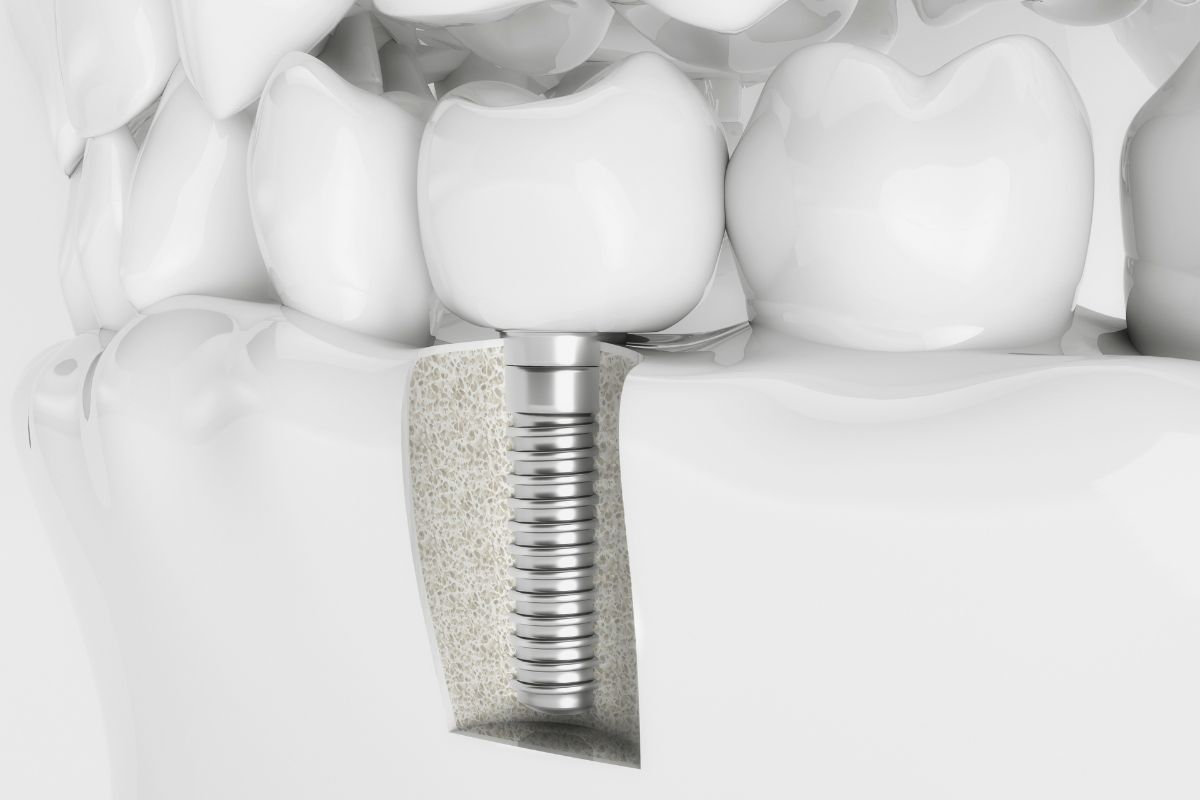
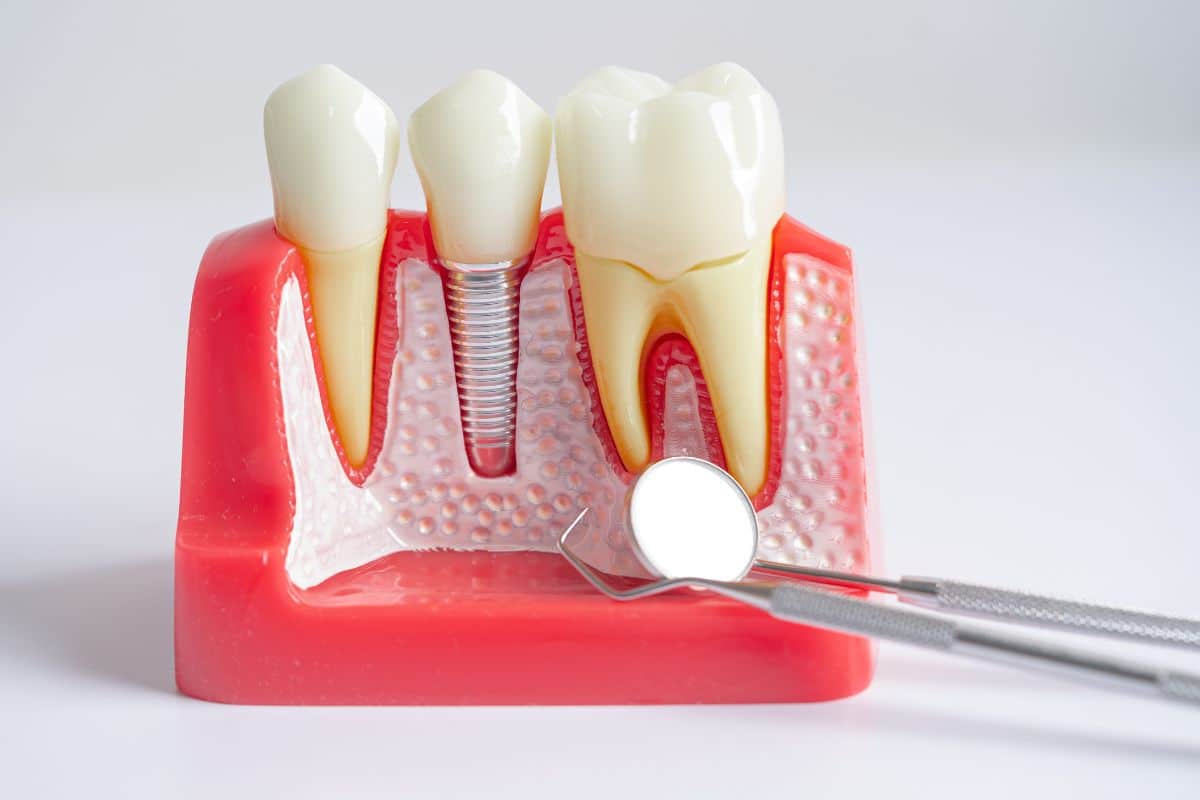
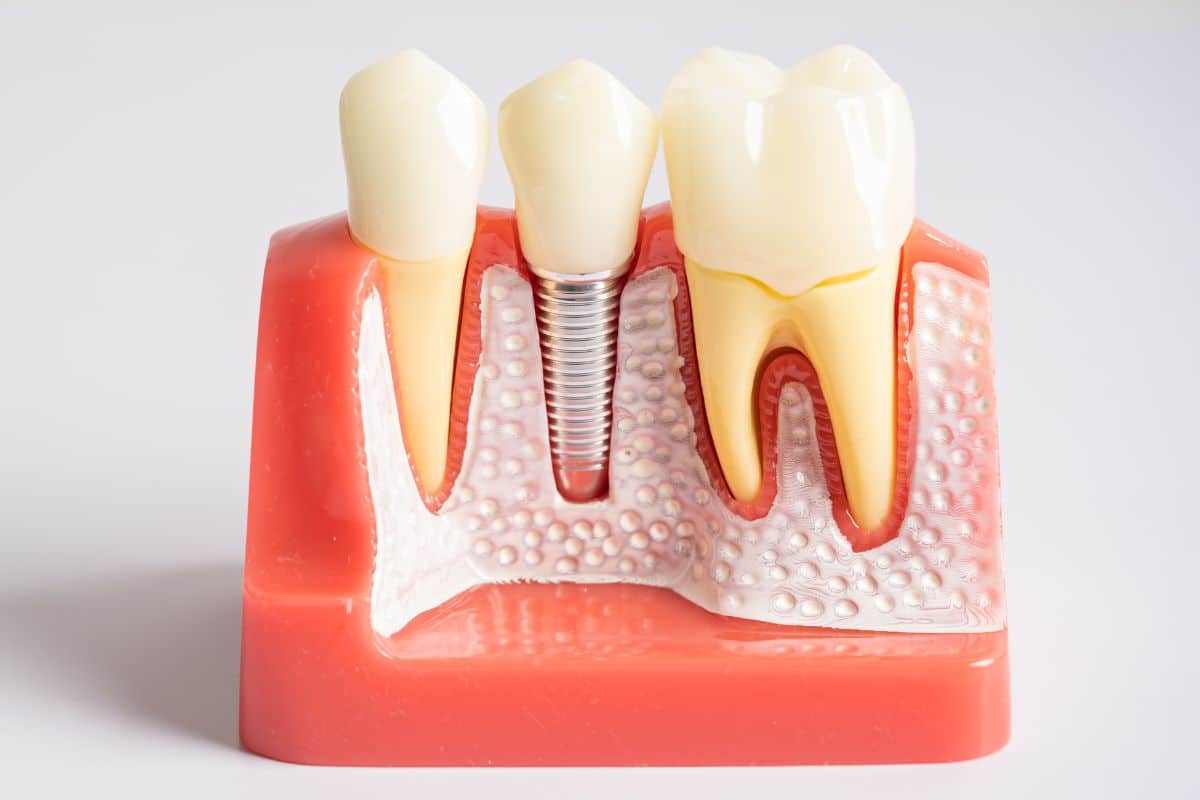
Dental implants are a popular and effective solution for replacing missing teeth. They offer a natural look and function, helping patients regain their smiles and confidence. However, maintaining oral hygiene around dental implants is crucial for their longevity and success. One common question that arises is whether using Listerine, or other mouthwashes, is advisable after receiving dental implants.
In this blog, we’ll explore the role of mouthwash in the care of dental implants, examine the benefits and potential risks of using Listerine, and provide guidance on maintaining optimal oral hygiene during the implant healing process.
The Role of Mouthwash in Dental Implant Care
Mouthwash can be an effective tool for maintaining oral health, especially when combined with regular brushing and flossing. For those who have recently undergone dental implant surgery, understanding how mouthwash fits into their post-operative care routine is essential.
Benefits of Mouthwash for Dental Implants
- Antimicrobial Properties: Listerine, like many mouthwashes, contains antimicrobial agents that help reduce the number of bacteria in the mouth. This can be beneficial for preventing infections around the dental implants.
- Freshens Breath: Mouthwash can provide a quick and convenient way to freshen breath, which is particularly useful if you’re dealing with the changes in your oral hygiene routine post-surgery.
- Reduces Plaque: Some mouthwashes help in reducing plaque buildup, which is crucial for maintaining the health of your implants. Plaque can contribute to gum inflammation and other issues if not properly managed.
- Soothes Irritation: After dental implant surgery, your mouth might feel sore or irritated. Rinsing with a soothing mouthwash can provide temporary relief and help in the healing process.
Risks and Considerations
- Alcohol Content: Many Listerine products contain alcohol, which can be harsh on the healing tissues around your dental implants. Alcohol can cause dryness and irritation, potentially delaying the healing process.
- Sensitivity: After implant surgery, your gums and surrounding tissues might be sensitive. The strong flavor and ingredients in some mouthwashes might cause discomfort or exacerbate sensitivity.
- Irritation: Certain ingredients in mouthwashes can cause irritation or allergic reactions in some individuals. It’s essential to choose a product that is gentle and suited for sensitive post-surgical tissues.
- Consultation with Your Dentist: Always consult your dentist before incorporating a new mouthwash into your oral care routine. They can recommend the best products based on your specific needs and the condition of your dental implants.
How to Use Mouthwash Safely After Dental Implant Surgery
If your dentist approves the use of mouthwash like Listerine in your post-implant care, following these guidelines will help you use it safely and effectively.
Choose the Right Mouthwash
- Alcohol-Free Options: Opt for alcohol-free mouthwashes to avoid irritation and dryness. These are gentler on sensitive tissues and still provide effective antimicrobial benefits.
- Consult Your Dentist: Your dentist Phoenix might recommend a specific type of mouthwash or rinse tailored to your needs. Make sure to follow their recommendations for the best results.
Timing and Frequency
- Follow Post-Operative Instructions: Adhere to the post-operative instructions given by your dentist regarding the timing and frequency of mouthwash use. Typically, mouthwash can be used once or twice daily.
- Avoid Immediate Use: Avoid using mouthwash immediately after brushing or flossing. Wait for a short period to ensure that your gums are not overly irritated.
Application Techniques
- Gentle Rinsing: When using mouthwash, gently swish it around your mouth without aggressive swishing. This helps to prevent irritation and discomfort.
- Avoid Spitting Forcefully: After rinsing, avoid spitting forcefully as this might disrupt the healing tissues around your dental implants.
Monitor Your Oral Health
- Watch for Signs of Irritation: Pay attention to any signs of irritation or discomfort after using mouthwash. If you experience any adverse effects, discontinue use and consult your dentist.
- Regular Check-Ups: Schedule regular follow-up appointments with your dentist to monitor the health of your dental implants and ensure that your oral hygiene routine is effective.
Using Listerine or other mouthwashes after receiving dental implants can be beneficial in maintaining oral hygiene, but it’s essential to approach it with caution. The right choice of mouthwash, proper usage, and adherence to your dentist’s recommendations will help ensure that your implants remain healthy and functional.
By understanding the role of mouthwash in dental implant care and following the guidelines provided, you can contribute to the success of your dental implants and enjoy the benefits of a restored smile. If you have any concerns or questions about your oral hygiene routine, don’t hesitate to reach out to your dentist for personalized advice and recommendations.