5155 N 16th St UNIT A, Phoenix, AZ 85016


Are you considering dental implants but wondering what to expect throughout the process? Dental implants can be life-changing, restoring both the look and function of natural teeth. However, you can feel more prepared and confident if you know the steps involved. Here’s a look at each stage of the dental implant journey, specifically tailored for those exploring options for dental implants in Phoenix. Let’s go through the process step-by-step so you know exactly how dental implants are done. By the end, you’ll have a clear idea of what lies ahead and how rewarding the results can be!
What is the Procedure for Getting Dental Implants?
Here is the step-by-step process of getting dental implants:
Step 1: Initial Consultation and Planning
So, what’s the first step? It all starts with a visit to a qualified dentist in Phoenix who specializes in dental implants. During this initial consultation, your dentist will examine your mouth, take X-rays, and possibly even perform a 3D scan. This helps them get a full view of your jawbone structure and decide whether you’re an ideal candidate for implants.
This part is crucial because it sets the foundation for the entire process. The dentist checks for factors like bone density, gum health, and overall oral hygiene to ensure implants will be successful. If everything looks good, the dentist then works with you to create a personalized treatment plan. But what if your jawbone doesn’t have enough density? Don’t worry! In such cases, bone grafting may be suggested to strengthen the area before moving forward with implants.
Why is Planning So Important?
The planning stage is all about ensuring the implants have a solid foundation, which is key for long-term success. Your dentist will guide you through each recommendation, explaining why certain steps are necessary and answering any questions you may have. Remember, the goal is to set you up for a comfortable and successful implant experience from the start!
Step 2: Implant Placement and Healing Period
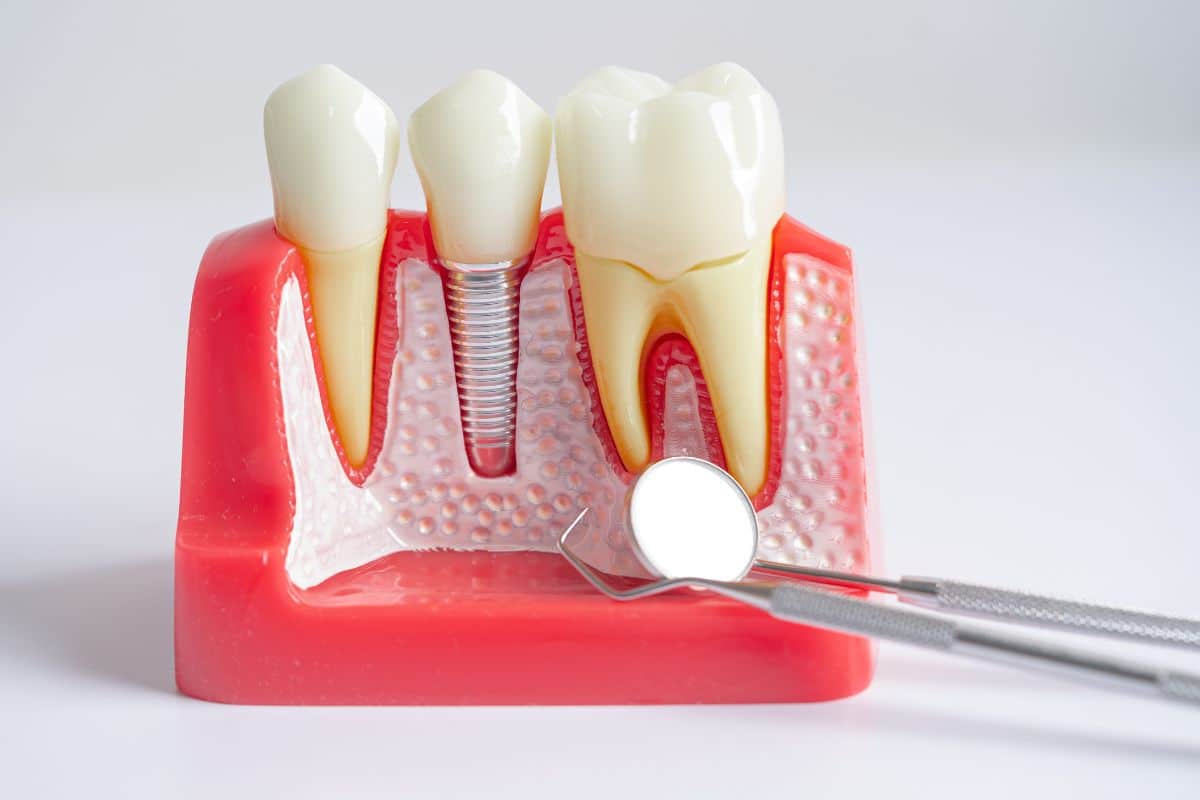
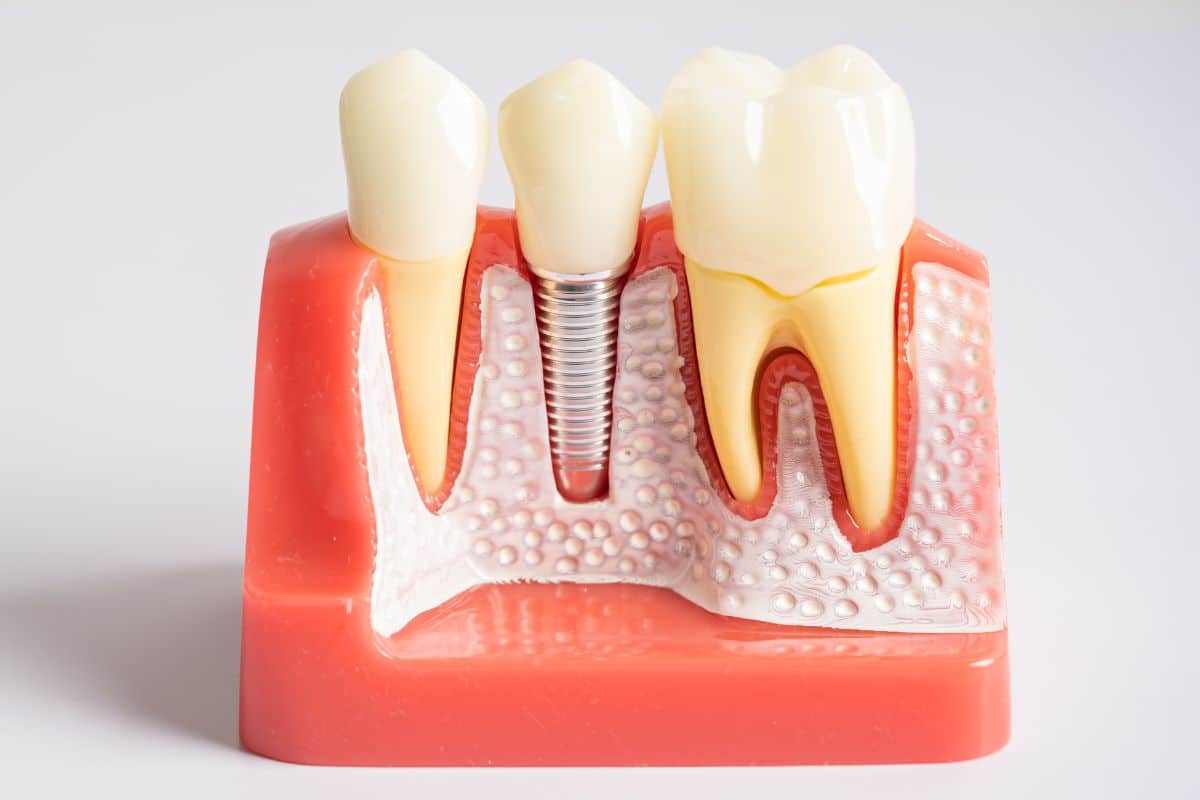
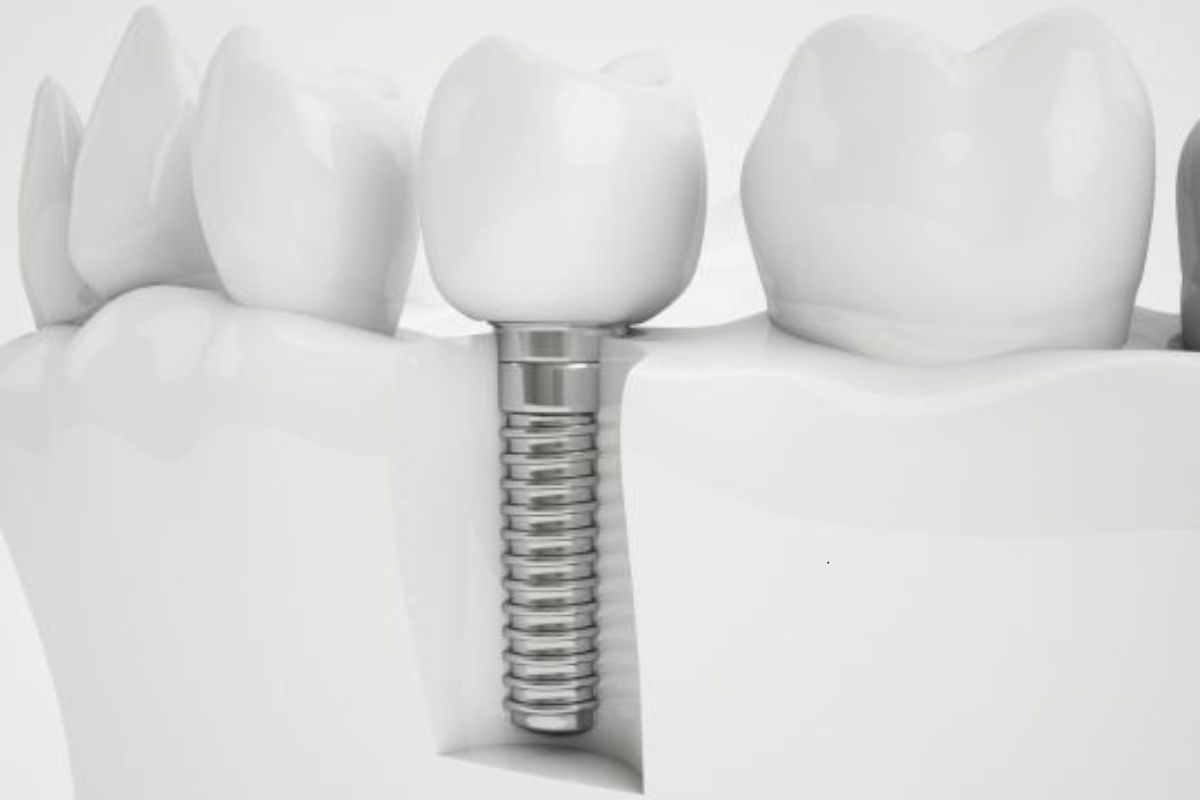
Once your treatment plan is set, it’s time for the big day: implant placement. This is the surgical part where a titanium implant post is placed into your jawbone. Don’t worry; your dentist will provide anesthesia or sedation to make the process comfortable. The implant post acts as an artificial tooth root, giving your new tooth strong support.
Following implant placement, a healing process known as “osseointegration” starts. What does that mean? Simply put, the bone in your jaw naturally fuses with the implant post over the next few months. This fusion is critical because it anchors the implant securely in place, just like a natural tooth root.
Why Does Healing Take So Long?
Depending on bone quality and individual healing rates, the osseointegration process may take three to six months. While it may seem lengthy, this waiting period is essential for a durable and successful implant. During this time, your dentist might provide a temporary tooth or bridge to maintain your smile and comfort.
Step 3: Abutment and Crown Placement
After the implant has fused with your jawbone, the next step involves attaching an abutment. Consider the abutment to be a connector; it rests atop the implant post and serves as a foundation for the crown, the portion of your new tooth that is visible. This step is fairly straightforward and may involve local anesthesia, depending on your comfort level.
Lastly, a crown that blends in perfectly with your other teeth will be made by the dentist. The crown is carefully crafted to match the color, shape, and size of your natural teeth, so it looks and feels just right. Once the crown is placed, your dental implant journey is complete, and you can enjoy the benefits of a full, functional smile.
What Dental Implants Can Solve
Dental implants are a versatile solution for various oral health issues. Here are some common problems they address:
- Missing teeth – Whether you’re missing one tooth or several, implants provide a reliable, permanent replacement.
- Difficulty chewing – Missing or unstable teeth can make it hard to chew; implants restore full chewing ability.
- Bone loss – Implants stimulate the jawbone, preventing the bone loss that can happen with missing teeth.
- Speech problems – Gaps in your teeth or ill-fitting dentures can impact speech; implants help you speak clearly.
- Low self-confidence – Dental implants look natural and help boost confidence by restoring a complete smile.
By addressing these issues, dental implants not only improve oral health but also enhance overall quality of life.
The dental implant process may seem detailed, but each step is carefully designed to ensure the best possible results. From the initial consultation with a dentist Phoenix to the final crown placement, every stage builds upon the last to create a functional, long-lasting smile. While dental implants in Phoenix may involve a bit of time and commitment, the outcome-a beautiful, fully restored smile-is worth every step.
If you’re considering dental implants, remember that visiting Biltmore Cosmetic & Restorative Dentistry Phoenix is always the best way to achieve lasting, comfortable results.