5155 N 16th St UNIT A, Phoenix, AZ 85016


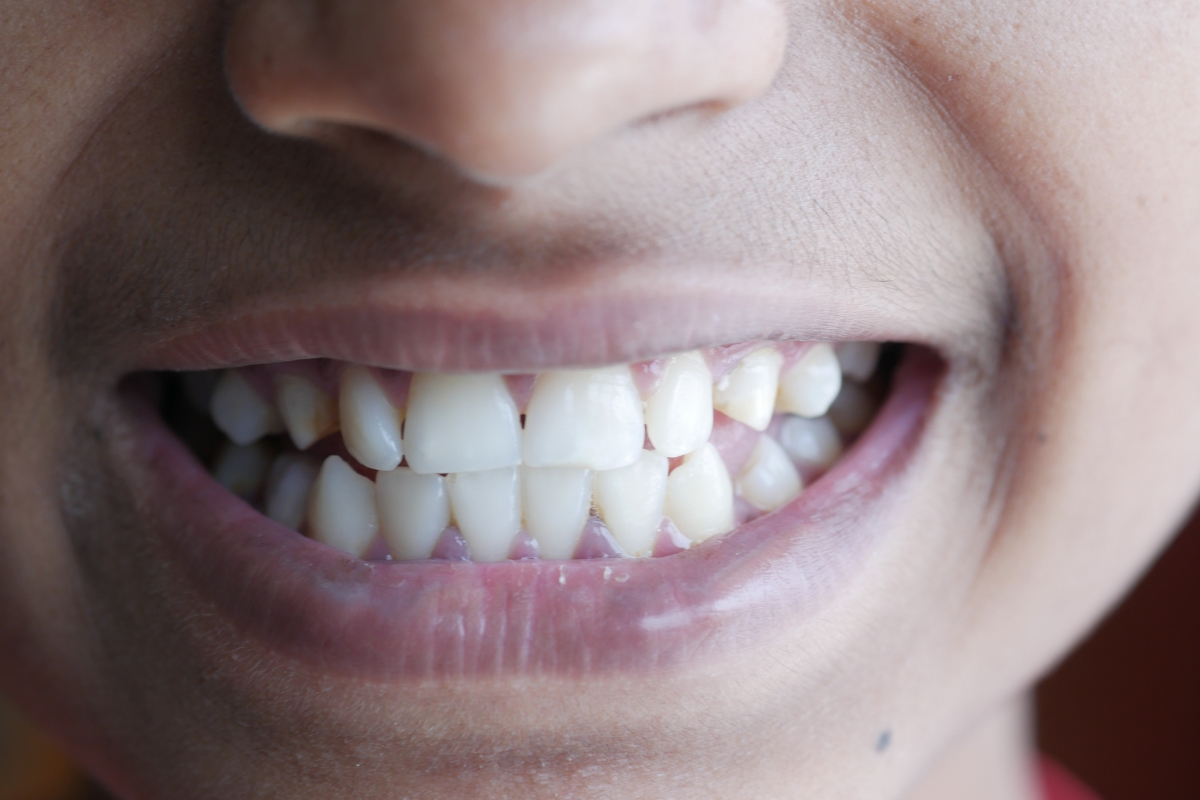
If your lower teeth sit in front of your upper teeth when you bite down, you may have an underbite. While underbites are less common than overbites, they can affect everything from how you chew and speak to how confident you feel when you smile. Many patients ask an important question: Can Invisalign fix an underbite, or are braces the only option?
The answer depends on the type and severity of your underbite. Let’s break it down in a clear, straightforward way so you can better understand your options.
What Is an Underbite?
An underbite occurs when the lower jaw or lower teeth extend forward beyond the upper teeth. In mild cases, this may be mostly a cosmetic concern. In more noticeable cases, it can lead to functional problems such as:
- Difficulty biting or chewing food properly
- Speech issues
- Uneven tooth wear
- Jaw strain or discomfort
- Facial imbalance or a protruding lower jaw appearance
Underbites can develop for several reasons, including genetics, childhood habits, early tooth loss, or jaw growth differences. Because every underbite is unique, treatment needs to be personalized rather than assumed.
How Invisalign Works
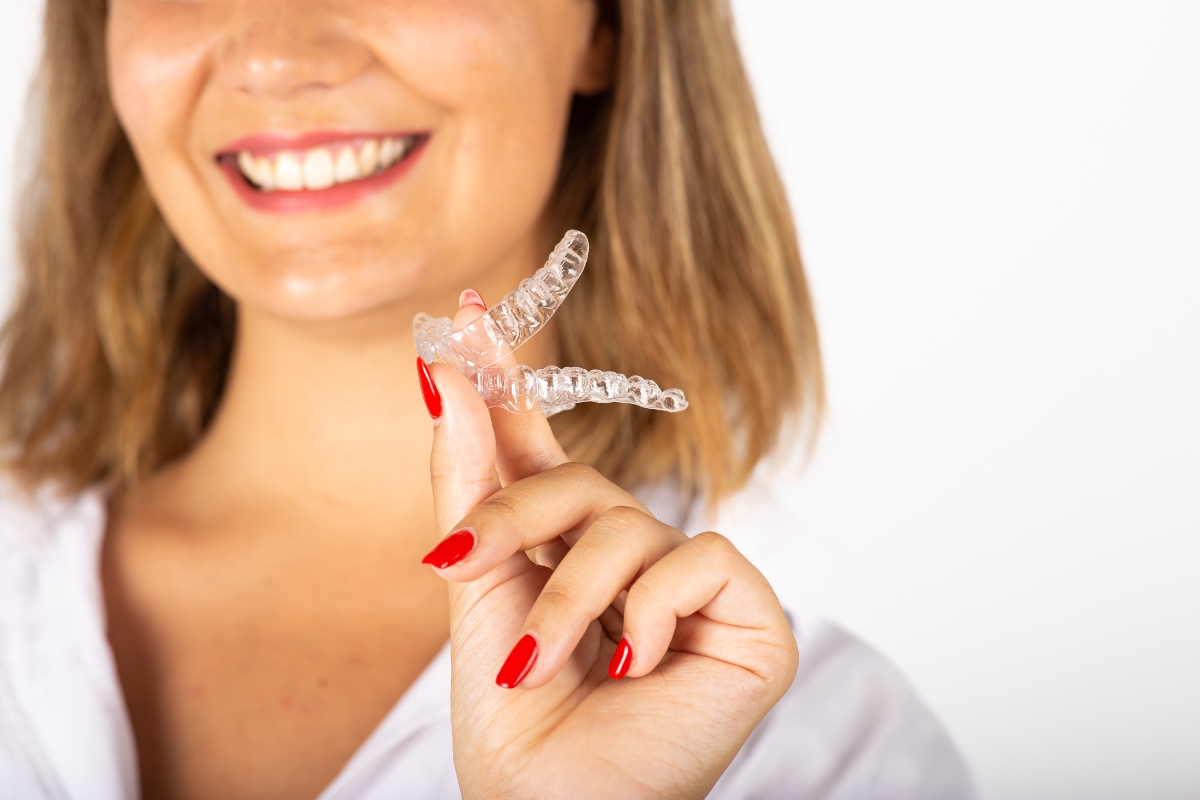
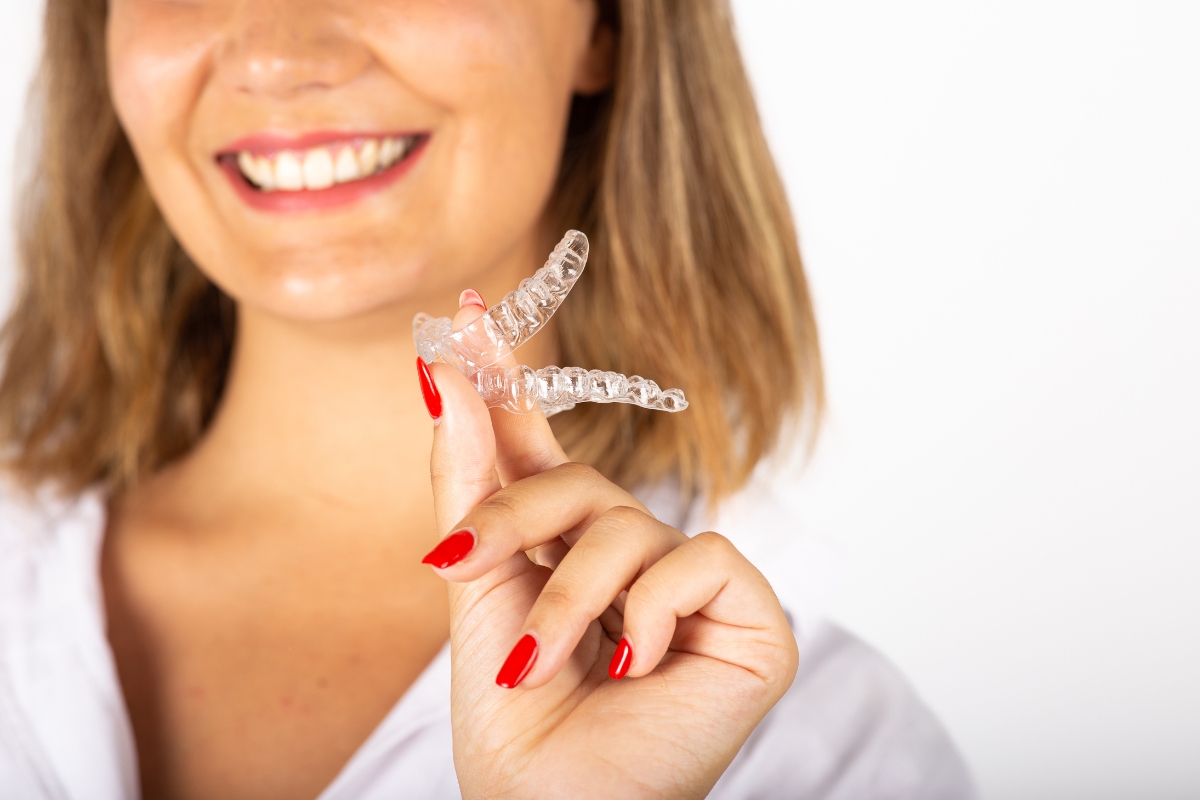
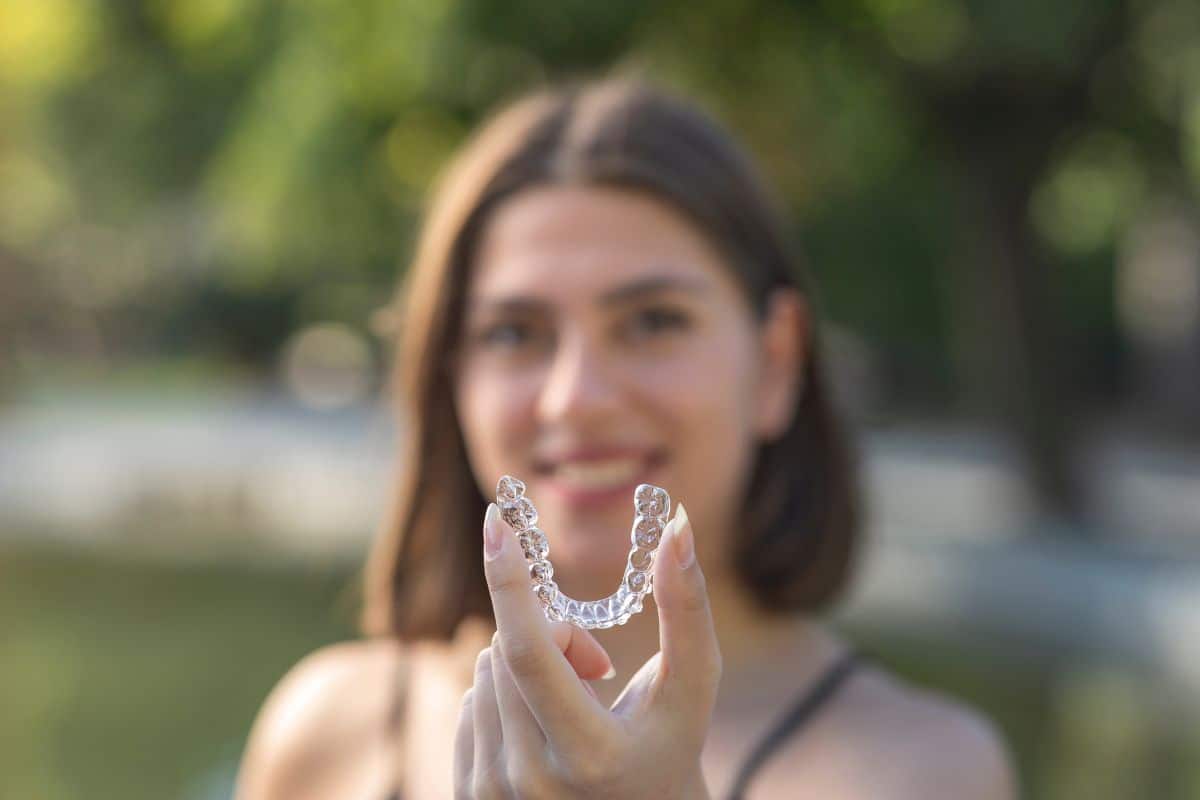
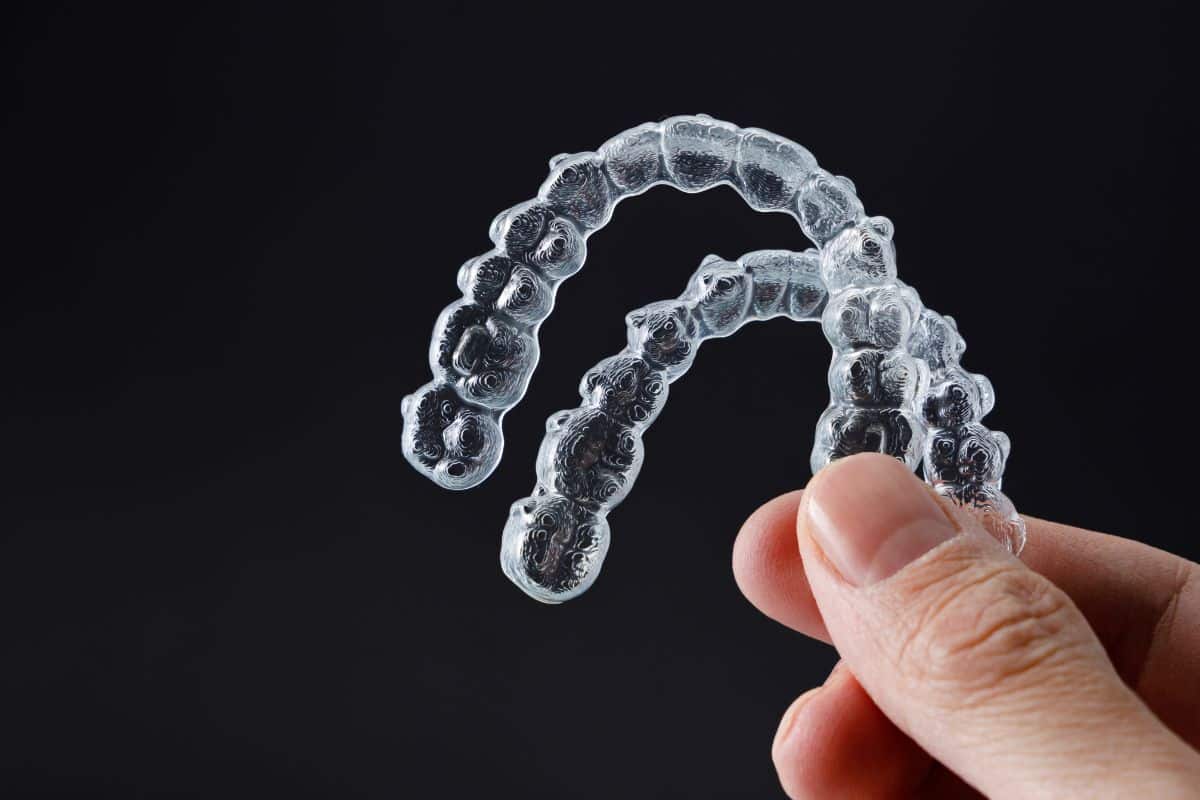
Invisalign uses a series of clear, custom-designed aligners that gradually move teeth into healthier positions. Each aligner applies gentle pressure, guiding your teeth step by step into improved alignment.
The aligners are removable, nearly invisible, and designed to fit comfortably into everyday life. Patients appreciate being able to eat freely, brush and floss normally, and maintain confidence throughout treatment without metal brackets or wires.
Can Invisalign Fix an Underbite?
Yes — Invisalign can correct certain types of underbites, particularly mild to moderate cases where tooth positioning is the primary issue rather than jaw structure.
If the underbite is caused mainly by the lower teeth sitting too far forward, Invisalign can gradually reposition both upper and lower teeth to improve how they meet. Advanced digital treatment planning allows precise movements that improve bite balance over time.
In some cases, Invisalign treatment may include:
- Tooth-colored attachments to help guide movement more effectively
- Elastics (rubber bands) to encourage better jaw alignment
- Refinements near the end of treatment to fine-tune results
However, it’s important to be realistic. Severe underbites caused by significant jaw misalignment may require additional orthodontic methods or collaboration with a specialist. Invisalign alone may not be the best solution in every situation, which is why a professional evaluation is essential.
Why Treating an Underbite Is Important
An underbite isn’t just about appearance. Left untreated, it can lead to long-term oral health issues, including excessive tooth wear, gum problems, and ongoing jaw stress.
Because the bite doesn’t come together evenly, certain teeth may take on more pressure than they’re designed to handle. Over time, this can increase the risk of cracked teeth, enamel damage, and chronic discomfort. Correcting an underbite helps protect your smile and improve daily comfort.
How Long Does Invisalign Take to Treat an Underbite?
Treatment length varies depending on the severity of the underbite and how consistently aligners are worn. For many patients, Invisalign treatment lasts 12 to 24 months.
Patients who wear their aligners as recommended often see steady progress and predictable improvements. Consistency is key — Invisalign works best when aligners are worn for most of the day and night.
Benefits of Invisalign for Underbite Correction
Patients often choose Invisalign for underbite treatment because it offers several advantages:
Discreet Treatment
Clear aligners are subtle and blend naturally into your smile, making them ideal for adults and teens who want a low-profile option.
Comfortable Experience
Smooth aligners are designed to reduce irritation to the gums and cheeks compared to traditional braces.
Flexible Lifestyle
Because Invisalign aligners are removable, you can enjoy your favorite foods and maintain excellent oral hygiene without extra effort.
Confidence Throughout Treatment
Many patients feel more comfortable smiling and speaking during treatment without visible orthodontic hardware.
Is Invisalign the Right Choice for Your Underbite?
The best way to know if Invisalign can correct your underbite is through a personalized consultation. At Biltmore Cosmetic & Restorative Dentistry in Phoenix, we carefully evaluate your bite, jaw alignment, and overall oral health before recommending any treatment.
Using modern diagnostic tools and digital planning, we determine whether Invisalign is suitable or if another orthodontic approach would better support long-term results. Our focus is always on achieving a balanced bite that looks natural and functions comfortably.
Underbite Treatment for Adults and Teens
Underbites don’t go away on their own, and age doesn’t disqualify you from treatment. Many adults successfully correct underbites with Invisalign and enjoy improved comfort and confidence afterward.
For teens, early evaluation can help guide jaw and tooth development before issues become more complex. Addressing underbite concerns sooner often leads to smoother, more efficient treatment.
Final Thoughts
If you’ve been wondering, “Can Invisalign fix my underbite?”, the answer is encouraging for many patients with mild to moderate cases. Invisalign offers a comfortable, discreet way to improve bite alignment when carefully planned and professionally guided.
If your underbite affects how you eat, speak, or feel about your smile, it may be time to explore your options. A healthier bite can make a meaningful difference in both your oral health and daily confidence.
Living with an underbite can impact more than just your smile. From daily discomfort to long-term dental wear, bite issues deserve attention. Our dental professional team is here to provide modern, comfortable orthodontic solutions designed to fit your lifestyle. Let us help you move toward a healthier, more balanced bite.
Frequently Asked Questions (FAQs) About Invisalign & Underbite Treatment
What causes an underbite?
Underbites can be caused by genetics, jaw growth differences, early tooth loss, or childhood habits. In many cases, the lower teeth or jaw develop further forward than the upper teeth.
Can Invisalign fix all underbites?
Invisalign can successfully treat many mild to moderate underbites caused by tooth positioning. More severe underbites related to jaw structure may require additional or alternative treatment options.
How do I know if my underbite is mild or severe?
A dental evaluation is needed to determine the severity of an underbite. Digital imaging and bite analysis help identify whether the issue involves teeth, jaw alignment, or both.
Will Invisalign change my jaw position?
Invisalign primarily moves teeth, not jaw bones. In certain cases, elastics may be used to guide bite improvement, but significant jaw corrections may require other orthodontic solutions.
How long does Invisalign take to correct an underbite?
Treatment length varies by case, but many patients complete Invisalign treatment within 12 to 24 months when aligners are worn consistently.
Is Invisalign comfortable for underbite treatment?
Most patients find Invisalign comfortable. You may feel mild pressure when switching to a new aligner, which usually fades after a short period.
Can adults get underbite treatment with Invisalign?
Yes. Many adults choose Invisalign to correct underbites because it offers a discreet and flexible treatment option without metal braces.
What happens if an underbite is left untreated?
Untreated underbites can lead to uneven tooth wear, jaw discomfort, gum issues, and long-term oral health complications. Early treatment can help reduce these risks.