5155 N 16th St UNIT A, Phoenix, AZ 85016


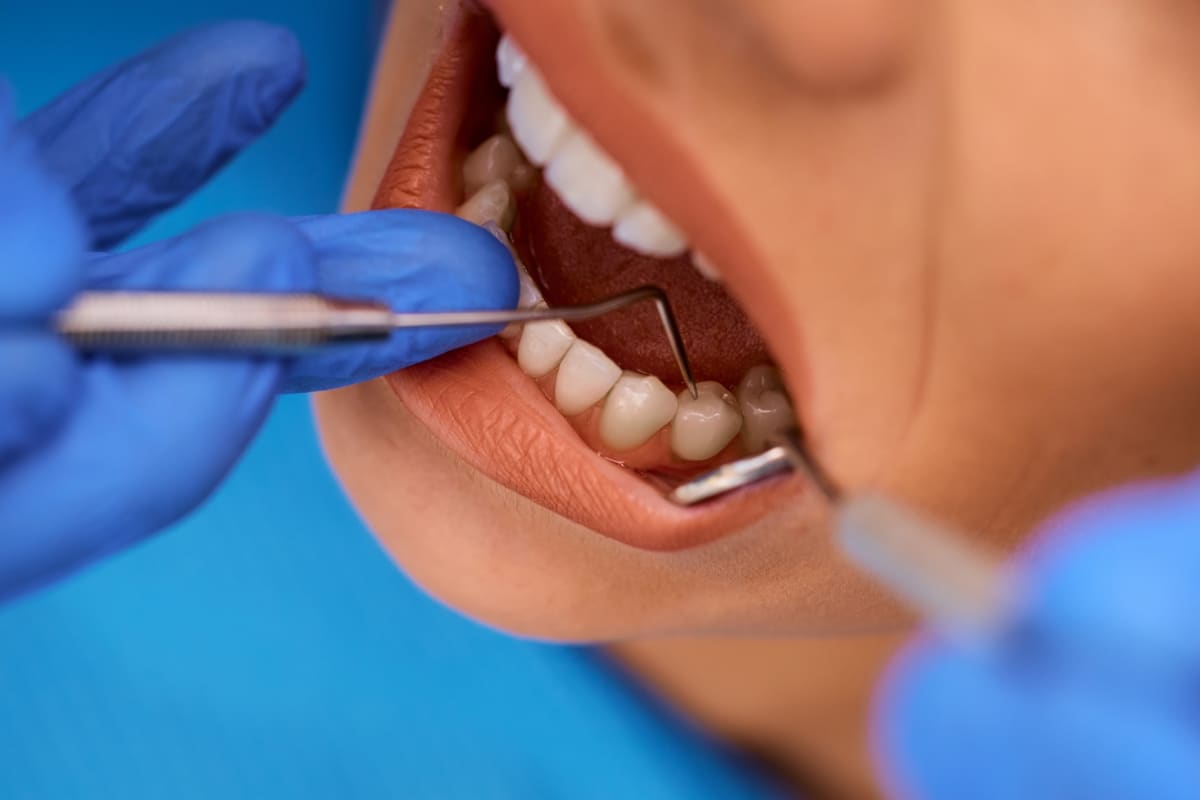
Maintaining good oral health doesn’t stop at the dentist’s office. While regular visits to a dentist in Phoenix are essential for preventive care and addressing potential issues, it’s just as crucial to maintain a proper hygiene routine between those visits. Whether you’re enjoying the outdoor activities at Camelback Mountain or participating in spring festivals around the community, a bright and healthy smile makes you feel confident. In this blog, we’ll explore how you can keep your tooth health in its best shape between dental appointments.
Why Is Maintaining Oral Health Between Visits Important?
You might think that oral care is only important when you visit the dentist in Phoenix. In reality, daily care significantly impacts the health of your teeth and gums, and skipping this routine can have major consequences.
According to the CDC, 50% of adults over 30 show signs of gum disease, with many of these cases being preventable through proper hygiene practices.
By adopting some healthy habits, you can prevent issues like tooth decay, gum disease, and even tooth loss. It’s especially important in The Valley, where extreme heat can lead to dry mouth, which can increase plaque buildup.
Can Dry Mouth Impact My Oral Health?
Living in the Valley of the Sun means dealing with hot temperatures and dry air, which can contribute to dry mouth. When your mouth doesn’t produce enough saliva, it can lead to an increased risk of tooth decay, gum disease, and bad breath. Saliva plays a vital role in protecting teeth by washing away food particles and neutralizing acids produced by bacteria.
If you’re suffering from xerostomia, try drinking plenty of water, using a humidifier, and chewing sugar-free gum to stimulate saliva production. You should also avoid drinks that dry out your mouth, such as coffee, alcohol, or soda.
What Are The Key Habits To Keep Your Teeth Healthy?
The foundation of a healthy smile starts with consistent habits and essential dental care tips for a bright smile. While it’s crucial to visit a local dental care professional every six months, daily care is equally essential in the fight against tooth decay and gum disease. Here’s a quick overview:
- Brush Twice A Day: Brush your teeth using a soft-bristled toothbrush and fluoride toothpaste for two minutes. Brushing helps remove food particles, plaque, and bacteria, which contribute to tooth decay and gum disease.
- Floss Daily: Flossing removes food and plaque from between your teeth and under the gumline, where your toothbrush can’t reach. A study by the American Dental Association (ADA) found that flossing can reduce your risk of periodontal disease by up to 40%.
- Use Mouthwash: Antiseptic mouthwash helps remove residual bacteria and freshen your breath. It also helps reduce plaque buildup and gum inflammation when used as part of a regular hygiene routine.
Can Poor Diet Lead To Oral Health Problems?
Yes, what you eat plays a major role in your dental health. Foods high in sugar and acid can contribute to plaque buildup and cavities. Here’s what Phoenix dental practitioners want patients to know:
- Sugary Foods: Candy, soda, and pastries feed the bacteria that cause tooth decay.
- Acidic Foods: Citrus fruits and coffee can wear down tooth enamel, making your teeth more vulnerable to decay.
To protect your teeth, enjoy these foods in moderation and make sure to drink water after consuming anything sugary or acidic. Incorporating calcium-rich foods like cheese and leafy greens can also strengthen your enamel.
Watch What You Eat!
Where sugary snacks and drinks feed the bacteria in your mouth, leading to dental caries and gum disease, on the other hand, eating foods like:
- Crunchy vegetables like carrots and celery can help clean your teeth as you chew and stimulate saliva.
- Dairy products like cheese are rich in calcium and help strengthen your enamel.
- Leafy greens like spinach and kale contain antioxidants and are good for your gums.
Including these foods in your diet can help keep your teeth and gums strong and healthy.
How Does Smoking Affect My Dental Health?
Smoking isn’t just bad for your lungs but can also harm your tooth health. Research shows smoking significantly increases your risk of developing gum disease, oral cancer, and tooth loss. Tobacco use can cause staining on your teeth and interfere with your gums’ ability to heal. If you smoke, consider quitting to improve both your overall health and oral hygiene. Quitting smoking can also help reduce your risk of periodontal disease, which can severely impact your teeth and gums if left untreated.
Does Drinking Water Help Your Teeth Stay Healthy?
Drinking water is one of the easiest ways to maintain good dental health throughout the day. Saliva naturally helps neutralize acids and rinse away food particles and bacteria. Drinking plenty of water helps keep your mouth hydrated and prevents plaque from building up.
In The Valley, where the dry climate can contribute to cotton mouth, staying hydrated is especially important. It not only helps wash away food particles but also supports healthy saliva production and gum health. Additionally, if you’re consuming acidic or sugary beverages, drinking water can help neutralize the acids and prevent tooth decay.
How Do Regular Dental Check-Ups Help Maintain Oral Health?
Although home care is essential, professional care is equally crucial for maintaining your oral health.
During routine visits, the oral care provider will perform a thorough cleaning, removing plaque and tartar buildup that can’t be eliminated through brushing and flossing. These cleanings also help prevent gum disease, which, if left untreated, can lead to tooth loss.
Additionally, regular exams also help spot early signs of problems, such as cavities, oral cancer, or gingivitis, before they become severe. Specialists provide customized advice to help you maintain your tooth health based on your lifestyle and needs.
How Often Should You Visit An Oral Healthcare Provider in Phoenix?
You should visit a local dental office at least twice a year for routine cleanings and exams. During these appointments, they will:
- Remove plaque and tartar buildup that you can’t remove on your own.
- Examine your teeth and gums for any signs of decay, gum disease, or other issues.
- Perform X-rays to detect hidden problems, such as cavities between teeth or bone loss.
Proactive Care Keeps Your Smile Bright And Healthy
At Biltmore Cosmetic & Restorative Dentistry in Phoenix, we are committed to helping you maintain a bright, healthy smile with proactive care. Our trained team is here to guide you through every step of your oral health journey, ensuring you feel confident and well-informed. By attending regular check-ups, following a consistent oral hygiene routine, and making mindful dietary choices, you can prevent common dental issues. We’re here to support you in achieving lasting oral health, with personalized care suited to your needs. Schedule your next check-up with our dentist in Phoenix today, and rest assured that your smile is in trusted hands.
Frequently Asked Questions (FAQs)
How do I know if I have gum disease?
Gum disease often starts with gum inflammation or bleeding when brushing or flossing. If left untreated, it can lead to receding gums and tooth loss, so regular checkups are essential.
What are the best foods for healthy teeth?
Eating calcium-rich foods like dairy and leafy greens helps strengthen your enamel. Foods like apples and carrots also stimulate saliva production, which naturally protects your teeth from decay.
How often should I brush my teeth?
You should brush your teeth at least twice a day—once in the morning and once before bed. Using fluoride toothpaste and brushing for two minutes will help remove plaque and reduce the risk of cavities.
What happens if I don’t floss?
Skipping flossing leaves plaque and food particles trapped between teeth, increasing your risk for gum disease and tooth decay. Regular flossing removes buildup in areas your toothbrush can’t reach, protecting your overall oral health.
Why are my teeth sensitive to cold and hot?
Tooth sensitivity can be caused by worn-down enamel or gum recession, exposing the sensitive inner layers of the tooth. It’s important to see a dental professional for advice on treatments, such as desensitizing toothpaste or fluoride treatments.