5155 N 16th St UNIT A, Phoenix, AZ 85016


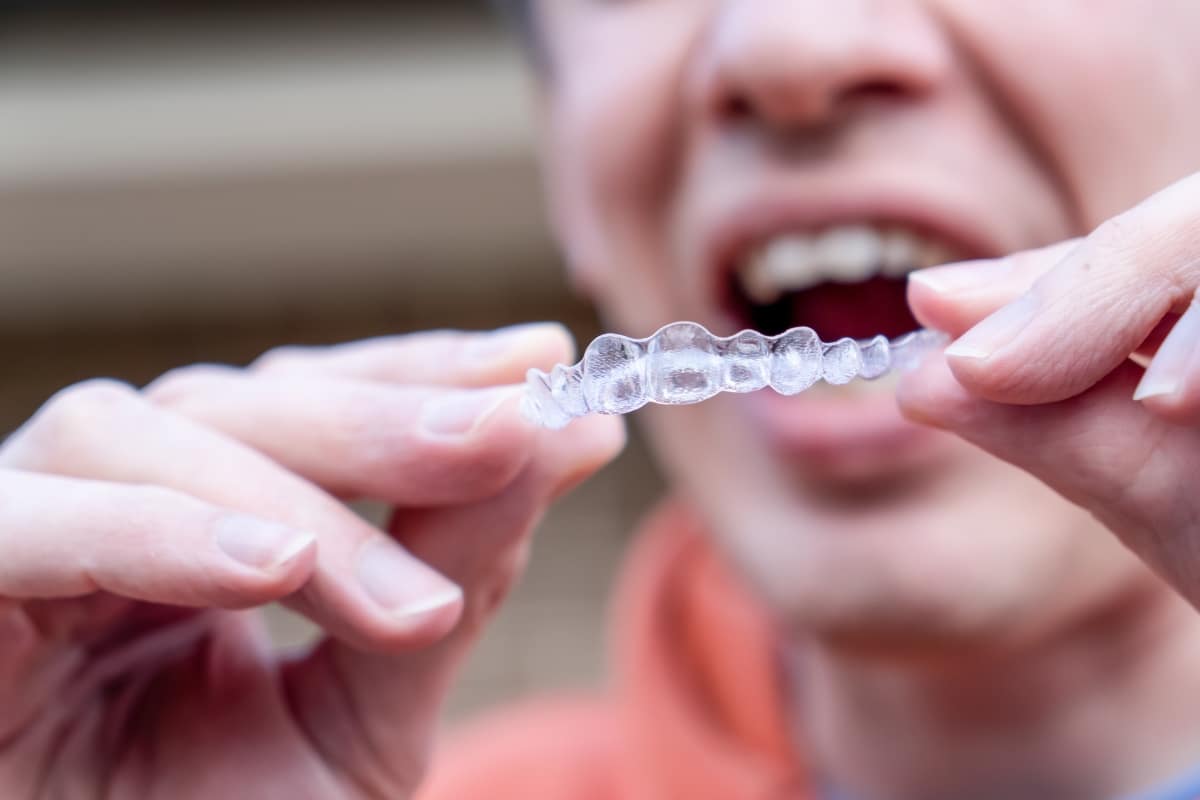
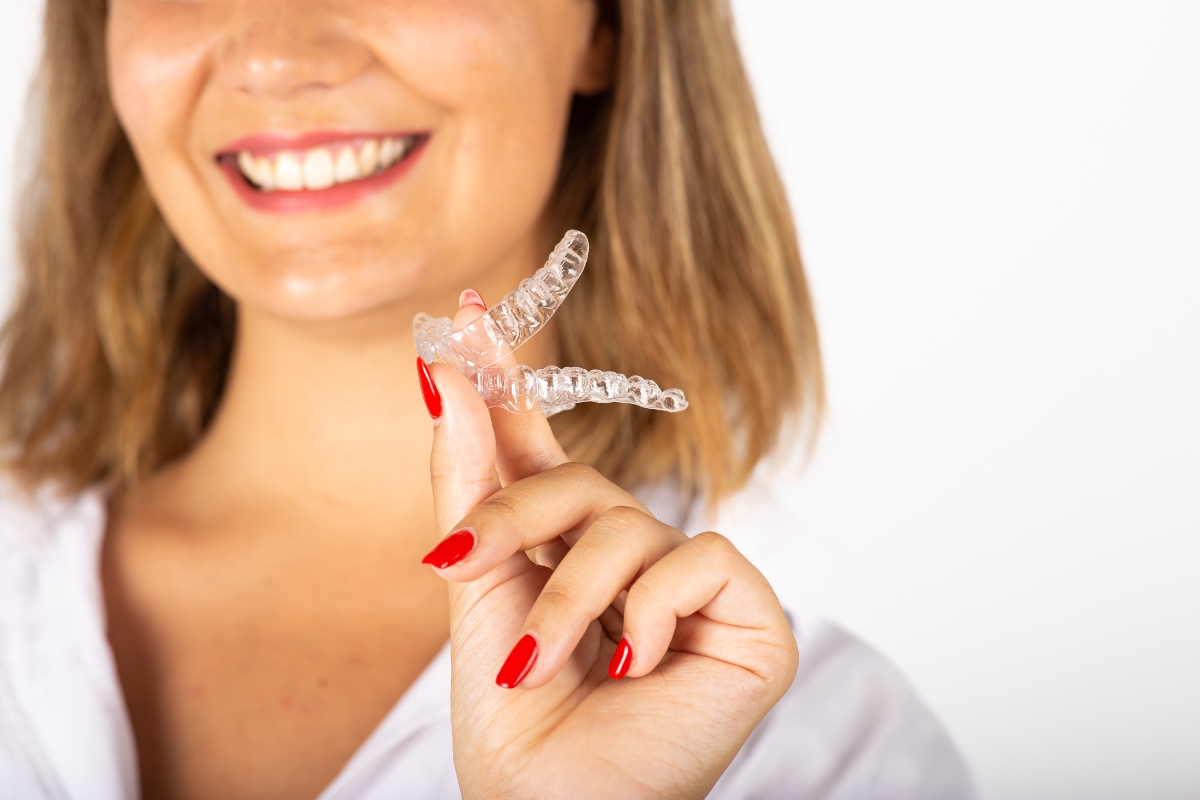
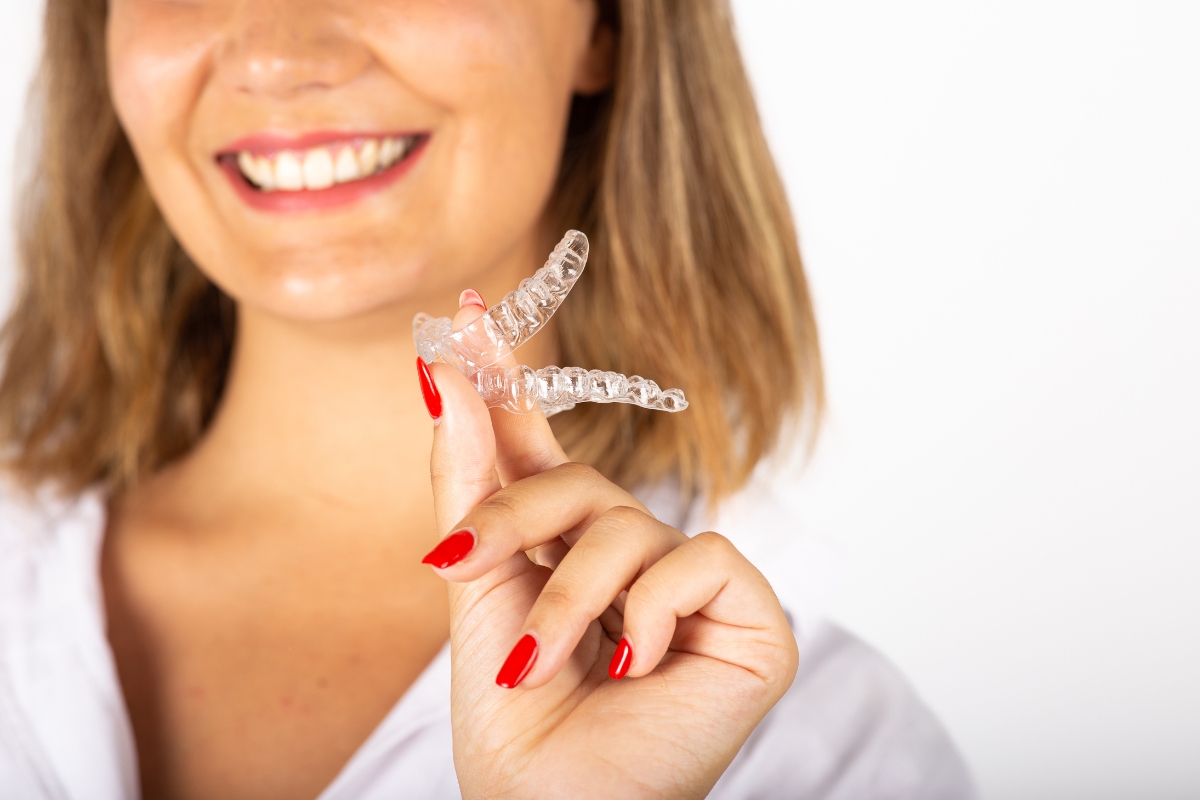
If you’ve been researching clear aligner treatment in Phoenix, chances are you’ve typed something like “does Invisalign hurt?” into Google at least once. It’s one of the most common questions patients ask before their first consultation — and honestly, it’s a fair one. Nobody wants to sign up for months of discomfort.
The short answer? Clear aligner therapy is generally much more comfortable than traditional metal braces. But “pain-free” isn’t entirely accurate either. Here’s a real, honest look at what Phoenix patients typically experience during treatment — from day one through the final tray.
What Does “Discomfort” Actually Feel Like?
When patients in Phoenix start clear aligner treatment, most describe the sensation as pressure — not pain. Each new set of aligners is designed to shift your teeth incrementally toward their ideal position. That shifting creates a tightness that’s especially noticeable during the first 24 to 72 hours after switching to a new tray.
Think of it like breaking in a new pair of shoes. There’s a brief adjustment period, but most people find it very manageable. Over-the-counter pain relievers like ibuprofen are usually all that’s needed if the pressure feels too intense, and most patients say the discomfort fades on its own within a day or two.
The Timeline: What to Expect Week by Week
Understanding the typical discomfort timeline helps patients feel far less anxious before they begin. Here’s what most Phoenix patients report at each stage:
Week 1: Getting Adjusted
The very first week is usually the most noticeable. Your teeth, jaw, and tongue are adjusting to a foreign object in your mouth. You might feel mild soreness, a slight lisp when speaking, and extra saliva production. All of this is completely normal. By the end of week one, most patients barely notice their aligners are in.
Weeks 2–4: Finding Your Rhythm
By the second and third week, most Phoenix patients feel comfortable inserting and removing their aligners on their own. The pressure after switching to a new tray is still present but becomes routine — it actually starts to feel like a sign that the treatment is working. Patients often describe the sensation as reassuring rather than bothersome.
Month 2 and Beyond: Smooth Sailing
After the first month, the vast majority of patients report that discomfort has become a very minor part of their experience. Treatment becomes second nature — pop in the new tray, deal with a day of mild tightness, and move on with your life.
Clear Aligners vs. Traditional Braces: The Comfort Comparison
One of the biggest reasons adults seeking orthodontic treatment in Phoenix choose clear aligners over traditional braces is comfort. Here’s how they compare:
- No metal wires or brackets to poke the inside of your cheeks or lips
- Smooth plastic edges that don’t irritate soft tissue
- Removable design means you can eat whatever you want — no food restrictions
- No emergency orthodontic visits for broken wires or popped brackets
- Easier to maintain oral hygiene since aligners come out for brushing and flossing
For professionals, parents, and active adults in the Phoenix metro area, these advantages add up to a treatment experience that fits seamlessly into a busy lifestyle.
Common Causes of Discomfort — And How to Handle Them
Even with a comfortable treatment, some patients encounter specific sources of irritation. Knowing what causes them — and how to address them — makes a big difference.
Sharp Aligner Edges
Occasionally, the edge of a tray can feel slightly rough against the gums or cheek. An experienced provider can smooth these edges during a quick check-in appointment — something easily done right here in Phoenix. Dental wax can also provide temporary relief.
Attachments
Some cases require small tooth-colored “attachments” bonded to the teeth to help the aligners grip and rotate teeth more precisely. These tiny bumps can cause a little initial rubbing, but patients typically adapt within a week.
Pressure When Switching Trays
The most predictable source of discomfort is the tightness that follows each new tray. A helpful trick many Phoenix patients swear by: switch to a new tray right before bed. You’ll sleep through the first and most intense hours of pressure, and by morning, the worst of it is already behind you.
Who Is a Good Candidate for Clear Aligner Therapy in Phoenix?
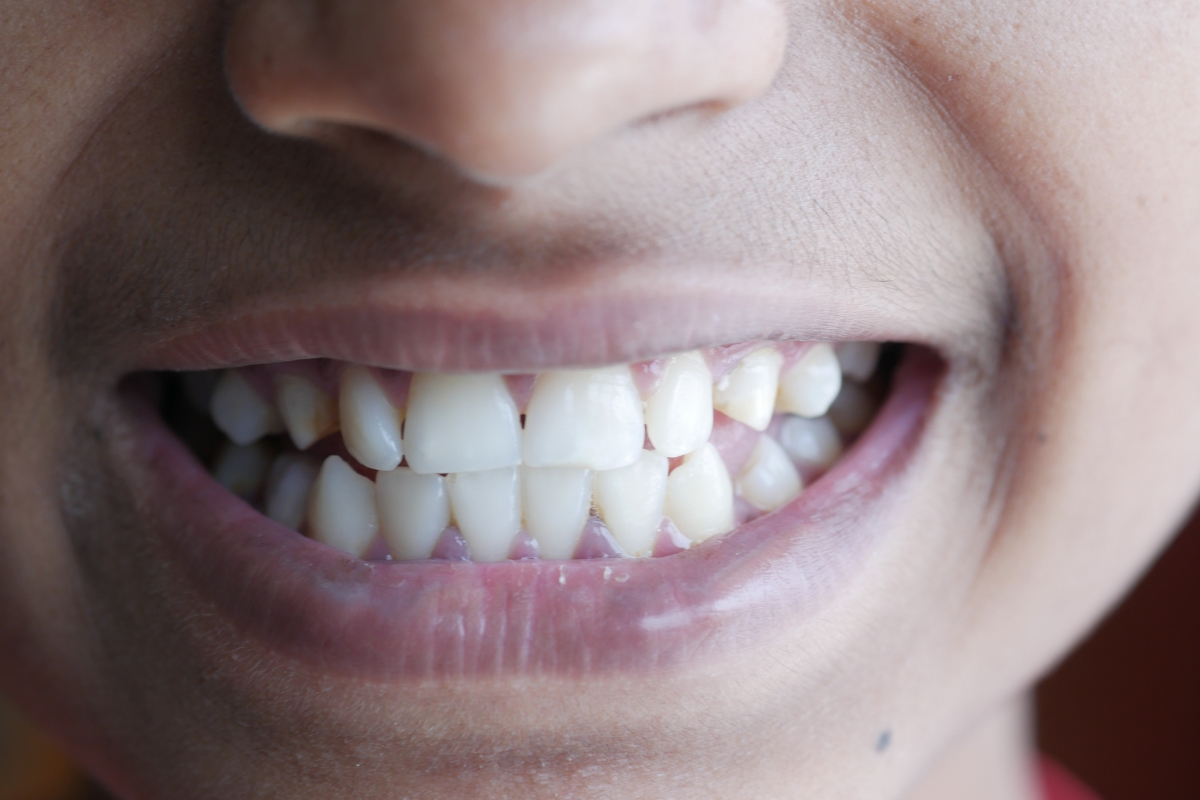
Clear aligner therapy can effectively treat a wide range of orthodontic concerns, from mildly crowded teeth to more complex bite issues. Adults and teens in Phoenix who are looking for a discreet, flexible way to straighten their smile are typically excellent candidates. The best way to know for sure is a comprehensive evaluation from a qualified provider.
At Biltmore Cosmetic & Restorative Dentistry in Phoenix, Dr. Brandon Harris uses advanced 3D digital scanning technology to assess your teeth and map out a precise treatment plan before a single tray is made. This means you can actually see a projected outcome of your smile before you commit to treatment — no guesswork involved.
Tips for a More Comfortable Clear Aligner Experience
Here are a few tried-and-true tips from Phoenix patients who’ve completed their treatment:
- Wear your aligners for the recommended 20–22 hours per day — inconsistency can actually increase discomfort when you do put them back in
- Rinse aligners with cool water (never hot) to keep them clean and odor-free
- Use a soft-bristle toothbrush to gently clean trays — abrasive toothpaste can scratch the surface
- Keep up with your scheduled check-ins at our Phoenix office so your provider can monitor progress and make adjustments as needed
- Take ibuprofen (if medically appropriate for you) proactively on the day you switch trays
The Bottom Line: Is It Worth It?
Ask any patient who has finished Invisalign treatment in Phoenix, and the answer is almost always the same: absolutely. The mild, temporary pressure that comes with each new tray is a small price to pay for straighter teeth, a healthier bite, and a smile you’re genuinely proud to show off.
Clear aligner therapy isn’t painless — but it’s far from painful. For most people, the experience is so manageable that the bigger regret is not starting sooner.
If you’re ready to find out whether clear aligner treatment is right for you, Dr. Harris and the team at Biltmore Cosmetic & Restorative Dentistry are here to help. We’re conveniently located in Phoenix at 5155 N 16th St UNIT A, and you can reach us at (602) 704-5159 to schedule your consultation. Your best smile is closer — and more comfortable — than you think.
Frequently Asked Question (FAQs)
Is Invisalign painful in Phoenix compared to metal braces?
Clear aligner therapy is generally much more comfortable than traditional metal braces. Most Phoenix patients describe the sensation as pressure or tightness — not pain — especially during the first few days after switching to a new set of trays. There are no metal wires or brackets to poke or irritate your mouth, which makes the day-to-day experience significantly more pleasant.
How long does the discomfort last with each new aligner tray?
For most patients, the tightness after switching to a new tray lasts between 24 and 72 hours. After that initial adjustment window, the discomfort fades considerably. A helpful tip from Phoenix patients: switch to your new tray right before bed so you sleep through the most intense hours.
Can I take pain medication during Invisalign treatment in Phoenix?
Yes, over-the-counter pain relievers like ibuprofen or acetaminophen are typically sufficient to manage any discomfort during clear aligner treatment. Always consult with your Phoenix dentist or physician before taking any medication, especially if you have existing health conditions.
Will Invisalign affect my speech in Phoenix daily life?
Some patients notice a slight lisp during the first few days of wearing their aligners as the tongue adjusts to the new shape in the mouth. This is completely temporary. The vast majority of Phoenix patients find their speech returns to normal within a week or less, and many adapt even faster than that.
How many hours a day do I need to wear my aligners?
Clear aligners should be worn for 20 to 22 hours per day for best results. You remove them to eat, drink anything other than water, and to brush and floss. Wearing them consistently also helps reduce discomfort — extended time out of the trays can make them feel tighter when you put them back in.
Does the Invisalign process hurt more for adults than teens?
Not significantly. Adults and teens in Phoenix report similar levels of discomfort during clear aligner treatment. Some adults note that their teeth may feel slightly more sensitive at first since they haven’t had orthodontic movement before, but this normalizes quickly. The overall experience is very comparable across age groups.
What should I do if my aligner edges are irritating my gums?
If a tray edge feels rough or sharp against your gum tissue, contact your Phoenix dental provider. A quick adjustment can smooth out the edge in minutes. In the meantime, dental orthodontic wax can be applied to the irritating area for temporary relief. Do not try to file down the tray yourself.
How do I know if clear aligner treatment is right for me in Phoenix?
The best way to know if you’re a good candidate for clear aligner therapy is a personalized consultation with a qualified Invisalign provider in Phoenix. Our dentist Dr. Brandon Harris uses advanced 3D digital imaging to evaluate your teeth and show you a projected outcome before any treatment begins. Call us at (602) 704-5159 to schedule your consultation.