5155 N 16th St UNIT A, Phoenix, AZ 85016


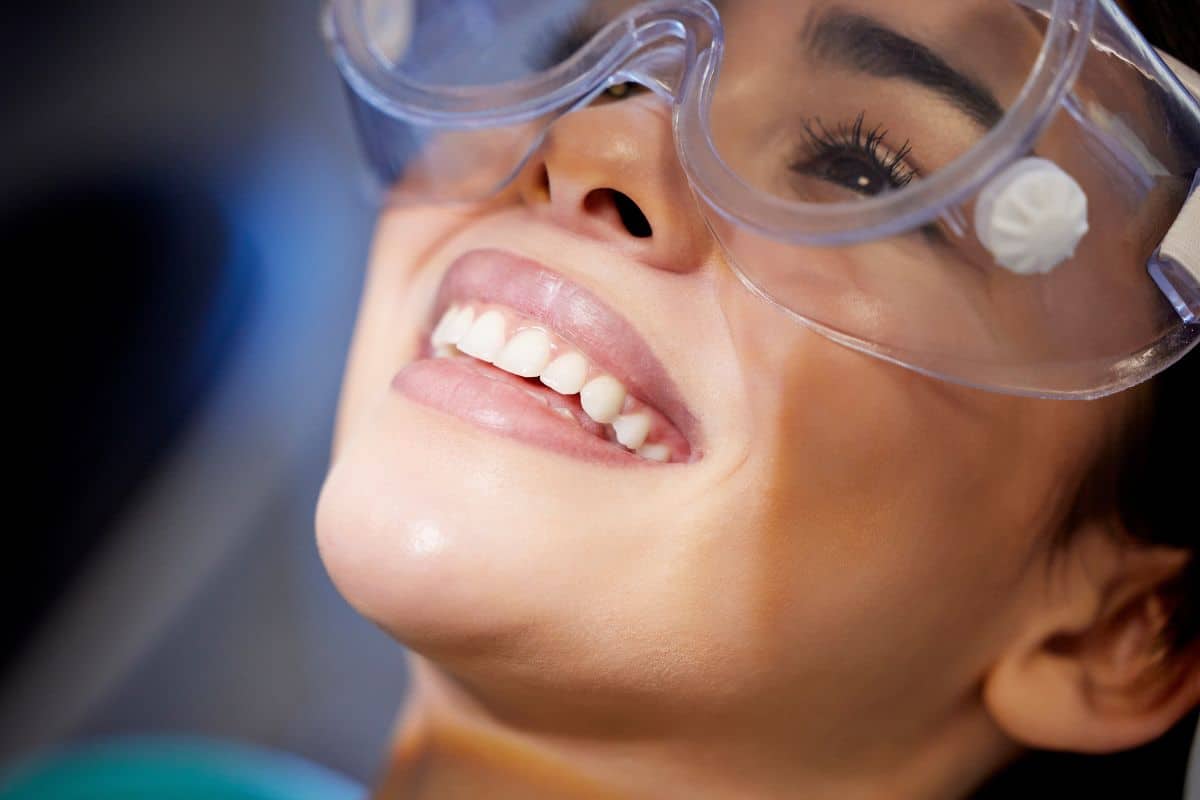
A brighter smile is one of the most requested cosmetic dental goals, yet many people hesitate to pursue it because of one concern: sensitivity. If sipping cold water already causes discomfort, the idea of whitening treatments can seem intimidating. However, sensitive teeth do not automatically rule out a whiter smile. Advances in cosmetic dentistry have made teeth whitening safer, gentler, and more customizable than ever before.
Many locals throughout Phoenix enjoy coffee on the way to work, iced beverages during the desert heat, and colorful foods that can gradually stain teeth. Over time, these everyday habits may leave smiles looking dull or discolored. Fortunately, there are several options specifically available for people with sensitivity concerns.
If brighter teeth have been on the wish list but fear of discomfort has caused hesitation, understanding how whitening works and which methods are best suited for sensitive teeth can make the decision much easier.
Why Do Teeth Become Sensitive After Whitening?
Understanding the cause of whitening sensitivity helps explain why some treatments feel more comfortable than others.
Most bleaching products rely on hydrogen peroxide or carbamide peroxide to remove stains. These ingredients penetrate the enamel and break apart discoloration trapped beneath the surface. While this process effectively brightens teeth, it can temporarily expose microscopic pathways that lead to the tooth’s inner layer, known as dentin.
Dentin contains tiny tubules that connect directly to the tooth’s nerve center. When the brightening agents reach these pathways, temporary sensitivity may occur. Some people experience a mild tingling sensation, while others notice discomfort when consuming hot or cold foods and beverages.
Several factors influence how sensitive teeth may feel during the treatment:
- Naturally thin or worn enamel
- Existing gum recession
- Previous dental restorations
- Tooth grinding or clenching habits
- The strength of the whitening formula
- Length of exposure to bleaching agents
Understanding these factors is important because successful teeth whitening in Phoenix is about more than just achieving a brighter smile. It is also about selecting a treatment that works comfortably with the condition of your teeth and enamel.
Can Sensitive Teeth Still Be Whitened Safely?
In most cases, yes.
Modern dental brightening systems offer multiple ways to brighten teeth while reducing the risk of irritation. The key is to select a method that matches the enamel’s condition and the individual’s sensitivity level.
A professional evaluation can identify potential concerns before treatment begins. Small cavities, worn enamel, exposed roots, or gum recession may increase sensitivity during whitening. Addressing these issues first often improves comfort and results. Rather than relying on a one-size-fits-all approach, today’s treatments can be tailored to create a more comfortable experience.
Which Dental Bleaching Options Work Best for Sensitive Teeth?
Not every method is equally suitable for sensitive smiles. Some options provide gradual brightening with minimal irritation, while others offer faster results under professional supervision.
Custom Take-Home Whitening Trays
Custom trays remain one of the most effective and sensitivity-friendly whitening solutions available.
These trays are created using impressions of the patient’s teeth, ensuring a precise fit. A professional-grade whitening gel is placed inside the trays and worn according to specific instructions.
This approach offers several advantages:
- The gel remains on the teeth rather than leaking onto the gum tissue
- Lower peroxide concentrations can be used
- Treatment time is fully adjustable
- Brightness occurs gradually over several days or weeks
- Sensitivity can be monitored and managed easily
Many patients find this method provides excellent results while maintaining a high level of comfort.
Whitening Products Made for Sensitive Teeth
Certain whitening strips and over-the-counter products are formulated with lower concentrations of the bleaching ingredients.
While results typically develop more slowly, these products can be a reasonable starting point for individuals with mild sensitivity.
For the best experience:
- Follow directions carefully
- Avoid exceeding recommended wear times
- Allow rest days between applications if needed
- Use sensitivity toothpaste during treatment
Gradual whitening often produces more comfortable results than aggressive regimens.
Whitening Toothpaste with Desensitizing Ingredients
Some teeth whitening toothpastes contain ingredients that help reduce sensitivity while gently removing surface stains.
Potassium nitrate and stannous fluoride are commonly used to calm nerve responses and strengthen enamel. Although these products do not dramatically whiten teeth, they can help maintain brightness and improve comfort.
For people with significant sensitivity concerns, this may be an excellent first step before pursuing professional treatment.
Professional In-Office Whitening
A professional approach performed by a dental team offers the highest level of customization and oversight. Unlike store-bought products, professional bleaching systems are carefully selected based on the patient’s oral health, enamel condition, and sensitivity history.
Additional protective measures may include:
- Gum barriers
- Desensitizing gels
- Customized treatment durations
- Fluoride applications
- Post-treatment sensitivity management
Patients seeking faster improvements often choose professional teeth whitening in Phoenix because it combines efficiency with greater control over comfort.
Are DIY Teeth Brightening Methods Worth Trying?
Social media trends and online hacks continue to gain popularity, but many of these methods come with unnecessary risks.
Common do-it-yourself approaches to brightening teeth may include:
- Lemon juice applications
- Baking soda mixtures
- Activated charcoal products
- Excessive bleaching strip use
- Abrasive scrubs
While these methods may appear harmless, they can damage enamel, irritate gum tissue, and increase sensitivity over time.
One of the biggest concerns with DIY whitening is the lack of control. Products may not fit properly, ingredients may be too abrasive, and users often apply treatments more frequently than recommended.
Instead of producing a brighter smile, these methods can sometimes create uneven coloration, irritation, or long-term enamel damage.
How Does Phoenix Living Affect Tooth Color?
Local lifestyle habits can have a surprising impact on the appearance of a smile. Phoenix families frequently rely on iced coffee, cold-brew beverages, sports drinks, and other stain-causing drinks to stay refreshed in the desert heat. These beverages can gradually darken enamel over time.
Outdoor events, food festivals, sporting events, and local gatherings often feature foods and drinks known for causing stains, including:
- Coffee
- Tea
- Red wine
- Barbecue sauces
- Dark berries
- Colored sports drinks
Additionally, dry desert conditions may contribute to dehydration, reducing saliva production. Saliva plays an important role in naturally rinsing away stain-producing substances and protecting enamel. While these factors do not prevent the procedure’s success, they can accelerate the return of discoloration without proper maintenance.
What Can Help Whitening Results Last Longer?
A successful smile enhancement treatment is only part of the equation. Daily habits significantly influence how long results remain visible.
Consider adopting these practical strategies:
- Rinse After Staining Beverages: Water helps wash away pigments before they settle into enamel. A quick rinse after coffee, tea, or wine can make a meaningful difference.
- Use a Straw When Appropriate: For iced beverages, using a straw reduces direct contact between staining liquids and front teeth.
- Practice Consistent Oral Hygiene: Brushing twice daily and flossing regularly removes plaque buildup that can attract stains.
- Schedule Professional Cleanings: Routine cleanings remove surface discoloration and help maintain your results.
- Limit Tobacco Products: Smoking and tobacco use are among the most common causes of stubborn tooth discoloration.
- Avoid Excessive Charcoal Products: Although heavily marketed online, charcoal products can be abrasive and may gradually wear away enamel.
Maintaining healthy habits can significantly extend the new smile’s results and reduce the need for frequent retreatment.
When Should Sensitivity After Whitening Raise Concern?
Temporary sensitivity is common after tooth brightening and usually resolves within a few days. Mild symptoms may include:
- Brief cold sensitivity
- Temporary tingling sensations
- Slight discomfort with temperature changes
These reactions generally improve as the teeth recover.
However, some symptoms warrant professional evaluation:
- Persistent pain lasting several days
- Significant gum irritation
- Sharp or worsening sensitivity
- Difficulty eating or drinking
- Uneven results
- New white spots on teeth
These signs may indicate an underlying issue, such as enamel erosion, gum recession, or untreated dental conditions that existed before the treatment. Prompt evaluation helps identify the cause and prevents further discomfort.
How Can an Oral Care Provider Reduce Whitening Sensitivity?
An experienced oral care provider can often prevent sensitivity before it starts. Professional evaluations identify factors that increase whitening discomfort, allowing treatment plans to be adjusted accordingly.
Preventive strategies may include:
- Lower-strength formulas
- Shorter treatment sessions
- Fluoride treatments
- Desensitizing agents
- Customized trays
- Gradual whitening schedules
These adjustments often make teeth brightening significantly more comfortable while still delivering excellent cosmetic improvements. For patients who previously struggled with sensitivity, a professionally guided approach frequently leads to a much better experience.
A Brighter Smile Should Feel Comfortable Too
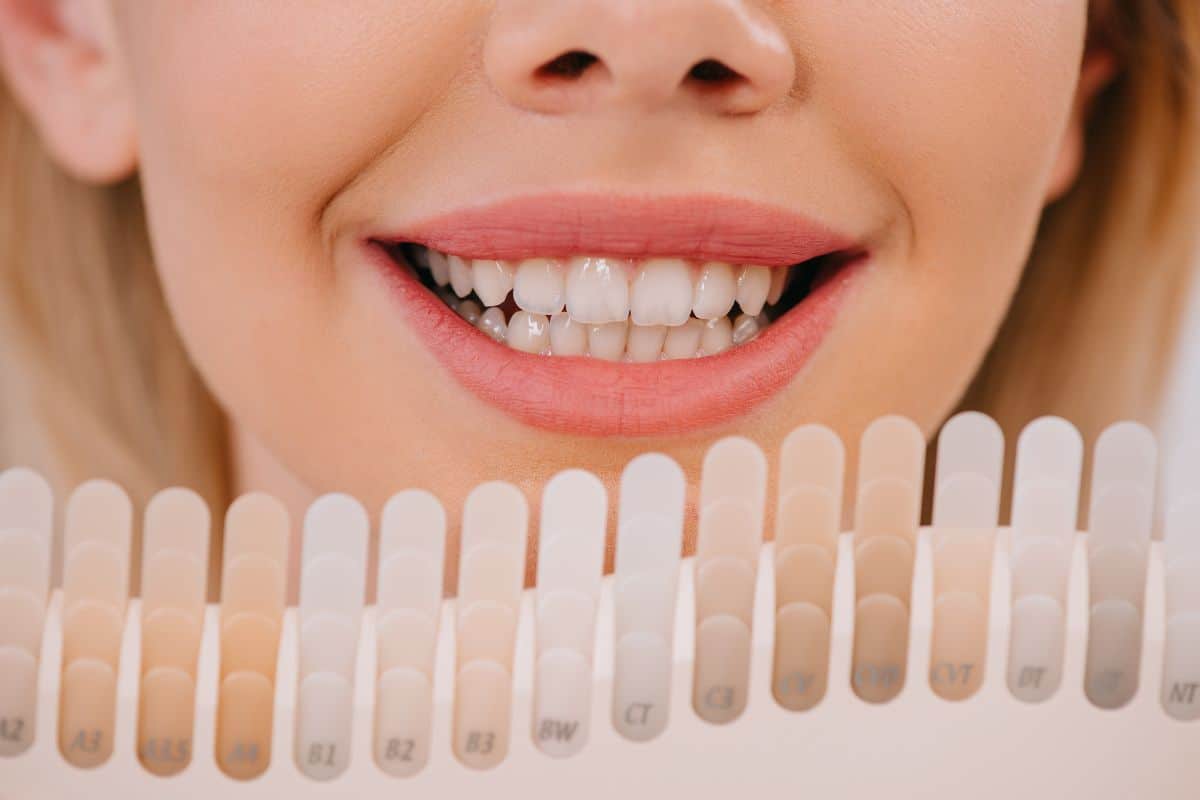
A brighter smile should never come at the expense of comfort. Modern whitening techniques offer solutions for virtually every level of sensitivity, allowing many people to achieve noticeable improvements without unnecessary discomfort. Whether discoloration comes from coffee, tea, aging, or everyday lifestyle habits, there are safe and effective ways to brighten teeth while protecting enamel and minimizing sensitivity. The key is choosing the right treatment rather than relying on aggressive products that may cause irritation.
At Biltmore Cosmetic & Restorative Dentistry in Phoenix, personalized whitening solutions are designed around each patient’s unique smile, comfort level, and cosmetic goals. If sensitive teeth have prevented pursuing a brighter smile in the past, professional guidance from our dentist, Dr. Brandon Harris, can help identify the safest and most effective path forward. Schedule a consultation to explore safer options for teeth whitening in Phoenix and discover how comfortable modern smile enhancement can be.
Frequently Asked Questions (FAQs)
Can people with sensitive teeth still whiten their teeth?
Yes, many people with tooth sensitivity can still brighten their smiles. The key is to choose gentler treatments, lower-peroxide formulas, or custom trays recommended by a dental professional to reduce discomfort during and after treatment.
How long does tooth sensitivity last after whitening?
Mild discomfort usually lasts between 24 to 48 hours after treatment. If pain persists beyond a few days or worsens, it may indicate enamel irritation or another oral health issue.
Is professional whitening better than store-bought strips for sensitive teeth?
Professional treatments are often a better option because they are tailored to your oral health. Store-bought strips can irritate gums, cause uneven results, and may worsen discomfort if used incorrectly.
What ingredients should people with sensitive teeth avoid in whitening products?
High concentrations of hydrogen peroxide, abrasive charcoal ingredients, and overly acidic whitening formulas can increase discomfort. Reading product labels carefully or asking a dental professional for guidance can help prevent irritation.
Can whitening damage enamel permanently?
When used correctly, approved whitening treatments do not permanently damage enamel. Overusing products or applying them too often can create unnecessary irritation and weaken enamel over time.
Why do my teeth hurt more after using whitening strips?
Whitening strips may expose the tooth’s nerve if the enamel is already thin or worn down. Poor-fitting strips can also irritate gum tissue, leading to discomfort after treatment.
How can I maintain whitening results without causing sensitivity?
Brush with a soft toothbrush, avoid stain-causing beverages, drink water after meals, and use non-abrasive oral care products. Regular cleanings also help maintain results while protecting enamel.