5155 N 16th St UNIT A, Phoenix, AZ 85016


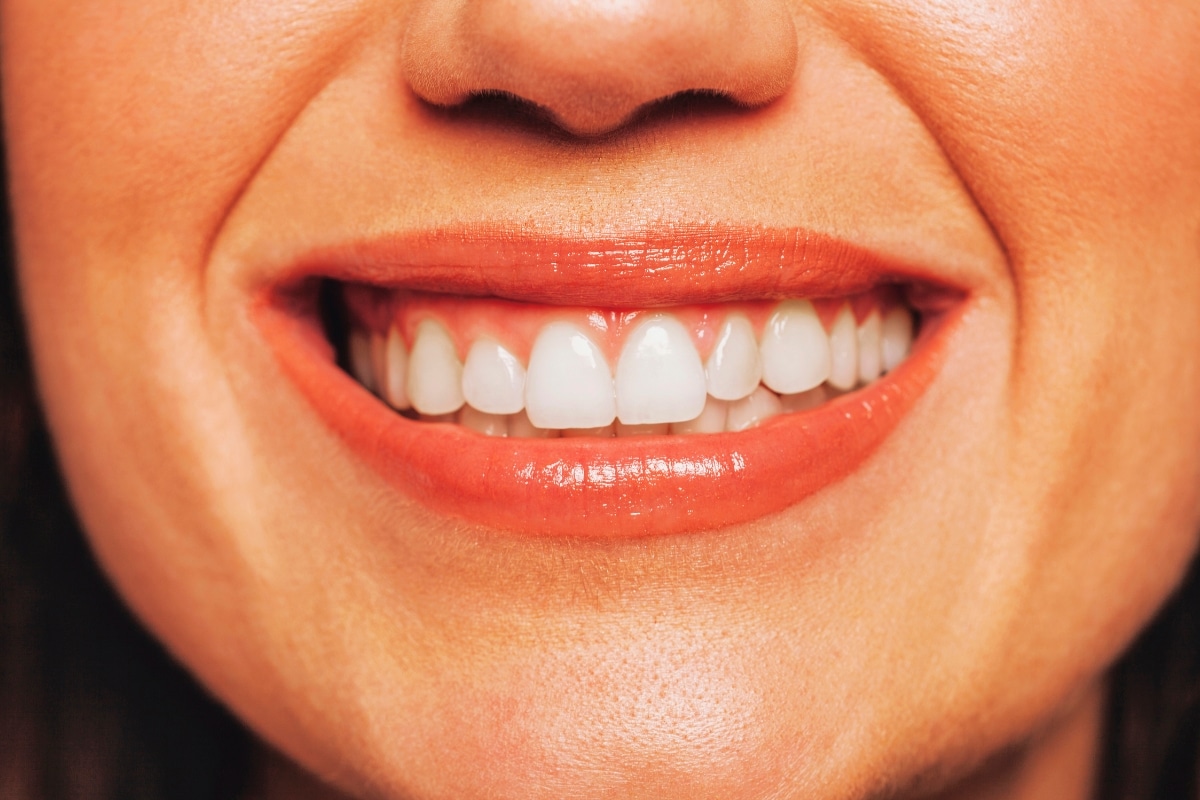
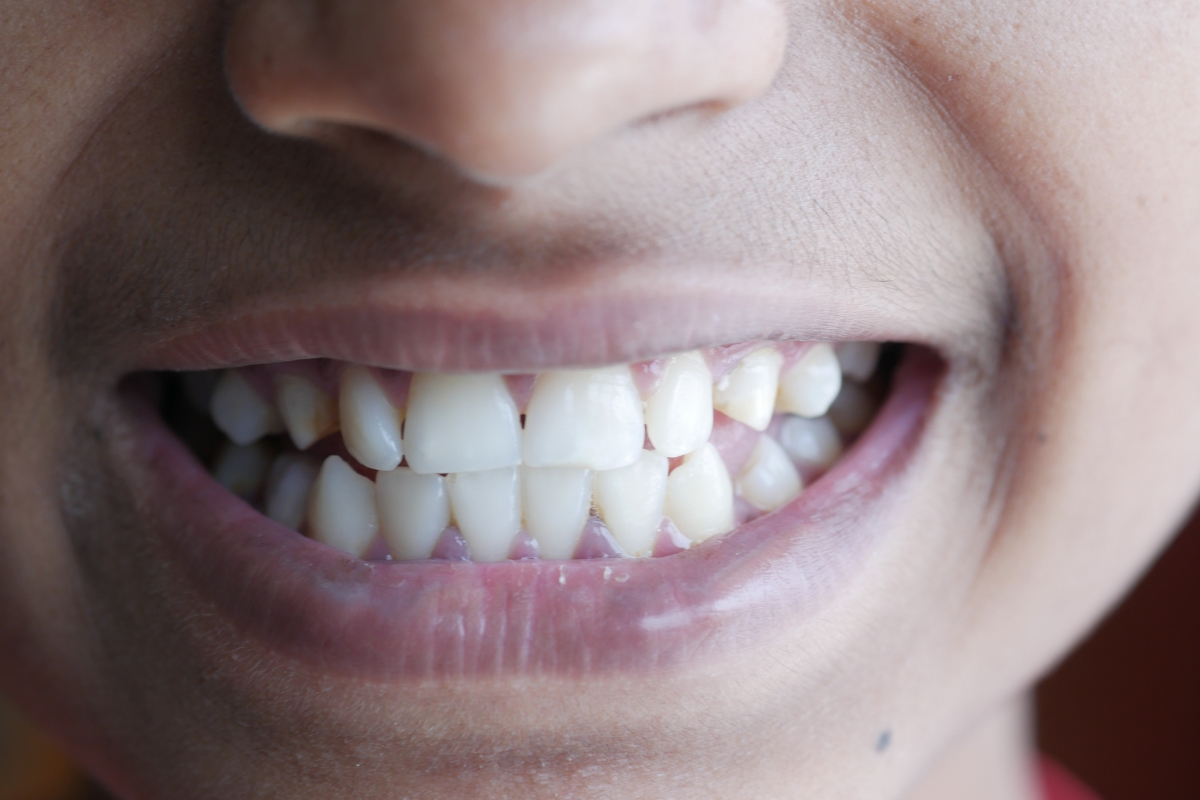
If you have been holding back your smile because of a chipped tooth, stubborn staining, or teeth that just never lined up the way you wanted, you are not alone. A lot of people assume that fixing these kinds of issues means years in metal braces or a long, complicated treatment plan. The good news is that modern cosmetic dentistry has come a long way, and there are several effective, minimally invasive options that can transform your smile faster than you might think.
Whether you are dealing with a single imperfection or a combination of concerns, a skilled cosmetic dentist in Phoenix can walk you through solutions that fit your lifestyle, your timeline, and your budget. Let us break down what is actually available and how each option works.
Why More People Are Skipping Traditional Braces
Braces have been the go-to solution for crooked teeth for decades, and they still have their place. But for many adults, the thought of brackets and wires for one to three years is a dealbreaker. Beyond aesthetics, there are practical concerns too: dietary restrictions, discomfort, and the time commitment of frequent adjustments.
The shift toward cosmetic dental treatments has given patients in Phoenix and across the country a new set of choices. These options address not just alignment, but also color, shape, and overall smile symmetry, often in just a handful of appointments.
Dental Veneers: A Complete Smile Overhaul in Two Visits
If you are looking for one treatment that can tackle chipped, stained, and mildly crooked teeth all at once, porcelain veneers are worth understanding.
Veneers are ultra-thin shells, typically made from porcelain or composite resin, that are bonded to the front surface of your teeth. They can change the shape, size, length, and color of your teeth simultaneously. For someone whose teeth are slightly crowded or have gaps, veneers can create the appearance of a perfectly straight smile without any orthodontic treatment.
A patient letter shared by Dr. Brandon Harris at Biltmore Cosmetic & Restorative Dentistry in Phoenix captured this perfectly: the patient described loving the “instant orthodontic effect” with a tooth that no longer appeared crooked, all through veneers alone.
The process typically involves two appointments. During the first, a small amount of enamel is gently removed to make room for the veneer. Impressions are taken, and temporary veneers are placed while the permanent ones are crafted. At the second appointment, the final veneers are bonded in place.
With proper care, porcelain veneers can last ten to fifteen years. They resist staining better than natural enamel, which means your brighter smile stays brighter longer.
Best for: Chipped teeth, deep or intrinsic staining, minor crowding, gaps between teeth, uneven tooth length.
Dental Bonding: Quick Fixes That Look Natural
Dental bonding is one of the most versatile and affordable cosmetic treatments available from a dentist in Phoenix. It involves applying a tooth-colored composite resin directly to the tooth, shaping it, and then hardening it with a special light.
The entire process is usually completed in a single visit, and in most cases no anesthesia is needed unless the bonding is being used to fill a cavity. It is a great option when you have a small chip, a crack, a gap, or even minor discoloration on one or two specific teeth.
Bonding does have some limitations. The resin material is not quite as durable as porcelain, and it can stain over time from coffee, tea, and wine. It typically lasts between three and seven years before it needs to be touched up or replaced. That said, for quick cosmetic corrections, it is hard to beat for simplicity and cost-effectiveness.
Best for: Minor chips, small gaps, surface irregularities, slightly discolored teeth.
Professional Teeth Whitening: Addressing Staining at the Source
Not all staining is the same. Surface stains from coffee, wine, or tobacco can often be addressed with professional whitening. Deep stains caused by certain medications, fluorosis, or trauma to a tooth are a different story and may require veneers or bonding for complete correction.
Professional in-office whitening performed by a cosmetic dentist in Phoenix delivers results that are significantly more dramatic than over-the-counter products. In-office treatments use higher concentrations of whitening agents under controlled conditions, meaning you can often achieve eight to ten shades of improvement in a single session.
At-home professional whitening kits provided by your dentist are another option. These use custom-fitted trays and a prescription-strength gel that you wear for a specified period each day. Results take a bit longer than in-office treatment, but the trays can be reused later for periodic touch-ups, making them cost-effective over time.
Best for: Extrinsic staining from food, beverages, and tobacco. Works best on teeth that are otherwise healthy and structurally sound.
Tooth Contouring and Reshaping: When Less Is More
Sometimes a tooth is not chipped so much as it is just an awkward shape or slightly longer than its neighbors. Tooth contouring, also called enameloplasty, is a simple and pain-free procedure where a small amount of enamel is gently filed or polished to reshape a tooth.
It is one of the most conservative cosmetic treatments available because it removes material rather than adding it. It works well for teeth with minor overlapping, small pointy edges, or rough surfaces. It is often combined with dental bonding so that material can be both removed and added as needed to achieve the ideal shape.
Best for: Slightly overlapping teeth, uneven edges, minor chips that do not require filling.
Dental Crowns: When a Tooth Needs Full Coverage
For a tooth that has significant structural damage, whether from a large chip, a crack, or extensive decay, a dental crown is often the best choice. Crowns cap the entire visible portion of the tooth, restoring both function and appearance.
Modern crowns are typically made from porcelain or ceramic materials that match the color of your surrounding teeth. Unlike older metal crowns, today’s options look completely natural. A crown not only improves the way a tooth looks but also protects it from further damage.
The process usually takes two visits: one to prepare the tooth and place a temporary crown, and a second to bond the permanent crown in place. At our dental office in Phoenix, the focus on using quality dental labs and top-tier materials means your crown is designed to look and feel like a natural part of your smile.
Best for: Severely chipped or cracked teeth, teeth with large fillings, teeth that have undergone root canal treatment.
Combining Treatments: The Smile Makeover Approach
Many patients find that their concerns involve more than one type of issue. A smile makeover is simply a customized combination of cosmetic treatments planned together to achieve a comprehensive result.
For example, a patient might use professional whitening as a first step, then have bonding done on a chipped front tooth, and finally get a crown placed on a damaged back tooth. When all three are planned together by an experienced cosmetic dentist in Phoenix, the results look cohesive and natural rather than patchwork.
If you are in the Phoenix area and ready to explore your options, scheduling a cosmetic consultation at our dental practice is a natural starting point. You can reach them at (602) 704-5159 or book an appointment directly.
Fixing chipped, stained, or crooked teeth does not have to mean years of braces or a complicated treatment journey. With the range of cosmetic options available today, a confident smile is closer than most people realize. The key is finding a knowledgeable dentist in Phoenix who takes the time to understand what you want and builds a plan around your actual goals, not a one-size-fits-all formula.
Frequently Asked Questions
Can veneers fix crooked teeth without braces?
Yes, in many cases they can. Veneers are bonded to the front surface of teeth and can create the visual appearance of straightness even when the underlying teeth have minor crowding or gaps. They are not a substitute for orthodontic treatment in cases of significant misalignment, but for mild to moderate cosmetic concerns they are an excellent alternative.
How long does teeth whitening last?
Professional whitening results typically last between one and three years depending on your diet and lifestyle habits. Avoiding staining foods and beverages and maintaining good oral hygiene helps extend the results. Periodic touch-ups with at-home trays provided by your dentist can help maintain your shade.
Is dental bonding painful?
Generally, no. Dental bonding is minimally invasive and usually does not require any anesthesia unless it is being used to treat a cavity. Most patients find the process comfortable and are surprised at how quickly it is completed, often in under an hour for a single tooth.
What is the difference between a veneer and a crown?
A veneer covers only the front surface of a tooth and requires minimal removal of enamel. A crown caps the entire tooth and is used when there is more significant structural damage. Veneers are primarily cosmetic, while crowns serve both cosmetic and functional purposes.
How do I know which treatment is right for me?
The best way to find out is to consult with a cosmetic dentist in Phoenix who can evaluate your specific situation. Factors like the severity of the issue, the health of your teeth, and your personal goals all influence which treatment makes the most sense. A reputable local dentist will give you honest guidance rather than pushing the most expensive option.
Does insurance cover cosmetic dental treatments?
Most dental insurance plans classify procedures like veneers, bonding for cosmetic purposes, and whitening as elective and do not cover them. Crowns may be covered if they are deemed medically necessary. Practices like Biltmore Cosmetic & Restorative Dentistry in Phoenix offer flexible in-house financing options to help make these treatments accessible regardless of your insurance situation.
How long do veneers last?
Porcelain veneers typically last between ten and fifteen years with proper care. Composite resin veneers tend to have a shorter lifespan of five to seven years. Avoiding habits like nail-biting, chewing on ice, and using your teeth as tools helps maximize their longevity.
Can I fix just one chipped tooth, or do I need to treat all my teeth?
You can absolutely address a single tooth. Dental bonding is particularly well-suited for isolated repairs. If you are considering veneers, your dentist may recommend treating a few adjacent teeth to ensure the color and shape match seamlessly, but treating a single tooth is certainly possible depending on your specific situation.