5155 N 16th St UNIT A, Phoenix, AZ 85016


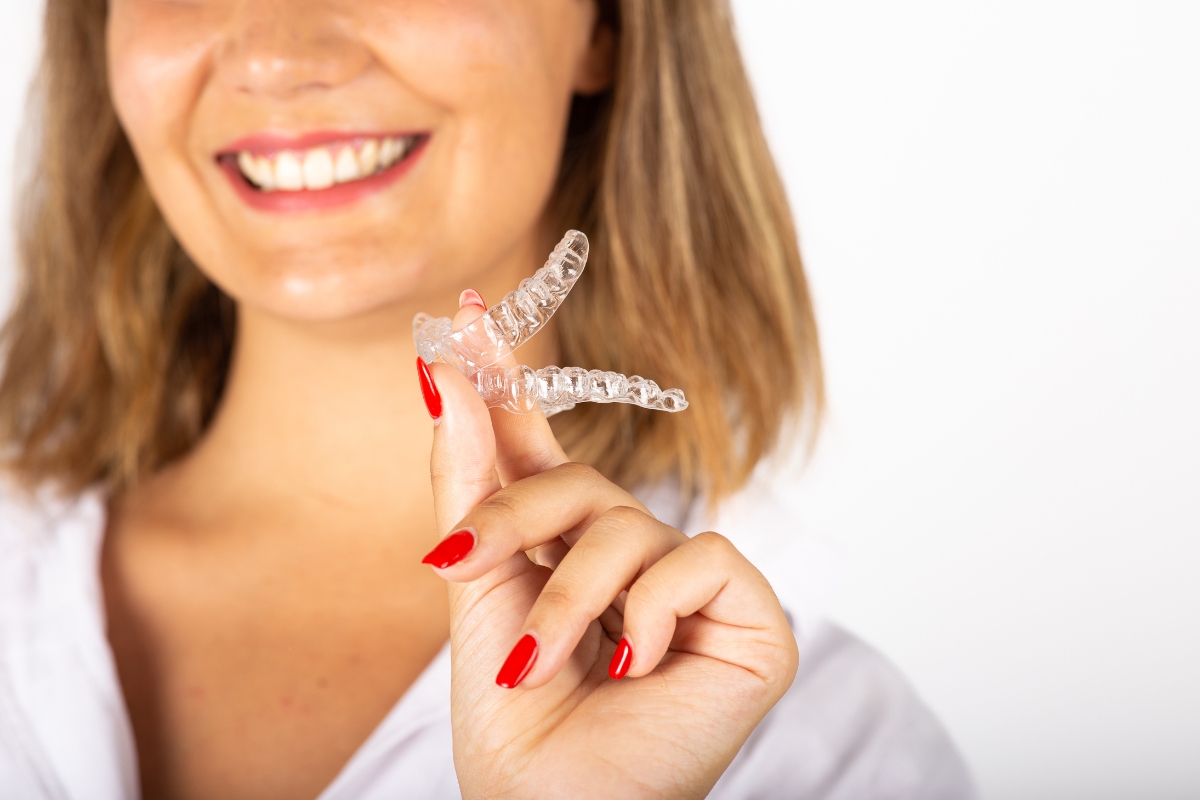
You’ve already invested in your smile with crowns or veneers, and now you’re noticing your teeth have shifted, or you’re dealing with crowding or spacing that’s bothering you. The question comes up a lot in our Phoenix office: can you still get Invisalign in Phoenix if you’ve already had restorative or cosmetic work done? The short answer is yes, in most cases, but it does take a more experienced eye to get it right.
Why Crowns and Veneers Add a Layer of Complexity
Invisalign moves your natural teeth using a series of custom, removable aligners that apply gentle, precise pressure over time. Crowns and veneers, on the other hand, are restorations bonded or fitted over your existing tooth structure. That means an aligner has to grip and move a tooth that isn’t just enamel anymore. It’s covered in porcelain or another restorative material, which behaves a little differently under pressure than a natural tooth surface.
This isn’t a reason to rule out treatment. It’s simply a reason to work with a provider who has real experience managing these cases, rather than a general dentist who only occasionally offers clear aligners.
Why a Diamond Invisalign Provider Matters Here
At Biltmore Cosmetic & Restorative Dentistry, Dr. Brandon Harris holds Diamond+ Invisalign Provider status, a designation earned by only a select group of practices nationwide based on clinical experience and case volume. That experience directly applies to cases involving crowns and veneers. Our team knows how to design attachment points, adjust aligner pressure, and sequence tooth movement in a way that accounts for restorations already in your mouth, rather than treating every tooth as if it were untouched enamel.
If you’ve been told elsewhere that your case was “too complicated” for Invisalign because of previous dental work, it’s worth getting a second opinion. Technology and technique have both come a long way, and Diamond+ Provider status means we’re equipped to take on cases that less experienced practices may pass on.
What Your Consultation Will Look Like
Before recommending Invisalign, we’ll take a close look at your existing restorations and your overall bite. A few things we’re specifically evaluating:
- The condition of your crowns or veneers. Restorations that are older, loose, or already showing wear may need to be addressed before or during your Invisalign treatment.
- How much movement is needed. Minor spacing or crowding around restored teeth is often more straightforward than a significant bite correction.
- Where your restorations are located. Front teeth versus back teeth can change how we plan attachment placement and aligner design.
- Your overall oral health. As with any Invisalign case, healthy gums and teeth are the baseline requirement for candidacy.
From there, we’ll build a treatment plan specifically designed around your existing dental work, not a generic plan that ignores it.
Will My Crowns or Veneers Be Damaged During Treatment?
This is one of the most common concerns we hear, and it’s a fair one. When Invisalign is planned correctly around your restorations, treatment shouldn’t damage well-fitted crowns or veneers. The bigger risk usually comes from restorations that were already compromised before treatment began, which is exactly why a thorough evaluation upfront matters so much. If we notice a restoration that needs attention, we’ll address it as part of your plan, rather than moving forward and hoping for the best.
What If a Tooth with a Veneer Needs to Move Significantly?
In cases where a veneered tooth needs more substantial movement, we may recommend a slightly different approach, such as sequencing that movement carefully or coordinating with any restorative work needed afterward. Every case is different, which is why cookie-cutter treatment plans don’t hold up well here. Our team will walk you through exactly what to expect for your specific smile before any aligners are made.
What About Missing Teeth Alongside Crowns or Veneers?
It’s not unusual for patients with crowns or veneers to also have one or more missing teeth. In many cases, this doesn’t rule out Invisalign either. Depending on your needs, we may recommend restoring the missing tooth as part of your overall treatment plan, working alongside your Invisalign timeline rather than as a separate, disconnected process. During your consultation, we’ll create a personalized approach that accounts for everything going on in your mouth, not just the alignment piece.
The Benefits of Invisalign Still Apply
Even with the added complexity of prior dental work, the core advantages of Invisalign remain the same for our Phoenix patients:
- Virtually invisible aligners that most people won’t notice
- Minimal speech disruption once you adjust
- No food restrictions since aligners are removable
- No special hygiene tools required
- No sharp wires or broken brackets to worry about
- Many patients complete treatment in 12 to 18 months
Real Experience, Real Results
Our patients regularly tell us they wish they’d started sooner, and that includes patients who came to us after being turned away elsewhere because of restorative work. Every treatment plan we build is designed around your actual mouth, your goals, and your timeline, not a simplified version of your case.
Find Out If You’re a Candidate for Invisalign in Phoenix
If you have crowns, veneers, or a mix of restorative and natural teeth and you’re curious whether Invisalign is right for you, the best next step is a consultation with a provider who has the experience to evaluate your case properly. Schedule your consultation online to find out what’s possible for your smile.
Frequently Asked Questions About Invisalign with Crowns or Veneers
Can Invisalign move teeth that have crowns or veneers?
In most cases, yes. It requires careful planning around how the restoration behaves under pressure, which is why working with an experienced provider matters.
Will Invisalign damage my existing crowns or veneers?
When treatment is planned correctly around healthy, well-fitted restorations, it generally shouldn’t cause damage. Restorations that are already compromised should be evaluated and addressed as part of your plan.
Do I need a specialist, or can any dentist treat this kind of case?
You don’t need a specialist, but you do need a provider with real experience in complex Invisalign cases. Diamond Invisalign Provider status reflects that level of clinical experience.
What if I was told my case was too complicated for Invisalign?
It’s worth getting a second opinion. Many cases involving crowns, veneers, or prior orthodontic relapse are treatable with the right experience and treatment planning.
Can I get Invisalign if I also have a missing tooth?
Often, yes. We may recommend restoring the missing tooth as part of your overall treatment plan, coordinated alongside your Invisalign timeline.
How long does Invisalign treatment take for more complex cases?
It varies based on how much movement is needed and where your restorations are located, but many patients still complete treatment within the typical 12 to 18 month range.
What happens during a consultation for this type of case?
We’ll evaluate the condition of your existing restorations, assess how much movement is needed, and review your overall oral health before building a treatment plan specifically designed around your mouth.