5155 N 16th St UNIT A, Phoenix, AZ 85016


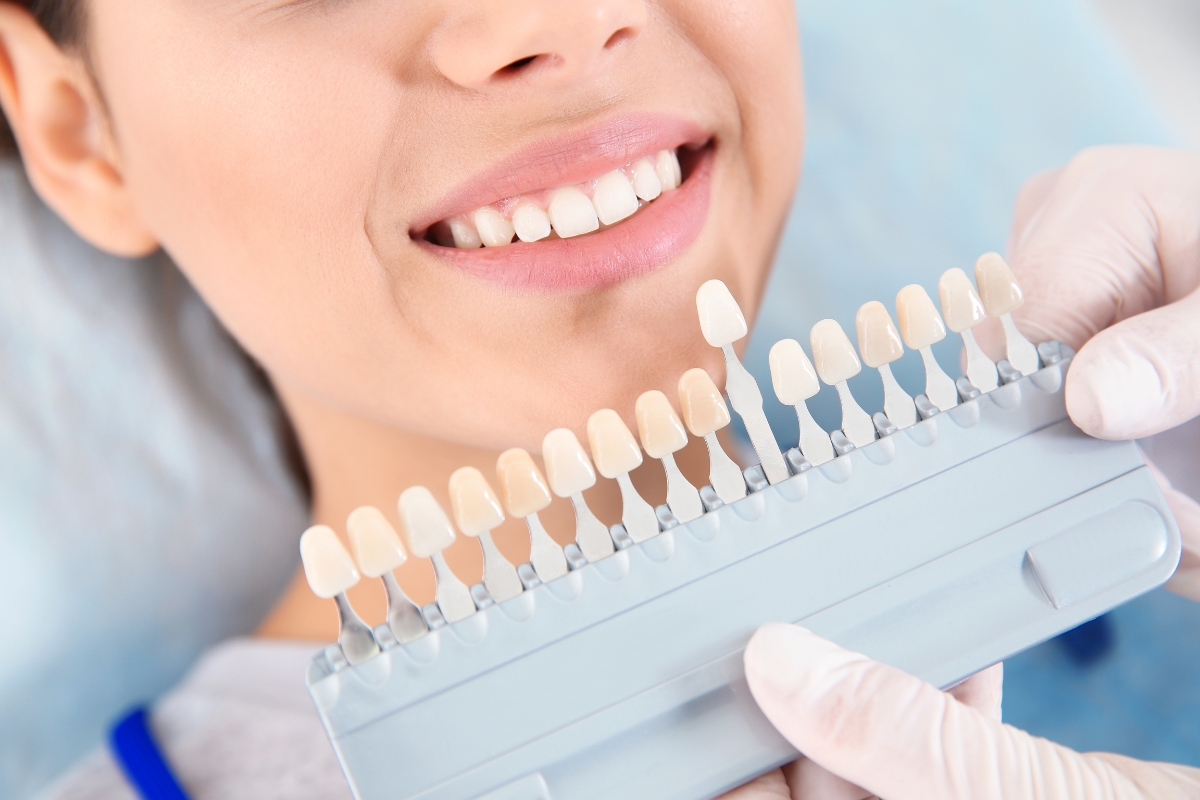
Choosing veneers is an exciting decision, but one detail trips up more patients than any other: shade selection. Go too white, and your smile can look unnatural or even artificial in photos. Go too warm, and the color may not match the brightness you were hoping for. The truth is that the best veneer shade is not simply the whitest one on the chart. It is the shade that complements your skin tone, eye color, and overall features so your new smile looks like it belongs on your face. As a trusted cosmetic dentist in Phoenix, Biltmore Cosmetic and Restorative Dentistry helps patients navigate this decision every day, and this guide breaks down exactly what to consider.
Why Veneer Shade Selection Matters So Much
Veneers are a long-term investment. High-quality porcelain veneers can last ten years or more, which means the shade you choose today is one you will be looking at for a decade or longer. Unlike teeth whitening, which you can adjust or redo over time, veneer shade is far more permanent once the porcelain is bonded in place.
A well-chosen shade does more than brighten your smile. It creates harmony between your teeth, lips, and complexion so the eye reads your whole face as balanced rather than fixating on your teeth alone. This is why an experienced cosmetic dentist will always talk about skin tone and undertone before ever picking up a shade guide.
Understanding Skin Undertones First
Before matching a veneer shade, it helps to know your skin undertone. Undertones generally fall into three categories:
- Cool undertones, which often come with pink, red, or bluish hints in the skin
- Warm undertones, which lean yellow, golden, or peachy
- Neutral undertones, which are a balanced mix of both
A simple way to check is to look at the veins on your wrist in natural light. Bluish or purple veins usually indicate a cool undertone, while greenish veins point to a warm undertone. If you cannot tell, you likely have a neutral undertone.
Choosing a Veneer Shade for Cool Skin Tones
If you have cool undertones, brighter, crisper white shades tend to look the most natural. These shades have less yellow warmth, which complements the pink and blue notes already present in cool complexions. Popular choices in this range include bright white shades that still maintain a touch of natural translucency at the edges, since a flat, opaque white can look unnatural under any skin tone.
Choosing a Veneer Shade for Warm Skin Tones
Warm undertones pair beautifully with veneer shades that carry a slightly creamier or ivory base rather than stark white. These shades echo the golden warmth already present in the skin, creating a cohesive look rather than a stark contrast between your smile and your complexion. Patients with warm undertones often find that a shade one or two steps softer than the brightest option on the chart looks more natural in everyday lighting.
Choosing a Veneer Shade for Neutral Skin Tones
Neutral undertones offer the most flexibility. Most patients in this category can comfortably choose from a wider range of shades, from bright white to soft ivory, depending on personal preference. This is often where lifestyle factors come into play more than skin tone alone, such as how prominent you want your smile to look in photos or on camera.
Other Factors Beyond Skin Tone
Skin tone is an important piece of the puzzle, but our Phoenix cosmetic dentist also considers:
- Eye color, since warmer eye tones often pair well with warmer veneer shades and cooler eye tones with brighter whites
- Hair color, especially for patients with very dark or very light hair, which can shift how a shade appears against the face
- Age, since natural teeth tend to have more warmth and translucency, and overly bright shades can sometimes look less age-appropriate
- Lip color and lifestyle, including how much lipstick or lip color you typically wear, since bold lip colors can make certain shades pop differently
How We Help You Choose at Biltmore Cosmetic and Restorative Dentistry
During your consultation, we do more than hold up a shade guide next to your teeth. Our process includes:
- A full evaluation of your skin tone, undertone, and facial features
- Digital imaging so you can preview how different shades will look on you before any preparation begins
- A conversation about your goals, whether that is a natural enhancement or a noticeably brighter smile
- Final shade confirmation together with you before the veneers are fabricated
This collaborative approach is part of why patients consistently describe our results as natural and camera-ready, not artificial. Explore more about our full range of cosmetic dentistry in Phoenix to see how shade selection fits into your overall smile design.
Ready to Design Your Ideal Smile
Choosing the right veneer shade is one of the most important decisions in your smile makeover, and you do not have to guess. Schedule a consultation with our Phoenix cosmetic dentist, Dr. Brandon Harris, and let our team help you find a shade that complements your natural beauty. Call our dental office or book your appointment online today.
Frequently Asked Questions
Can I choose a shade that is brighter than my natural teeth?
Yes. Most patients choose a shade a few levels brighter than their natural teeth. The key is staying within a range that still looks believable next to your skin tone.
Do veneers look different in photos than in person?
They can. Camera flash and lighting can make certain shades appear more or less bright. We take this into account during your consultation, especially if you are frequently photographed.
What if I do not like my shade once the veneers are placed?
This is exactly why we use digital previews and trial smiles before finalizing your veneers. It allows you to see and approve your shade in advance.
How do I keep my veneer shade looking consistent over time?
Routine brushing, flossing, and checkups every six months help maintain your veneers. Porcelain resists staining far better than natural enamel, but the surrounding teeth should be cared for to keep everything matching.