5155 N 16th St UNIT A, Phoenix, AZ 85016


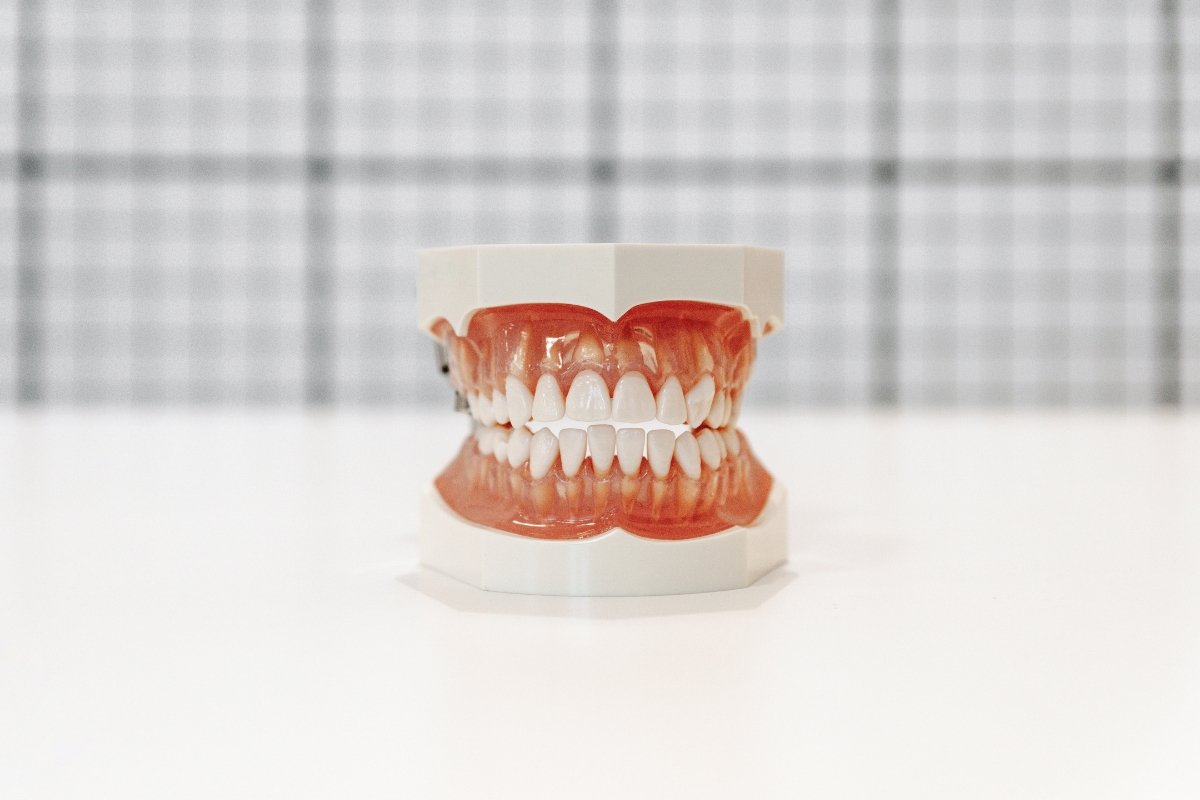
Have your front teeth started looking shorter, or does chewing feel different than it once did? Worn-down teeth can change more than your smile. As enamel disappears, you may develop sensitivity, rough edges, or difficulty biting comfortably. Some changes happen slowly, making them easy to overlook until a tooth chips.
Fortunately, treatment does not always mean covering every affected tooth. The right approach depends on how much structure remains and why the wear developed. At Biltmore Cosmetic & Restorative Dentistry in Phoenix, Dr. Brandon Harris examines tooth condition, bite forces, and smile goals before recommending restorative care. If your teeth look flatter or feel different, visit our Phoenix dental office for an evaluation.
Why Teeth Become Shorter or Flatter
Tooth wear can develop for several reasons, and more than one cause may be involved. Understanding the source matters because replacing lost enamel without addressing ongoing damage can put new dental work at risk.
Grinding and clenching. Teeth grinding, also called bruxism, creates repeated friction and pressure. Over time, the biting edges may flatten, crack, or chip. Morning jaw soreness and headaches sometimes accompany nighttime grinding.
Acid exposure. Frequent acidic drinks, citrus, and acid reflux can gradually dissolve enamel. During Phoenix’s hot months, sipping sports drinks throughout the day may increase acid exposure. The heat itself does not erode teeth.
Aggressive brushing. Heavy pressure or abrasive products may contribute to worn areas near the gumline. A soft-bristled brush and gentle technique help reduce this risk.
Age and bite patterns. Minor changes accumulate naturally, but rapid or uneven wear deserves attention. Misaligned tooth contacts can concentrate pressure on particular surfaces.
Warning Signs That Deserve a Dental Exam
Not everyone notices tooth wear early. Look for teeth that appear shorter, flatter, more translucent, or uneven along their edges. Increased sensitivity to cold foods, new chips, or a rough chewing surface can also indicate enamel loss.
You might notice that your upper and lower teeth meet differently. A change in bite comfort deserves evaluation, especially when accompanied by jaw pain. Persistent toothaches, swelling, or a broken tooth warrant rapid attention rather than cosmetic treatment alone.
When Dental Bonding Makes Sense
Bonding can rebuild a small worn edge without covering the entire tooth. We apply tooth-colored composite resin, shape it to match surrounding teeth, harden it with a curing light, and polish the surface. Little or no removal of healthy enamel is often needed.
For patients exploring dental bonding in Phoenix, this approach may be suitable when front teeth have minor chips, short edges, or modest changes in shape. It can also help restore symmetry when one tooth looks slightly smaller than its neighbor.
Bonding often takes a single appointment. Our practice describes typical treatment times of approximately 30 to 60 minutes per tooth, depending on the repair.
However, composite material can stain, chip, or wear under substantial pressure. Bonding may not be suitable for a severely weakened tooth or uncontrolled grinding. We check how the repaired edge contacts opposing teeth before deciding whether it can withstand daily use.
When a Crown Offers Better Protection
A crown covers the visible portion of a tooth, rather than rebuilding only a small surface area. It can restore tooth shape and chewing function while protecting weakened structure. This makes crowns useful when extensive wear occurs alongside cracks, decay, or large existing fillings.
Someone considering a dental crown in Phoenix may need this treatment if a molar has lost substantial height or a tooth can no longer support a smaller repair. A crown may also protect certain teeth after root canal treatment, depending on their location and remaining structure.
Crowns require preparation of the natural tooth, so they are not automatically the right choice for every worn edge. At our office, treatment generally involves preparing the tooth, taking impressions, and placing a temporary crown. A second appointment allows us to fit the permanent restoration and check your bite.
For widespread wear, we may need to consider several teeth together. Restoring one tooth without reviewing its neighbors can create uneven contacts or leave the original source of damage unresolved.
Other Ways to Treat Worn Teeth
Not every worn tooth needs a full crown. The condition of the enamel, remaining structure, and bite helps us consider other options.
Porcelain veneers: These thin coverings can improve the appearance of front teeth with moderate cosmetic wear. They do not replace the protection needed for a heavily damaged tooth, and active grinding can increase fracture risk.
Onlays: A partial-coverage restoration may rebuild a damaged chewing surface while preserving more tooth structure than a full crown. Suitability depends on the tooth and fracture pattern.
Fluoride and monitoring: Early surface changes may require protection and periodic assessment rather than immediate reconstruction. Desensitizing products can sometimes reduce discomfort, although they cannot regrow lost enamel.
Nightguards and bite care: A properly fitted nightguard may protect teeth during sleep. If tooth position contributes to uneven contact, orthodontic evaluation may also be appropriate.
Medical follow-up: Frequent reflux or vomiting requires attention to the underlying cause. Dental repairs alone will not stop repeated acid exposure.
How We Choose the Right Repair
At our dental office in Phoenix, treatment begins with understanding what caused the wear. Dr. Harris can assess existing fillings, visible cracks, gum health, tooth sensitivity, and how your teeth meet when you bite.
Depending on the findings, an examination may include dental images and a discussion of grinding habits, diet, and reflux symptoms. We consider whether your priority is stopping discomfort, restoring chewing ability, improving appearance, or a combination of these goals.
Our restorative and cosmetic services allow us to discuss smaller repairs alongside more extensive options. Rather than selecting treatment based on appearance alone, we explain why a particular restoration may be appropriate and what ongoing care it requires.
Protecting Your Smile After Treatment
Long-term results depend on managing the forces and habits that caused the original wear. Even a well-fitted restoration may chip if repeated grinding or acid exposure continues.
Brush gently twice daily with fluoride toothpaste, and clean between your teeth every day. Limit frequent acidic drinks and rinse with water afterward. After vomiting or significant acid exposure, avoid brushing immediately; give saliva time to neutralize acids.
If you clench or grind, ask whether a custom nightguard is appropriate. Avoid chewing ice, opening packages with your teeth, or biting other hard objects. Keep regular dental appointments so small changes can be identified before they become larger problems.
Restore Comfort and Confidence in Phoenix
Worn teeth do not always need extensive dental work, but they do deserve a careful assessment. If you are searching for a cosmetic dentist in Phoenix, our team can help you understand whether a conservative repair or stronger restoration fits your needs.
Visit our dental office in Phoenix at 5155 N 16th Street, Unit A, to discuss your concerns with Dr. Brandon Harris. Schedule a consultation as well as take the next step toward more comfortable chewing and a natural-looking smile.
Frequently Asked Questions About Worn Teeth
Can worn-down teeth grow back naturally?
Lost enamel cannot grow back once it has worn away. However, fluoride may strengthen remaining enamel, while bonding or crowns can rebuild damaged areas. A dental examination helps determine which changes need restoration right now.
Is bonding strong enough for worn front teeth?
Bonding can work well for small areas of front tooth wear when bite forces are manageable. Significant grinding, large chips, or weakened enamel may call for a different restoration after a dentist checks your bite.
How long will bonding last on worn teeth?
Bonding can last several years, although results depend on tooth position, grinding habits, and daily care. Regular visits help identify rough edges or chips early, making timely repairs possible before more serious damage develops later.
Does getting a crown hurt afterward?
Local anesthetic helps keep crown preparation comfortable. Mild gum tenderness or temporary sensitivity can occur afterward. Persistent pain, swelling, or a bite that feels too high should be checked by your dentist without unnecessary delay.
Are veneers better than crowns for wear?
Veneers mainly improve the visible fronts of teeth, while crowns cover more tooth structure for protection. Neither suits everyone. The amount of damage, grinding habits, and overall bite determine which option makes more clinical sense.
Can teeth grinding damage new restorations?
Yes. Ongoing clenching and grinding can chip bonding, fracture porcelain, or strain teeth supporting crowns. A custom nightguard may reduce damage, but your dentist should also evaluate symptoms and possible contributing factors during routine follow-up.
When should I see a dentist about tooth wear?
Arrange an examination when teeth appear shorter, feel sensitive, develop chips, or meet differently when biting. Sudden pain, swelling, or a fractured tooth needs quicker attention because the problem may extend beyond cosmetic wear alone.