5155 N 16th St UNIT A, Phoenix, AZ 85016


Am I Too Old for Dental Implants?
Dental implants have revolutionized the field of dentistry, offering a long-lasting solution for missing teeth. However, many individuals wonder if there is an age limit for getting dental implants. Whether you’re in your 50s, 60s, or beyond, you might be asking yourself, “Am I too old for dental implants?” Let’s explore the factors that influence the suitability of dental implants for older adults and address some common concerns.
Understanding Dental Implants
Dental implants are a popular and effective way to replace missing teeth. They are designed to blend in with your natural teeth and are an excellent long-term option for restoring your smile. Dental implants are made up of titanium posts that are surgically placed into the jawbone, serving as a sturdy foundation for replacement teeth.
What Are Dental Implants?
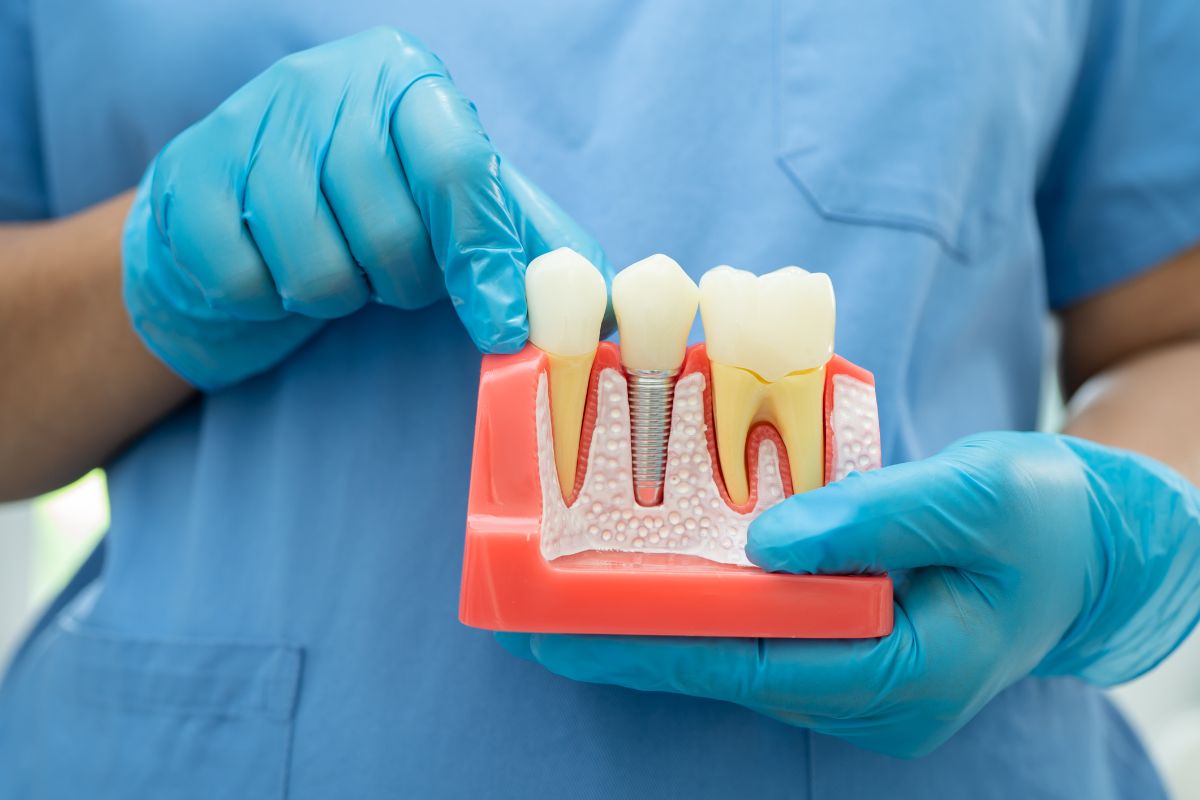
Dental implants consist of three main components:
- Implant Post: A titanium screw that is surgically inserted into the jawbone.
- Abutment: A connector that supports and secures the crown.
- Crown: The visible part of the tooth that is custom-made to match your natural teeth.
How Do Dental Implants Work?
The process of getting dental implants typically involves several stages:
- Consultation and Evaluation: Your dentist will assess your oral health and determine if you are a suitable candidate for dental implants.
- Surgical Placement: The implant post is surgically inserted into the jawbone.
- Osseointegration: The jawbone grows around the implant, securing it in place.
- Abutment Placement: The abutment is attached to the implant post.
- Crown Placement: The custom-made crown is attached to the abutment, completing the restoration.
Benefits of Dental Implants
Dental implants offer several advantages over other tooth replacement options:
- Durability: Dental implants can last a lifetime with proper care.
- Functionality: They function like natural teeth, allowing you to eat, speak, and smile with confidence.
- Bone Health: Implants stimulate the jawbone, preventing bone loss and maintaining facial structure.
- Aesthetics: They look and feel like natural teeth, enhancing your overall appearance.
Factors Influencing Suitability for Dental Implants
While age alone is not a limiting factor for dental implants, several considerations can impact their success.
Overall Health
Your overall health plays a crucial role in the success of dental implants. Conditions such as uncontrolled diabetes, heart disease, or osteoporosis can affect the healing process and increase the risk of complications. It is essential to discuss your medical history with your dentist to determine if you are a suitable candidate for dental implants.
Bone Density
Adequate bone density is essential for the successful placement of dental implants. As we age, bone density can decrease, potentially affecting the stability of the implant. However, advancements in dental technology, such as bone grafting, can help build up the bone and create a stable foundation for the implants.
Oral Health
Maintaining good oral hygiene is critical for the longevity of dental implants. Gum disease and other oral health issues can compromise the success of the implants. Regular dental check-ups and cleanings are essential to ensure the health of your gums and surrounding tissues.
Medications
Certain medications can impact the healing process and the success of dental implants. Medications that affect bone metabolism, such as bisphosphonates, may require special considerations. It is important to provide your dentist with a complete list of medications you are taking to assess any potential risks.
Common Concerns About Dental Implants for Older Adults
Many older adults have concerns about getting dental implants. Here are some common questions and answers to help you make an informed decision.
Is Age a Limiting Factor?
No, age is not a limiting factor for dental implants. Many older adults successfully receive dental implants and enjoy the benefits of a restored smile. The determining factors are your overall health, bone density, and oral health, rather than your age.
Can Bone Density Be Improved?
Yes, bone density can be improved through various techniques such as bone grafting. Bone grafting involves adding bone material to the jaw to create a solid foundation for the implants. Your dentist will assess your bone density and determine if bone grafting is necessary.
How Long Is the Recovery Process?
The recovery process for dental implants varies from person to person. Typically, it takes a few months for the implant to integrate with the jawbone. During this time, it is essential to follow your dentist’s post-operative care instructions and attend follow-up appointments to ensure proper healing.
Are Dental Implants Painful?
Most patients report minimal discomfort during the dental implant procedure. Local anesthesia is used to numb the area, and any post-operative pain can be managed with over-the-counter pain medications. Your dentist will provide you with detailed instructions on managing any discomfort.
What Is the Success Rate of Dental Implants?
Dental implants have a high success rate, with studies showing success rates of up to 98%. Factors such as good oral hygiene, regular dental check-ups, and overall health contribute to the success and longevity of dental implants.
How Do I Care for Dental Implants?
Caring for dental implants is similar to caring for natural teeth. Brush and floss regularly, and attend regular dental check-ups and cleanings. Avoid smoking and limit the consumption of sugary and acidic foods and beverages to maintain the health of your implants and surrounding tissues.
What Are the Alternatives to Dental Implants?
If dental implants are not a suitable option for you, there are alternative tooth replacement options available, such as dentures and dental bridges. Your dentist can help you explore the best option for your specific needs and circumstances.
How Do I Get Started with Dental Implants?
To get started with dental implants, schedule a consultation with a dentist. They will conduct a thorough evaluation, discuss your treatment options, and create a personalized plan to restore your smile.
In conclusion, age should not deter you from considering dental implants. With proper evaluation and care, older adults can successfully receive dental implants and enjoy the benefits of a restored smile. If you are considering dental implants in Phoenix, consult with a qualified dentist to determine your suitability and take the first step towards a healthier, more confident smile. Dental implants offer a reliable and long-lasting solution for missing teeth, helping you regain your quality of life and oral health.
Related Articles
By Biltmore Cosmetic & Restorative Dentistry

By Biltmore Cosmetic & Restorative Dentistry