5155 N 16th St UNIT A, Phoenix, AZ 85016


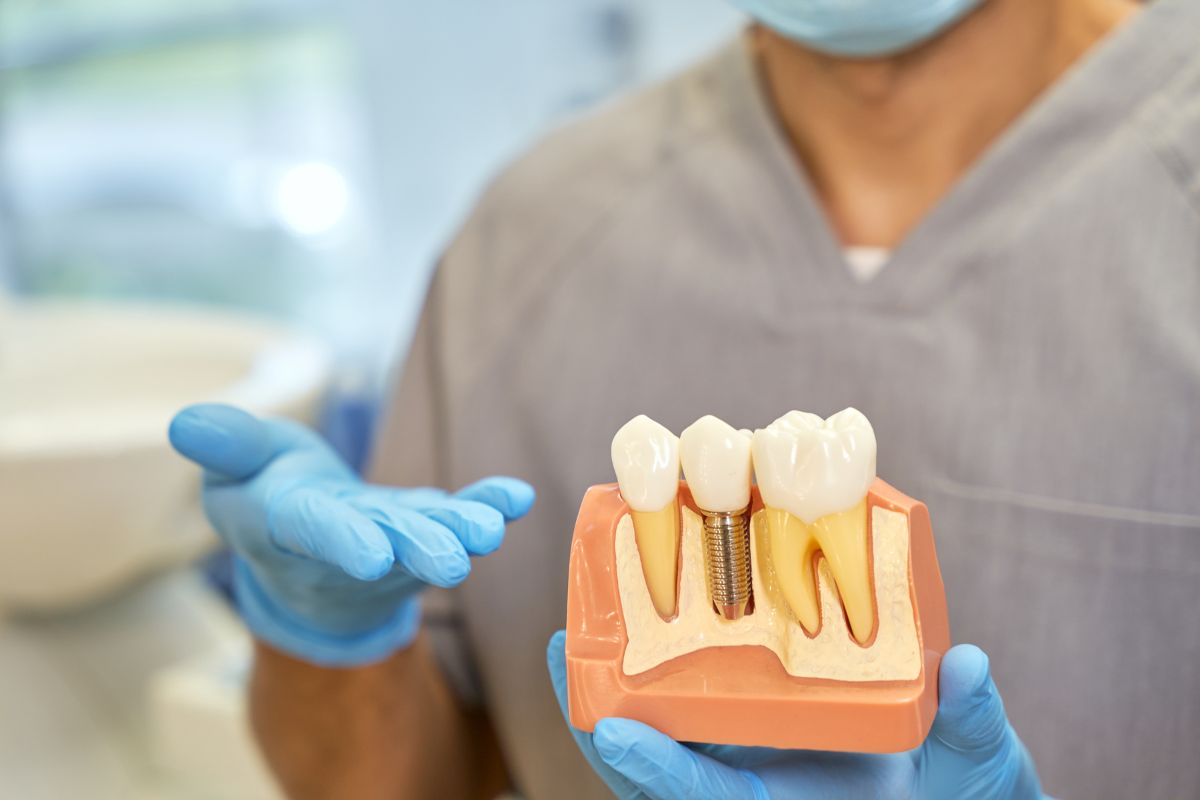
Dental implants are becoming an increasingly popular option for those looking to replace missing teeth. They offer a long-lasting solution that mimics the look and function of natural teeth. In this blog, we will address some of the most frequently asked questions about dental implants to help you understand what to expect from this transformative dental procedure.
What Are Dental Implants?
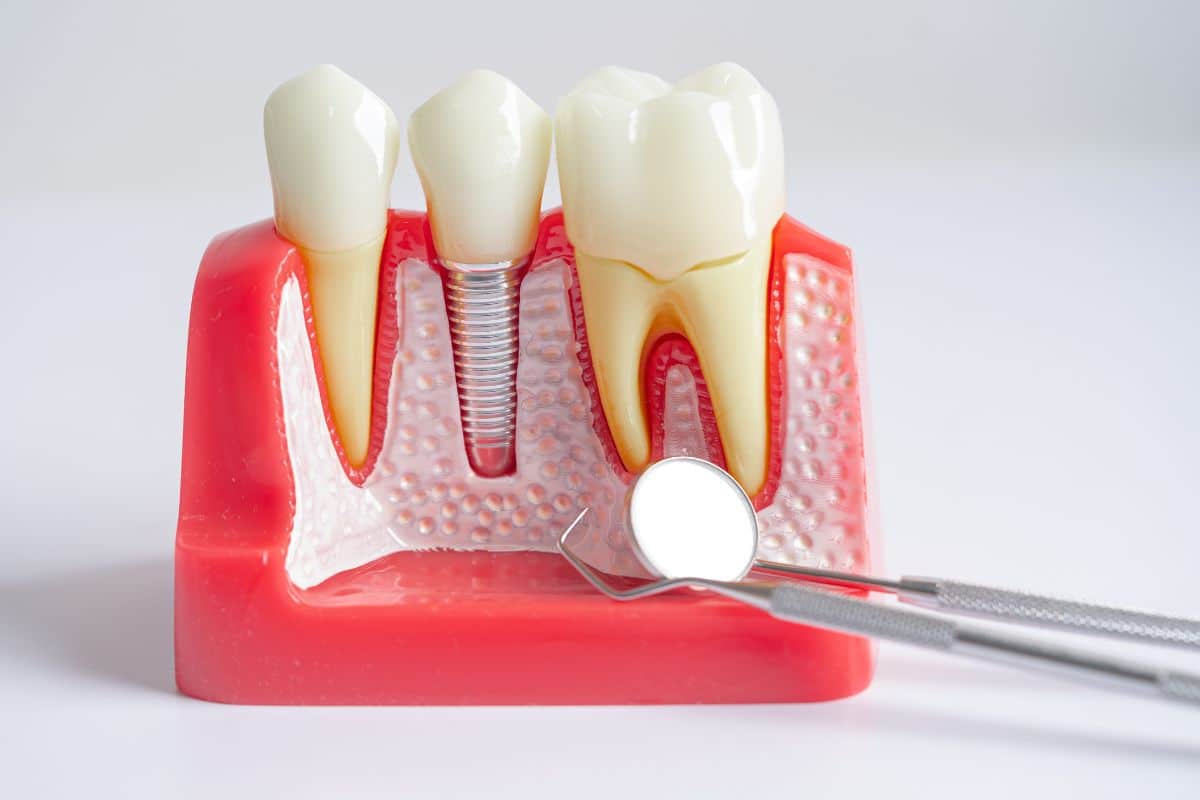
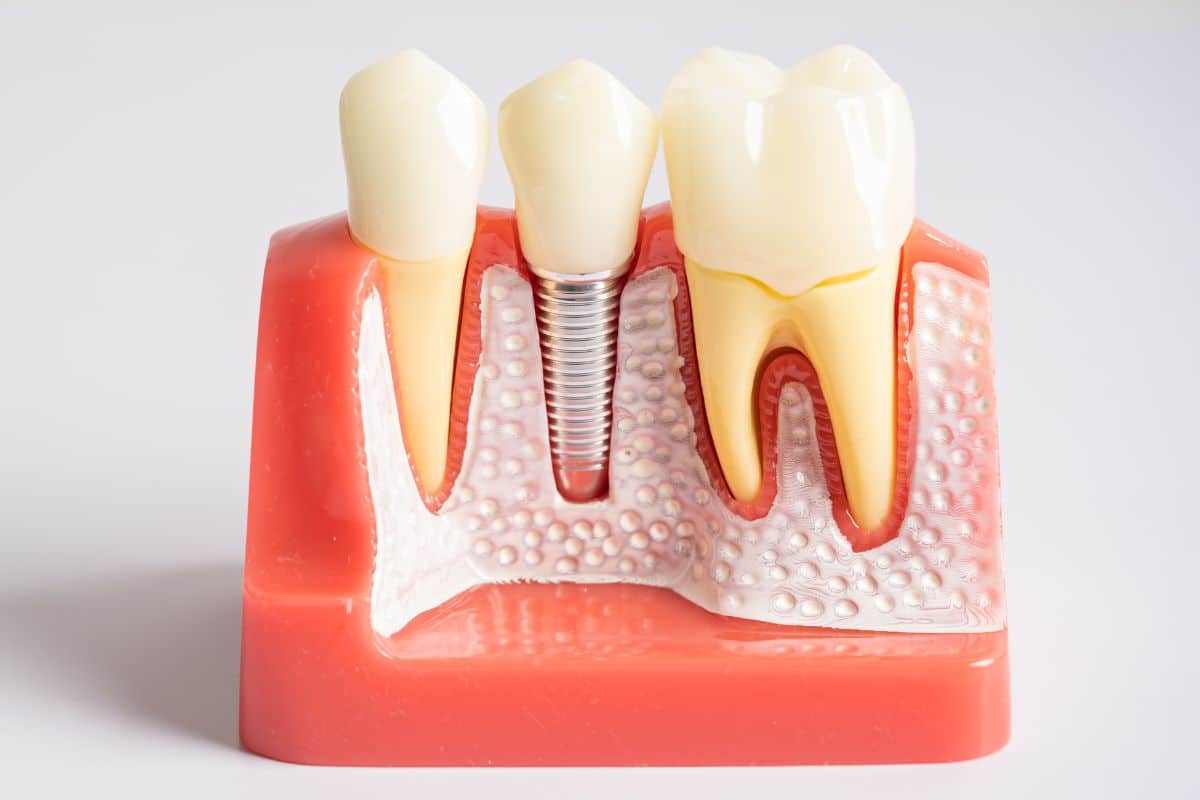
Dental implants are artificial tooth roots, typically made of titanium, that provide a strong foundation for fixed or removable replacement teeth. These implants fuse with your jawbone over time, creating a sturdy base that feels and functions like natural teeth.
How Do Dental Implants Work?
Dental implants work by integrating with your jawbone in a process called osseointegration. This means that the titanium implant gradually bonds with the bone, ensuring stability and support for the artificial teeth. The implant acts as an anchor, holding the replacement tooth or bridge securely in place.
What Are the Benefits of Dental Implants?
There are numerous benefits to choosing dental implants over other tooth replacement options. These include improved appearance, enhanced speech, better comfort, easier eating, improved self-esteem, and better oral health. Additionally, dental implants are durable and can last a lifetime with proper care.
Who Is a Good Candidate for Dental Implants?
Most people who are healthy enough to undergo routine dental procedures are considered good candidates for dental implants. Ideal candidates have healthy gums and enough bone to hold the implant. They must also commit to good oral hygiene and regular dental visits. However, heavy smokers, people with uncontrolled chronic disorders such as diabetes or heart disease, or patients who have had radiation therapy to the head/neck area need to be evaluated on an individual basis.
What Is the Success Rate of Dental Implants?
The success rate of dental implants can vary depending on where in the jaw the implants are placed. Generally, dental implants have a success rate of up to 98%. With proper care, implants can last a lifetime, making them a reliable option for tooth replacement.
Are Dental Implants Safe?
Yes, dental implants are considered safe. They have been used for many years and have a high success rate. The materials used, such as titanium, are biocompatible and accepted well by the body. Additionally, the procedure is performed by trained dental professionals, ensuring that it is done safely and effectively.
How Painful Are Dental Implants?
Most patients report that dental implants cause only minor discomfort. Local anesthesia is used during the procedure, so there is minimal pain during the surgery. After the procedure, slight discomfort may be experienced, but it is generally less than that of a tooth extraction. Over-the-counter pain medications can help manage any post-surgery pain.
How Long Do Dental Implants Last?
With proper care and maintenance, dental implants can last a lifetime. The crown or bridge attached to the implant may need to be replaced after 10-15 years due to normal wear and tear, but the implant itself is designed to be a permanent solution.
How Do I Care for My Dental Implants?
Caring for dental implants is similar to caring for natural teeth. This includes brushing twice a day, flossing daily, using an antibacterial mouthwash, and visiting your dentist regularly. Good oral hygiene practices are essential to ensure the longevity of your dental implants.
Understanding the Dental Implant Process
Knowing what to expect during the dental implant process can help ease any anxiety you may have about the procedure. Here is a detailed breakdown of the steps involved.
Initial Consultation
The first step in the dental implant process is an initial consultation with your dentist. During this visit, your dentist will assess your oral health, take X-rays, and discuss your treatment options. This is the perfect time to ask any questions you may have about dental implants in Phoenix.
Treatment Planning
Based on your initial consultation, your dentist will develop a customized treatment plan. This plan outlines the steps involved, the timeline, and any necessary preliminary treatments, such as bone grafts or extractions, to prepare your mouth for the implants.
Implant Placement
The next step is the placement of the dental implant. This is a surgical procedure where the implant is inserted into the jawbone. Your dentist will use local anesthesia to numb the area, ensuring you are comfortable during the procedure.
Osseointegration
After the implant is placed, a process called osseointegration begins. This is where the implant fuses with the jawbone, creating a strong and stable foundation for the replacement tooth. This process can take several months, during which time you will have temporary crowns to maintain the appearance and function of your teeth.
Abutment Placement
Once osseointegration is complete, an abutment is placed on the implant. The abutment is a connector that holds the replacement tooth or bridge. This is a minor procedure that usually requires local anesthesia.
Crown Placement
The final step in the dental implant process is placing the crown. The crown is the visible part of the implant and is custom-made to match the color, shape, and size of your natural teeth. Your dentist will attach the crown to the abutment, completing the dental implant process.
Frequently Asked Questions About Dental Implants in Phoenix
Living in Phoenix and considering dental implants? Here are some frequently asked questions specific to getting dental implants in Phoenix.
How Much Do Dental Implants Cost in Phoenix?
The cost of dental implants in Phoenix can vary depending on several factors, including the number of implants needed, the complexity of the procedure, and whether additional treatments like bone grafts are required. On average, you can expect to pay between $3,000 and $5,000 per implant.
Are There Financing Options for Dental Implants in Phoenix?
Many dental offices in Phoenix offer financing options to help make dental implants more affordable. This can include payment plans, dental loans, and working with insurance providers to cover a portion of the cost. Be sure to discuss your financing options with your dentist during your initial consultation.
How Do I Find a Qualified Implant Dentist in Phoenix?
Finding a qualified dentist in Phoenix involves researching and selecting a dentist with experience and positive patient reviews. Look for dentists who are board-certified and have specialized training in implant dentistry. Personal recommendations from friends and family can also be helpful.
What Should I Expect During Recovery?
Recovery from dental implant surgery typically involves some swelling, bruising, and minor discomfort. Most patients can return to normal activities within a few days. It’s essential to follow your dentist’s post-operative care instructions to ensure proper healing and avoid complications.
Can I Get Dental Implants if I Have Bone Loss?
Yes, even if you have experienced bone loss, you may still be a candidate for dental implants. Bone grafting procedures can help regenerate bone, providing a stable foundation for the implants. Your dentist will evaluate your bone density and determine the best course of action.
What Are the Risks Associated with Dental Implants?
While dental implants are generally safe, some risks include infection, injury to surrounding teeth or blood vessels, nerve damage, and sinus problems. However, these risks are rare, and choosing a qualified and experienced dentist can help minimize them.
How Long Is the Entire Dental Implant Process?
The dental implant process can take several months to complete. This includes the initial consultation, any preliminary treatments, implant placement, osseointegration, and final crown placement. Your dentist will provide a detailed timeline based on your specific needs.
What Are the Alternatives to Dental Implants?
If dental implants are not an option for you, there are alternative treatments to consider, such as bridges and dentures. Bridges are used to replace one or more missing teeth by anchoring them to adjacent teeth, while dentures are removable replacements for missing teeth. Your dentist can help you decide which option is best for your situation.
Dental implants in Phoenix offer a reliable and long-lasting solution for missing teeth. By understanding the process and having your questions answered, you can make an informed decision about whether dental implants are right for you. If you have more questions or are ready to start your journey toward a healthier smile, contact your local dentist today.