5155 N 16th St UNIT A, Phoenix, AZ 85016



Dental implants in Phoenix have become a popular solution for those seeking to restore their smiles and improve their oral health. However, one common question that arises among individuals considering dental implants is: How long does the dental implant procedure take? Understanding the timeline of the dental implant process can help patients prepare for what to expect and make informed decisions about their oral health care journey.
Understanding Dental Implants
Before delving into the duration of the dental implant procedure, it’s essential to grasp what dental implants entail. Dental implants are titanium posts surgically inserted into the jawbone to replace missing teeth roots. These posts serve as sturdy foundations for artificial teeth, such as crowns or bridges, providing a natural-looking and durable solution for tooth replacement.
Initial Consultation and Treatment Planning
The journey towards dental implants typically begins with an initial consultation with a dental professional experienced in implant dentistry. During this appointment, the dentist evaluates the patient’s oral health, including the condition of the jawbone and surrounding tissues. They may also take dental X-rays or 3D scans to assess bone density and determine the most suitable treatment plan.
The treatment planning phase is crucial for ensuring the success of the dental implant procedure. Factors such as the number of missing teeth, the condition of the jawbone, and any existing oral health issues are taken into account to develop a personalized treatment strategy tailored to the patient’s needs.
Surgical Placement of Implants
Once the treatment plan is finalized, the next step is the surgical placement of the dental implants. This procedure is typically performed under local anesthesia to ensure patient comfort. The dentist makes an incision in the gum tissue to expose the jawbone and then carefully drills small holes where the implants will be inserted.
The number of implants placed and the complexity of the procedure can influence the duration of the surgery. In most cases, the surgical placement of dental implants can be completed within a few hours. However, patients should plan to spend additional time at the dental office for pre-operative preparations and post-operative care instructions.
Healing and Osseointegration
After the dental implants are placed, a period of healing is necessary for the implants to integrate with the surrounding bone tissue—a process known as osseointegration. This typically takes several months and is essential for ensuring the stability and longevity of the implants.
During the healing period, patients are advised to follow their dentist’s instructions for proper oral hygiene and dietary restrictions to promote optimal healing. Regular follow-up appointments may also be scheduled to monitor the progress of osseointegration and ensure that the implants are integrating successfully with the jawbone.
Placement of Abutments and Restorations
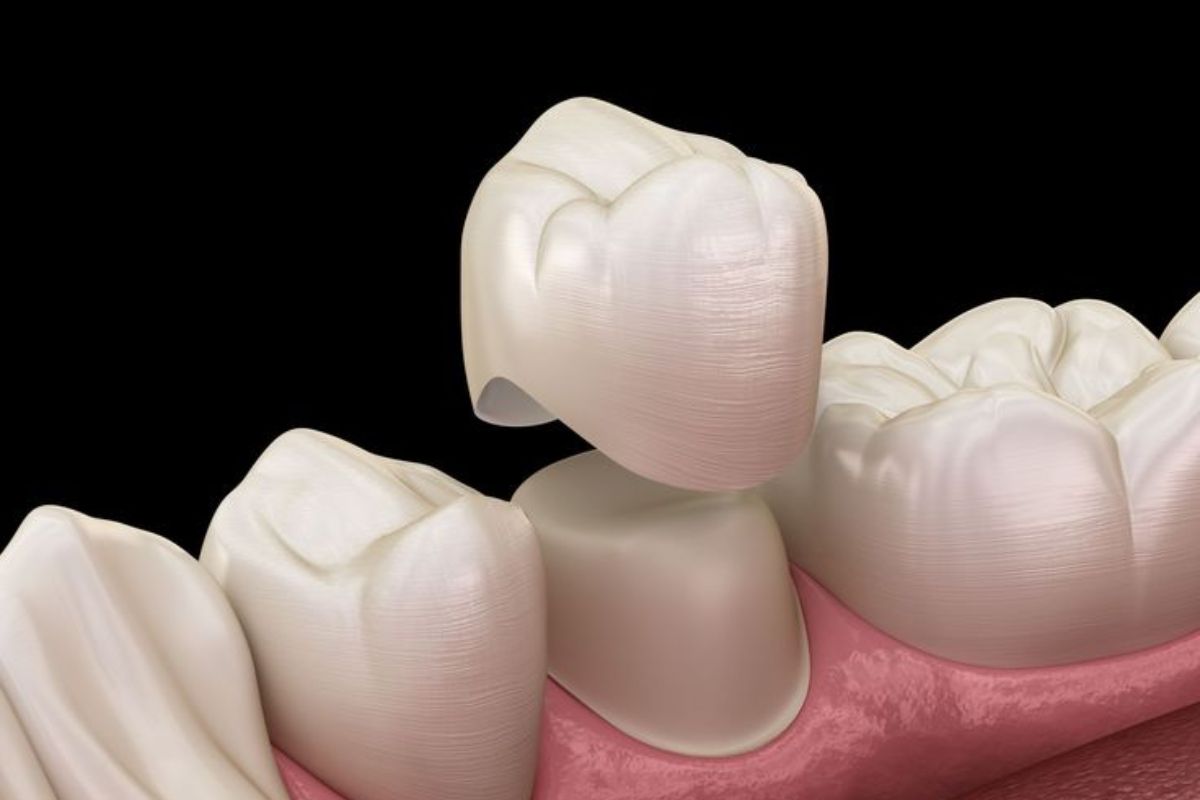
Once osseointegration is complete, the next phase of the dental implant process involves the placement of abutments and restorations. Abutments are small connectors that attach to the top of the implants and provide support for the artificial teeth.
The placement of abutments is a relatively straightforward procedure that can often be completed in a single dental visit. After the abutments are placed, impressions of the patient’s teeth are taken to fabricate custom-made dental restorations, such as crowns or bridges, that will be attached to the abutments.
Finalizing the Treatment
The final step in the dental implant process is the attachment of the permanent dental restorations to the abutments. Once the restorations are securely in place, patients can enjoy the benefits of their new smiles, including improved aesthetics, functionality, and confidence.
Throughout the entire dental implant journey, patients can expect their dentist to provide guidance, support, and personalized care to ensure a successful outcome. By following their dentist’s recommendations for oral hygiene and attending regular check-ups, patients can maintain the health and longevity of their dental implants for years to come.
In conclusion, the duration of the dental implant procedure can vary depending on various factors, including the number of implants placed, the patient’s oral health, and the complexity of the case. From the initial consultation to the final placement of dental restorations, the dental implant process requires careful planning, skilled execution, and patience.
For individuals considering dental implants in Phoenix, understanding the timeline of the dental implant procedure can help alleviate any concerns and make the decision-making process smoother. By partnering with a trusted and experienced dental professional, patients can achieve a healthy, beautiful smile that lasts a lifetime.