5155 N 16th St UNIT A, Phoenix, AZ 85016


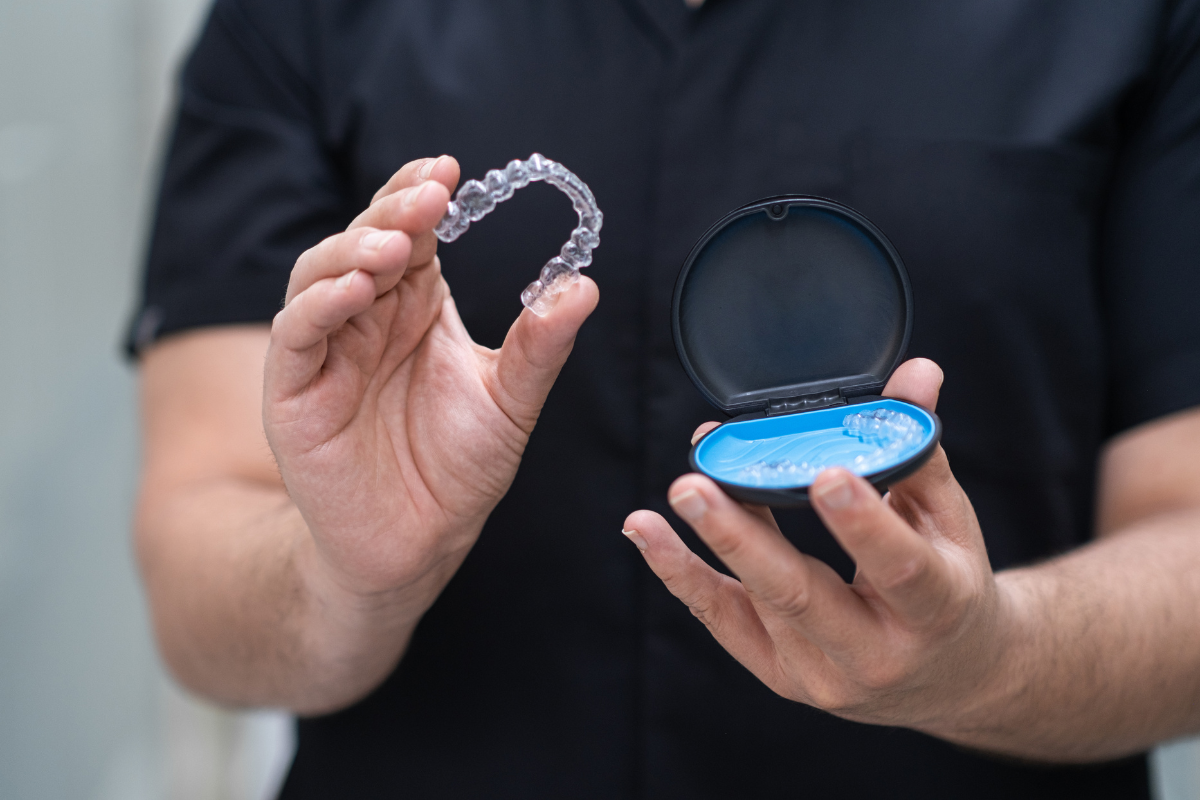
You have been wearing your Invisalign aligners consistently, but something feels different. Perhaps a small gap has appeared between your teeth and the tray, or your newest aligner refuses to fit properly. These changes can leave you wondering whether your teeth are moving as planned.
Invisalign tracking problems occur when your teeth do not follow the movements programmed into your aligners. Although minor fit changes can happen during treatment, persistent gaps or poorly fitting trays deserve attention.
If you are undergoing Invisalign in Phoenix, recognizing these warning signs early can help prevent avoidable treatment interruptions. Understanding what causes tracking problems and when to contact your dentist is an important part of maintaining steady progress.
What Does It Mean When Invisalign Is Not Tracking?
Invisalign tracking describes how closely your teeth follow their planned movements as you progress through each aligner.
Every tray is designed to guide specific teeth toward predetermined positions. As your teeth move, the aligner should gradually fit more closely against their surfaces.
When a tooth moves more slowly than expected, the aligner may no longer match its position. This creates a tracking discrepancy.
A small space when inserting a new tray does not automatically indicate a problem. However, gaps that persist or increase can suggest that certain teeth are falling behind the treatment plan.
Tracking problems do not necessarily mean Invisalign has failed. Your dentist may be able to identify the cause and recommend adjustments before the discrepancy becomes more significant.
How Can You Tell If Your Invisalign Is Not Tracking Properly?
Poor tracking is not always painful. In many cases, the first warning signs involve changes in how your aligners fit.
Watch for these symptoms:
- Visible gaps: Spaces remain between the aligner and the biting edges of certain teeth.
- Loose sections: One part of the tray does not sit securely against your teeth.
- Uneven fitting: The aligner fits some teeth correctly but appears raised around others.
- Persistent difficulty seating trays: A new aligner will not settle into place despite following your dentist’s instructions.
- Attachment problems: An aligner no longer engages properly with an attachment, or an attachment has detached.
- Unexpected bite changes: Your teeth meet differently, especially if the change persists or causes discomfort.
A slight gap with a newly inserted tray may resolve as the teeth move. If the space remains after several days or becomes larger, contact your Invisalign provider.
Why Do Invisalign Aligners Stop Tracking?
Several factors can interfere with planned tooth movement. Identifying the underlying reason helps determine the appropriate correction.
Not Wearing Aligners for the Recommended Hours
Invisalign generally requires approximately 20 to 22 hours of daily wear, with your dentist specifying your schedule.
Removing aligners frequently or leaving them out for extended periods can interrupt the continuous pressure needed for tooth movement.
Even when patients follow their tray-change schedule, insufficient wear time may prevent their teeth from reaching the intended positions.
Switching to New Trays Too Early
Each aligner must complete its assigned movements before the next tray is introduced.
Changing trays earlier than prescribed can create a mismatch between the aligner and your actual tooth positions.
Always follow your dentist’s instructions rather than advancing through trays based solely on the calendar.
Certain Teeth Are Moving More Slowly
Not every tooth responds to orthodontic forces at the same rate.
Rotated teeth, crowded teeth, and teeth requiring more complex movements may be particularly challenging to reposition.
Individual differences in tooth anatomy, supporting bone, and treatment complexity can also influence movement.
Missing or Damaged Invisalign Attachments
Attachments are small, tooth-colored shapes bonded to selected teeth. They help aligners apply forces needed for specific movements.
If an attachment breaks or comes off, the aligner may lose some of its intended control over that tooth.
Contact your dentist if you notice a missing attachment rather than attempting to replace it yourself.
Improperly Seated or Damaged Aligners
An aligner that has not been fully seated may appear to have a tracking problem.
Damaged or warped trays can also affect fit. Exposure to hot water or excessive heat may distort the plastic.
Patients receiving Invisalign® Treatment in Phoenix should follow their provider’s instructions for inserting, removing, and maintaining their aligners.
What Should You Do When Invisalign Is Not Tracking?
If your trays appear misaligned, avoid making treatment changes without professional guidance.
Take these steps:
- Check your aligner placement. Confirm that the tray is positioned correctly and gently seated according to your dentist’s instructions.
- Review your wear routine. Consider whether extended breaks or missed wear time may have affected your progress.
- Inspect your attachments. Look for attachments that appear missing or damaged.
- Avoid forcing the next tray. Do not advance to another aligner to compensate for a poor fit.
- Contact your Invisalign dentist. Explain which tray you are wearing, where the gap appears, and when you first noticed it.
Your dentist may recommend continuing your current tray temporarily, using an aligner seating aid, or attending an appointment for further evaluation. Follow individualized instructions rather than attempting to correct the problem yourself.
How Can a Dentist Correct Invisalign Tracking Problems?
Treatment adjustments depend on the severity and cause of the tracking discrepancy.
Your dentist may recommend:
- Additional wear time: Keeping your current aligner longer to allow more movement.
- Attachment replacement: Restoring missing attachments that help guide tooth movement.
- Aligner refinements: Taking updated digital scans and ordering additional trays to correct remaining discrepancies.
- Treatment plan modifications: Revising planned movements when teeth respond differently than anticipated.
At Biltmore Cosmetic & Restorative Dentistry in Phoenix, Dr. Brandon Harris uses digital scanning and progress assessments to evaluate Invisalign treatment. The appropriate correction depends on your current tooth positions and clinical findings.
How Can You Prevent Invisalign Tracking Problems?
Consistent habits can reduce the likelihood of preventable tracking issues.
Wear your aligners for the prescribed hours, follow your tray-change schedule, and attend recommended appointments. Remove aligners before eating and drinking anything other than water.
Consistent daily habits can reduce the risk of preventable tracking problems. Following your prescribed wear schedule, maintaining proper aligner hygiene, and attending regular dental appointments are among the 7 Daily Habits for Faster Invisalign Results from a Diamond+ Provider in Phoenix that can help support steady tooth movement throughout treatment.
Can You Transfer Invisalign Treatment If Your Trays Are Not Tracking?
Yes. Patients experiencing tracking problems may be able to continue treatment with another Invisalign provider after a clinical assessment.
Transfer Your Invisalign® to us to discuss continuing treatment with Dr. Harris. The process includes reviewing existing records, assessing aligner progress, and determining whether treatment modifications are necessary.
Patients seeking Invisalign in Phoenix can also request an evaluation if they have recently relocated or are considering changing providers.
Frequently Asked Questions
Is It Normal to Have Small Gaps in Invisalign Trays?
Small gaps can appear when you first insert a new aligner. However, persistent spaces, especially around individual teeth, may indicate tracking problems requiring professional evaluation.
Can Invisalign Tracking Problems Fix Themselves?
Minor seating gaps may improve as teeth move into position. Persistent tracking discrepancies may require additional wear time, attachment adjustments, or refinements prescribed by your dentist.
Should I Move to My Next Invisalign Tray If the Current One Does Not Fit?
No. Advancing prematurely may worsen the mismatch between your teeth and aligners. Contact your dentist before changing trays.
Can a Dentist Help If My Invisalign Is Not Tracking?
Yes. At Biltmore Cosmetic & Restorative Dentistry, Dr. Brandon Harris can evaluate your aligner fit, review treatment progress, and recommend appropriate next steps.
How Often Should Invisalign Patients Schedule Checkups?
At our practice, Invisalign checkups are commonly scheduled every four to six weeks, depending on individual treatment needs.
Can I Continue Invisalign® Treatment After Changing Dentists?
Yes, depending on your case. We help patients explore continuing their existing treatment with Dr. Harris after reviewing their records and current tooth alignment.
Where Can I Get My Invisalign Tracking Checked Near Biltmore, Phoenix?
Biltmore Cosmetic & Restorative Dentistry provides Invisalign evaluations at 5155 N 16th Street, Unit A, Phoenix, AZ 85016. Contact our office to arrange an appointment.
Get Your Invisalign Treatment Back on Track
Poorly fitting aligners should not be ignored. Identifying tracking problems early can help prevent unnecessary interruptions and support more predictable tooth movement.
At Biltmore Cosmetic & Restorative Dentistry in Phoenix, Dr. Brandon Harris and our dental team provide personalized assessments for patients undergoing Invisalign® Treatment. Whether your trays are not fitting correctly or you need to continue treatment with a new provider, we can evaluate your situation and discuss the next steps.