5155 N 16th St UNIT A, Phoenix, AZ 85016


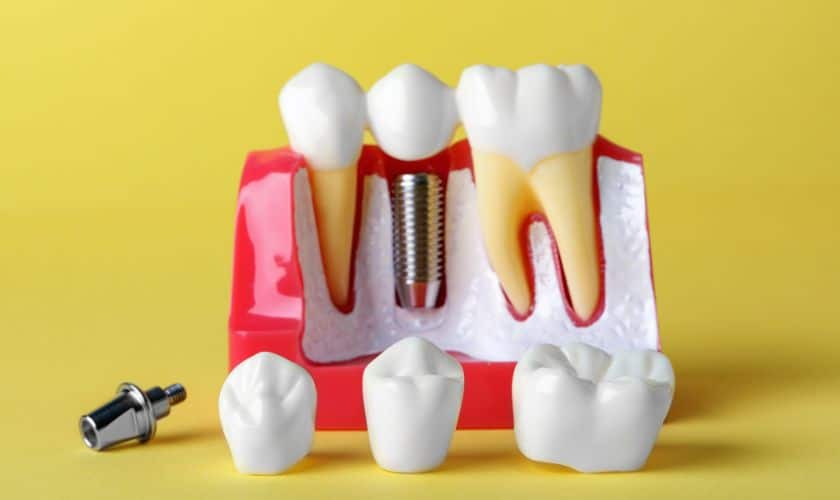
Dental implants have become a popular and effective solution for replacing missing teeth, offering durability and a natural look. However, the success of dental implants largely depends on the care taken during the healing process. If you’ve recently had dental implants in Phoenix or are considering the procedure, it’s crucial to understand how to promote safe and efficient healing. This guide will provide you with essential tips to ensure your recovery is smooth and successful.
Understanding the Healing Process
What to Expect Post-Surgery
After receiving dental implants, your body needs time to heal and integrate the implants into the jawbone. This process, known as osseointegration, can take several months. During this period, the bone grows around the implant, securing it firmly in place. Proper aftercare is essential to avoid complications and ensure the implants function as intended.
Immediate Post-Surgery Care
The first 48 hours after surgery are critical for setting the foundation for healing. It’s normal to experience some discomfort, swelling, and minor bleeding. Following your dentist’s instructions carefully can help manage these symptoms and prevent issues.
Essential Tips for Safe Healing
1. Follow Your Dentist’s Instructions
Your dentist will provide specific guidelines tailored to your individual needs. Adhering to these instructions is crucial. They may include recommendations for medication, diet, and activity restrictions.
2. Maintain Oral Hygiene
Good oral hygiene is vital to prevent infection and promote healing.
Daily Cleaning Routine
- Brushing: Use a soft-bristled toothbrush and avoid the surgical site. Brush gently to avoid irritation.
- Flossing: Be cautious around the implant area. Your dentist may suggest special floss or interdental brushes.
- Rinsing: Use an antimicrobial mouthwash as recommended by your dentist. Avoid vigorous rinsing for the first few days.
3. Diet and Nutrition
What you eat can significantly impact your healing process.
Foods to Eat
- Soft Foods: Stick to a diet of soft foods like yogurt, mashed potatoes, and smoothies during the initial healing period.
- Hydration: Drink plenty of water to stay hydrated and support the healing process.
Foods to Avoid
- Hard Foods: Avoid hard, crunchy foods that can damage the implant site.
- Hot Foods and Drinks: These can increase swelling and discomfort.
- Sugary Foods: Limit sugary foods that can promote bacterial growth and infection.
4. Manage Swelling and Discomfort
Swelling and discomfort are common after dental implant surgery.
Tips to Reduce Swelling
- Ice Packs: Apply ice packs to your face in 15-minute intervals during the first 24 hours.
- Elevate Your Head: Use extra pillows to keep your head elevated while sleeping.
Pain Management
- Medication: Take prescribed pain medication as directed. Over-the-counter pain relievers may also be recommended by your dentist.
- Avoid Strenuous Activities: Rest and avoid strenuous activities that could increase bleeding or discomfort.
5. Avoid Tobacco and Alcohol
Both tobacco and alcohol can interfere with the healing process.
- Smoking: Smoking reduces blood flow to the gums, slowing healing and increasing the risk of infection.
- Alcohol: Alcohol can interact with medications and impair the healing process.
6. Attend Follow-Up Appointments
Regular follow-up appointments with your dentist are crucial to monitor the progress of your healing.
- Check-Ups: These appointments allow your dentist to check the implant site and address any issues early.
- Professional Cleanings: Professional cleanings help maintain oral hygiene and prevent complications.
Potential Complications and How to Avoid Them
Recognizing Early Signs of Trouble
While most dental implants heal without issues, it’s important to be aware of potential complications.
Common Complications
- Infection: Signs include persistent pain, swelling, and discharge from the implant site.
- Implant Movement: If the implant feels loose, it could indicate a problem with osseointegration.
- Gum Recession: If the gums around the implant begin to recede, it can expose the implant and increase the risk of infection.
When to Contact Your Dentist
If you experience any of the following symptoms, contact your dentist immediately:
- Severe pain that isn’t relieved by medication
- Excessive bleeding
- Signs of infection
- Implant movement
The Importance of Patience and Care
Healing from dental implants in Phoenix requires patience and careful attention to your oral health. Following your dentist’s advice and adopting these tips can significantly enhance your healing process, leading to a successful and long-lasting result.
Successfully healing from dental implants involves more than just the surgical procedure. It requires ongoing care and attention to various aspects of your daily routine. By maintaining good oral hygiene, adhering to dietary recommendations, managing discomfort effectively, and avoiding harmful substances, you can ensure your dental implants in Phoenix heal properly and serve you well for years to come. Always stay in close communication with your dentist and attend all follow-up appointments to address any concerns promptly. With these practices, you can enjoy the full benefits of your dental implants and a restored smile.