5155 N 16th St UNIT A, Phoenix, AZ 85016


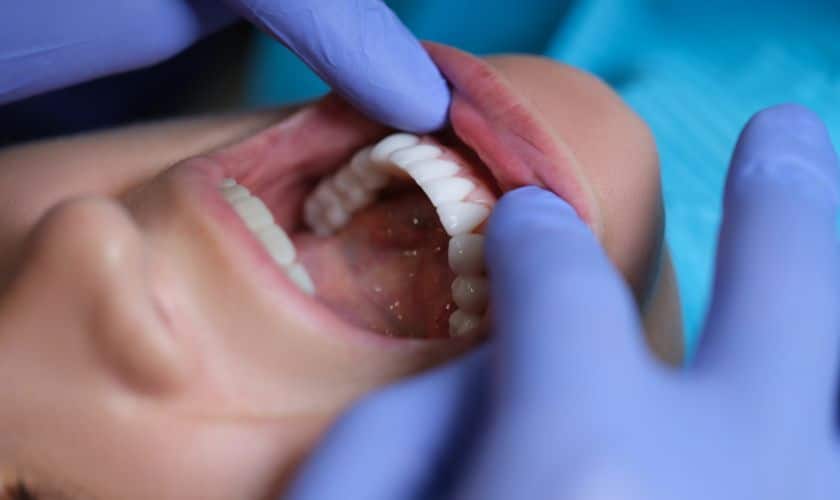
Maintaining good oral health is essential for your overall well-being. However, it’s not always easy to know when it’s time to schedule a dentist appointment. Putting off dental care can lead to serious problems that may require more involved and expensive treatments. If you live in the Valley of the Sun, knowing the signs that it’s time to see a dentist can help you take action early and keep your smile healthy.
When to See a Dentist?
Knowing when to see a dentist is essential for maintaining good oral health. If you experience persistent tooth pain, sensitivity, bleeding gums, or any other unusual symptoms, it’s time to book a dentist appointment. Regular checkups are also crucial in preventing future problems. Don’t wait for issues to worsen – early intervention can save you time and money in the long run. If you’re unsure, it’s always a good idea to schedule a dentist appointment to ensure your teeth and gums are in top condition.
Persistent Toothache
A persistent toothache is one of the most apparent signs that you need to see a dentist. Various issues, including cavities, infections, or gum disease, can cause tooth pain. Consulting with a dentist is essential if the pain lasts over a few days. They can diagnose the problem and provide the necessary treatment to alleviate discomfort and prevent further complications.
Sensitivity to Hot and Cold
Experiencing sensitivity to hot and cold foods and drinks is a clear sign that you should see a dentist. This type of sensitivity often happens when tooth enamel wears down, exposing the underlying dentin. It can also be a symptom of cavities, a cracked tooth, or gum disease. Scheduling a dentist appointment allows a professional to determine the cause and recommend effective treatments, such as fluoride applications, desensitizing toothpaste, or other restorative procedures.
If you haven’t already, it’s a good idea to book a dentist appointment as soon as possible. Regular checkups, including your annual dentist appointment, help catch issues early and keep your smile healthy. Don’t delay your dentist appointment booking – early care can save you from more complex treatments down the road.
Bleeding or Swollen Gums
Healthy gums shouldn’t bleed when you brush or floss. If you notice bleeding, swelling, or redness in your gums, it could be a sign of gingivitis or a more serious form of periodontal disease. These issues need prompt attention to avoid tooth loss and other health complications. Visiting a dentist as soon as possible is crucial for accurate diagnosis and effective treatment. Don’t delay – book a dentist appointment to get the care you need. Early intervention through a dentist appointment can help manage gum disease effectively and protect your overall oral health.
Bad Breath or Unpleasant Taste
Persistent bad breath or an unpleasant taste in your mouth can be more than just a social nuisance. These symptoms may indicate underlying dental issues, such as tooth decay, gum disease, or an infection. If regular brushing, flossing, and mouthwash aren’t helping, it’s time to see a dentist.
Booking a dentist appointment is the best way to get to the root of the issue. A dentist appointment can help identify the cause and provide the proper treatment to resolve the problem and freshen your breath.
Loose or Shifting Teeth
Adult teeth should be secure and stable. If you notice any of your teeth becoming loose or shifting position, it’s a cause for concern. This could be a sign of advanced gum disease, bone loss, or other serious dental issues.
It’s essential to visit a dentist for a thorough evaluation. If you’re experiencing these symptoms, book a dentist appointment as soon as possible. During your dentist appointment, the professional can assess your condition and recommend treatments such as deep cleaning, splinting, or even periodontal surgery to stabilize your teeth.
Sores or Lumps in Your Mouth
A dentist should evaluate any sores, lumps, or unusual patches in your mouth that don’t heal within two weeks. These could be signs of oral infections, irritations, or even oral cancer. Early detection and treatment are essential for the best outcomes.
If you experience any of these symptoms, it is essential to book a dentist appointment as soon as possible. A dentist appointment will allow the professional to assess your condition and provide the appropriate care.
Jaw Pain or Difficulty Chewing
Jaw pain, clicking, or difficulty chewing can be signs of temporomandibular joint (TMJ) disorders, teeth grinding (bruxism), or other dental problems. These conditions can cause significant discomfort and impact your quality of life. It’s essential to see a dentist to diagnose the issue and receive the appropriate treatment.
If you’re experiencing these symptoms, book a dentist appointment to address the problem. A dentist appointment will allow the professional to recommend treatments such as night guards, physical therapy, or other solutions to relieve pain and improve jaw function.
Dry Mouth
A dry mouth can be more than just an annoyance; it can increase your risk of tooth decay and gum disease. Saliva helps neutralize acids produced by bacteria, wash away food particles, and protect your teeth from decay. If you experience persistent dry mouth, it is essential to consult a dentist.
To address the issue, book a dentist appointment as soon as possible. During your dentist appointment, the professional can identify the cause of your dry mouth and recommend treatments such as special mouthwashes, artificial saliva, or lifestyle changes to manage the condition effectively.
Dark Spots or Holes in Teeth
Noticing dark spots or holes in your teeth is a clear sign of cavities that need immediate attention. Left untreated, cavities can lead to more severe dental problems, including infections and tooth loss. A dentist can fill cavities, preventing further decay and preserving oral health.
Chronic Headaches
Believe it or not, chronic headaches can be linked to dental issues. Problems like bruxism (teeth grinding) or TMJ disorders can lead to tension headaches or migraines. If you frequently experience headaches, it may be worthwhile to visit a dentist. They can determine if a dental issue is the cause and provide treatments to help alleviate your headaches.
Recognizing the signs that you need to see a dentist is key to maintaining optimal oral health. Persistent toothaches, sensitivity to hot and cold, bleeding gums, bad breath, loose teeth, mouth sores, jaw pain, dry mouth, dark spots on teeth, and chronic headaches are all signs that it’s time to book a dentist appointment. Scheduling a dentist appointment as soon as possible can help prevent further complications and improve your overall well-being.
Conclusion
Regular dental check-ups and cleanings are essential for preventing these issues and catching any problems early. If you are experiencing any of these symptoms, don’t wait—reach out to a dentist to address your concerns and maintain a healthy, bright smile.
[box] Linda CampbellIf you live in the Phoenix area, consult a dentist in Phoenix for a thorough examination if you notice any abnormal changes in your mouth. Alternatively, you can search for a “dentist near me” to find a local professional who can help.
FAQs
Q. Which Symptoms Indicate that You Should Consult a Dentist?
The article above provides a detailed explanation of all the symptoms that signal when it’s time to see a dentist.
Q. What are the Signs of an Unhealthy Mouth?
A: Mentioned below are the signs of an unhealthy mouth:
-
Persistent toothache
-
Sensitivity to hot and cold
-
Bleeding or swollen gums
-
Bad breath or unpleasant taste
-
Loose or shifting teeth
-
Sores or lumps in your mouth
-
Jaw pain or difficulty chewing
-
Dry mouth
-
Dark spots or holes in teeth
-
Chronic headaches