5155 N 16th St UNIT A, Phoenix, AZ 85016


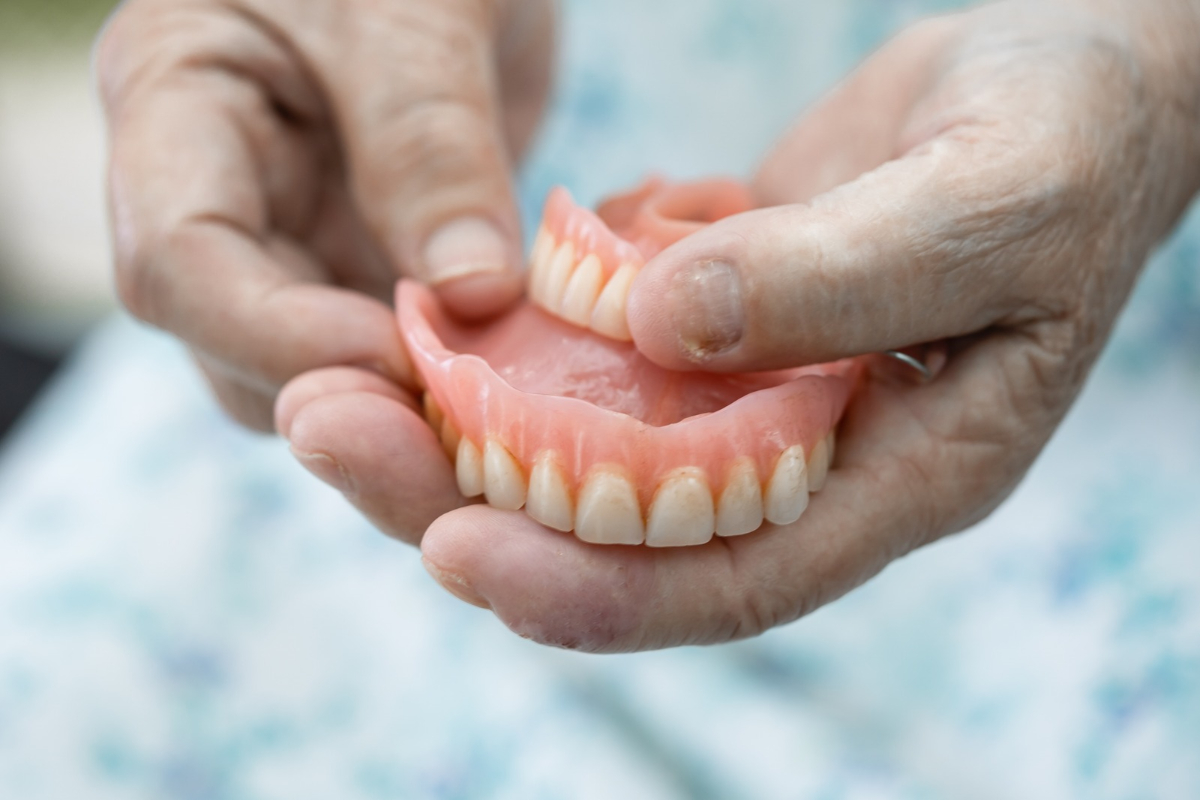
If you have worn a denture in Phoenix for years or just received your first set, a loose fit can be frustrating. Dentures that slip when you eat, click when you talk, or rub sore spots into your gums aren’t something you have to live with. Loose dentures usually have a clear cause, and in most cases there is a practical fix. This guide explains why dentures loosen over time, what you can do about it, and when to see a dentist.
Why Dentures Feel Loose
Dentures rest on your gums and the bone underneath. Unlike natural teeth, they have no roots, so they rely on a close fit, gentle suction, and the muscles of your cheeks and tongue to stay in place. Any change to the shape of your gums or jaw can break that seal. Understanding the cause is the first step toward choosing the right solution.
Bone and Gum Changes Over Time
The most common reason dentures loosen is natural shrinkage of the jawbone and gum tissue after teeth are removed. Without tooth roots to stimulate it, the bone slowly resorbs. A denture that fit well in the first year may feel noticeably looser a few years later. If you rely on a denture in Phoenix and it no longer fits as well as it used to, this gradual change is often the reason. It is normal and common, and it can be corrected.
Other Common Causes
Weight loss or weight gain can change the shape of your face and gums. Worn denture teeth can alter your bite so the denture rocks while you chew. A denture that wasn’t made or adjusted for a precise fit may never have felt secure. Dry mouth, which certain medications can cause, reduces the natural moisture that helps a denture stay in place. Gum irritation or infection can also cause swelling that changes how the denture sits.
Warning Signs You Should Not Ignore
A denture that moves can rub against the gums, causing sore spots, redness, and even small ulcers. Fungal infection under dentures is more common when a denture is loose or worn overnight. Chewing may become difficult, which can lead you to avoid healthy foods. Your speech may change, and some people feel embarrassed to talk or laugh in public. If you notice persistent soreness, white patches, swelling, or bleeding, schedule an exam soon.
Why Home Fixes Can Make Things Worse
It can be tempting to use strong adhesives, household glue, or bend the metal clasps. Please do not. Household glues contain chemicals that are not safe for your mouth, and trying to adjust a denture yourself can crack it or damage the fit. Over-the-counter adhesives can help temporarily, but needing more and more signals that the denture needs professional attention. Thick layers of adhesive can also hide a poor fit and allow irritation to continue.
Professional Fixes for Loose Dentures
Depending on the cause, your dentist may recommend one of several solutions. A reline adds new material to the inside of the denture so it matches your current gum shape. A rebase replaces the pink base while keeping the existing teeth. Small adjustments can relieve sore spots and balance your bite. If the denture is worn out or no longer fits well, a new denture may be the best long-term solution. Your dentist can explain which option fits your situation and your budget.
Do Dental Implants Help Dentures Stay Secure?
For many patients, implants can improve stability. A few dental implants can anchor a denture, making it feel more secure and move much less. Implants also help stimulate the bone, which may slow further shrinkage. Not everyone is a candidate, and treatment depends on bone health, general health, and personal goals. A consultation with X-rays or a scan can show whether an implant-supported option makes sense for you.
Bridges and Other Options
If you are missing only a few teeth, a partial denture or a fixed bridge may be a better fit than a full denture. A bridge is anchored to neighboring teeth or implants and does not come out at night. The right choice depends on how many teeth are missing, the health of the remaining teeth, and your comfort and maintenance preferences. Discuss these options early to save time and frustration.
How to Care for Your Dentures
Remove and rinse your denture after eating, brush it daily with a soft denture brush and a non-abrasive cleaner, and soak it overnight in a denture solution unless your dentist advises otherwise. Brush your gums, tongue, and palate with a soft toothbrush to keep tissue healthy. Handle your denture over a folded towel or a sink full of water so it won’t break if you drop it. Schedule a yearly exam so your dentist can check the fit and your mouth’s health.
Get Comfortable Dentures Again
If a loose denture in Phoenix is getting in the way of eating, speaking, or smiling, you don’t have to wait for it to get worse. At Biltmore Cosmetic and Restorative Dentistry, Dr. Brandon Harris and our team will examine your fit, explain your options, and help you choose a comfortable long-term solution. Call (602) 265-5155 or book online today, and visit our dentures and bridges page to learn more about care for patients in Biltmore, Arcadia, and across Phoenix.
Frequently Asked Questions
How often should dentures be replaced?
Many dentures last five to ten years, though the fit may need adjustments sooner because gums and bone change. Regular checkups help you know when you need a reline or replacement.
Can I use denture adhesive every day?
Adhesive is safe for many people when used as directed, but it should not be a daily crutch for a poorly fitting denture. If you need more and more adhesive, schedule a fit check.
Is it normal for new dentures to feel loose?
New dentures often feel strange for the first few weeks as your muscles adjust. Some soreness is expected, but if a denture keeps slipping or causes sore spots, it should be adjusted.
Can a loose denture be fixed in one visit?
Minor adjustments are often quick. A reline or rebase can take longer, and a new denture requires several visits. Your dentist can explain the timeline after an exam.
Should I wear my dentures at night?
Most dentists recommend removing dentures overnight to let your gums rest and reduce infection risk. Store them in water or a denture solution as directed.