5155 N 16th St UNIT A, Phoenix, AZ 85016


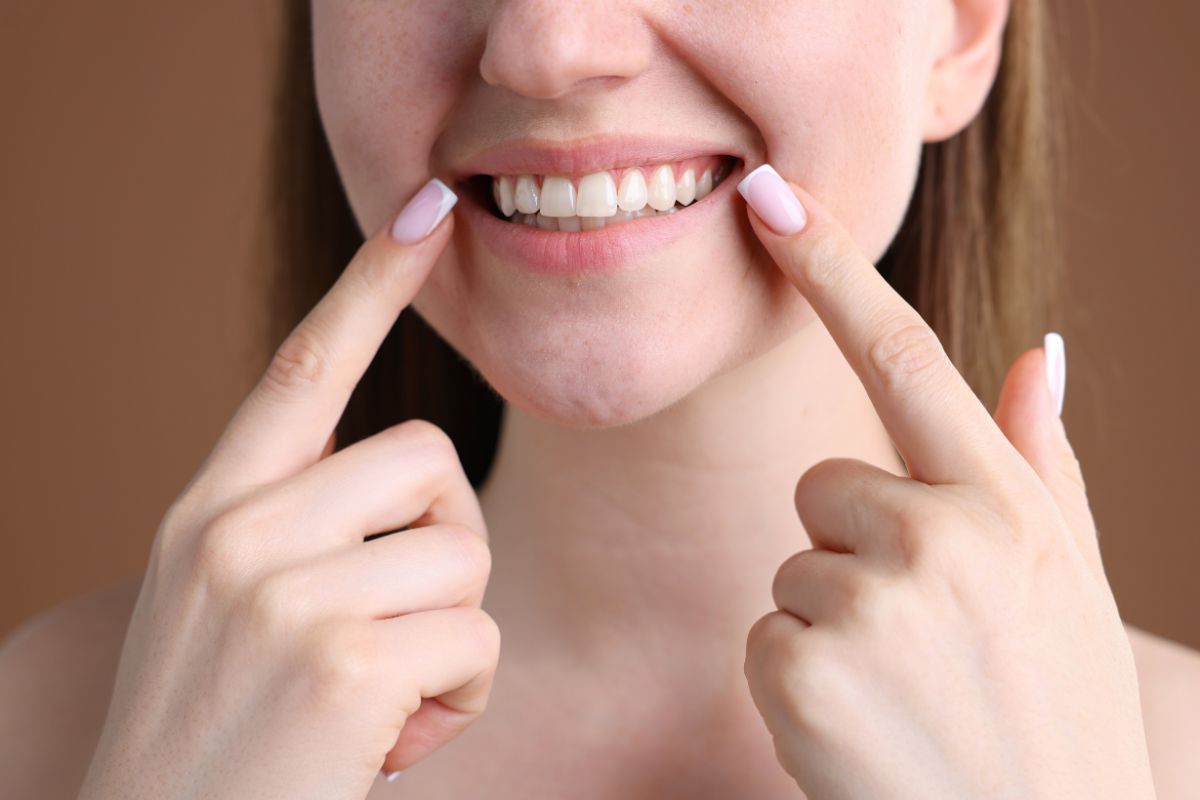
Have you noticed that your left teeth meet before your right teeth, or that chewing suddenly feels uneven? A change in how your teeth fit together can be subtle, yet difficult to ignore. Sometimes a recent filling explains the difference. Other times, tooth movement, grinding, or jaw discomfort deserves a closer look.
At Biltmore Cosmetic & Restorative Dentistry in Phoenix, Dr. Brandon Harris helps patients understand changes in their bite through careful examinations and clear explanations. If your teeth no longer meet comfortably, visit our office. We can discuss dental treatments in Phoenix based on your examination.
What an Uneven Bite Actually Means
Your bite, also called occlusion, describes how the upper and lower teeth contact each other. Ideally, those contacts support comfortable chewing without one tooth carrying excessive pressure. Perfect symmetry is not necessary, and your teeth generally remain slightly apart when your jaw is relaxed.
An uneven bite may feel like one back tooth hits first or one side cannot close fully. Your jaw may also shift before your teeth meet. The sensation matters most when it is new, persistent, or accompanied by pain. A different feeling alone does not identify the cause.
Seven Reasons Your Bite May Change
A New Filling or Crown Feels High
A filling or crown can occasionally contact the opposing tooth sooner than neighboring teeth. You may notice this immediately after your appointment, particularly when chewing firm foods. Rather than trying to wear the restoration down by chewing, contact your dentist. A bite assessment can determine whether the restoration requires a small correction.
Your Teeth Have Shifted Over Time
Teeth can gradually change positions as neighboring teeth move, dental alignment changes, or orthodontic retainers are not worn as directed. Crowding and crossbites can make one side contact differently. These shifts often develop slowly, so the first clue may be that your usual chewing pattern suddenly feels unfamiliar.
Nighttime Grinding Has Worn Your Teeth
Grinding and clenching, known as bruxism, can place repeated pressure on teeth. Over time, flattened chewing surfaces or tiny chips may change where teeth meet. Morning jaw soreness, sensitivity, or headaches can offer additional clues. However, these symptoms cannot confirm grinding without an evaluation.
A Cracked Tooth Changes Chewing Pressure
A cracked tooth may hurt when you bite or release pressure. Without realizing it, you might move your jaw to avoid that spot. The result can feel like a one-sided bite, even if your teeth have not actually shifted. Cracks vary in depth, so a professional examination is important before choosing treatment.
A Missing Tooth Affects Nearby Contacts
When a tooth is lost, nearby teeth may gradually drift toward the space, and an opposing tooth can move farther into it. These changes can alter chewing contacts and make food harder to break down evenly. Replacing a missing tooth may help restore function and limit additional movement.
Gum Problems Affect Tooth Stability
Advanced periodontal disease can damage the structures supporting your teeth. As support decreases, teeth may loosen or shift, changing the way they meet. Warning signs include bleeding gums, recession, or new spaces between teeth. These symptoms deserve an examination, even when there is little discomfort.
Jaw Joint or Muscle Problems Develop
The temporomandibular joints guide jaw movement on both sides. A jaw joint or muscle disorder, called TMD, can sometimes change how your teeth seem to fit. You may also notice stiffness, painful clicking, or difficulty opening wide. Importantly, an uneven bite does not automatically cause TMD, and changing tooth positions is not a proven treatment for joint pain.
Warning Signs You Should Not Ignore
Some bite changes remain painless, but others signal a problem that needs attention. Contact a dentist if one tooth repeatedly hits first, chewing becomes painful, or a recent restoration feels too tall. Also mention jaw locking, a loose tooth, or worsening sensitivity.
Seek urgent care after facial trauma, for rapidly increasing swelling, or when severe pain develops. Difficulty breathing or swallowing requires emergency medical attention. Early assessment helps identify whether the problem involves teeth, gums, restorations, or jaw movement.
How We Investigate an Uneven Bite
At our Phoenix office, we begin by asking when the change started and whether it happens during chewing, swallowing, or closing gently. Recent dental work, injuries, grinding habits, and current symptoms provide important context.
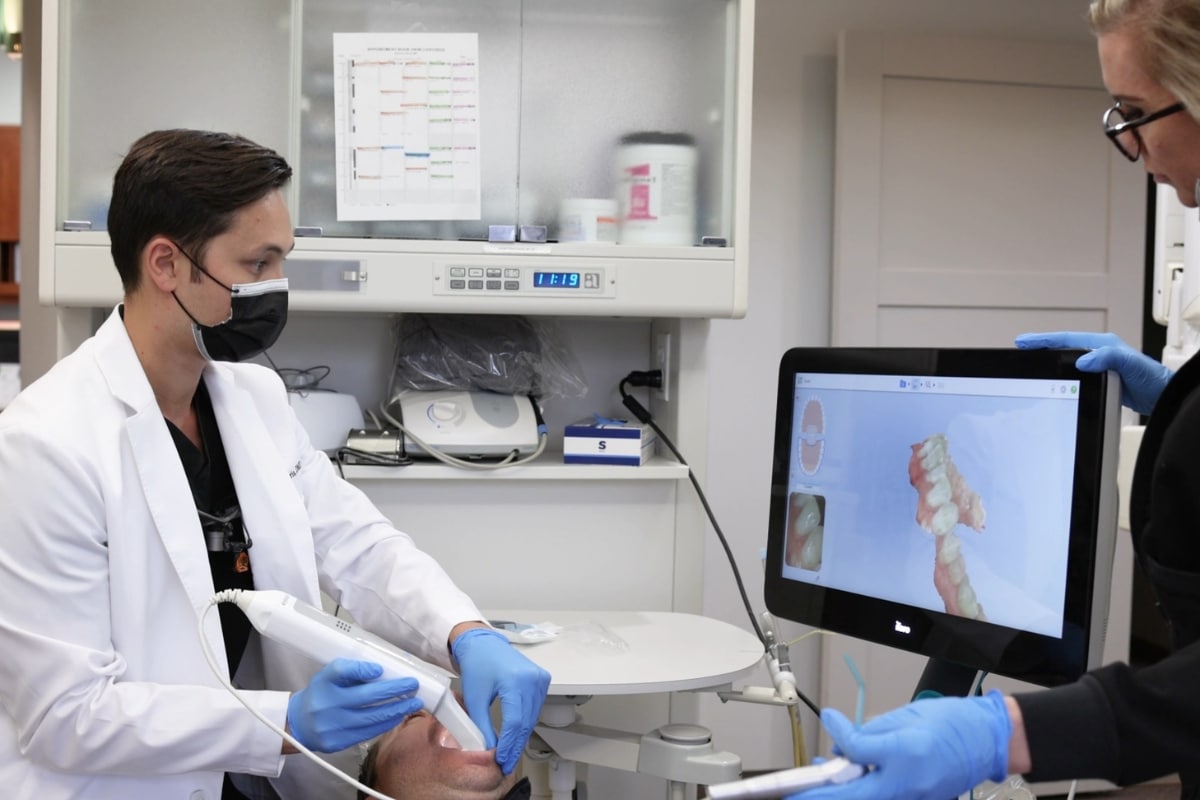
We can examine tooth contacts, existing restorations, gum health, tooth wear, and jaw movement. Bite-marking materials may reveal which surfaces touch first. Digital X-rays or other records may be appropriate when decay, cracks, or changes around roots are suspected. Dr. Harris discusses the findings before recommending care, because different causes require different solutions. Our general, restorative, and alignment services help us evaluate several possibilities in one office.
Treatments Depend on the Actual Cause
The appropriate approach is not simply to make every tooth touch at once. Treatment should address the problem identified during your examination.
If a recent crown or filling has a confirmed high contact, a careful restoration adjustment may help. A cracked or badly worn tooth could need bonding, a crown, or another restorative procedure. Missing teeth may call for replacement planning, while gum problems require attention to periodontal health.
When tooth alignment itself creates functional difficulty, Invisalign may be worth discussing. As a Diamond+ Invisalign provider, our practice offers aligner treatment alongside restorative care. We can consider tooth position and function together. However, Invisalign should not be presented as a cure for TMD.
For muscle-related jaw discomfort, conservative measures may be more appropriate initially. These can include softer foods, limiting clenching, and guided treatment or referral. Irreversible changes to teeth or your bite should not be the first response to unexplained jaw pain. Our goal with dental treatments in Phoenix is to recommend care based on findings, not assumptions.
What You Can Do Before Visiting
Until your examination, avoid repeatedly forcing your jaw into a position that feels uncomfortable. Choose softer foods if chewing hurts, and avoid biting hard objects or using your teeth to open packaging. Do not attempt to reshape a tooth or restoration yourself.
Make a note of when the sensation began, which side touches first, and whether symptoms appear after waking. These details can help distinguish a restoration issue from wear, movement, or muscle discomfort. If a new filling or crown triggered the change, call the office that placed it.
Get Answers About Your Changing Bite
Whether you live near the Biltmore neighborhood, Arcadia, or central Phoenix, a bite change deserves an explanation rather than guesswork. Our Phoenix dentist, Dr. Brandon Harris, combines restorative care, Invisalign options, and clear communication to help patients understand their next steps.
Visit our office at 5155 N 16th St, Unit A, to discuss dental treatments in Phoenix that fit your clinical needs. Schedule an examination so we can identify the reason for your uneven bite and explain the available options.
Frequently Asked Questions About Uneven Bites
Should All My Back Teeth Touch When I Bite?
Your back teeth usually meet in a stable, comfortable pattern when you close your mouth to chew. If only one side contacts or chewing feels difficult, a dentist can assess your tooth alignment and bite.
Why Did My Bite Suddenly Change Overnight?
An overnight difference may reflect jaw muscle tension, swelling, or a dental problem that recently became noticeable. If the change persists, especially with pain or limited movement, promptly arrange an examination to identify its cause.
Can Stress Make My Teeth Meet Differently?
Stress may increase clenching, leaving jaw muscles tired or sore and making your bite feel unfamiliar. Stress does not prove your teeth have moved. A dental assessment can distinguish muscle symptoms from actual alignment changes.
Can a New Crown Cause Uneven Biting?
Yes. A crown that contacts its opposing tooth too early may feel taller than surrounding teeth. Your dentist can check its fit and biting contacts, then decide whether a careful adjustment is necessary for comfort.
Can Invisalign Correct an Uneven Bite?
Invisalign can address certain tooth alignment problems that affect how teeth meet. However, it cannot treat every cause of an uneven bite. Your dentist must identify whether alignment, dental damage, or jaw symptoms are involved.
Is Jaw Clicking With an Uneven Bite Serious?
Painless clicking alone is often harmless. However, clicking with pain, locking, limited opening, or changing tooth contacts deserves evaluation. A dentist can assess symptoms and recommend conservative care or referral when it is clinically indicated.
Can Losing One Tooth Change My Bite?
Yes. After tooth loss, neighboring or opposing teeth may slowly move and change your chewing contacts. A dental examination can evaluate the space, remaining teeth, and possible replacement options before additional changes develop over time.