5155 N 16th St UNIT A, Phoenix, AZ 85016


Yes, you can whiten during Invisalign with smart timing. Learn how attachments affect results, which methods work best, and how Phoenix patients can protect a bright, straight smile.
Many people who start Invisalign treatments in Phoenix soon ask the same question about whitening. Can I brighten my smile while my teeth are moving? The short answer is yes, but timing and method matter. Professional teeth whitening in Phoenix can fit alongside clear aligner care when it is planned correctly. Done the wrong way, it can lead to uneven color, extra sensitivity, or wasted money. This guide explains your options, the best timing, and how to protect your results.
Can You Whiten Teeth During Invisalign?
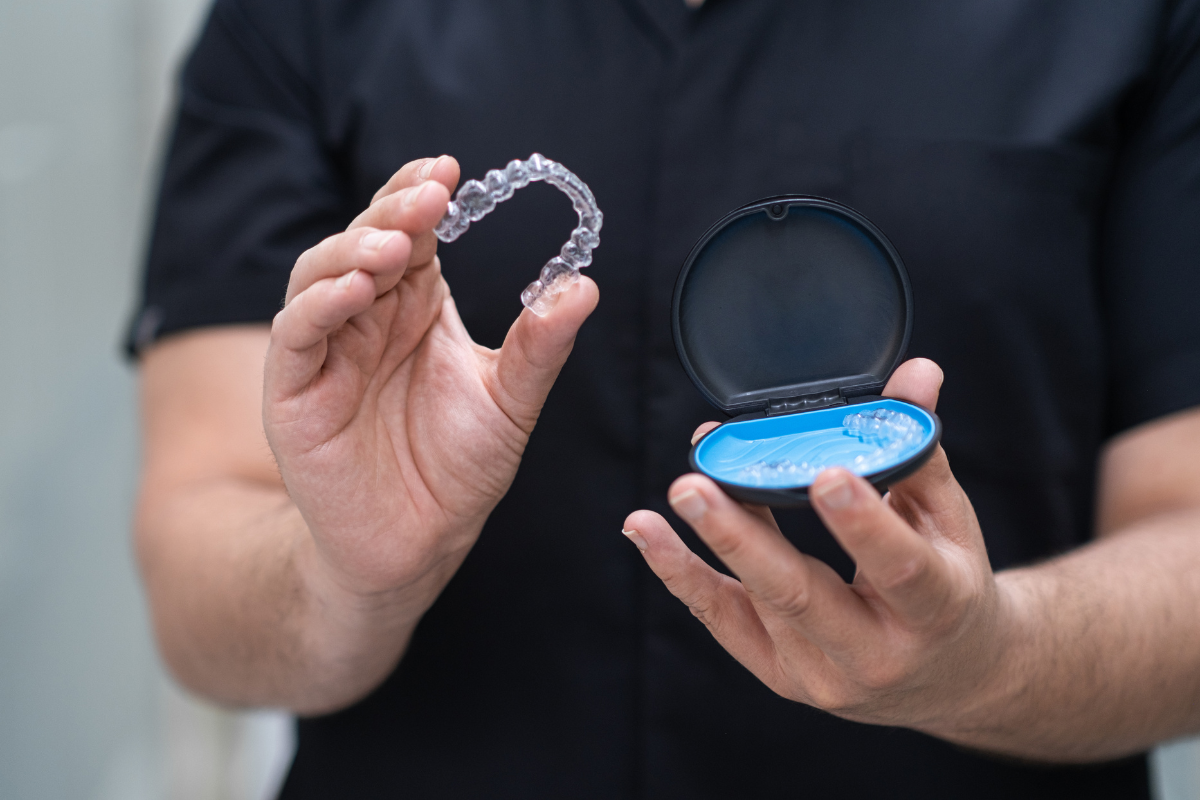
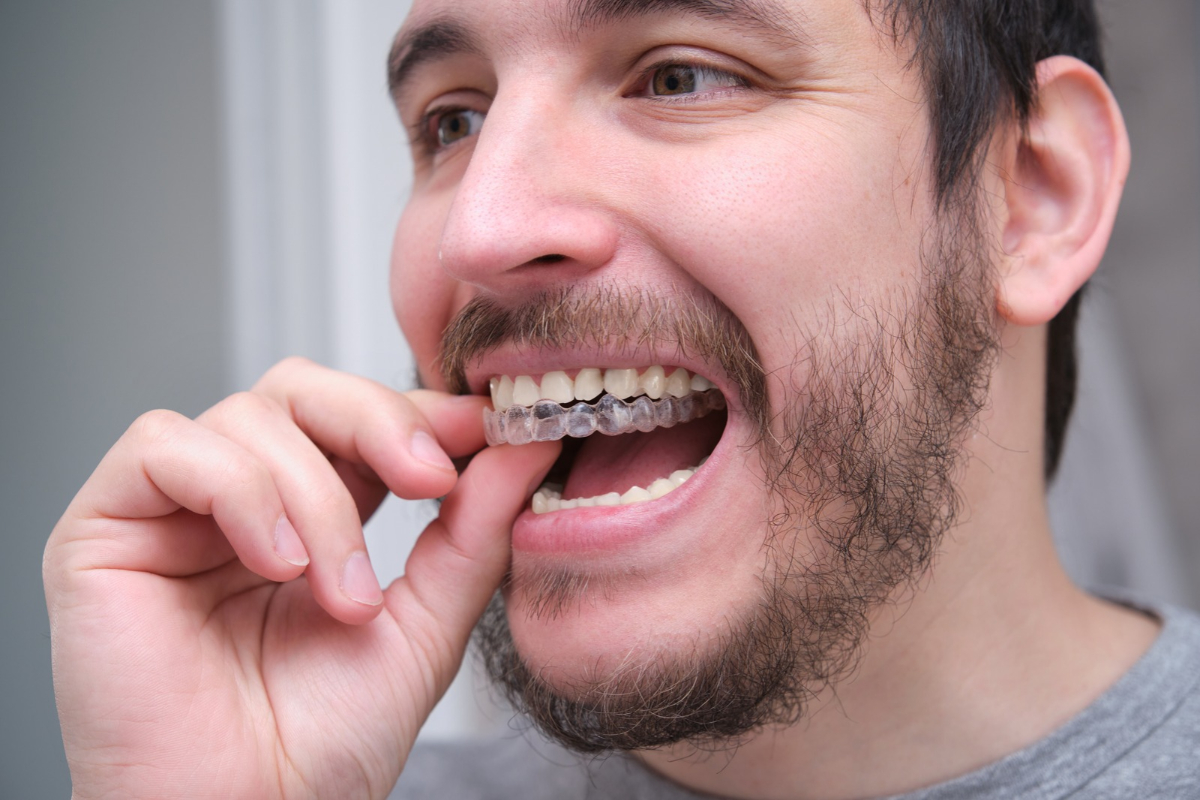
In many cases, yes. Aligners are designed to move teeth, not hold bleaching gel, so you should never load them with whitening gel yourself. The fit, the plastic’s thickness, and the gel’s strength all affect how safe and effective the process is. Your dentist can tell you whether to whiten before, during, or after treatment based on your health, your plan, and your goals.
The Attachment Problem
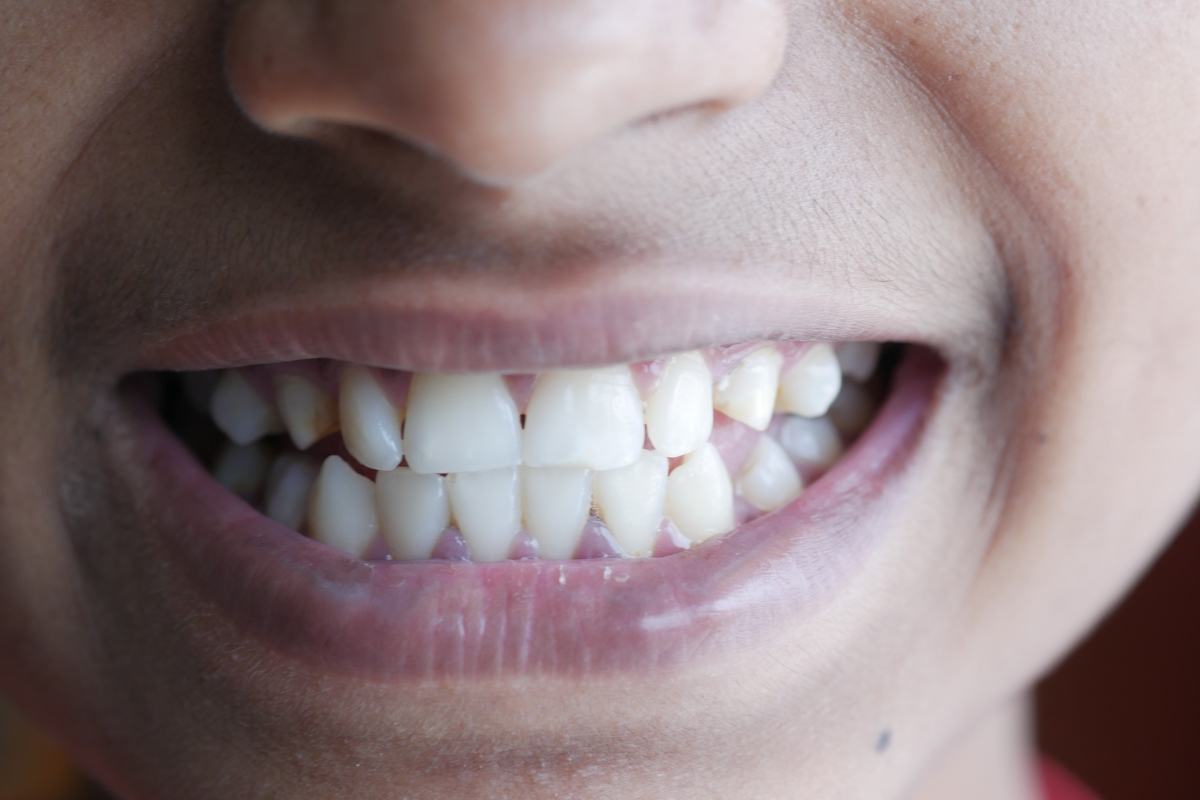
For patients considering teeth whitening in Phoenix during Invisalign treatment, attachments are the biggest factor to understand. Many aligner plans use small tooth-colored bumps bonded to the teeth to help the aligners grip and move them. Whitening gel lightens natural enamel, but it does not change the color of these attachments. If you whiten with attachments in place, the teeth can brighten around them while the attachments stay their original shade, which can look patchy until you remove them.
The Best Timing Options
There are three common approaches. The first is to whiten before you start Invisalign, so your teeth begin treatment at the shade you want, and any attachments can match that shade. The second is to whiten at the end of treatment, after attachments are removed, so each tooth’s entire surface lightens evenly. The third is to whiten during treatment with a method your dentist approves, which can make sense if you have an event coming up and do not want to wait. Whichever path you choose, tell your dentist early, so your plan fits your goals.
Why Whitening Strips and Store Kits Can Disappoint
Whitening strips may not cover areas around attachments or the edges of crowded teeth, which can lead to uneven results. Store-bought kits can also irritate the gums and can’t treat deeper stains the way professional treatment can. Charcoal products can be abrasive and may wear down enamel over time. Professional whitening places the gel precisely, controls the strength, and lets your dentist manage sensitivity. That control is especially valuable when you are already wearing aligners.
Protect Your Teeth and Your Aligners From New Stains
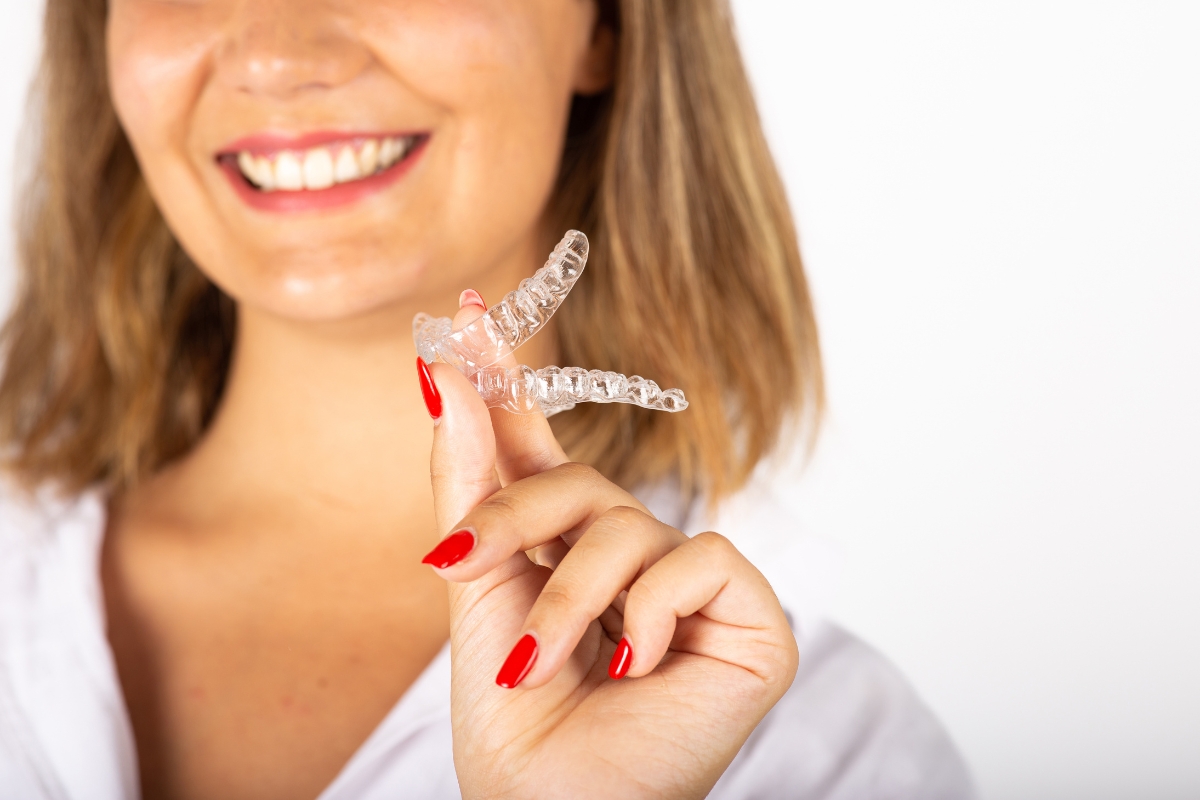
To keep your teeth bright, take your aligners out before drinking coffee, tea, red wine, or dark soda. Brush before putting them back in so stains do not get trapped against your enamel. Wear your aligners the number of hours your dentist recommends, usually 20 to 22 hours a day. Clean them daily with a soft brush and a gentle cleanser, and avoid hot water, which can warp the plastic. Rinse your mouth with water after sugary or colored drinks, and keep up with professional cleanings to prevent plaque and surface stains from building up.
Managing Sensitivity
Both whitening and tooth movement can cause temporary sensitivity, so combining them may feel like double the trouble. A desensitizing toothpaste, spacing out whitening sessions, and choosing a lower strength gel can help. If you have gum recession, cracks, or untreated cavities, treat those first because whitening can irritate exposed areas. If sensitivity is sharp or lasts more than a day or two, have your dentist check it.
Do Existing Crowns, Veneers, and Fillings Whiten?
No. Whitening gel works only on natural enamel. Crowns, veneers, and fillings stay the same color, so whitening can make them look darker by comparison. If you have visible restorations, talk with your dentist before whitening so you can plan for any replacements or color matching. This is another reason to consult a dentist instead of buying whitening products on your own.
Who Should Wait to Whiten?
Whitening is not the right move for everyone at every stage. If you have active gum disease, untreated cavities, or cracked teeth, treat those problems first because whitening gel can irritate exposed areas and worsen pain. Pregnant or nursing people are usually advised to wait. Teens whose teeth are still developing should also be evaluated before starting any whitening. A quick exam before you start protects your comfort and helps your dentist choose the safest option.
What a Whitening Visit Looks Like
A professional whitening plan usually begins with an exam and a review of your goals. Your dentist checks your gums, notes your current shade, and explains how many shades of improvement are realistic for you. You may complete treatment in the office, at home with custom trays, or with a combination of both. Your dentist will also tell you which foods and drinks to limit for the first few days, since freshly whitened enamel can pick up stains more easily. Planning each step around your aligners keeps your treatment on schedule.
Whitening After Invisalign
Once your teeth are straight, you will wear retainers to keep them in place. Whitening at the end of treatment gives you a fresh, even shade that matches your new alignment. Ask your dentist about custom whitening trays for future touch-ups, and keep wearing your retainers exactly as directed so your straight teeth stay straight. A bright smile and a stable bite are the best way to protect your investment of time and money.
Brighten and Straighten With One Plan
If you are ready to combine teeth whitening in Phoenix with Invisalign treatments in Phoenix, a short consultation can help you choose the right timing. At Biltmore Cosmetic and Restorative Dentistry, Dr. Brandon Harris and our team will build a plan around your goals and your schedule. Call 602-265-5155 or book online today, and visit our Invisalign page to learn more about care for patients in Biltmore, Arcadia, and across Phoenix.
Frequently Asked Questions
Can I use whitening strips with Invisalign?
It is best to ask first. Strips may not cover teeth evenly around attachments, and they can irritate gums. Professional options are more predictable.
Will whitening change the color of my attachments?
No. Attachments are made of tooth-colored composite material and do not bleach. Your dentist can match or replace them when it’s time.
Is it safe to whiten while wearing Invisalign?
For most healthy adults, professional whitening is safe when supervised. Your dentist will first check your gums and teeth for conditions that need attention.
How long should I wait to whiten after Invisalign?
Many patients whiten right after attachments are removed and treatment ends, once their teeth and gums feel comfortable. Your dentist will tell you the best time.
Can my aligners stain?
Yes. Clear aligners can discolor from coffee, tea, and smoking. Clean them daily and remove them when you eat or drink anything other than water.