5155 N 16th St UNIT A, Phoenix, AZ 85016


How to Heal a Cracked Tooth Naturally?
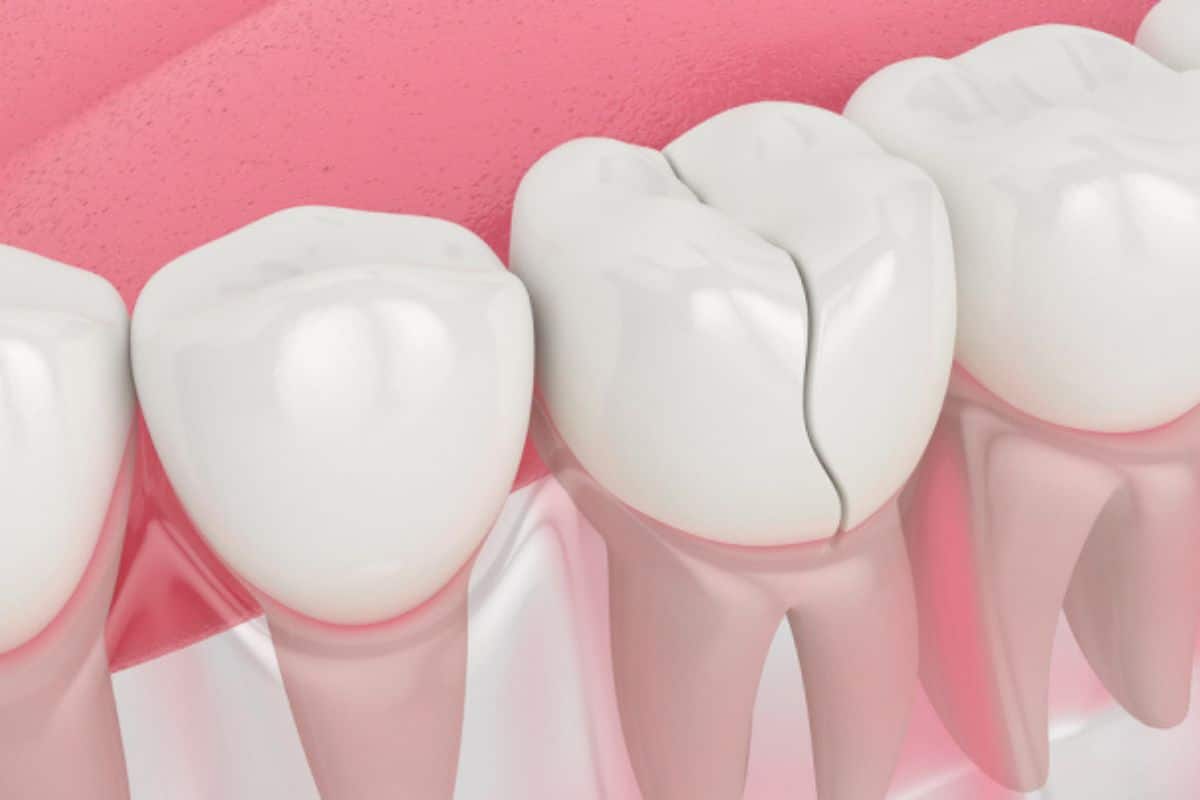
If you’ve cracked a tooth, you might be wondering if it can heal on its own. The short answer is no—a cracked tooth cannot heal naturally. Unlike bones or skin, tooth enamel does not regenerate. However, certain home remedies can help relieve pain and reduce inflammation until you receive professional dental care.
If you’re dealing with a cracked tooth in Phoenix, seeking prompt treatment is essential to prevent further damage or infection.
Understanding Cracked Teeth
Before delving into natural remedies, it’s essential to understand what a cracked tooth entails. A cracked tooth occurs when there is a fracture in the tooth enamel, which can range from minor to severe. Common symptoms include pain when chewing or biting, sensitivity to hot or cold temperatures, and intermittent discomfort. If left untreated, a cracked tooth can lead to further complications, such as infection or the need for extraction.
Don’t risk losing your tooth. If you have a cracked tooth in Phoenix, contact our experienced dental team today for fast, effective treatment and long-term relief.
Natural Remedies for Healing a Cracked Tooth
Saltwater Rinse: A saltwater rinse is a simple yet effective way to promote oral health and alleviate discomfort associated with a cracked tooth. Mix a teaspoon of salt in a glass of warm water and swish it around your mouth for about 30 seconds. This rinse helps reduce inflammation and prevent infection, aiding in the natural healing process.
Turmeric Paste: Turmeric has anti-inflammatory and antibacterial properties that can help reduce pain and inflammation associated with a cracked tooth. Mix turmeric powder with water to form a paste, then apply it directly to the affected area. Leave it on for a few minutes before rinsing thoroughly. Repeat this process daily until the pain subsides.
Cloves or Clove Oil: Cloves have been used for centuries to alleviate toothaches and promote oral health. You can either chew on a whole clove or apply clove oil directly to the cracked tooth for instant relief. Clove oil contains eugenol, a natural anesthetic that numbs the area and reduces pain. However, use caution with clove oil as it can irritate if applied directly to the gums.
Coconut Oil Pulling: Oil pulling is an ancient Ayurvedic practice that involves swishing oil around in your mouth to remove bacteria and promote oral hygiene. Coconut oil, in particular, has antimicrobial properties that can help prevent infection and promote healing. Swish a tablespoon of coconut oil around in your mouth for 15-20 minutes, then spit it out. Repeat this process daily to maintain oral health.
Calcium and Vitamin D Supplements: Calcium and vitamin D are essential nutrients for maintaining strong and healthy teeth. Incorporating calcium-rich foods such as dairy products, leafy greens, and almonds into your diet can help strengthen tooth enamel and promote healing. Additionally, consider taking vitamin D supplements or spending time in the sun to ensure adequate vitamin D levels for optimal oral health.
Avoiding Hard Foods: To prevent further damage to the cracked tooth, avoid chewing on hard foods or objects that could exacerbate the fracture. Stick to softer foods that are gentle on your teeth, such as soups, yogurt, and steamed vegetables. Additionally, avoid habits like nail-biting or using teeth as tools to prevent further trauma to the affected tooth.
When to Seek Professional Help
While natural remedies can provide temporary relief, it’s essential to seek professional help from a dentist in Phoenix for proper diagnosis and treatment. A dentist can assess the severity of the cracked tooth and recommend appropriate interventions, such as dental bonding, a crown, or root canal therapy, to restore function and alleviate pain. Ignoring a cracked tooth or attempting to self-treat with natural remedies can lead to further complications and jeopardize your oral health.
In conclusion, while natural remedies can provide relief and support the healing process for a cracked tooth, they should not replace professional dental care. If you experience symptoms of a cracked tooth, such as pain or sensitivity, consult with a dentist in Phoenix promptly for proper evaluation and treatment. By combining natural remedies with professional dental care, you can effectively manage a cracked tooth and maintain optimal oral health for years to come.
Types of Cracked Teeth
Not all cracks are the same, and treatment depends on the severity:
-
Craze lines: Tiny surface cracks that are usually harmless
-
Fractured cusp: A piece of the tooth breaks off, often around fillings
-
Cracked tooth: A deeper crack that may extend toward the root
-
Split tooth: A severe crack dividing the tooth into segments
-
Vertical root fracture: A crack starting at the root and moving upward
A professional evaluation is necessary to determine the right treatment.
When Is a Cracked Tooth a Dental Emergency?
You should contact a dentist immediately if you experience:
-
Sharp pain when biting or chewing
-
Persistent tooth sensitivity
-
Swelling in the gums or face
-
Signs of infection such as pus or fever
These symptoms may indicate a serious crack or infection that requires urgent care.
Professional Treatment Options for a Cracked Tooth
Depending on the severity, your dentist may recommend:
-
Dental bonding: Repairs minor cracks
-
Dental crown: Protects and restores damaged teeth
-
Root canal: Treats infection or nerve damage
-
Tooth extraction: Necessary for severe cases
At Biltmore Cosmetic & Restorative Dentistry, we provide advanced cracked tooth treatment in Phoenix to restore your smile quickly and safely.
How to Prevent a Cracked Tooth
Preventing cracks is easier than treating them. You can protect your teeth by:
-
Avoiding chewing hard objects like ice or pens
-
Wearing a nightguard if you grind your teeth
-
Maintaining regular dental checkups
-
Addressing cavities or weak teeth early
Get Fast Cracked Tooth Treatment in Phoenix
If you suspect a cracked tooth, don’t rely on temporary fixes. Professional treatment is the only way to restore your tooth and prevent complications.
Schedule your appointment with our Phoenix dental team today for expert diagnosis and same-day treatment options.
Frequently Asked Question (FAQs)
Can a cracked tooth heal naturally?
No, a cracked tooth cannot heal on its own because enamel does not regenerate. Professional dental treatment is required to repair the damage.
What happens if I leave a cracked tooth untreated?
The crack can worsen over time, leading to infection, severe pain, and possible tooth loss.
How do I know if my cracked tooth is serious?
If you experience pain when biting, prolonged sensitivity, or swelling, the crack may be severe and require immediate dental care.
Can I eat with a cracked tooth?
It’s best to avoid chewing on the affected side and stick to soft foods until you see a dentist.
Is a cracked tooth always painful?
Not always. Some cracks cause intermittent or mild symptoms, but they can still worsen without treatment.
How quickly should I see a dentist for a cracked tooth?
As soon as possible. Early treatment prevents further damage and improves the chances of saving the tooth.
Can a dentist fix a cracked tooth in one visit?
Yes, minor cracks can often be treated in a single visit with bonding or a crown, depending on the severity.
Related Articles

By Biltmore Cosmetic & Restorative Dentistry
By Biltmore Cosmetic & Restorative Dentistry
By Biltmore Cosmetic & Restorative Dentistry