5155 N 16th St UNIT A, Phoenix, AZ 85016


If you’ve been thinking about straightening your smile with Invisalign, you may have wondered: Do I need to treat both my upper and lower teeth, or can Invisalign fix only the top teeth?
Many patients feel that their lower teeth already look straight, while the upper teeth are the only ones visible when they smile. Because of this, they often ask whether Invisalign treatment can focus solely on the upper arch.
The answer depends on several factors, including your bite alignment and overall dental health. At Biltmore Cosmetic & Restorative Dentistry Phoenix, our experienced dental team evaluates every patient carefully to determine whether single-arch Invisalign treatment is possible or if a full treatment plan will deliver better long-term results.
What Is Invisalign and How Does It Work?
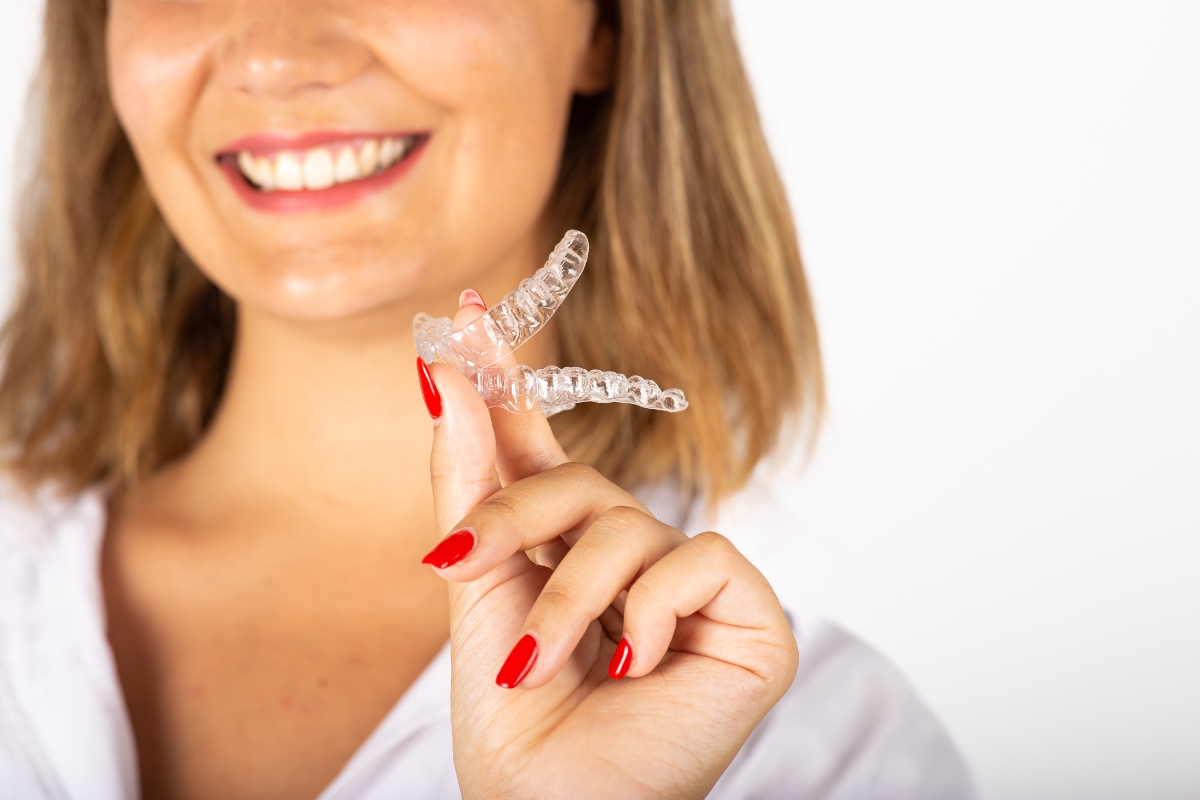
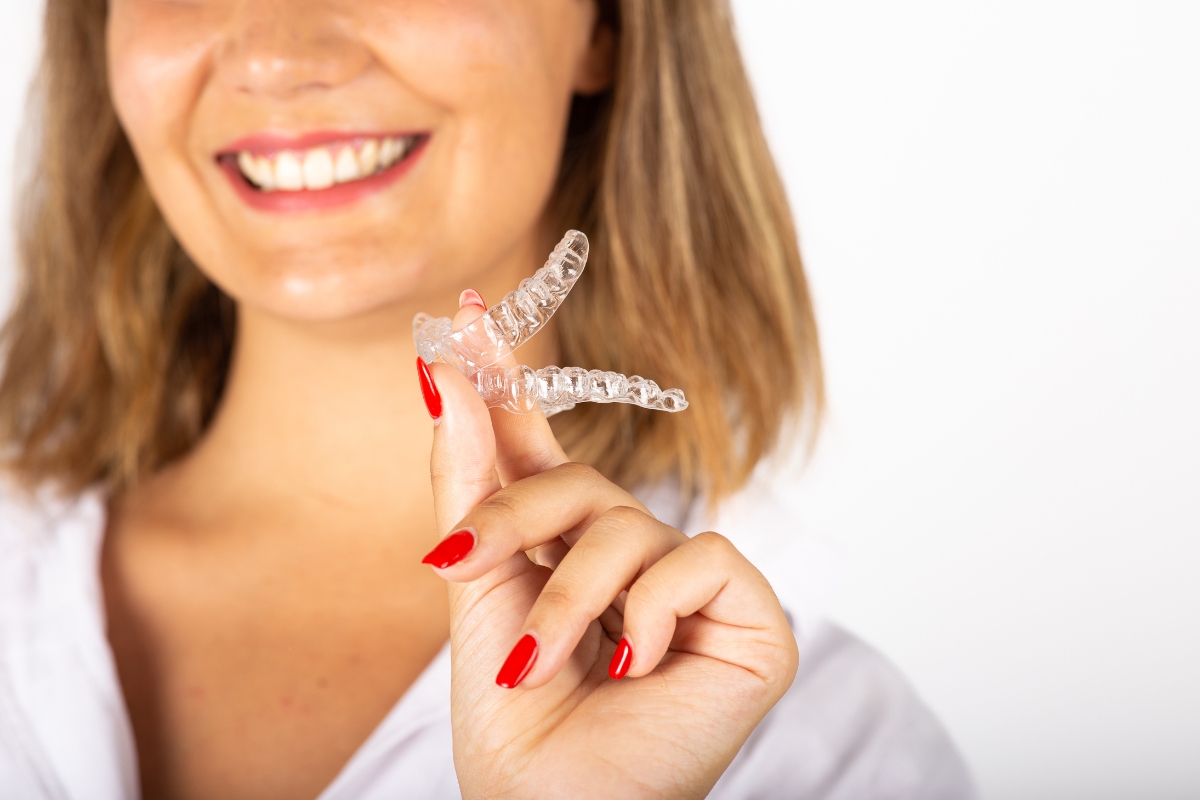
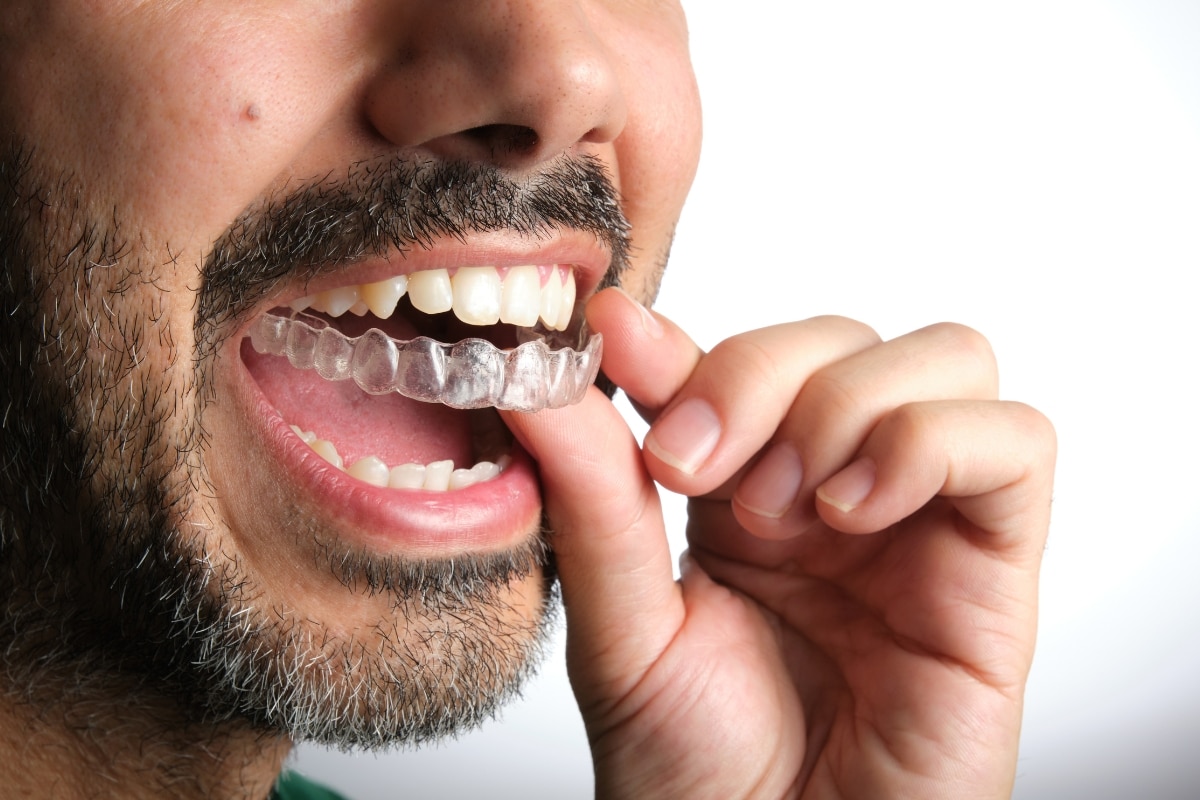
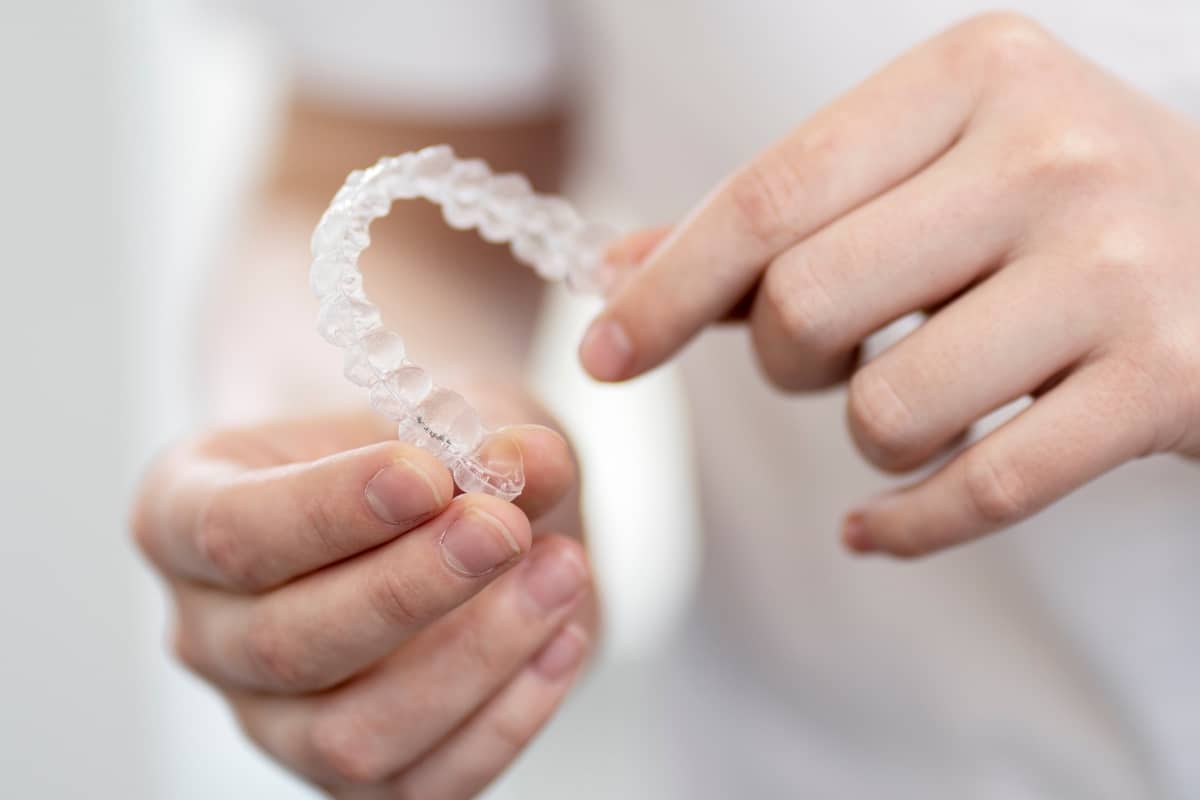
Invisalign is a modern orthodontic treatment that uses a series of custom-made clear aligners to gradually move teeth into better alignment.
Unlike traditional braces, Invisalign aligners are:
- Nearly invisible
- Removable for meals
- Comfortable to wear
- Custom-designed for your smile
Each set of aligners gently shifts your teeth over time until the desired alignment is achieved. Many adults and teens in Phoenix choose Invisalign because it offers a discreet and convenient way to improve their smile.
Can Invisalign Treat Only the Upper Teeth?
Yes — in certain situations, Invisalign may be used to treat only the upper teeth. This approach is known as single-arch treatment.
However, it’s not suitable for everyone. Dentists must carefully evaluate your bite to ensure that moving only the upper teeth will not cause alignment problems between your upper and lower jaws.
Single-arch Invisalign may work when:
- Lower teeth are already properly aligned
- Bite alignment is stable
- The issue is mostly cosmetic
- Only minor adjustments are needed
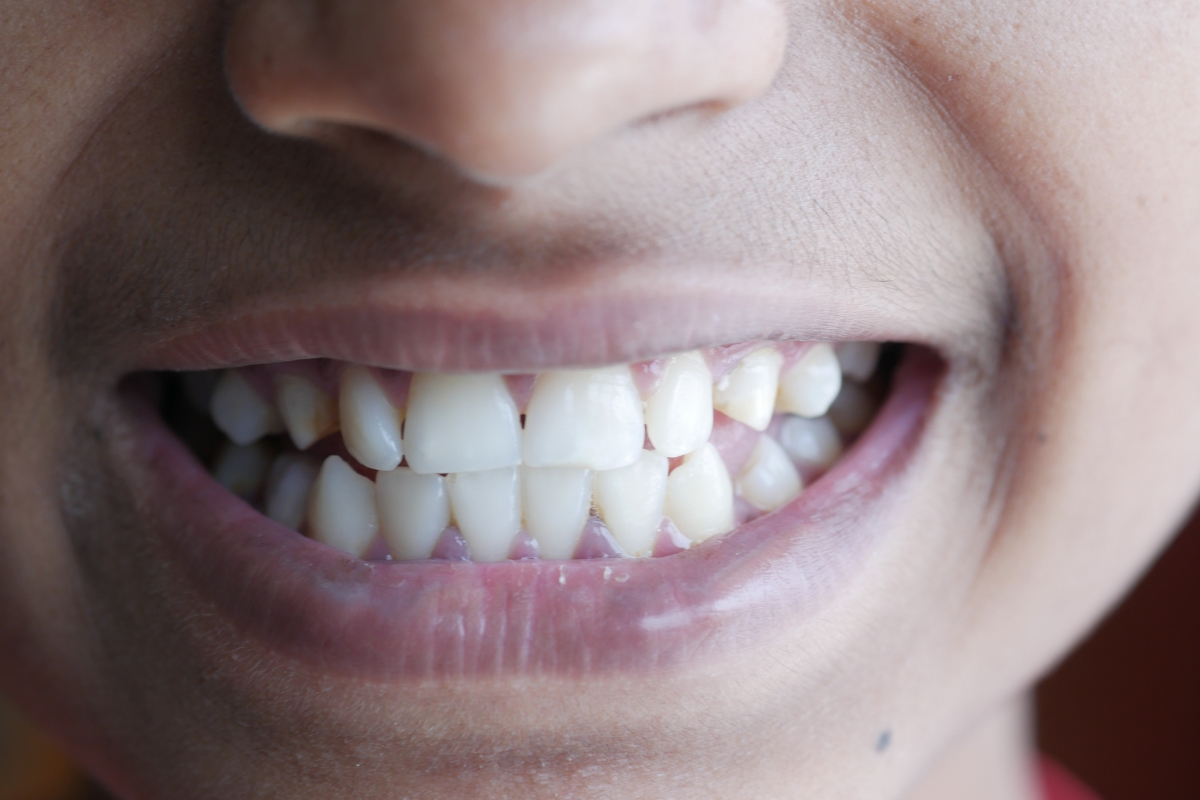
For example, slight crowding or spacing in the upper front teeth may sometimes be corrected without moving the lower teeth.
Why Treating Both Upper and Lower Teeth Is Often Recommended
Although upper-only treatment may seem appealing, dentists frequently recommend treating both arches.
Your teeth function as a connected system. When you bite down, the upper and lower teeth must fit together properly. If only one arch moves, it can affect the overall bite alignment.
Treating both arches can help ensure:
- Proper bite balance
- Even tooth wear
- Long-lasting orthodontic results
- Improved chewing function
Because of this, dentists often design Invisalign plans that address both the upper and lower teeth to maintain harmony in the bite.
Situations Where Upper-Only Invisalign May Be an Option
Some patients are excellent candidates for Invisalign treatment that focuses only on the upper teeth.
Minor Cosmetic Alignment Issues
If your primary concern is small gaps or slight crowding in the upper front teeth, single-arch treatment may provide the improvement you want.
Previously Straightened Lower Teeth
Patients who previously had braces or orthodontic treatment may only need adjustments to their upper teeth.
Healthy Bite Alignment
If your bite is already stable and functional, your dentist may determine that upper-only Invisalign treatment will not disrupt the alignment of your teeth.
However, every case is unique, which is why a consultation is essential.
How Dentists Determine Your Invisalign Treatment Plan
Before recommending Invisalign, your dentist performs a thorough examination to understand your smile and bite.
This evaluation may include:
- Digital 3D scans of your teeth
- Bite analysis
- X-rays to evaluate jaw alignment
- Assessment of crowding and spacing
At Biltmore Cosmetic & Restorative Dentistry, advanced imaging technology allows our dental team to design highly precise Invisalign treatment plans tailored to each patient.
This personalized approach helps ensure that your treatment is both effective and long-lasting.
Benefits of Invisalign Treatment
Regardless of whether your treatment involves one arch or both, Invisalign offers many advantages compared to traditional braces.
Patients in Phoenix often choose Invisalign because it provides:
- Clear aligners that are barely noticeable
- Comfortable materials without metal brackets
- Removable trays for easy cleaning and eating
- Fewer office visits during treatment
- Predictable results with digital treatment planning
These benefits make Invisalign one of the most popular orthodontic options for adults seeking a straighter smile.
Start Your Invisalign Journey in Phoenix
If you’re wondering whether Invisalign can straighten only your upper teeth, the best way to find out is by scheduling a professional consultation.
The dental team at Biltmore Cosmetic & Restorative Dentistry in Phoenix will carefully evaluate your teeth, bite, and smile goals to determine the most effective treatment plan.
Whether you need minor cosmetic adjustments or comprehensive alignment, Invisalign can help you achieve a healthier and more confident smile.
Schedule your Invisalign consultation today and take the first step toward a beautifully aligned smile in Phoenix.
Frequently Asked Questions
Is Invisalign faster if I only treat my upper teeth?
In some cases, treatment may be shorter if only minor adjustments are needed. However, treatment length ultimately depends on the complexity of your case.
Is Invisalign cheaper if only the upper teeth are treated?
Not necessarily. Invisalign pricing is based on the complexity of the treatment rather than simply the number of aligners used.
Can Invisalign fix gaps in upper teeth?
Yes. Invisalign is highly effective for closing small gaps and correcting mild spacing issues in the upper teeth.
Will I need a retainer after Invisalign?
Yes. Retainers are essential for maintaining your results and preventing teeth from shifting back after treatment.