5155 N 16th St UNIT A, Phoenix, AZ 85016



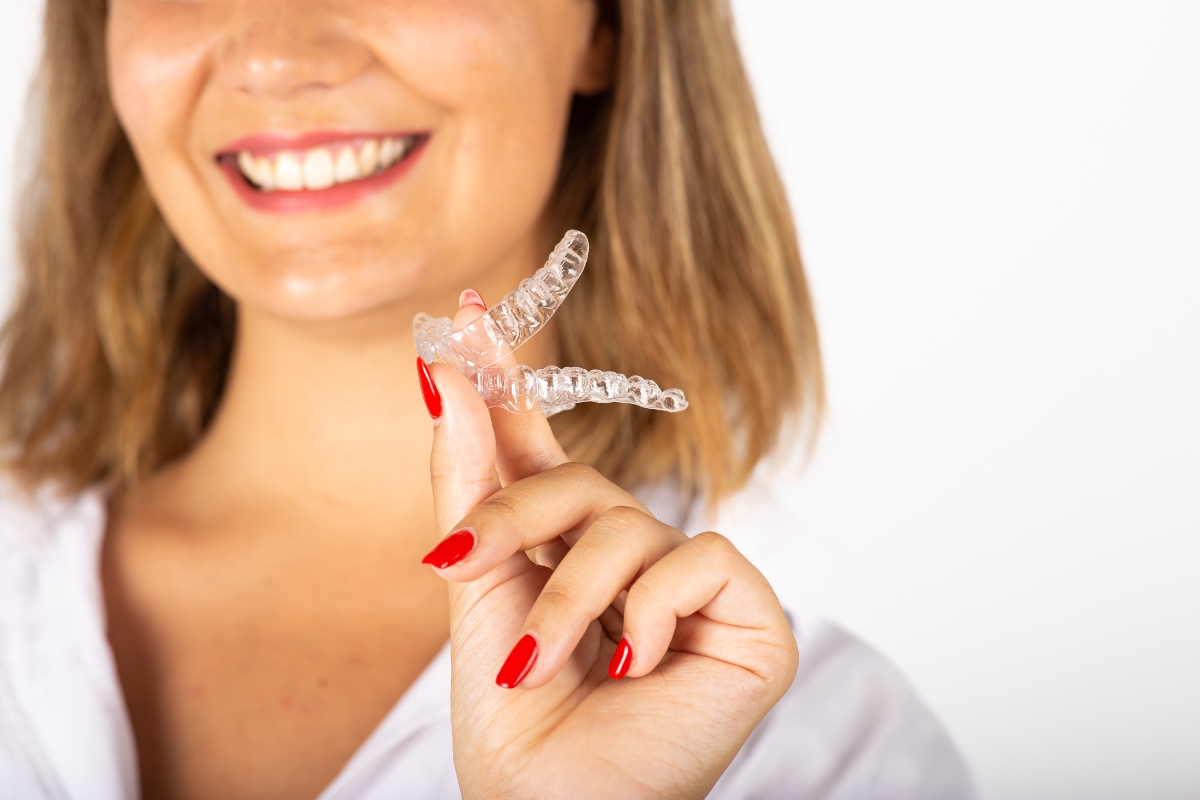
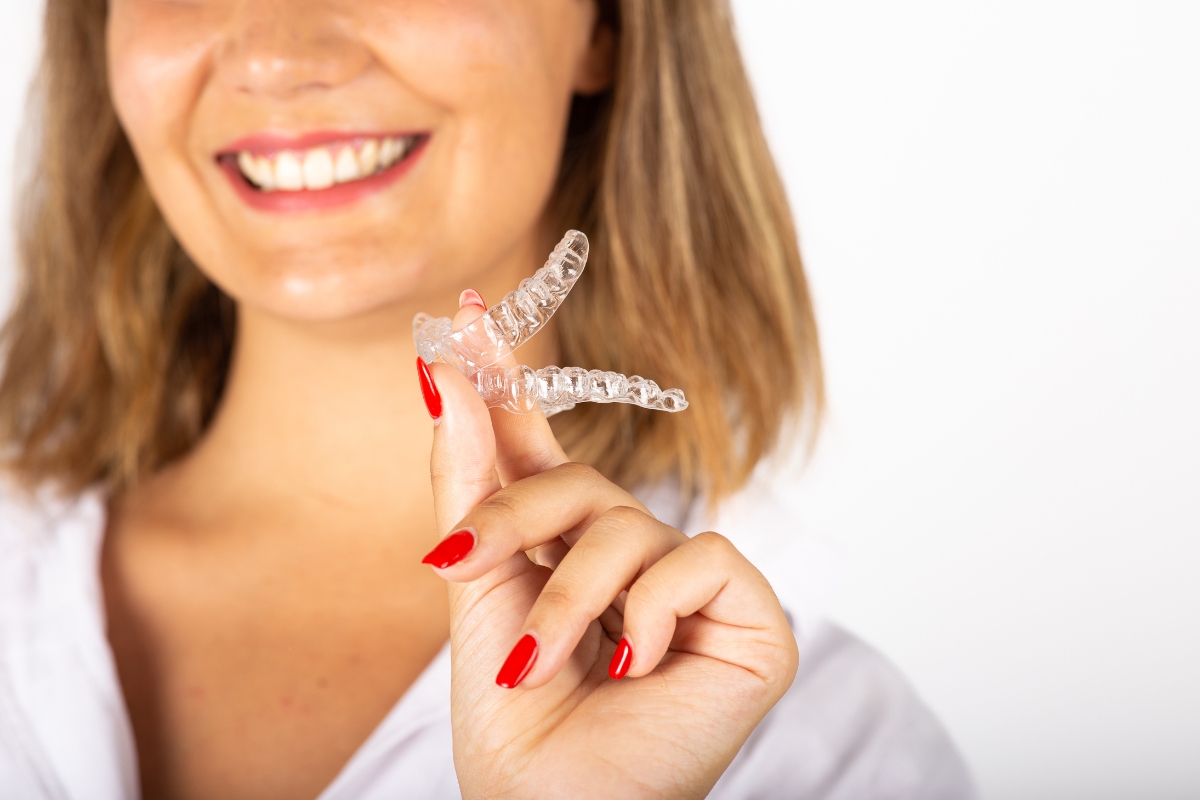
Having noticeable spacing between teeth can affect both appearance and oral health. These gaps may trap food particles, cause speech difficulties, and even contribute to plaque buildup over time. Modern orthodontic solutions offer Invisalign to help you discreetly achieve a more aligned smile. Want to find out whether these clear aligners can effectively close dental gaps? Continue scrolling below!
Understanding Tooth Gaps and The Dangers Involved
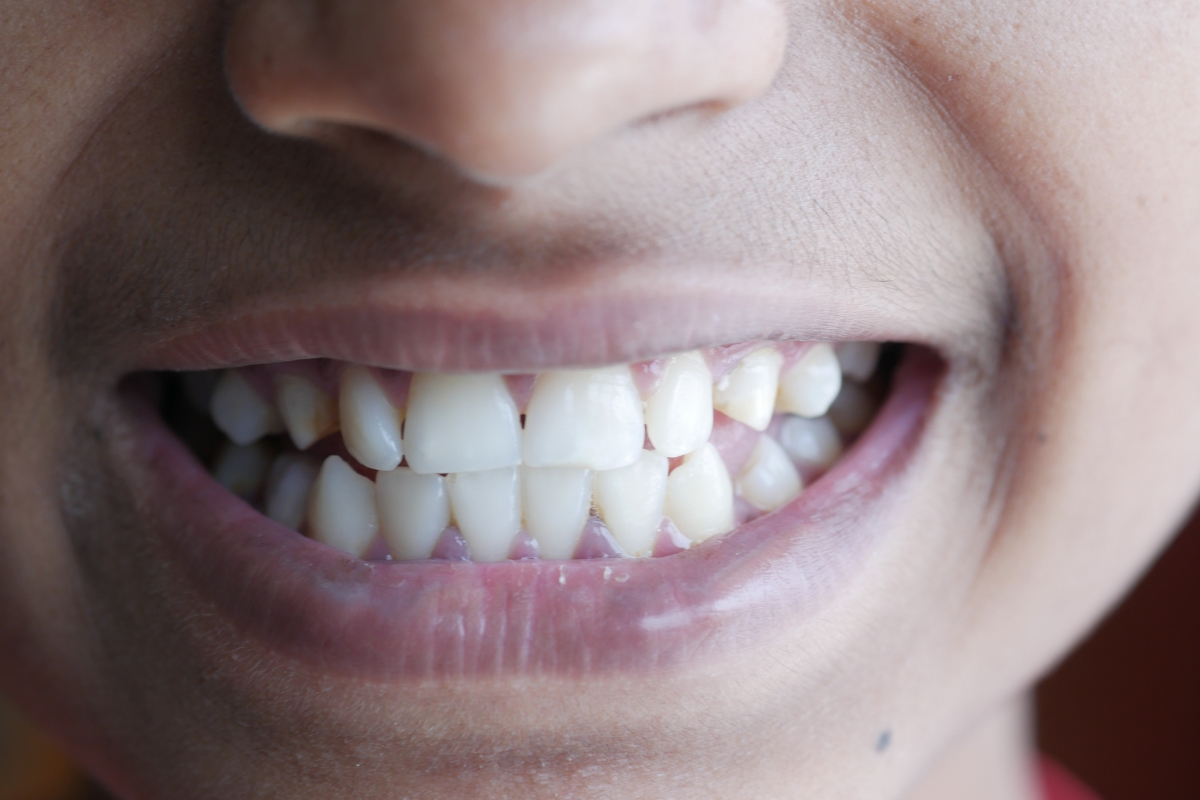
According to a case report published in the National Library of Medicine ( NLM ), a gap between the upper front teeth, known as a midline diastema, is often considered a cosmetic or alignment concern in adults. This condition is quite common in children, affecting about 98% of 6-year-olds. It becomes less common with age, seen in around 49% of 11-year-olds and only 7% of teenagers between the ages of 12 and 18.
Diastema may seem harmless, but it can harm your oral well-being. Spaces between teeth can trap food particles, leading to gum irritation and inflammation. Over time, this can contribute to gingivitis, which may cause bleeding, discomfort, and infection. Using Invisalign clear aligners improves your smile’s appearance and helps close interdental spacing, promoting healthy gums.
Can Invisalign Close Gaps Between My Teeth?
Yes, if diastema is caused by misalignment or how the teeth have erupted, transparent aligners can bring them closer together. Invisalign is designed to apply gentle, consistent pressure to move the teeth into better positions over time. However, clear aligners alone might not solve the issue if the interdental gaps are due to missing teeth or advanced bone loss. Other dental or orthodontic procedures may be necessary alongside for a gapless smile.
Key Factors That Affect the Outcome
Several factors influence whether clear aligner trays can successfully fix teeth with spaces:
1. Size of the Space
Smaller gaps, typically less than three millimeters, can be corrected with invisible aligners in just a few months. Gaps more significant than that may require a longer treatment duration and additional orthodontic or dental procedures.
2. Location of the Gap
Spaces between front teeth usually respond faster to Invisalign than those farther back. This is because front teeth are easier to shift and require less force to align correctly.
3. Shape of the Teeth
Teeth with a rounded or tapered shape generally respond better to this virtually invisible orthodontic solution. If the teeth are more square or have unique contours, they may be more resistant to shifting, extending the treatment timeline.
4. Number of Gaps
Correcting a single tooth gap is often quicker and simpler than dealing with multiple interdental spaces. When several teeth are involved, the malocclusion becomes more complex and may take additional time.
What Happens When You Book Invisalign Treatment?
The journey begins with a dental exam that includes digital scans and images of your mouth. These are used to develop a personalized treatment plan depending on the alignment of teeth and jaws. Once your transparent aligners are created, you’ll wear each set for about two weeks. These trays will gradually guide the teeth toward their desired position. As you progress through the sets, the diastema slowly begins to resolve.
Following the active phase of orthodontic treatment, a retainer is usually recommended to maintain the results with Invisalign. This is necessary to prevent the gaps from reappearing.
Using clear aligners to address spacing can be an effective and discreet option for many patients. The success of the treatment depends on various factors, including the type of gap, the patient’s age, and dietary practice. If you seek Invisalign to straighten your smile or fix diastema, visit our dentist for the most appropriate solution.