5155 N 16th St UNIT A, Phoenix, AZ 85016


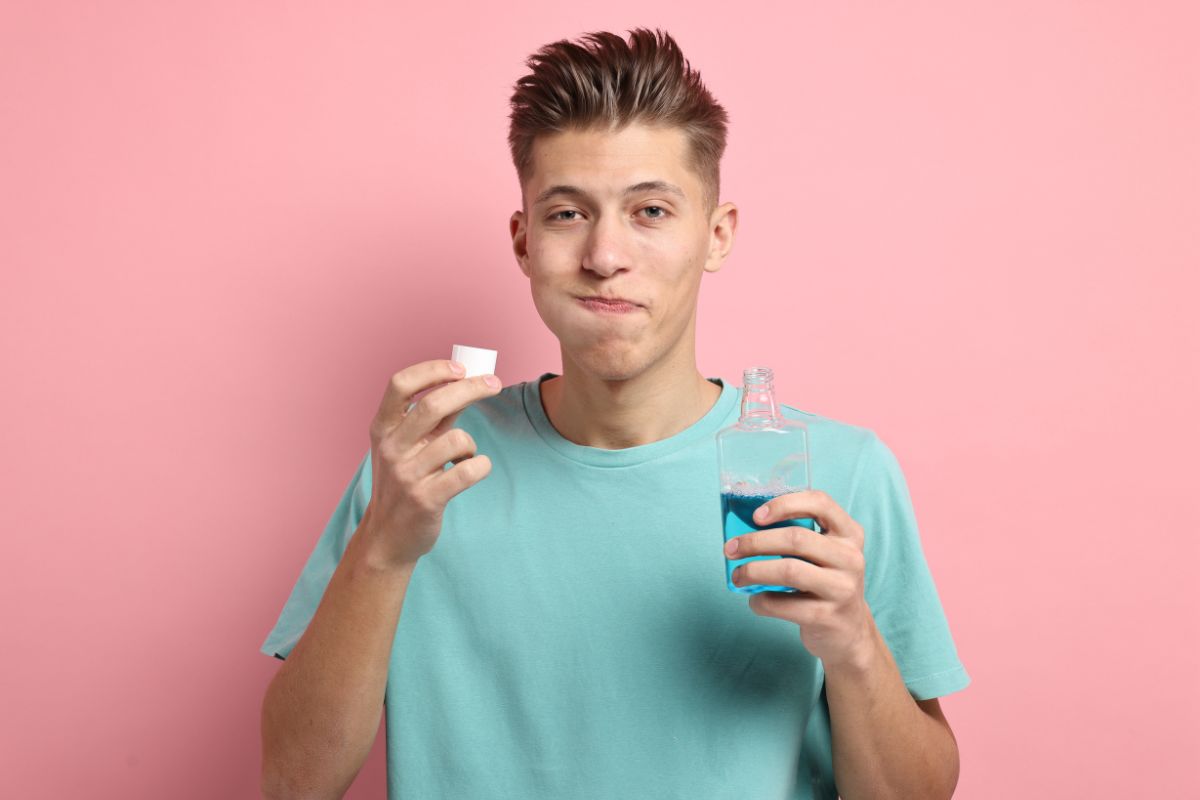
Maintaining optimal dental health goes beyond just brushing and flossing. Mouthwash is frequently recommended as a supportive tool, yet many are unsure whether it’s best used before or after brushing. This question matters, as it can affect your overall oral care routine.
In this blog, we’ll explore the role of mouthwash, proper usage techniques, and how it enhances your routine. Whether you’re focused on advanced dental health, seeking expert dental health services, or simply aiming to improve your dental health, understanding how to use mouthwash effectively can lead to healthier smiles.
Understanding Mouthwash
Mouthwash, or mouth rinse, is a liquid product formulated to support dental health. Often containing fluoride, antiseptics, or essential oils, it helps reduce plaque, fight bacteria, and freshen breath. As part of dental health services, mouthwash can address specific concerns like bad breath, gum disease, or cavities – contributing to an improved oral health status.
Benefits of Using Mouthwash
- Reduces Bacteria: Mouthwash supports dental health by killing harmful bacteria that contribute to gum disease and bad breath.
- Freshens Breath: As part of dental health services, it offers a convenient way to maintain fresh breath throughout the day.
- Strengthens Enamel: Many mouthwashes include fluoride, promoting advanced dental health by reinforcing enamel and preventing cavities.
- Reaches Areas Brushing Misses: Mouthwash complements brushing and flossing, a key point in dental health education, by reaching areas often missed for a more complete clean.
Should You Use Mouthwash Before or After Brushing?
The timing of mouthwash use can significantly affect its effectiveness. Let’s examine the arguments for using mouthwash before or after brushing.
Using Mouthwash Before Brushing
Pros:
- Loosens Plaque: Using mouthwash before brushing can help loosen plaque and debris, making it easier to remove during brushing.
- Reduces Bacteria: An initial rinse can reduce the bacteria in your mouth, providing a cleaner surface for your toothbrush to work effectively.
- Enhances Fluoride Benefits: Some people use fluoride mouthwash before brushing to enhance the fluoride treatment from toothpaste.
Cons:
- Dilution of Fluoride: Rinsing with mouthwash before brushing might dilute the fluoride in your toothpaste, potentially reducing its effectiveness.
- Potential Irritation: Some mouthwashes, especially those containing alcohol, may cause irritation or dryness if used before brushing.
Using Mouthwash After Brushing
Pros:
- Complete the Routine: Using mouthwash after brushing ensures you rinse away any remaining toothpaste and food particles.
- Effective Fluoride Use: Mouthwash applied after brushing can boost fluoride, helping to protect and strengthen teeth.
- Long-Lasting Freshness: Using mouthwash as the final step helps maintain fresh breath throughout the day.
Cons:
- Washing Away Benefits: If you use mouthwash immediately after brushing, it might wash away some of the beneficial fluoride left by the toothpaste.
- Possible Overuse: Overusing mouthwash can lead to an imbalance in your oral microbiome and cause mouth dryness or irritation.
Best Practices for Using Mouthwash
To maximize the benefits of mouthwash while maintaining good oral health, consider these best practices:
Choose the Right Mouthwash
Select a mouthwash that aligns with your dental health needs. Options include fluoride mouthwashes for cavity prevention, antiseptic mouthwashes for gum health, and breath-freshening mouthwashes for daily use.
Follow Instructions
Always follow the manufacturer’s instructions for the mouthwash you are using. Some require a specific amount and duration for rinsing to be effective.
Avoid Eating or Drinking Immediately
After using the mouthwash, avoid eating or drinking for at least 30 minutes to allow the active ingredients to work effectively.
Consult Your Dentist
Consult your dentist during your regular dental checkup for personalized advice on mouthwash usage and to address any specific oral health concerns.
Incorporating Mouthwash into Your Routine
Here’s a suggested approach for incorporating mouthwash into your oral hygiene routine:
- Brush First: Start by brushing your teeth with fluoride for at least two minutes.
- Floss: Follow up with flossing to remove food particles and plaque between your teeth.
- Rinse: Depending on your preference and the type of mouthwash you use, use mouthwash either before or after brushing.
Personalized Routine
Your specific needs and preferences will influence the best time to use mouthwash. Some people might find it beneficial to use mouthwash before brushing to loosen plaque, while others might prefer using it to seal in fluoride and ensure long-lasting freshness.
Many patients often ask, should you use mouthwash before or after brushing, or wonder if they should mouthwash before brushing at all. The truth is, both approaches can work depending on your oral care goals, but most dentists recommend brushing first and then using mouthwash at the right time. If you’re unsure whether to brush or mouthwash first, it helps to understand how each step contributes to removing plaque and strengthening your teeth. For those asking, do you use mouthwash before or after brushing your teeth, the answer typically leans toward using it after brushing—but with proper timing to get the full benefit.
Another common question is how long should I wait to use mouthwash after brushing and whether you should rinse after mouthwash. Ideally, you should wait at least 20–30 minutes after brushing before using mouthwash, especially if your toothpaste contains fluoride. This prevents washing away the protective layer that brushing leaves behind. If you’re thinking about using products like Listerine before or after brushing, the same rule applies—timing matters. Understanding the best time to use mouthwash and when you should use mouthwash in your routine can make a big difference in maintaining long-term oral health.
Deciding whether to use mouthwash before or after brushing depends on personal preference and the type you use. Both methods have their benefits, and the key is effectively integrating mouthwash into your oral health routine. For the best results, consult dentist who take the time to understand individual patient needs and preferences.
Paying attention to how and when you use mouthwash can enhance your oral care routine and maintain a healthy, beautiful smile.
Confused about whether to use mouthwash before or after brushing? Understanding the right order in your oral care routine can make a big difference in how effectively you protect your teeth and gums. Learn the best time to use mouthwash, how long you should wait after brushing, and simple tips to improve your daily dental hygiene routine. For personalized guidance and complete oral health care, book your appointment today with Biltmore Cosmetic & Restorative Dentistry in Phoenix and let our team help you maintain a healthier, brighter smile.
Frequently Asked Questions (FAQs)
Q. Do You Use Mouthwash Before or After Brushing?
A: It’s best to use mouthwash after brushing and flossing. Brushing removes plaque, allowing the mouthwash to better reach and protect your teeth. For mouthwashes with fluoride, avoid rinsing with water afterward to let the fluoride work effectively and support long-term dental health.
Q. How Long Should I Wait To Use Mouthwash After Brushing?
A: Wait about 30 minutes after brushing before using mouthwash, especially if you’re using a fluoride toothpaste. This allows the fluoride from the toothpaste to fully absorb into your enamel without being rinsed away, maximizing its protective benefits for your dental health.
Q. What is The Correct Order For Oral Hygiene?
A: The correct order for oral hygiene is:
- Floss to remove plaque and food between teeth.
- Brush with fluoride toothpaste for 2 minutes.
- Use mouthwash after 30 minutes to rinse away remaining bacteria and freshen breath.
This sequence ensures a thorough clean and supports optimal dental health.