5155 N 16th St UNIT A, Phoenix, AZ 85016


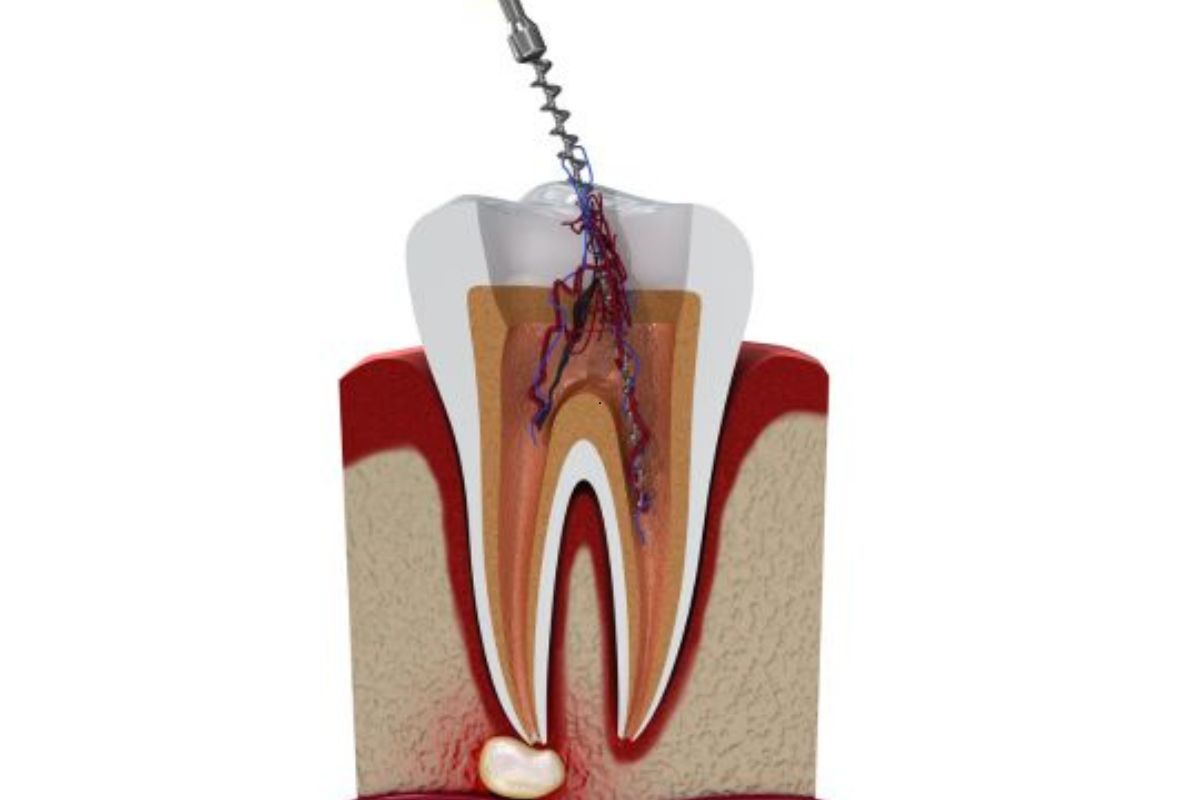
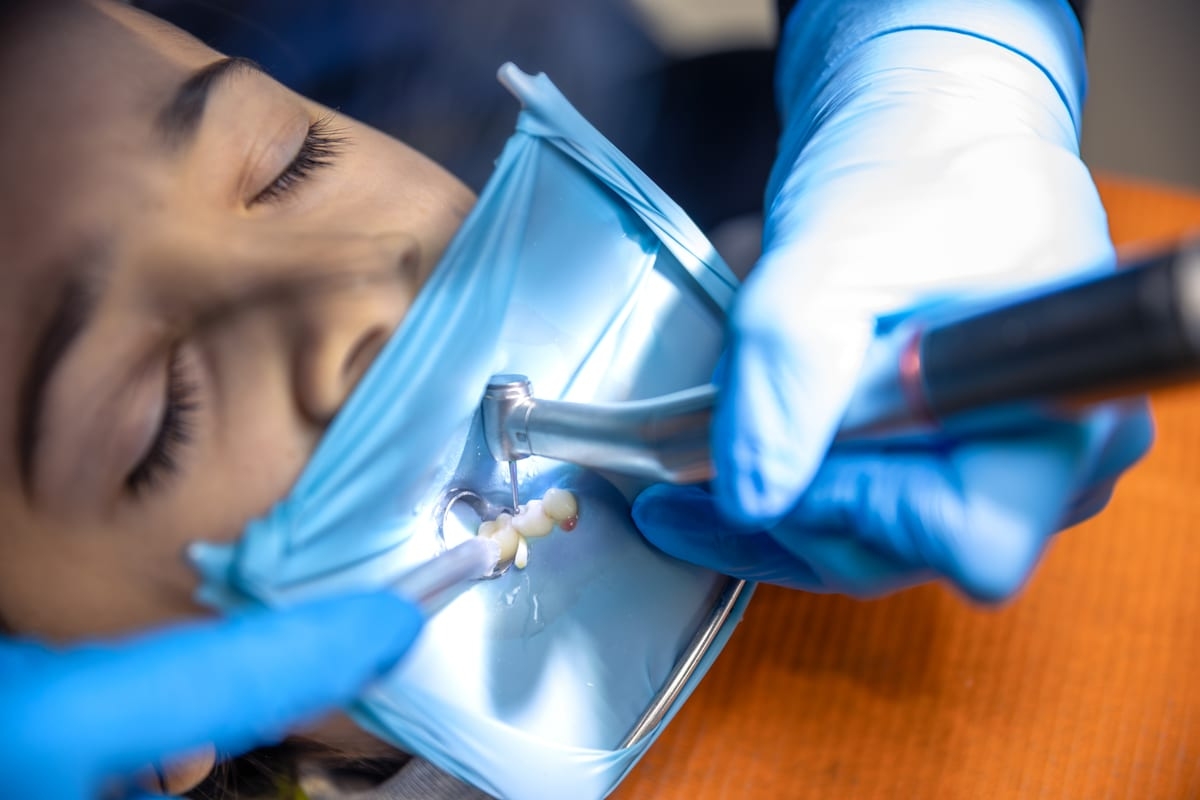
Root Canal Therapy is a dental procedure that saves an infected or damaged tooth from extraction. While the thought of needing a root canal may sound intimidating, it is often the best way to preserve your tooth and relieve significant pain. If you’re experiencing dental discomfort or suspect you may need a root canal, it’s important to consult with a dentist as soon as possible. Here are some key signs that you should see a dentist for root canal therapy.
Persistent Tooth Pain
One of the most common symptoms that indicate you may need root canal therapy is persistent or severe tooth pain. This pain can be constant or may occur only when chewing or applying pressure. If the pain is localized to one tooth and lasts for an extended period, it’s a clear sign that the tooth may be infected or damaged, and root canal therapy is likely necessary.
Tooth Sensitivity
If your tooth becomes extremely sensitive to hot or cold foods and drinks, it may be a sign of infection in the tooth’s pulp. Prolonged sensitivity that lingers long after eating or drinking could indicate that the nerve inside the tooth is compromised, and a dentist should evaluate it to determine if a root canal is needed.
Swollen or Tender Gums
Swelling around the affected tooth, especially near the gum line, can be a sign of infection in the tooth’s root. The gums may also feel tender to the touch and may appear redder than usual. In some cases, a pimple-like bump may form on the gums, which may leak pus—a clear indication of infection. If you notice any of these signs, it’s time to see a dentist in Phoenix for an assessment of the need for root canal therapy.
Discoloration of the Tooth
A tooth that turns dark or discolored can be a sign of damage to the tooth’s pulp or nerve. This discoloration may happen as a result of trauma, infection, or decay. If you notice a tooth changing color, it’s important to visit a dentist for an evaluation. Root canal therapy may be required to save the tooth and restore its appearance.
Frequent Abscesses or Pimples on the Gums
A dental abscess, often visible as a pimple-like bump on the gums, is an indication of infection in the tooth’s root. This infection can cause significant pain and may even spread to other parts of your mouth or body if left untreated. Abscesses are often a result of untreated tooth decay or trauma, which can lead to the need for root canal therapy.
Pain While Chewing or Touching the Tooth
If you experience pain when biting down or touching the affected tooth, it could be a sign of nerve damage or infection. The pressure of chewing or even light tapping may trigger discomfort. This symptom can indicate the presence of an infection deep within the tooth that is affecting the pulp, which may require root canal therapy to resolve.
Extreme Discomfort That Doesn’t Go Away
If you’ve had a toothache or discomfort that persists despite over-the-counter pain relievers, it’s time to seek professional dental care. Persistent pain that doesn’t subside with medication often signals an underlying infection that won’t improve without root canal therapy. Ignoring the pain could lead to further complications, so it’s best to consult a dentist right away.
Fever and General Illness Symptoms
In some cases, a severe tooth infection can lead to systemic symptoms, such as fever or swollen lymph nodes. If you experience a fever in conjunction with tooth pain or swelling, it’s a serious sign that the infection may be spreading. In these situations, you should seek emergency dental care as soon as possible.
What to Do Next?
If you are experiencing any of the signs mentioned above, it’s important to schedule an appointment with a dentist as soon as possible. The sooner you address the issue, the better your chances of saving the tooth and avoiding more extensive treatments like extractions. Root canal therapy is a safe and effective procedure that can alleviate pain, eliminate infection, and restore your tooth to full function.
Conclusion
Root canal therapy is often the best solution for saving a damaged or infected tooth. If you are experiencing symptoms like persistent pain, sensitivity, swelling, or discoloration, it’s crucial to visit a dentist at Biltmore Cosmetic & Restorative Dentistry Phoenix for an evaluation. Early intervention can prevent further complications and ensure the best possible outcome for your oral health. Don’t wait for the pain to worsen-schedule an appointment with Biltmore Cosmetic & Restorative Dentistry Phoenix today and take the first step toward a healthier, pain-free smile.