5155 N 16th St UNIT A, Phoenix, AZ 85016


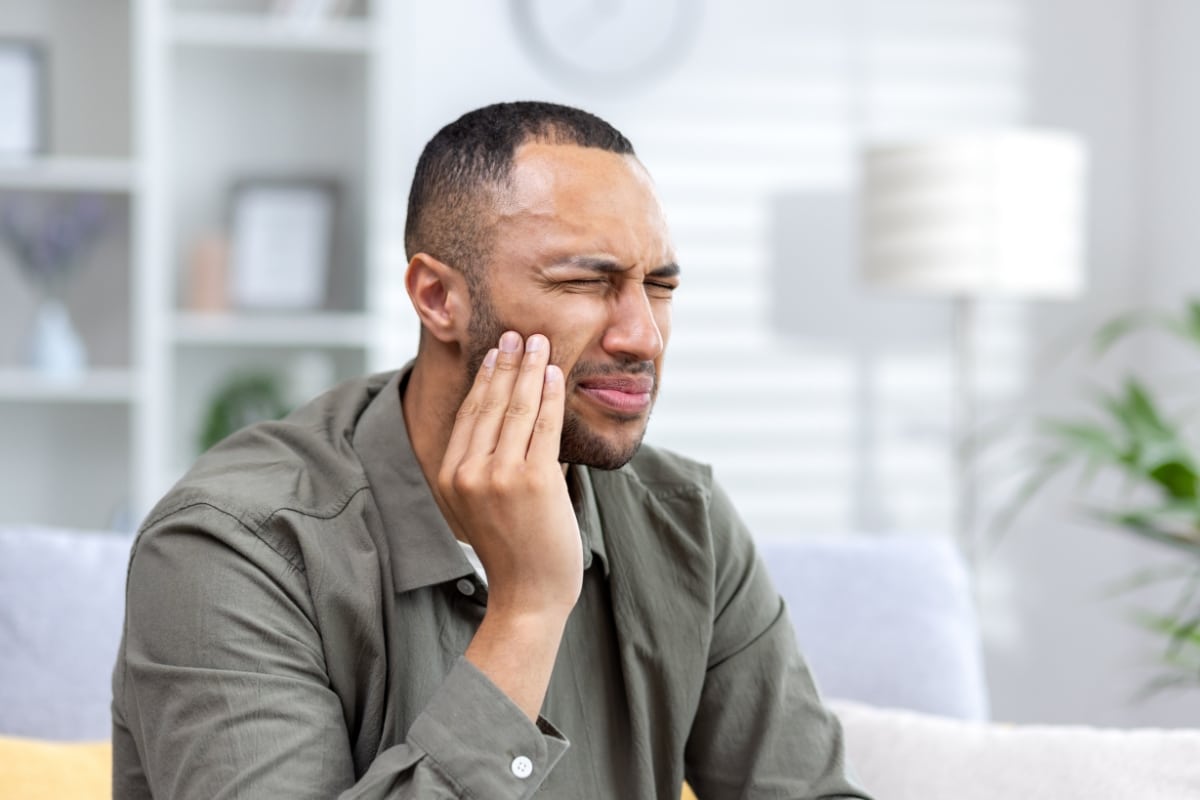
If you wake up with a stiff jaw, hear a clicking sound when you chew, or battle chronic headaches that never seem to have a clear cause — you may be dealing with a temporomandibular joint (TMJ) disorder. And you are far from alone. Millions of Americans live with TMJ pain every day, often without knowing that a dentist can help.
At Biltmore Cosmetic & Restorative Dentistry, we specialize in TMJ treatment in Phoenix, helping patients find lasting relief through personalized, expert care. Whether your symptoms are mild or have been disrupting your quality of life for years, understanding what TMJ disorder is — and what you can do about it — is the first step toward feeling better.
This guide covers everything you need to know: what causes TMJ pain, the most common symptoms to watch for, exercises you can try at home, and how to find the best TMJ dentist in Phoenix for your specific needs. Let’s get started.
Living with jaw discomfort that does not go away? From difficulty chewing, speaking, headaches, and facial tension, pain in the jaw joint often develops slowly, making it easy to overlook. Yet for millions of Americans, these symptoms are part of a broader clinical issue known as temporomandibular joint disorder (TMJ). Whether waking up with tightness in your jaw or struggling to chew pain-free, the condition can affect your quality of life.
If left unaddressed, TMJ can lead to long-term complications. However, the right combination of awareness, treatment, and expert care can offer lasting relief. This blog will walk you through the details before the pain becomes your new normal.
What Is Temporomandibular Joint Disorder?
The temporomandibular joints (TMJ) are the hinges that connect the lower jaw (mandible) to the skull’s temporal bones. They are located just in front of each ear and play a crucial role in speaking, chewing, and yawning. When the TMJ becomes misaligned, inflamed, or otherwise compromised, it leads to pain, collectively referred to as TMJ symptoms.
Identifying The Warning Signs Of TMJ Disorder
- Audible clicking, popping, or grating sounds when opening or closing the mouth.
- Pain or tenderness in the jaw joint, face, neck, or around the ears.
- Difficulty and discomfort while chewing.
- Limited range of motion and locking of the jaw.
- Frequent tension headaches or migraines.
- A noticeable change in how the upper and lower teeth align (malocclusion).
These symptoms can vary in intensity and frequency, often progressing over time if left untreated. Many people experience these signs intermittently, while others struggle with daily flare-ups that affect their quality of life. Thus, early recognition and intervention are essential for effective management and long-term relief.
Primary Reasons For The Development Of TMJ Dysfunction
Several causes are associated with the constant pain, often involving structural, muscular, and behavioral elements. Common causes include:
- Bruxism (Teeth Grinding Or Clenching): The excessive pressure places significant stress on the jaw joint and surrounding muscles.
- Malocclusion (Misaligned Bite): Misalignment of the upper and lower teeth causes uneven pressure on the temporomandibular joint.
- Arthritis: Degenerative or inflammatory arthritis affecting the mandibular joint, resulting in stiffness and limited mobility.
- Muscle Tension Due To Stress: Psychological stress causes increased tension in the facial and jaw muscles.
- Injury Or Trauma: Direct injury to the jaw, head, and neck can damage the temporomandibular joint and surrounding tissues.
- Degenerative Changes And Wear: Natural wear and tear of the joint structures contribute to the development of discomfort following trauma.
For some, the causes might originate slowly at their own pace, but some might notice a sudden change right after a physical injury. Are you ignoring ther subtle sign of jaw clicking? You are missing the most effective home remedies to treat the cause before it worsens.
TMJ Pain Relief At Home: Exercises And Lifestyle Tips
Mild indications can often be managed at home with the right techniques and self-care strategies. Here are some expert-recommended TMJ exercises and habits to promote relief:
Jaw Relaxation Technique
Rest the tip of your tongue against the back of your upper front teeth. Your jaw rests and opens. Do it a few times throughout the day to release tension.
Chin Tucks
Keep your shoulders back and pull your chin directly in, again holding for a few seconds. This promotes jaw alignment and posture.
Side-To-Side Jaw Movement
Hold an item like a pencil between your front teeth and gently move your jaw right and left. This builds up strength and control.
Heat And Cold Remedy
Place a warm, damp cloth on the side of the face or jaw to help ease muscle tension. You can also apply an icepack to minimize swelling.
Stress Reduction
Practice deep breathing, yoga, and meditation to reduce subconscious clenching and tension in your jaw.
Home remedies are the best way to ease the tightness, but this can be temporary. While providing relief, long-term and severe cases necessitate TMJ treatment at a professional dentist’s office for a permanent fix.
Expert TMJ Care: How Specialists Improve Jaw Functionality
When jaw pain persists despite home remedies, a TMJ specialist can provide targeted care to restore and relieve discomfort. They have the expertise to diagnose and treat the underlying cause, avoiding further complications.
A qualified jaw pain dentist offers the following remedies:
- Custom nightguards to prevent teeth grinding.
- Bite adjustments to correct alignment.
- Physical therapy and advanced TMJ therapy techniques.
- In severe cases, referrals for surgery or Botox injections to relieve muscle tension.
To receive the best care possible, find a jaw pain dentist in your area who focuses on TMJ disorder diagnosis and treatment. Not all general dentists specialize in it, so you should look for someone with experience and a history of proven success.
How To Find The Best TMJ Dentist Near You For Successful Treatments
Below are some pragmatic tips to help you find the top TMJ dentist in your nearby area:
- Check Qualifications: Seek a professional with all the necessary training, certifications, and specializations to treat TMJ disorder.
- Read Reviews: Research reviews online on Google and patient feedback to determine the effectiveness and compassion of the care.
- Learn About The Equipment Used: The top TMJ professionals use state-of-the-art imaging tools, such as 3D CBCT scans, to observe the root of pain.
Consulting with the best jaw pain dentist further ensures you receive a personalized treatment plan based on your diagnosis. It helps to set realistic expectations before the process begins.
Reclaim Comfort And Function With Our Trusted TMJ Specialists
Temporomandibular joint disorders can profoundly impact one’s quality of life, interfering with chewing, speaking, and sleeping. Without appropriate care, these issues progress, leading to increased discomfort and long-term joint dysfunction.
Fortunately, modern dentistry offers effective, evidence-based solutions. Through a combination of diagnostic precision, custom oral appliances, therapeutic interventions, and ongoing management, the root cause of TMJ can be reduced.
We take a comprehensive, specialist-led approach to dental care. Our clinical team is equipped with advanced technology and years of focused expertise in managing complex TMJ cases. We are committed to delivering outcomes that restore each patient’s comfort, function, and stability. If you are seeking a trusted provider for your oral care in Phoenix, we invite you to schedule an appointment to experience the standard of excellence that defines our practice.
TMJ disorder is more common — and more treatable — than most people realize. From the subtle early signs of jaw tension to the more disruptive symptoms like locking, chronic headaches, and difficulty chewing, the sooner you take action, the better your outcomes.
The exercises and self-care strategies in this guide are a strong starting point. But if your symptoms persist, worsen, or are already affecting your daily life, it is time to consult a professional. Not all jaw pain is the same, and an accurate diagnosis makes all the difference in finding the right treatment plan.
That’s where Biltmore Cosmetic and Restorative Dentistry in Phoenix comes in. As a trusted provider of TMJ treatment in Phoenix, our team is experienced in diagnosing and treating the full spectrum of TMJ disorders — from custom night guards and bite adjustments to advanced therapies tailored to your needs. We treat every patient as an individual, because no two jaws are exactly alike.
If you’re searching for reliable TMJ treatment in Phoenix, don’t wait for the pain to get worse. We are here to help you reclaim comfort, function, and confidence — one appointment at a time. Book your consultation today and take the first step toward a pain-free life.
Frequently Asked Questions (FAQs)
What is TMJ disorder and what causes it?
TMJ disorder (also called TMD) refers to a group of conditions affecting the temporomandibular joint — the hinge connecting your jaw to your skull. Common causes include teeth grinding (bruxism), jaw injuries, arthritis, bite misalignment, and chronic stress. Our Phoenix TMJ specialists identify the root cause before recommending a treatment plan.
What are the most common TMJ symptoms?
The most common symptoms include jaw pain or tenderness, clicking or popping sounds when opening the mouth, difficulty chewing, frequent headaches or migraines, earaches, and jaw locking. Symptoms can range from mild to severe and may appear on one or both sides of the face.
Can TMJ go away on its own?
Mild TMJ discomfort sometimes improves with rest, soft foods, and home exercises. However, if symptoms persist for more than a few weeks, worsen over time, or significantly affect your daily life, you should seek professional care. Untreated TMJ disorders can lead to long-term jaw damage and chronic pain.
How do I know if I need to see a TMJ dentist in Phoenix?
You should see a TMJ dentist if you experience persistent jaw pain lasting more than 2–3 weeks, jaw locking or difficulty opening your mouth fully, pain that radiates to your neck or ears, or if over-the-counter pain relief isn’t working. Our Phoenix team can diagnose your condition and recommend the most effective next steps.
Are TMJ exercises safe to do at home?
Yes — gentle TMJ exercises are generally safe for most people and can help reduce jaw tension and improve range of motion. However, if any exercise causes sharp pain, you should stop immediately and consult a professional. The exercises in this guide are based on clinically recommended techniques, but a personalized assessment from a TMJ specialist in Phoenix is always the most reliable path to relief.
How long does TMJ treatment take?
The duration of TMJ treatment varies depending on the severity of your condition and the type of treatment used. Some patients experience significant relief within a few weeks of using a night guard or following a prescribed exercise routine. More complex cases may require several months of ongoing care. We set realistic expectations and keep you informed throughout your treatment journey.