5155 N 16th St UNIT A, Phoenix, AZ 85016



[et_pb_section fb_built=”1″ admin_label=”section” _builder_version=”4.16″ global_colors_info=”{}”][et_pb_row admin_label=”row” _builder_version=”4.16″ background_size=”initial” background_position=”top_left” background_repeat=”repeat” global_colors_info=”{}”][et_pb_column type=”4_4″ _builder_version=”4.16″ custom_padding=”|||” global_colors_info=”{}” custom_padding__hover=”|||”][et_pb_text admin_label=”Text” _builder_version=”4.16″ background_size=”initial” background_position=”top_left” background_repeat=”repeat” global_colors_info=”{}”]
[/et_pb_text][/et_pb_column][/et_pb_row][/et_pb_section]
Have you ever experienced a clicking or popping sensation when you open or close your mouth? Perhaps you’ve felt unexplained pain in your jaw, face, or even your ear? These seemingly disparate symptoms could be linked to a common yet often misunderstood condition affecting millions: Temporomandibular Joint (TMJ) disorders.
The TMJ, short for temporomandibular joint, is the intricate hinge that connects your jawbone to your skull. You have one on each side of your face, working in concert to enable essential daily functions like talking, chewing, and yawning. When these joints, the surrounding muscles, ligaments, and nerves, don’t work together harmoniously, it can lead to a range of painful and disruptive issues collectively known as TMJ disorders.
What Does TMJ Stand For?

TMJ stands for temporomandibular joint. This is the joint that connects your jawbone to your skull. You have one TMJ on each side of your face, located just in front of your ears. These joints are complex and allow for a wide range of movements, including opening and closing your mouth, chewing, speaking, and yawning. Think of them as sliding hinges that also rotate. The bones within the joint are covered with cartilage and separated by a small shock-absorbing disc, which helps keep the movement smooth.
What are the TMJ Symptoms?

The symptoms of temporomandibular joint disorders (often also referred to as “TMJ”) can vary significantly from person to person. Some common TMJ symptoms include:
- Pain or tenderness in the jaw joint, face, neck, and/or shoulders. This is often described as a dull ache but can be sharp and intense.
- Pain when chewing, speaking, or opening the mouth wide.
- Limited movement or locking of the jaw, making it difficult to open or close your mouth.
- Clicking, popping, or grating sounds when you open or close your mouth. These sounds may or may not be painful.
- A feeling that your bite is misaligned or uncomfortable.
- Headaches, including tension headaches and migraines.
- Ear pain, earaches, ringing in the ears (tinnitus), or a feeling of fullness in the ears.
- Dizziness.
- Toothaches or sensitive teeth.
- Neck pain and stiffness.
- Facial swelling.
It’s important to note that experiencing one or more of these symptoms doesn’t necessarily mean you have a TMJ disorder, as these symptoms can sometimes be related to other conditions.
Why Does TMJ Happen?

The exact causes of temporomandibular joint disorders are often complex and not fully understood. In many cases, the pain and dysfunction arise from a combination of factors rather than a single cause. Some of the contributing factors to TMJ include:
- Bruxism (Teeth Grinding and Clenching): Habitual grinding or clenching of the teeth, especially during sleep, can put excessive pressure on the TMJ, surrounding muscles, and ligaments.
- Arthritis: Both osteoarthritis and rheumatoid arthritis can affect the temporomandibular joint, leading to pain and stiffness.
- Jaw Injury: Trauma to the jaw, TMJ, or surrounding muscles (e.g., from a blow to the face or a whiplash injury) can contribute to TMJ disorders.
- Stress and Psychological Factors: Stress can lead to muscle tension in the face and jaw, increasing the likelihood of clenching or grinding teeth. Anxiety and depression can also play a role.
- Misalignment of Teeth (Malocclusion): While historically thought to be a major cause, current research suggests that a misaligned bite is not always a primary factor in TMJ disorders. However, it can contribute in some individuals.
- Poor Posture: Incorrect posture of the head and neck can strain the muscles of the face and jaw.
- Connective Tissue Disorders: Certain connective tissue disorders can affect the joints throughout the body, including the TMJ.
- Disk Displacement: In some cases, the soft disc between the jawbone and the skull can become displaced or damaged, leading to pain and clicking.
Will TMJ Go Away? What is the Best Treatment for TMJ?

The prognosis for temporomandibular joint disorders varies. In many cases, TMJ will go away or significantly improve over time with conservative treatment and self-care strategies. For some individuals, the symptoms may be intermittent, flaring up during periods of stress or overuse and then subsiding. However, for others, TMJ disorders can be a chronic and persistent issue requiring ongoing management.
Because the causes and severity of TMJ disorders differ, there isn’t one single “best” treatment. The best treatment for TMJ is often a multidisciplinary approach tailored to the individual’s specific symptoms and underlying causes. Conservative treatments are usually the first line of defense and are effective for many people. These include:
- Self-Care Strategies:
- Resting the Jaw: Avoiding wide jaw movements (yawning, chewing gum, biting nails).
- Applying Heat or Cold Packs: To reduce pain and inflammation.
- Eating Soft Foods: To minimize stress on the jaw.
- Gentle Jaw Exercises and Stretching: As recommended by a healthcare professional.
- Stress Management Techniques: Such as yoga, meditation, or deep breathing exercises.
- Improving Posture: Being mindful of head and neck alignment.
- Medications:
- Pain Relievers: Over-the-counter medications like ibuprofen or naproxen can help reduce pain and inflammation.
- Muscle Relaxants: Prescription medications to help relax tense jaw muscles.
- Tricyclic Antidepressants: In low doses, these can help with pain management.
- Oral Appliances (Splints or Night Guards): Custom-made devices that fit over the upper or lower teeth can help stabilize the jaw joint, reduce teeth grinding, and relieve muscle tension.
- Physical Therapy: Exercises to strengthen jaw muscles, improve range of motion, and reduce pain.
More invasive treatments are typically considered only when conservative measures have been unsuccessful. These may include:
- Injections: Corticosteroid injections into the joint can help reduce pain and inflammation. Botox injections into the jaw muscles may also be used to relieve muscle tension.
- Arthrocentesis: A minimally invasive procedure to wash out the joint and remove inflammatory byproducts.
- TMJ Surgery: Surgical interventions are generally reserved for severe cases where there is significant structural damage to the joint or when other treatments have failed. Different surgical options exist, ranging from minimally invasive arthroscopy to open-joint surgery.
It’s crucial to consult with a healthcare professional for an accurate diagnosis and a personalized treatment plan.
Who is the Best TMJ Dentist?

The initial doctor you might see for TMJ symptoms could be your general dentist or your primary care physician. They can often provide initial assessment and recommend conservative treatments.
However, for more complex or persistent TMJ issues, you might need to see a specialist. The type of doctor that is best for TMJ can vary depending on the nature of your problem, but potential specialists include:
- Oral and Maxillofacial Surgeons: These specialists are trained in the surgical treatment of diseases and conditions affecting the mouth, jaws, face, and neck, including severe TMJ disorders.
- Prosthodontists: Dentists who specialize in the restoration and replacement of teeth can also have expertise in TMJ disorders, particularly those related to bite problems.
- Orthodontists: While primarily focused on aligning teeth, orthodontists may also be involved in TMJ treatment if bite issues are a contributing factor.
- Orofacial Pain Specialists: These dentists have specialized training in the diagnosis and management of complex facial pain disorders, including TMJ disorders.
- Physical Therapists: Especially those with experience in treating musculoskeletal conditions of the head, neck, and jaw.
Where Does TMJ Hurt?

The pain associated with temporomandibular joint disorders can be felt in various locations due to the complex network of muscles, nerves, and the joint itself. Common areas where TMJ hurts include:
- The Jaw Joint: Directly in front of the ear, where the upper and lower jaws meet. This is often the primary site of tenderness.
- The Muscles of the Jaw: Including the muscles used for chewing (masseter, temporalis, pterygoids), which can become tight and painful.
- The Face: Pain can radiate across the cheek, along the jawline, and even towards the forehead.
- The Neck and Shoulders: Tension in the jaw muscles can often extend to the neck and shoulder muscles, causing stiffness and pain.
- Inside the Ear: Many people with TMJ disorders experience ear pain, even if there’s no actual ear infection. This is often due to the proximity of the TMJ to the ear and the shared nerve pathways.
- Teeth: Toothaches or increased sensitivity can occur as a result of the pressure and strain from TMJ issues.
- Head: Headaches, including tension headaches that feel like a tight band around the head, and migraines, can be triggered or exacerbated by TMJ disorders.
The location and intensity of the pain can vary depending on the specific TMJ problem and individual factors.
When is TMJ Surgery Needed?
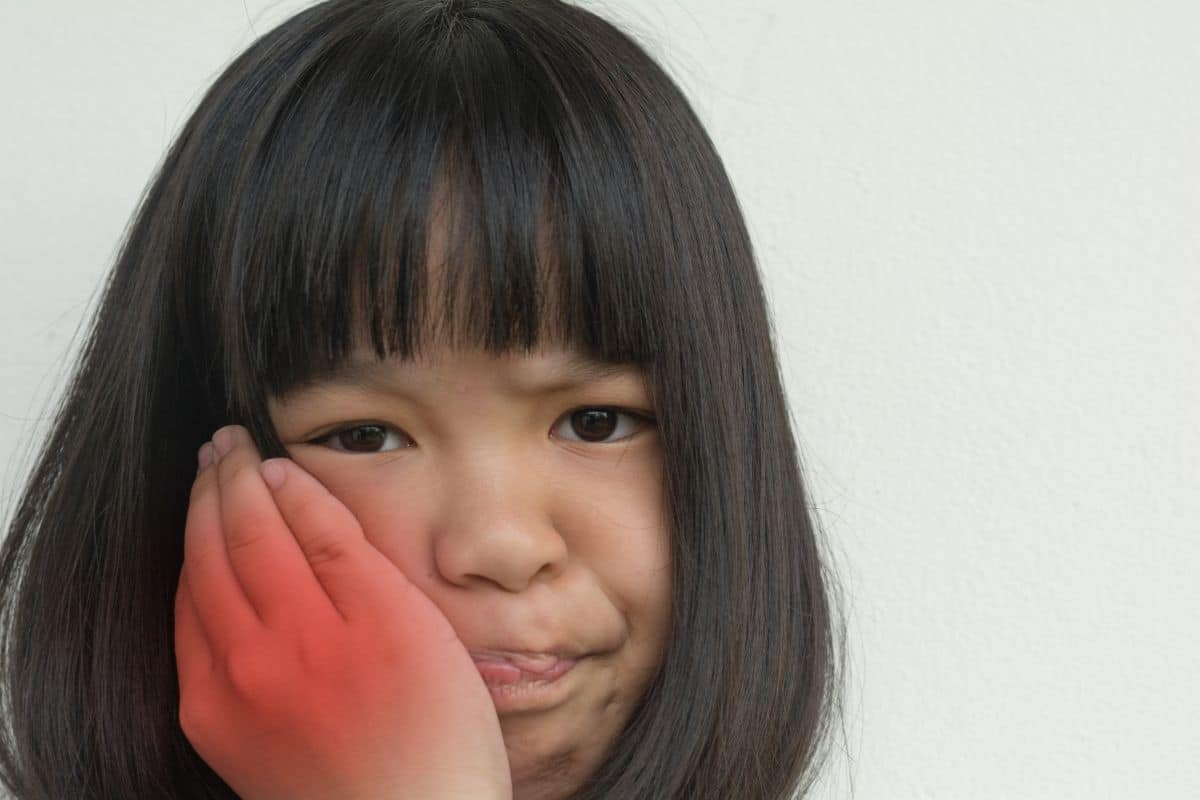
TMJ surgery is generally considered a last resort when all other conservative treatment options have been exhausted and have failed to provide significant relief from pain and dysfunction. Surgical intervention may be considered in cases of:
- Significant Structural Damage to the Joint: Such as severe arthritis, bone spurs, or damage from injury.
- Internal Derangement of the Joint: Where the disc is severely displaced or damaged, and non-surgical methods haven’t helped.
- Severe, Chronic Pain and Dysfunction: This significantly impacts the patient’s quality of life and ability to perform daily activities.
- Persistent Locking of the Jaw: That cannot be resolved with non-surgical treatments.
- Tumors or Infections: Affecting the TMJ (though these are rare).
It’s important to understand that TMJ surgery is not always successful in eliminating pain completely, and it carries the same risks as any surgical procedure. The decision to undergo TMJ surgery should be made after a thorough evaluation by an experienced oral and maxillofacial surgeon and a comprehensive discussion of the potential benefits and risks.
How is TMJ Diagnosed?
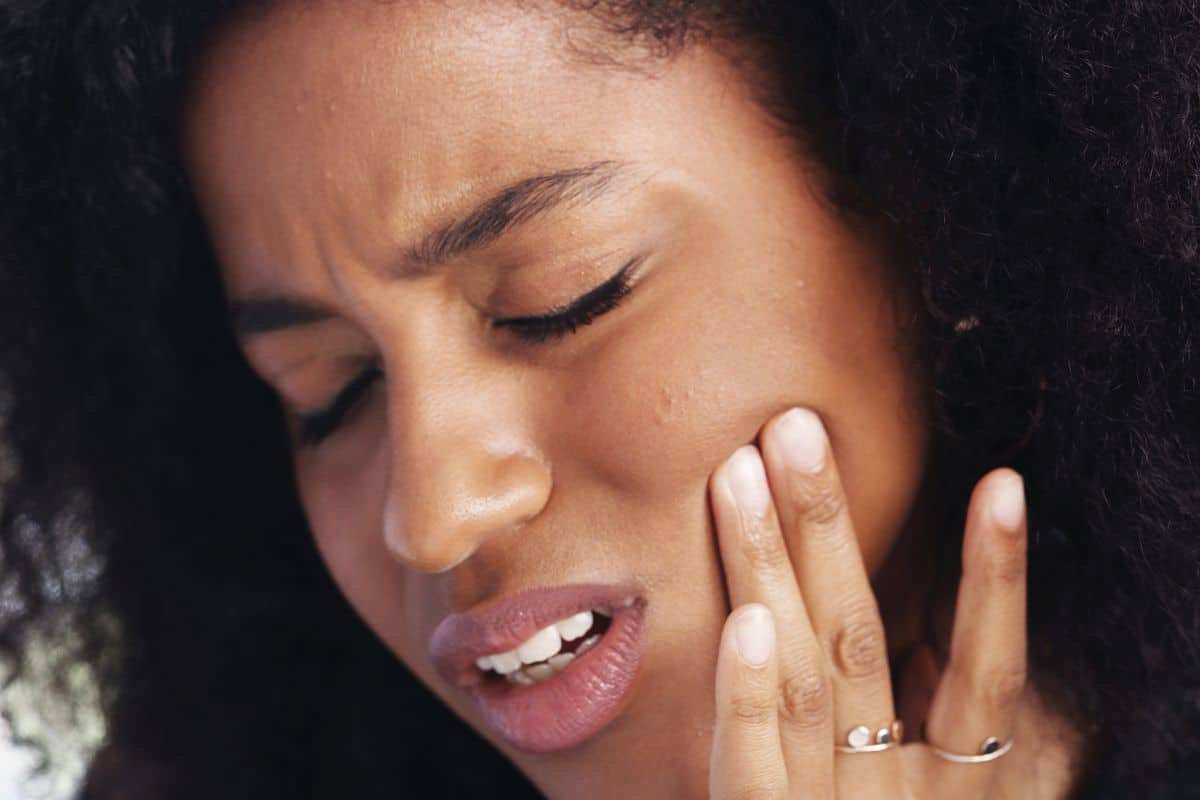
Diagnosing temporomandibular joint disorders typically involves a combination of a physical examination, a review of your medical history and symptoms, and sometimes imaging studies. The diagnostic process for TMJ often includes:
- Medical History: Your doctor will ask about your symptoms, when they started, what makes them better or worse, any history of jaw injury, teeth grinding, arthritis, and your overall health.
- Physical Examination: This involves:
- Palpating the Jaw Joint and Muscles: Feeling for tenderness, swelling, or tightness.
- Listening to the Joint: Checking for clicking, popping, or grating sounds during jaw movement.
- Observing Jaw Movement: Assessing the range of motion and any deviations or limitations when opening and closing your mouth.
- Examining Your Bite: Checking the alignment of your teeth.
- Imaging Studies: In some cases, imaging tests may be ordered to get a better look at the joint and surrounding structures. These can include:
- X-rays: To visualize the bones of the jaw and TMJ.
- Panoramic X-rays: Provide a wider view of the entire mouth and jaws.
- MRI (Magnetic Resonance Imaging): To visualize the soft tissues of the TMJ, including the disc.
- CT Scan (Computed Tomography): To get detailed images of the bony structures.
- Dental Examination: Your dentist will examine your teeth and bite to identify any potential contributing factors.
There isn’t one single definitive test for TMJ disorders. Diagnosis is often based on a combination of clinical findings and the patient’s reported symptoms.
Can TMJ Cause Ear Pain?
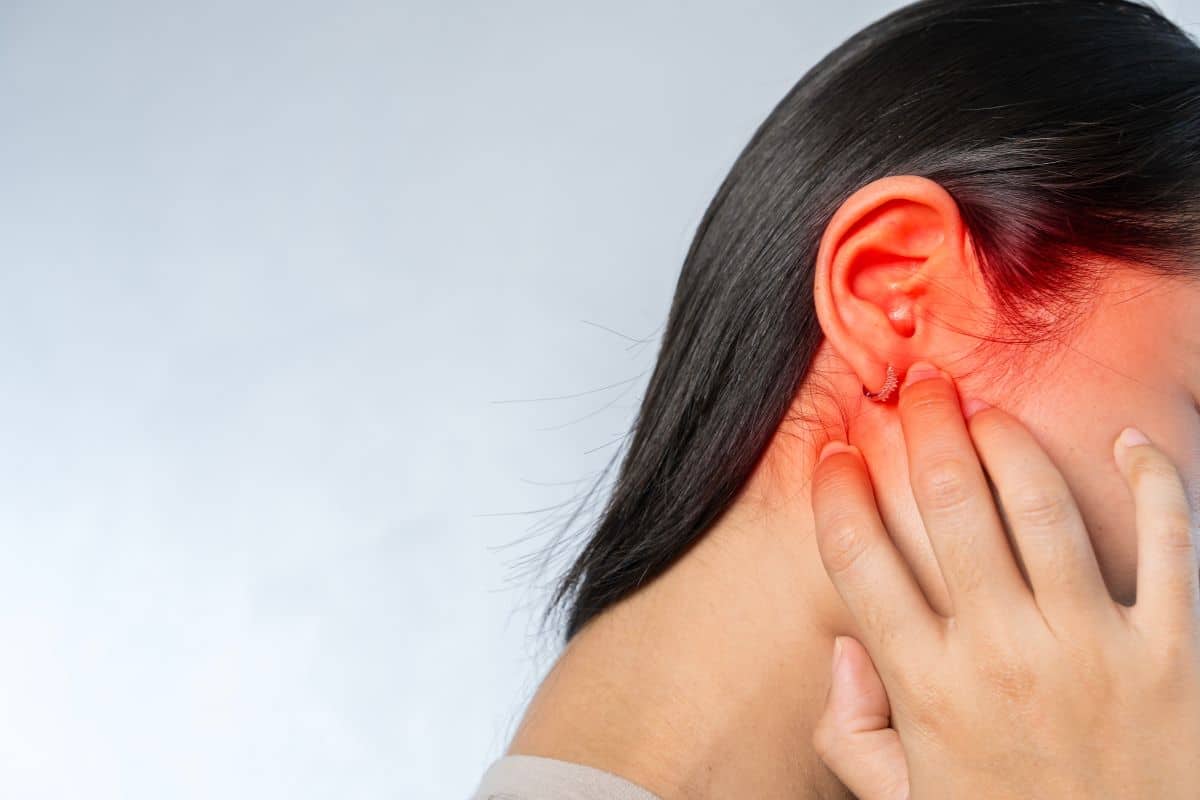
Yes, TMJ can definitely cause ear pain. This is a common symptom reported by individuals with temporomandibular joint disorders. The reason for this connection lies in the close anatomical proximity of the TMJ to the ear.
- Shared Ligaments and Muscles: Some ligaments and muscles are connected to both the TMJ and the structures within or around the ear. Dysfunction in the TMJ can put pressure or strain on these shared tissues, leading to pain that is felt in the ear.
- Nerve Pathways: The nerves that supply the TMJ and the ear are closely related. Irritation or inflammation in the TMJ can sometimes affect these nerve pathways, resulting in referred pain in the ear.
- Muscle Tension: Tension in the jaw muscles can radiate to the muscles around the ear, causing discomfort.
- Inflammation: Inflammation in the TMJ can sometimes spread to nearby structures, including the ear.
The ear pain associated with TMJ can manifest in various ways, including a dull ache, a sharp pain, a feeling of fullness, or even ringing in the ears (tinnitus). It’s important to differentiate TMJ-related ear pain from pain caused by an actual ear infection or other ear-related problems.
Key Takeaways
Understanding TMJ disorders is the first step towards finding relief. While the symptoms and causes can be varied, numerous treatment options exist, ranging from simple self-care to more specialized interventions. If you’re experiencing jaw pain or discomfort, seeking professional evaluation is crucial. Remember, you’re not alone, and with the proper guidance, managing and overcoming TMJ issues is possible, leading to a more comfortable and pain-free life.