5155 N 16th St UNIT A, Phoenix, AZ 85016


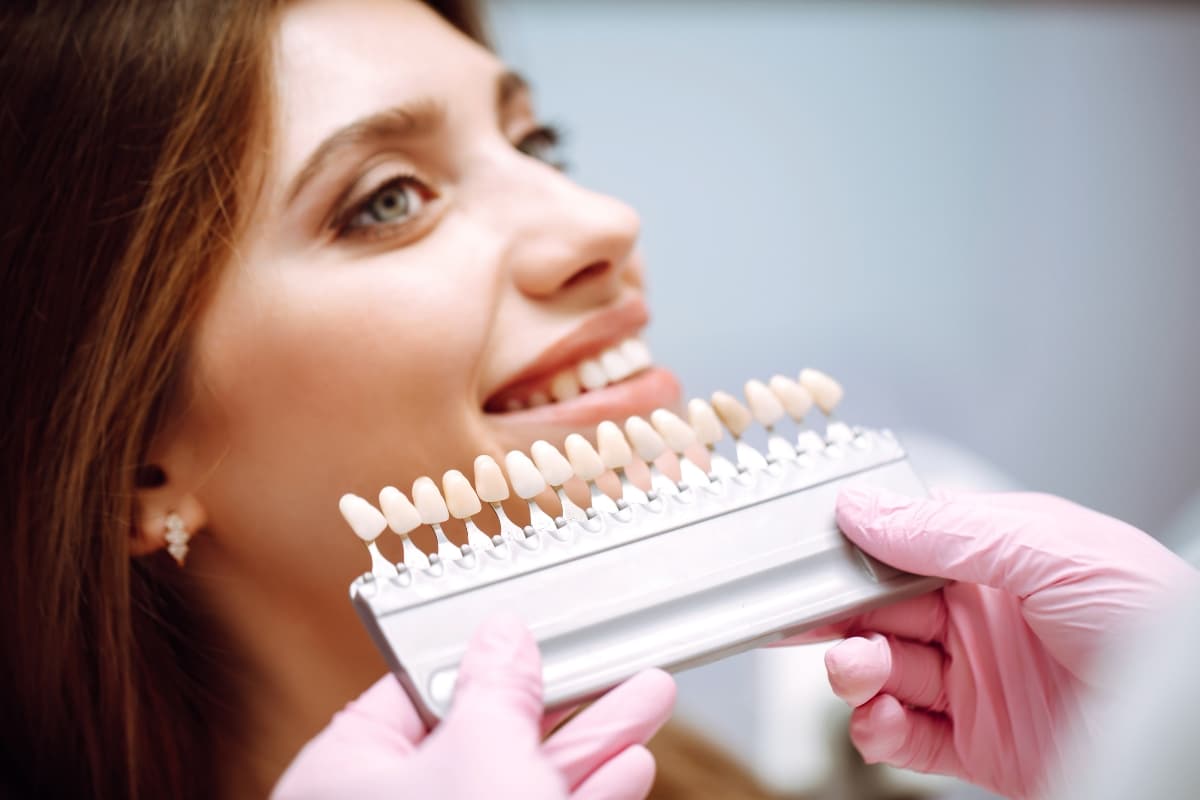
Your smile was designed to look natural, balanced, and seamless, so even the slightest change can feel concerning. You may notice subtle movement when chewing, increased sensitivity, or a restoration that suddenly feels uneven against your teeth. In some situations, it may even detach completely while eating or brushing.
This is more than a cosmetic issue. Once the bond weakens, the underlying tooth becomes vulnerable to bacteria, irritation, and potential damage. Acting quickly helps protect both the restoration and your natural tooth structure. Prompt care can often resolve the problem before it becomes more serious.
At Biltmore Cosmetic & Restorative Dentistry, Dr Harris helps patients restore the comfort, appearance, and stability of a loose veneer before complications develop further. Understanding why it happens and knowing the right next steps can help you protect your smile with confidence.
Why Do Veneers Come Loose in the First Place?
These tooth restorations bond to the front surface of your teeth using a strong dental adhesive. That bond, while highly durable, can weaken over time due to several factors. Knowing the root cause helps you and your dental provider find the right fix.
- Aging adhesive: Dental cement does not last forever. Over time, the bond between the veneer and your tooth can slowly degrade, especially along the edges.
- Biting habits: Chewing ice, grinding your teeth at night (bruxism), or biting hard foods can place excessive force on these dental restorations and eventually break the bond.
- Poor initial bonding: If the original placement did not follow proper etching and bonding protocols, your dental shell may never have adhered as firmly as it should.
- Tooth decay underneath: If bacteria infiltrate the margin between the veneer and the tooth, decay can form beneath the surface and physically separate the dental shell from its base.
- Trauma or injury: A blow to the mouth during sports, a fall, or any sudden impact can dislodge or crack a tooth covering.
- Gum recession: As gum tissue pulls back over time, the lower edge of the veneer may lift away from the natural tooth structure.
Identifying the cause matters because it determines your treatment path. A tooth shell that came loose due to old cement needs a different approach than one that’s loose because of active decay underneath.
What to Do Immediately When a Veneer Feels Loose
The moment you notice a loose veneer, your instinct might be to ignore it and hope it fixes itself. It won’t. Act quickly using these steps to protect your tooth and, if possible, preserve the veneer.
- Do not force it back on. You could crack the tooth shell or damage the underlying tooth surface.
- Keep the veneer safe. If it has fully detached, rinse it gently with water and store it in a small container or bag. Bring it to your appointment.
- Avoid certain foods. Stay away from hard, sticky, or crunchy foods until you see a dental provider. Chewing on the affected side risks breaking the veneer or injuring the exposed tooth.
- Watch for sensitivity. If the underlying tooth feels sensitive to air, hot, or cold, cover it with dental wax (available at most pharmacies) for temporary protection.
- Skip DIY fixes. Over-the-counter glues are not formulated for dental use and can damage both the veneer and your tooth, making professional repair much harder.
- Call our dental provider right away. Most practices treat a loose or dislodged veneer as a priority case.
Do not wait too long to get it checked. Quick treatment can help save the veneer and protect the tooth underneath. Contact our Phoenix dental office as soon as possible to prevent the problem from getting worse.
How a Cosmetic Dental Provider Fixes a Loose Veneer
Treatment depends on the condition of both the veneer and the underlying tooth. Here’s what typically happens during your appointment.
Step 1: Examination and X-rays
Our cosmetic dentist will first examine the tooth to check for decay, enamel damage, or gum issues. X-rays may be taken to see what’s happening beneath the surface.
Step 2: Cleaning and Preparation
Old cement residue is carefully removed from both the back of the veneer and the tooth surface. If decay is present, it must be treated before rebonding can occur.
Step 3: Re-bonding or Replacement
If the veneer is intact and the underlying tooth is healthy, our cosmetic dental practitioner can rebond the veneer with fresh dental cement. If the veneer is cracked, no longer fits well, or decay has compromised the tooth, a replacement tooth shell is the right path forward. Modern porcelain tooth shells are fabricated to match your surrounding teeth precisely.
Step 4: Addressing Contributing Factors
If grinding is the main factor, our dental provider will likely recommend a custom nightguard to prevent future damage. If gum recession was involved, a conversation about periodontal health becomes part of your care plan.
When Replacement Makes More Sense Than Repair
Not every loose veneer is worth re-bonding. In some situations, getting a new veneer or an entirely new set is the smarter long-term decision. Our cosmetic dentist will recommend a new tooth replacement option when:
- The existing one is cracked or chipped and no longer structurally sound.
- The veneer has come loose multiple times, suggesting an underlying fit or bite issue.
- Tooth decay beneath the tooth shell has altered the tooth surface significantly.
- The veneer is old and shows staining, wear, or color mismatch with surrounding teeth.
- You want to update the shape, size, or shade of your smile as part of a broader aesthetic dentistry treatment plan.
Modern cosmetic dentistry now offers restorations that are thinner, more durable, and remarkably natural in appearance. If your current set is aging, replacing them with modern porcelain alternatives can actually yield better results than patching the old ones. No-prep veneer options are also available for patients seeking a smile transformation with little to no enamel removal. To learn more about the benefits of no-prep porcelain tooth shells, explore the information provided here.
How to Prevent Veneers From Coming Loose Again
Once your veneer is secured, whether re-bonded or replaced, protect your investment with these habits.
- Wear a nightguard if you grind your teeth. Bruxism is one of the top reasons veneers fail prematurely.
- Avoid biting hard objects like ice, pen caps, hard candies, and fingernails.
- Maintain excellent oral hygiene. Brush twice daily with a non-abrasive toothpaste and floss carefully around the veneer margins.
- Attend regular dental checkups. Our dental provider can spot early signs of veneer wear or bond failure before the veneer actually loosens.
- Limit highly acidic foods and beverages that can degrade dental cement over time.
Following these guidelines significantly extends the lifespan of your dental restorations. Most high-quality porcelain tooth shells last 10 to 20 years with proper care.
Take Action for Your Smile Today at Biltmore Cosmetic & Restorative Dentistry
A loose veneer is not something to push to the back of your to-do list. Every day you wait increases the risk of damage to the underlying tooth and can make the repair process more complex and involved. Whether your dental tooth shells need a simple re-bond or a full replacement, our qualified cosmetic dentist will give you a clear, honest picture of what your smile needs.
Visit our dental office in Phoenix sooner rather than later, even if the veneer feels only slightly loose. Early intervention almost always leads to faster, simpler treatment. Take that first step toward getting your smile back to where it belongs.
Don’t wait for a small problem to become a big one. Schedule your veneer consultation today.
Frequently Asked Questions (FAQs)
Can I Re-Glue A Loose Veneer At Home?
No. Over-the-counter adhesives are not safe for dental use and can permanently damage the veneer and your tooth surface. Always have a dental professional handle re-bonding.
How Long Does Veneer Re-Bonding Take?
In most cases, re-bonding a loose veneer takes one appointment of roughly 30 to 60 minutes, assuming the underlying tooth is healthy and the veneer is intact.
Does A Loose Veneer Mean Decay Is Present?
Not necessarily. Decay is one possible cause, but loose veneers can also result from aging cement, grinding, or trauma. Your dental provider will diagnose the exact cause during your examination.
Will My Dental Insurance Cover Veneer Repair?
Coverage varies by plan. Many dental insurance plans classify veneers as cosmetic, which may limit coverage. Check with your insurance provider before your appointment, and ask your dental office about available payment options.
What Happens If I Leave A Loose Veneer Untreated?
Leaving a loose veneer in place allows bacteria to enter the space between the veneer and the tooth, increasing the risk of decay, sensitivity, and more extensive damage that may require additional treatment.
How Do I Know If My Veneer Needs Replacement Vs. Re-Bonding?
A cosmetic dentist evaluates the condition of the veneer and the tooth beneath it. If the veneer is intact and the tooth is healthy, re-bonding is usually possible. Cracks, decay, or poor fit typically call for replacement.
Can A Loose Veneer Be An Emergency?
Yes, especially if the tooth beneath it is sensitive, exposed, or shows signs of damage. Visit your nearest dental practice as soon as you notice a loose or missing veneer so they can see you promptly.
How Do I Care For The Exposed Tooth While I Wait For My Appointment?
Avoid chewing on that side of your mouth. If the tooth feels sensitive, cover it lightly with dental wax. Keep the detached veneer clean and bring it to your appointment.
How Long Do Veneers Typically Last Before They Need Replacement?
High-quality porcelain veneers generally last 10 to 20 years with consistent oral hygiene and regular dental checkups. Habits like nighttime grinding or biting hard objects can shorten that lifespan considerably.