5155 N 16th St UNIT A, Phoenix, AZ 85016


Considering clear aligner therapy for orthodontic correction? This comprehensive resource addresses common inquiries regarding Invisalign treatment. We will explore aspects such as treatment timelines, financial considerations, patient comfort, correcting malocclusions like underbites, and practical considerations during therapy. This guide aims to provide a medically sound overview to aid in informed decision-making regarding Invisalign as an orthodontic modality.
How Long Does It Take For Invisalign To Straighten Your Teeth?
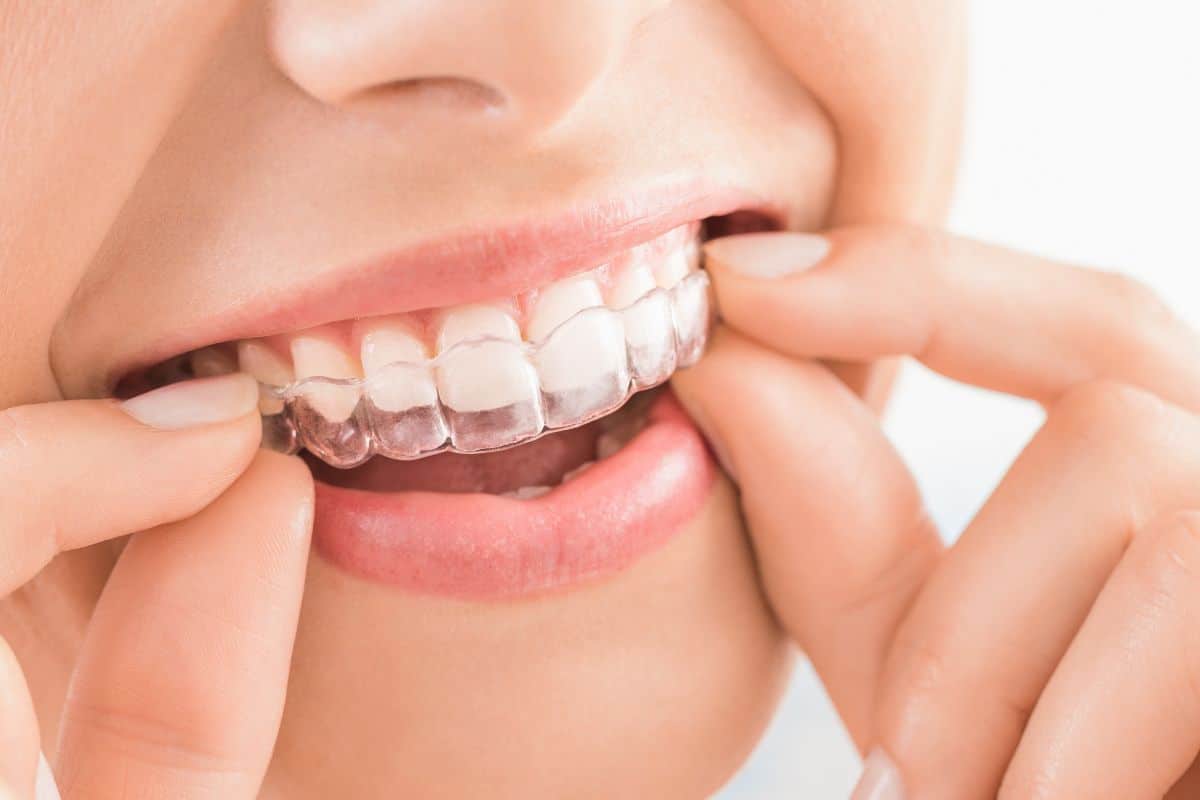
The duration of Invisalign treatment to straighten your teeth varies significantly and depends on several factors specific to your individual orthodontic needs. On average, Invisalign treatment can take anywhere from 6 months to 2 years or even longer.
While some individuals may see noticeable straightening within a few months, achieving a fully corrected smile with Invisalign typically takes around 12 to 18 months on average. It’s crucial to have a thorough consultation with an experienced Invisalign provider who can assess your specific situation and provide a more accurate estimate of your treatment duration.
Can Invisalign Close Gaps Between My Teeth?
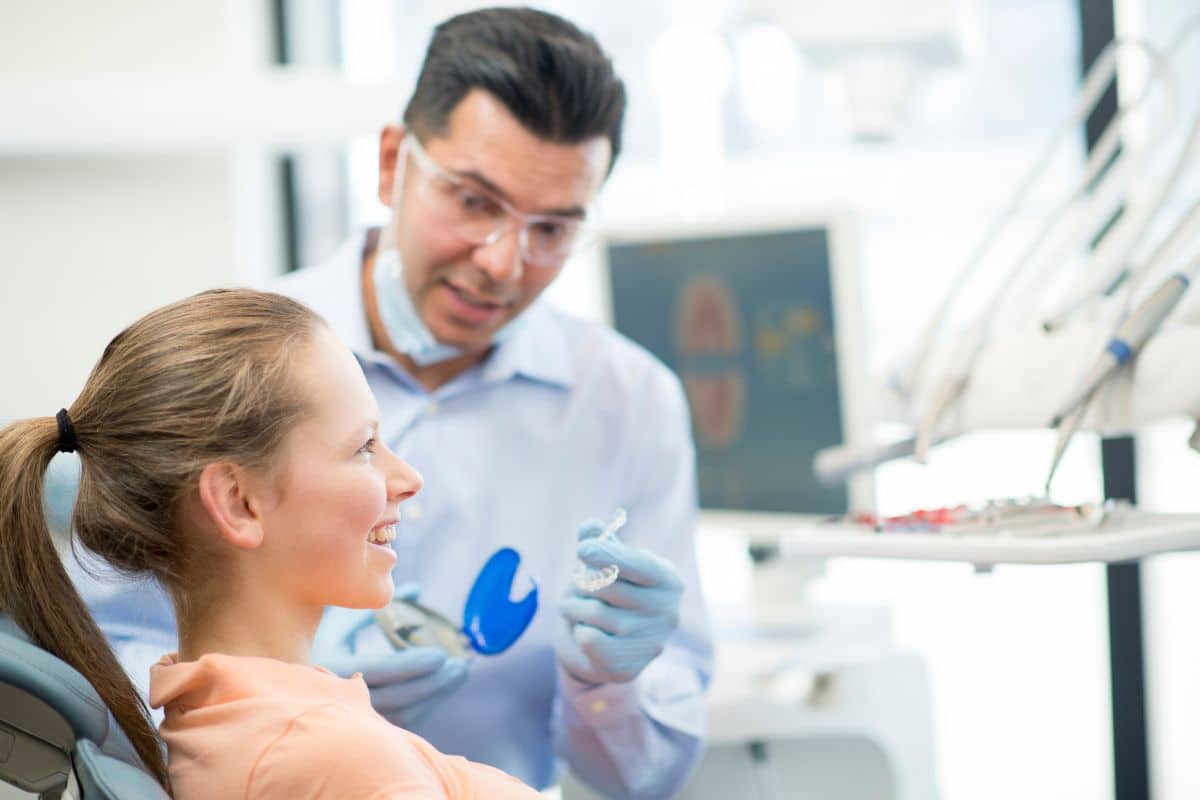
Yes, Invisalign is a highly effective orthodontic treatment for closing gaps between teeth, also known as diastemas. Whether you have small, isolated gaps or more significant spacing issues throughout your smile, Invisalign aligners can be custom-designed to gradually move your teeth into the desired positions, eliminating these gaps.
Your Invisalign dentist will carefully plan the tooth movements using sophisticated 3D imaging software. This allows them to visualize the entire treatment process, including how the gaps will close over time. Attachments, small tooth-colored buttons bonded to your teeth, may be used to provide the aligners with more grip and leverage for these specific movements.
If you’re considering addressing gaps in your smile, consulting with an Invisalign provider is the best way to determine if it’s the right treatment option for you. They can assess the size and location of your gaps and create a personalized plan to help you achieve a gap-free grin.
Can Invisalign Correct An Overbite?
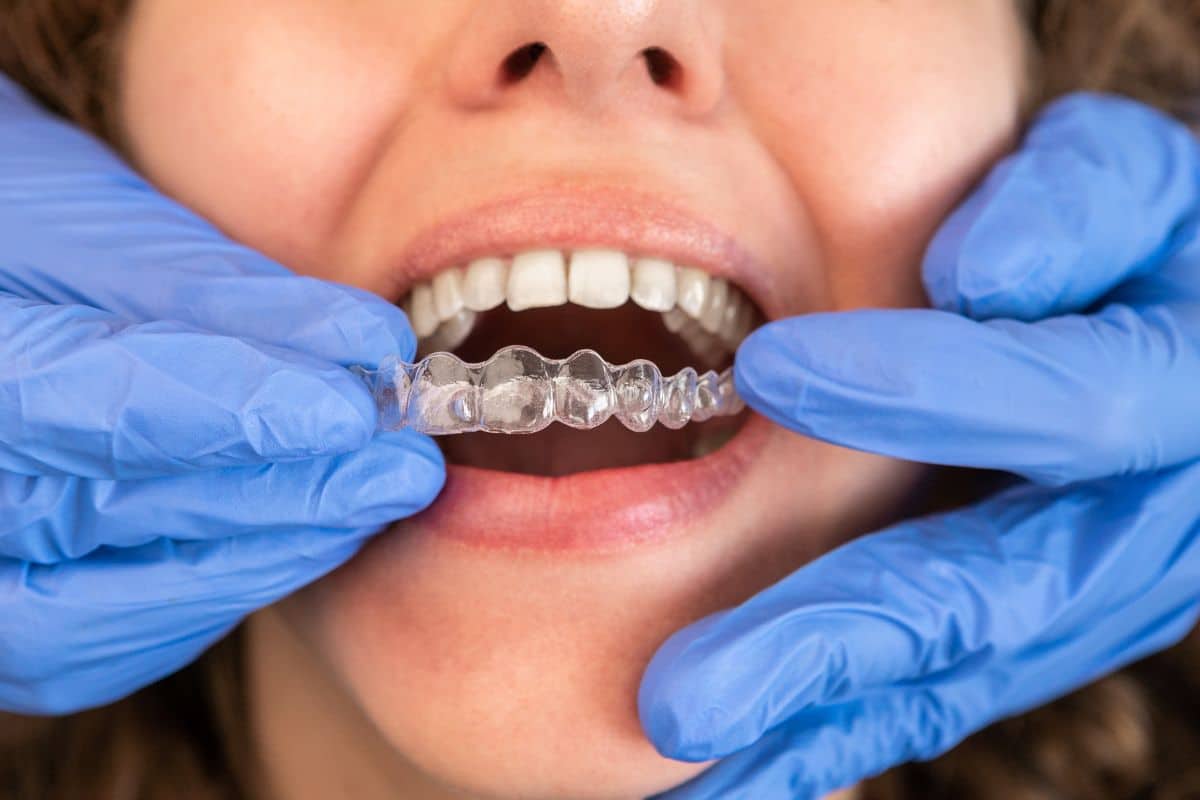
Yes, in many cases, Invisalign can effectively correct an overbite. An overbite occurs when the upper front teeth significantly overlap the lower front teeth. While the complexity of the overbite will determine the success and duration of Invisalign treatment, it is a viable option for many individuals.
- While Invisalign is often effective for overbite correction, the extent of correction possible depends on the severity and nature of the overbite. For mild to moderate overbites caused primarily by tooth alignment issues, Invisalign can be a great solution, gradually shifting the teeth into a more ideal position.
- However, severe skeletal overbites, where the jawbones are significantly misaligned, might require more complex treatment, potentially involving traditional braces with elastics or even orthognathic surgery in some cases.
- An experienced Invisalign dentist can assess your specific situation to determine if Invisalign is the most suitable option and what kind of results you can expect.
Can Invisalign Fix My Underbite Without Surgery?
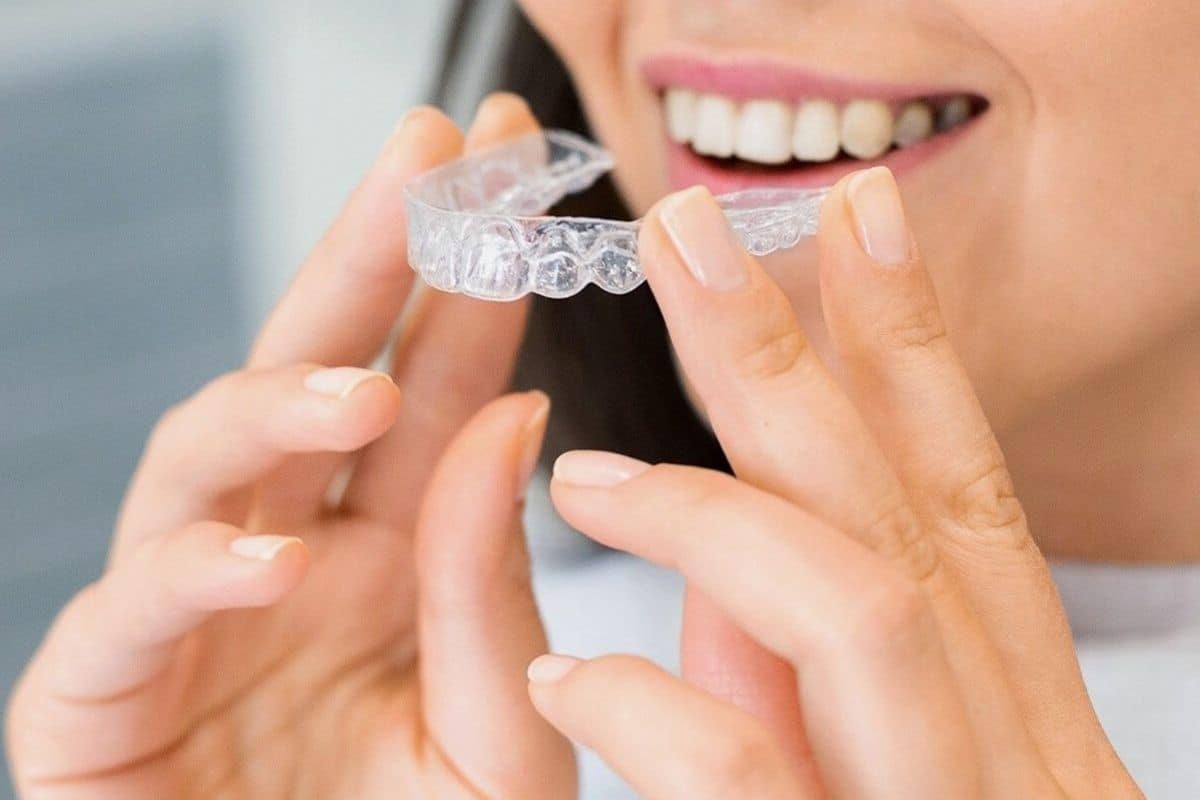
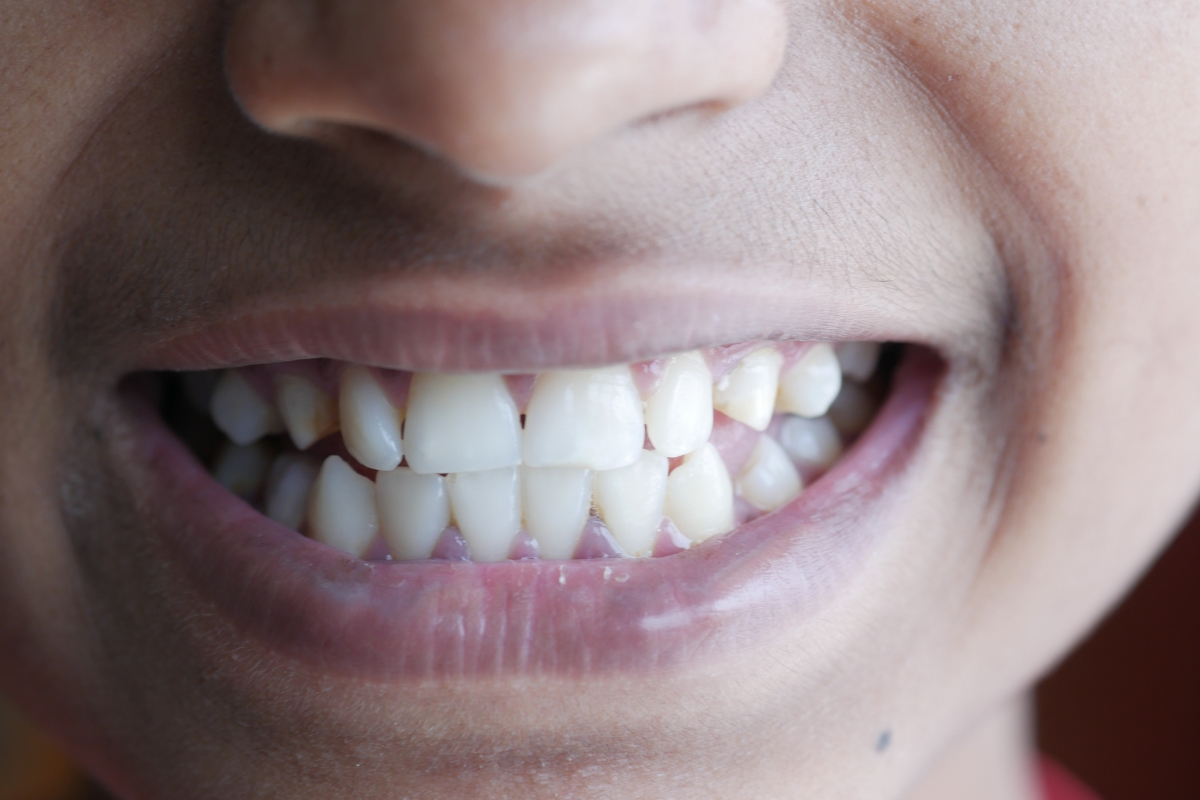
Invisalign can be used to correct an underbite in many cases, particularly those with exceptionally mild to moderate underbites. An underbite occurs when the lower front teeth protrude in front of the upper front teeth. However, the complexity of the underbite is a significant factor in determining the most appropriate treatment approach.
- While Invisalign can address mild to moderate dental underbites, where the teeth are misaligned, significant skeletal underbites resulting from jawbone discrepancies present a greater challenge. In such cases, Invisalign might be part of a more comprehensive treatment plan.
- For more complex underbites, achieving full correction without surgery may involve combining Invisalign with other orthodontic appliances, such as elastics, or, in some instances, pre-surgical orthodontics to align the teeth before a potential jaw surgery.
- The goal of non-surgical treatment for more pronounced underbites often focuses on camouflage, aiming to improve both the bite and appearance, even if the underlying skeletal issue is not fully resolved.
- Consulting an experienced Invisalign dentist is essential to determine the most effective and realistic treatment options for your specific underbite.
How Long Does Invisalign Take to Fix an Underbite?
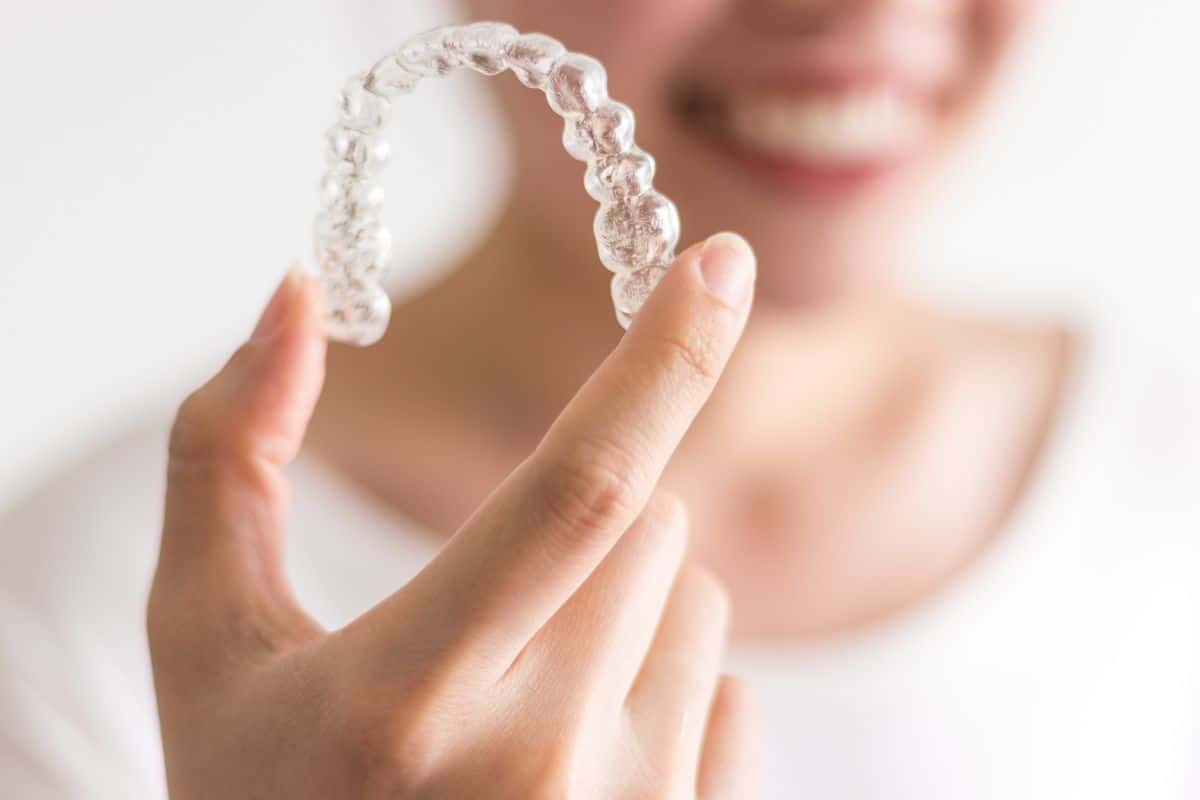
The timeframe for fixing an underbite with Invisalign is highly variable and depends on the severity of the underbite and the complexity of the required tooth movements. Generally, treatment for an underbite with Invisalign can range from 12 to 24 months or longer.
It is crucial to consult with an experienced Invisalign dentist to determine the best treatment approach for your underbite. They can assess the severity of your condition and provide a more accurate estimate of the treatment duration with Invisalign or discuss if a combined orthodontic and surgical approach is more appropriate.
How Long Do I Have to Wear Rubber Bands with Invisalign?
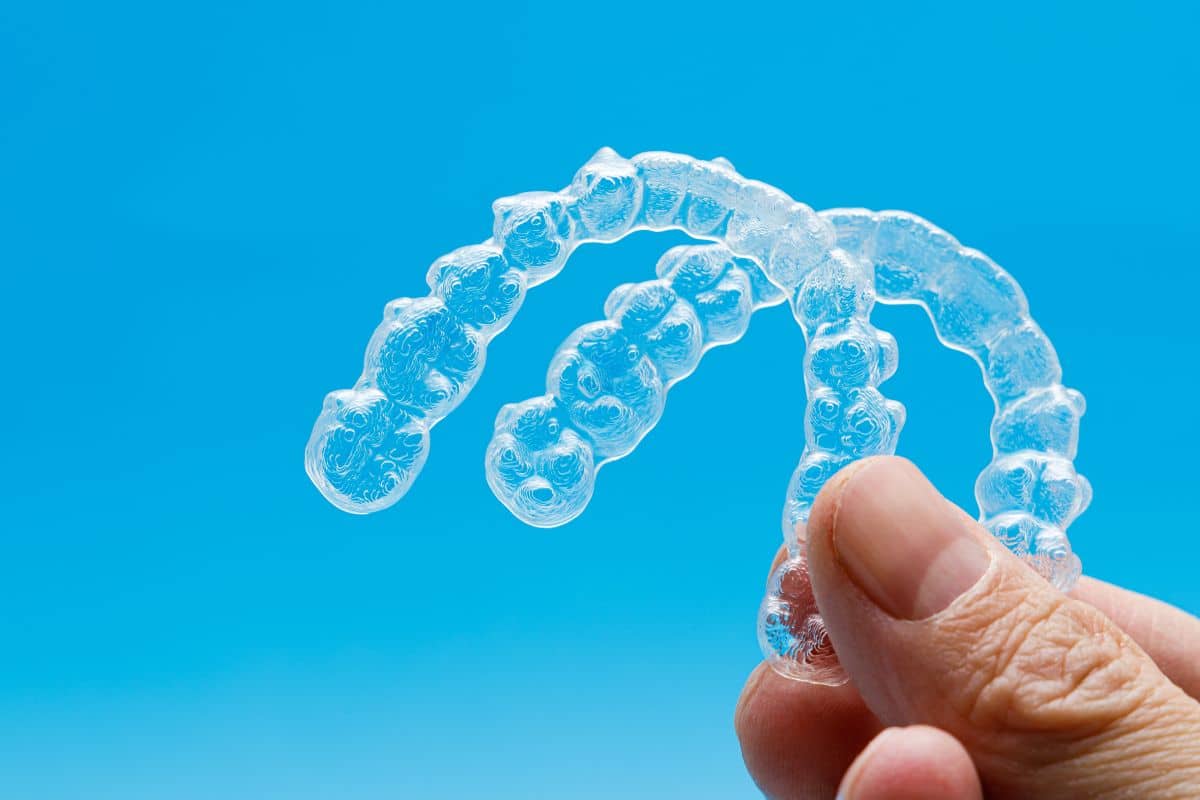
Invisalign treatment often utilizes rubber bands (elastics) to facilitate more intricate tooth movements and address bite issues. While Invisalign aligners excel at moving teeth linearly and tipping them, rubber bands provide the additional force needed for movements like correcting overbites, underbites, crossbites, and aligning the upper and lower arches.
- Your invisalign dentist will determine the exact timeframe, which could range from a few months to the entire duration of your Invisalign treatment.
- Typically, you’ll be instructed to wear the elastics for 20 to 22 hours per day, removing them only for eating, drinking anything other than water, and brushing your teeth. Consistency is key to achieving the desired results efficiently.
- Failing to wear them as prescribed can prolong your treatment time and compromise the final outcome. Think of rubber bands as providing the extra force needed to guide your teeth and jaws into the correct alignment, working in conjunction with the aligners.
How Long Does it Take for Invisalign to Stop Hurting?
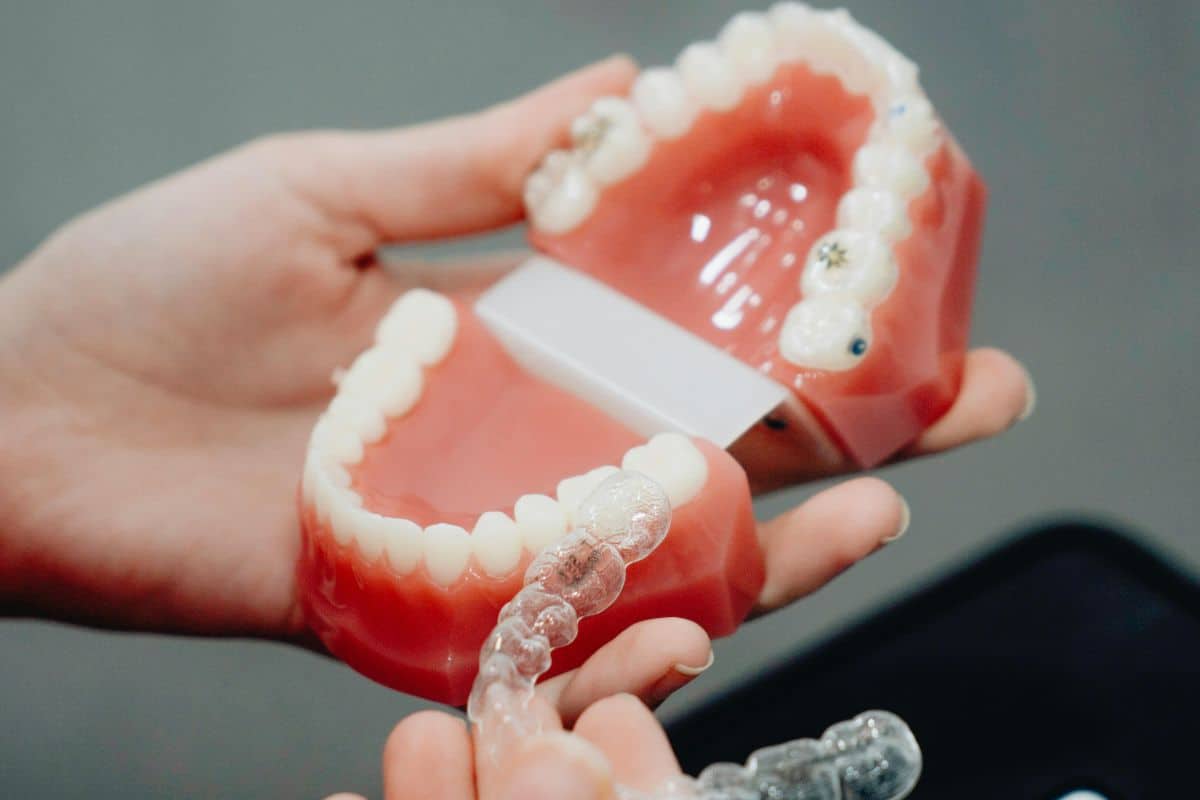
While some discomfort is normal when starting Invisalign treatment or switching to a new set of aligners, most patients report that Invisalign is significantly less painful than traditional metal braces. The sensation is often described as pressure or a mild ache rather than sharp pain.
- The initial discomfort from Invisalign typically subsides within the first few days to a week after starting treatment or changing to a new set of aligners. This is because your teeth and gums are adjusting to the new pressure exerted by the aligners as they begin to shift your teeth.
- Over-the-counter pain relievers like ibuprofen or acetaminophen can help manage any initial soreness. If you experience persistent or severe pain beyond this initial adjustment period, it’s important to contact your invisalign dentist to rule out any potential issues.
- Remember, each new set of aligners will introduce a similar, but usually milder and shorter-lived, period of adjustment.
Is Invisalign a Good Choice for Kids?

Invisalign is becoming an increasingly viable orthodontic treatment option for children and adolescents, often referred to as Invisalign First for younger children and Invisalign Teen for teenagers. While traditional braces have long been the standard for pediatric orthodontics, Invisalign offers several advantages that can make it an appealing choice for many families.
Invisalign is a valuable orthodontic option for many children and teenagers. However, the suitability of Invisalign depends on the individual child’s specific orthodontic needs, their level of maturity and responsibility, and the Invisalign dentist’s assessment of these factors.
Can I Drink Coffee While Wearing Invisalign?

The general recommendation from Invisalign dentist is to remove your Invisalign aligners before drinking coffee (or any other colored or sugary beverages). While it might seem convenient to keep your aligners in while sipping your morning cup, there are several reasons why this is not advisable.
Drinking coffee with your Invisalign aligners can lead to staining of the clear plastic, making them more noticeable. Additionally, the heat from the coffee could potentially warp the shape of the aligners, compromising their fit and effectiveness in moving your teeth. Furthermore, sugars and acids in coffee can seep under the aligners, trapping against your teeth and increasing the risk of cavities and enamel erosion, as the saliva’s natural cleaning action is hindered.
How to Solve Common Invisalign Problems?
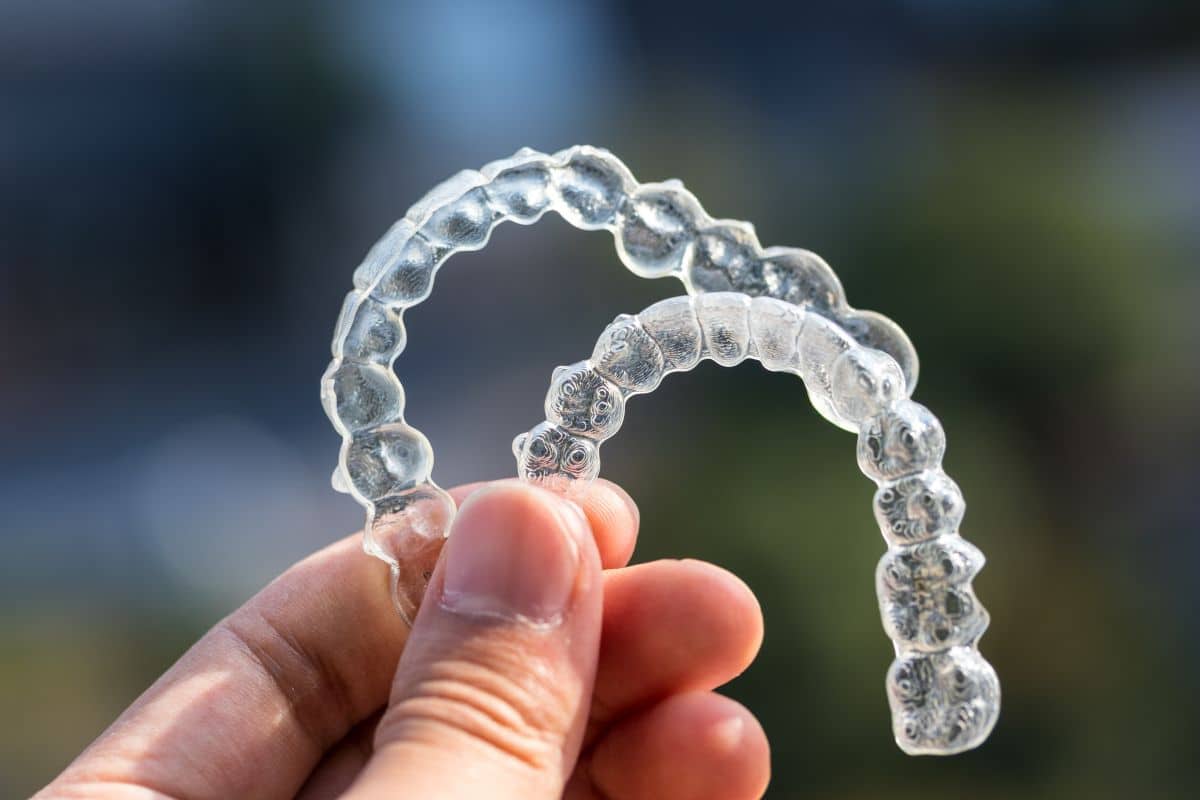
To address common Invisalign problems, consider using over-the-counter pain relievers or orthodontic wax to alleviate discomfort. Practice speaking to overcome initial speech issues. Prevent staining by removing aligners when consuming colored drinks and maintaining good oral hygiene. Ensure proper fit using chewie’s; consult your Invisalign dentist for persistent problems. If aligners are lost or broken, revert to the previous set and contact your Invisalign dentist promptly. Combat bad breath with excellent oral hygiene and regular cleaning of your aligners.
Does Invisalign Give You a Lisp?
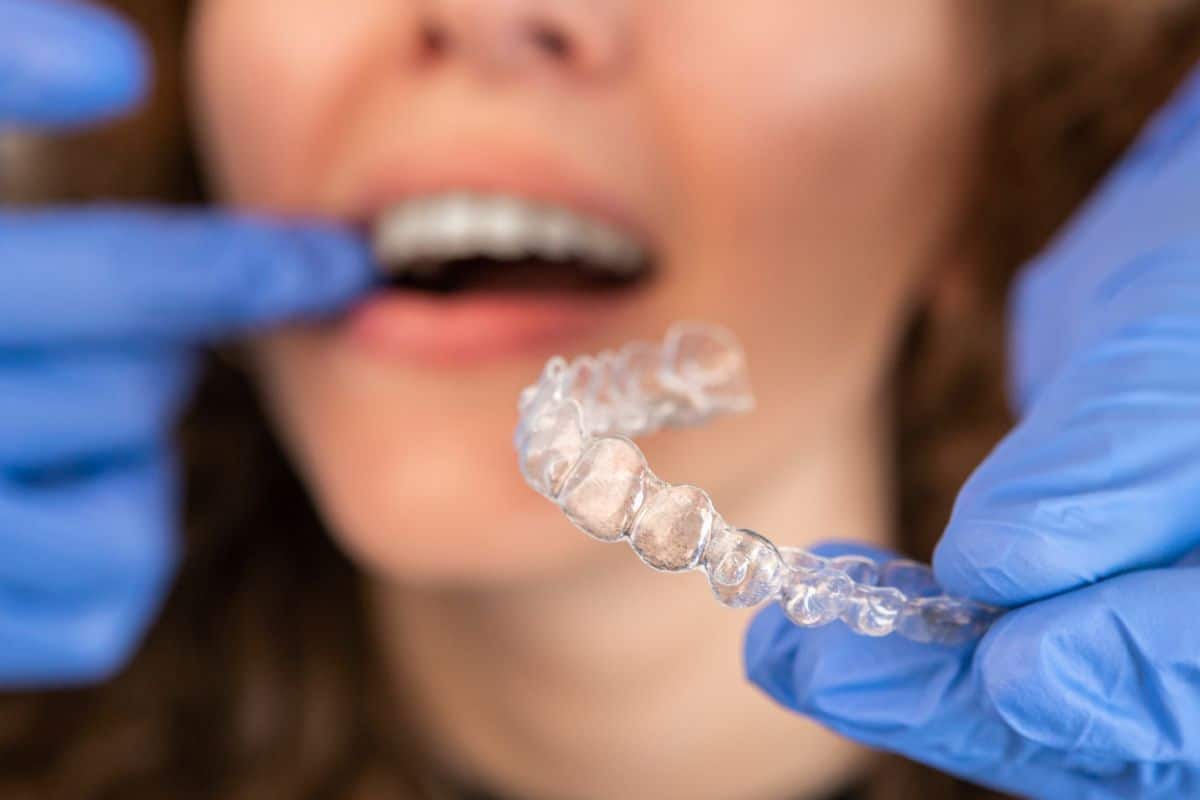
Yes, it is common for some people to experience a temporary lisp when they first start wearing Invisalign aligners. This occurs because the thin plastic aligners add a slight thickness to your teeth, which can interfere with the standard positioning and movement of your tongue as you speak, particularly when forming “s” and “z” sounds.
Conclusion
In conclusion, while a temporary lisp is a common initial side effect of Invisalign, it is generally short-lived and resolves as your mouth adapts to the aligners. Consistent wear and practice speaking clearly can help you overcome it quickly.