5155 N 16th St UNIT A, Phoenix, AZ 85016


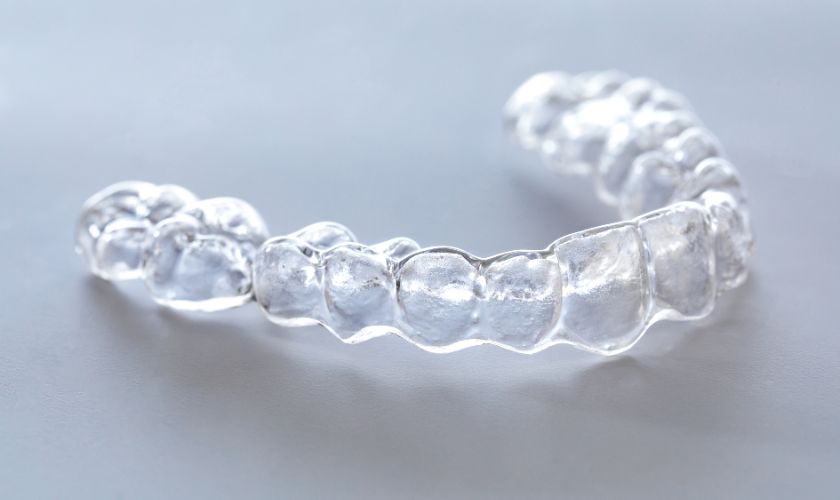
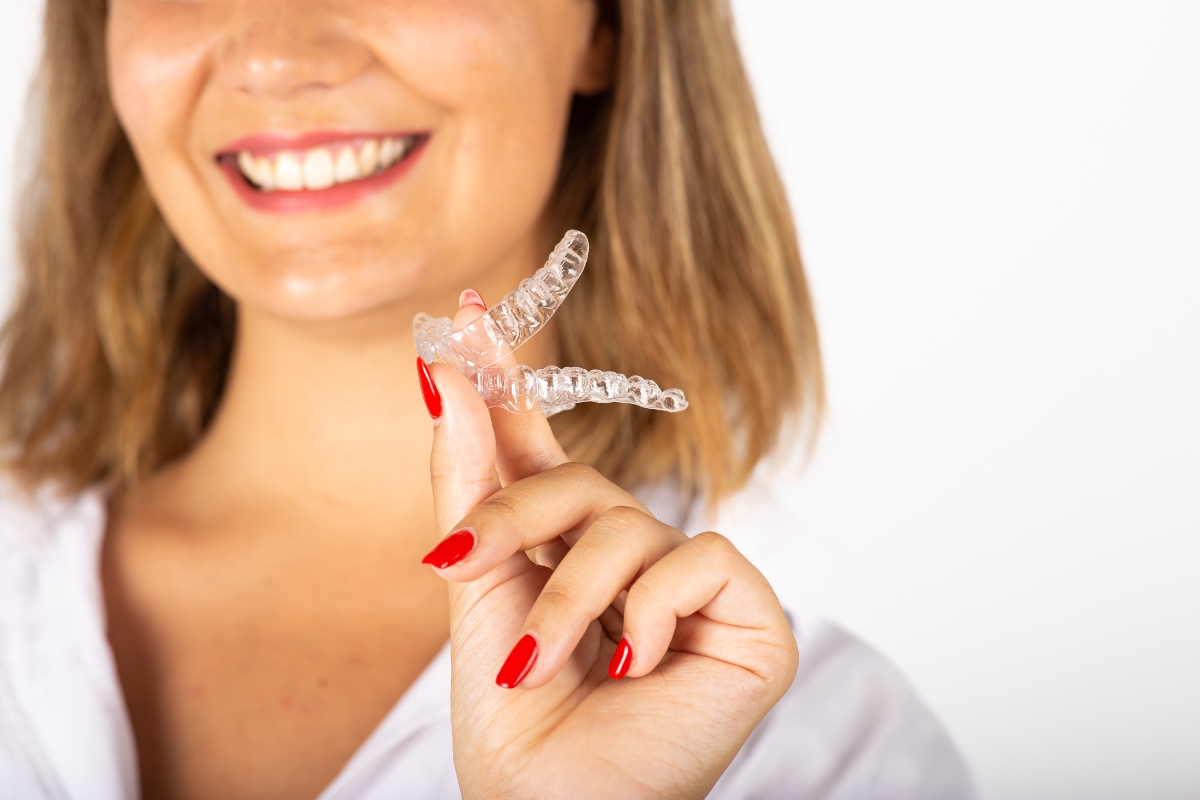
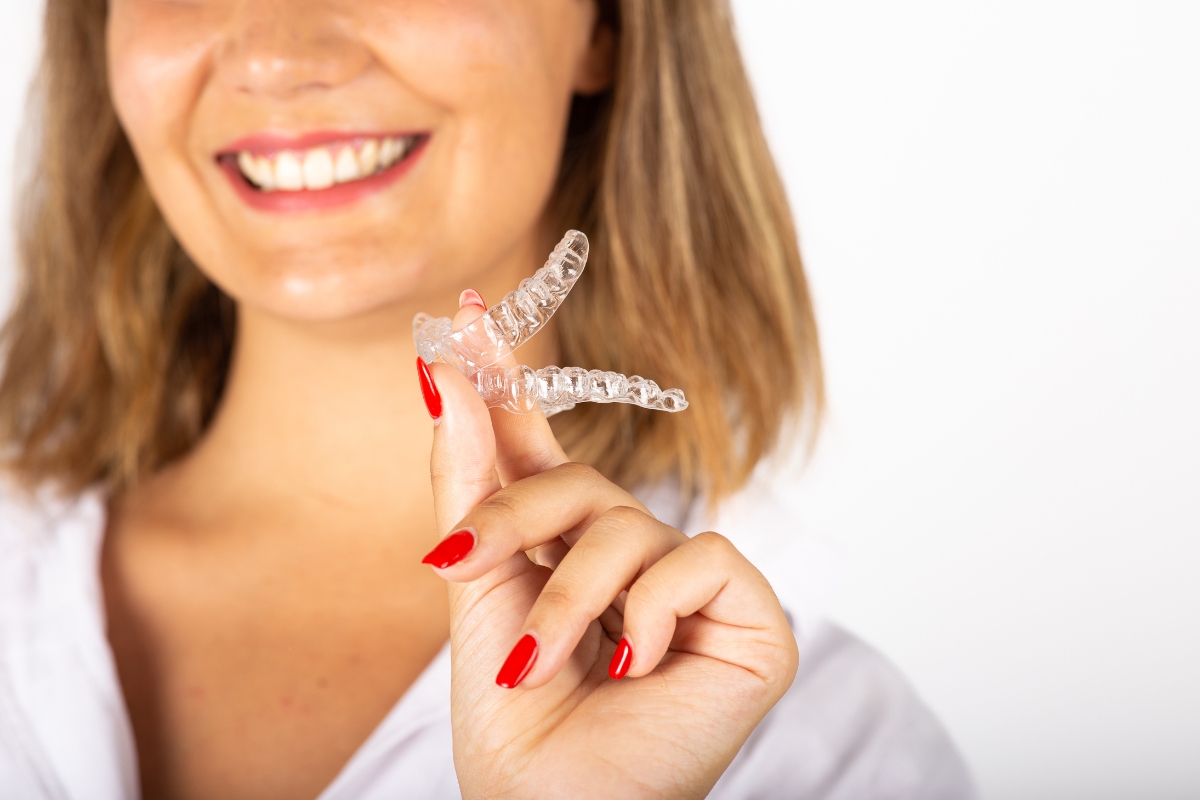
An underbite – where the lower teeth extend past the upper teeth – can affect both appearance and function. While surgery was once the main solution, you can now fix an underbite without surgery using modern orthodontic options like Invisalign treatment. Many patients choose to fix an underbite without braces by working with a skilled Invisalign dentist. During your Invisalign consultation, a local Invisalign dentist will assess your bite and create a personalized plan to treat your underbite without surgery effectively.
Understanding Underbites
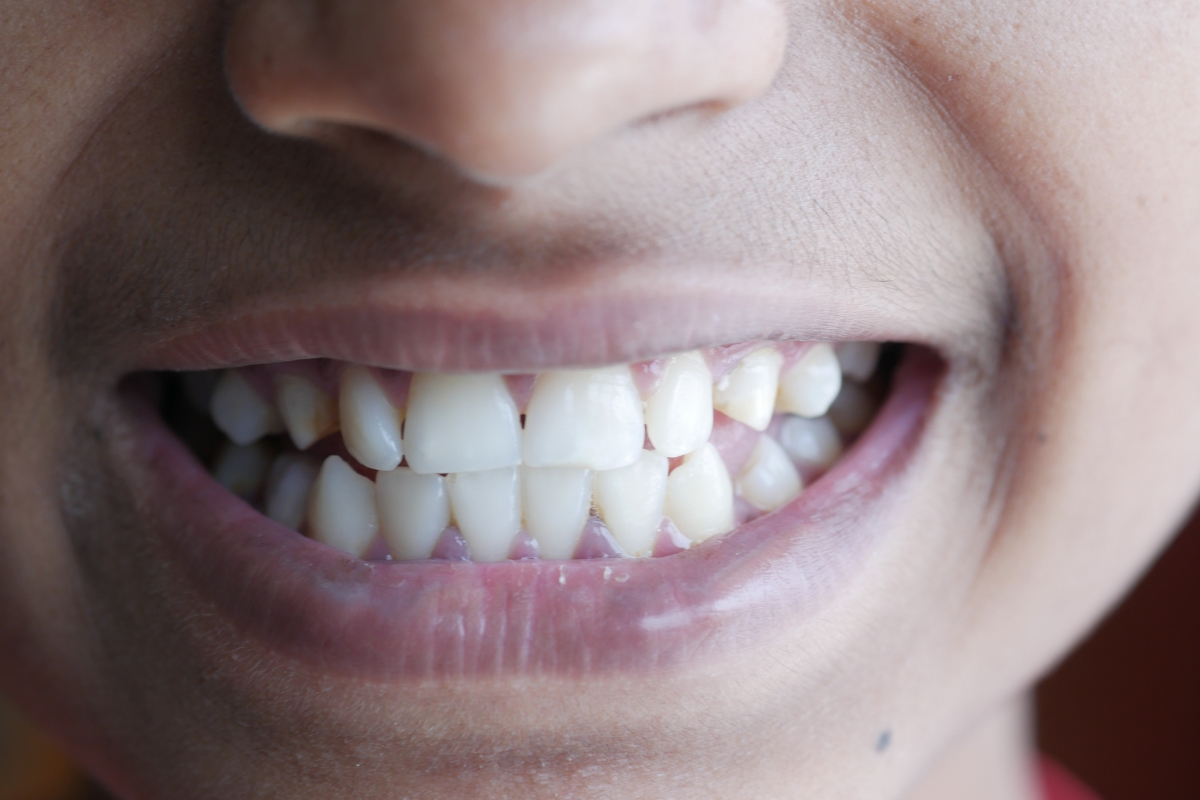
An underbite, also known as Class III malocclusion, can result from several underbite causes such as genetics, prolonged thumb sucking in childhood, or abnormal jaw development. This condition can lead to various complications, especially in underbite adults or those with a severe underbite:
-
Difficulty chewing and biting: Misalignment makes it hard to chew food properly.
-
Speech issues: A bad underbite can affect how certain sounds are pronounced.
-
Jaw pain and headaches: The stress from misalignment can strain the jaw, leading to discomfort.
-
Aesthetic concerns: Many feel self-conscious due to the appearance of underbite characters or prominent lower jaws.
Today, Invisalign treatment offers a non-surgical solution for many underbite cases. A professional Invisalign consultation with a trusted Invisalign dentist or local Invisalign dentist can help determine the best approach to correct your underbite effectively and comfortably.
Can Invisalign Fix an Underbite?
The success of Invisalign treatment for an underbite depends on its severity. For an underbite adult with a mild to moderate underbite, Invisalign can be highly effective. A professional Invisalign consultation with a skilled Invisalign dentist or local Invisalign dentist will help determine the best approach based on your unique case and the underlying underbite causes.
Mild to Moderate Underbites
Invisalign works well for bad underbite cases that are not too severe. Here’s how it helps:
-
Aligner adjustments: Each aligner set gently shifts your teeth into better alignment.
-
Attachments and elastics: Small attachments may be added to teeth for better grip, and elastics can help reposition the jaw.
Severe Underbites
For a severe underbite, where the lower jaw significantly overlaps the upper jaw, Invisalign alone might not be enough. In these cases, a combined approach is often needed:
-
Pre-surgical orthodontics: Invisalign is used to align teeth before surgery, improving outcomes.
-
Post-surgical refinement: After surgery, Invisalign can help perfect your bite and smile.
Whether you’re dealing with a bad underbite or resemble common underbite characters, early evaluation by a local Invisalign dentist can provide clarity and direction on the right treatment path.
How Long Does Invisalign Take to Fix an Underbite?
The duration of Invisalign treatment for an underbite depends on the severity of the case and your individual dental structure. On average, it can take several months to a few years. A thorough Invisalign consultation with an experienced Invisalign dentist or local Invisalign dentist will provide a personalized timeline based on your needs.
Factors Influencing Treatment Time
- The severity of the Underbite: Mild to moderate underbites typically require less time to correct compared to severe underbites.
- Patient Compliance: Wearing the aligners for the recommended 20-22 hours daily is crucial for effective and timely treatment.
- Age of the Patient: Younger patients may experience faster results due to ongoing jaw growth and bone development.
- Additional Orthodontic Appliances: In some cases, elastics or attachments may be required, influencing the overall treatment timeline.
Typical Treatment Duration
- Mild Underbites: Treatment can take as little as 6 to 12 months. These cases often involve minor adjustments that can be efficiently managed with Invisalign.
- Moderate Underbites: Treatment generally spans 12 to 18 months. These cases might require a more detailed treatment plan with gradual adjustments.
- Severe Underbites: Severe cases may take 18 months to 3 years to resolve, especially if surgical intervention is needed in conjunction with Invisalign.
Read More: How Long Does Invisalign Take to Fix an Underbite?
The Importance of Choosing the Right Provider
Selecting a qualified and experienced Invisalign provider in Phoenix is crucial for achieving the best possible outcome. Here are some tips to help you choose the right provider:
Qualifications and Experience
- Certification: Ensure the provider is a certified Invisalign specialist.
- Experience: Look for a provider with extensive experience in treating underbites and other complex orthodontic issues.
Patient Reviews and Testimonials
- Reputation: Research the provider’s reputation by reading patient reviews and testimonials.
- Before-and-after photos: Request to see before-and-after photos of previous patients who had similar conditions.
Consultation and Personalized Treatment Plan
- Initial consultation: A thorough initial consultation will allow the provider to assess your condition and discuss the best treatment options.
- Customized plan: A personalized treatment plan tailored to your needs ensures a higher likelihood of success.
Invisalign offers a promising non-surgical alternative for correcting mild to moderate underbites. By consulting a skilled Invisalign provider in Phoenix, you can explore this innovative treatment option and determine if it’s right for you. Remember, the key to success lies in early consultation and choosing the right provider to tailor the treatment to your needs.
If you have an underbite and want to explore non-surgical correction methods, consider contacting an Invisalign provider in Phoenix. You can achieve a healthy, beautiful smile without invasive surgery with the right guidance and treatment plan.