5155 N 16th St UNIT A, Phoenix, AZ 85016


Is your tooth pain actually telling you to get a root canal in Phoenix? Many patients ignore persistent tooth pain, hoping it will simply go away. Unfortunately, dental infections rarely resolve on their own. Understanding the warning signs early can save your tooth — and spare you from a much more complex situation later.
At Biltmore Cosmetic & Restorative Dentistry in Phoenix, Dr. Brandon Harris sees patients every week who waited too long. This guide will help you recognize the symptoms that signal a root canal may be necessary. Acting quickly is always the smarter choice.
What Is a Root Canal — and Why Do You Need One?
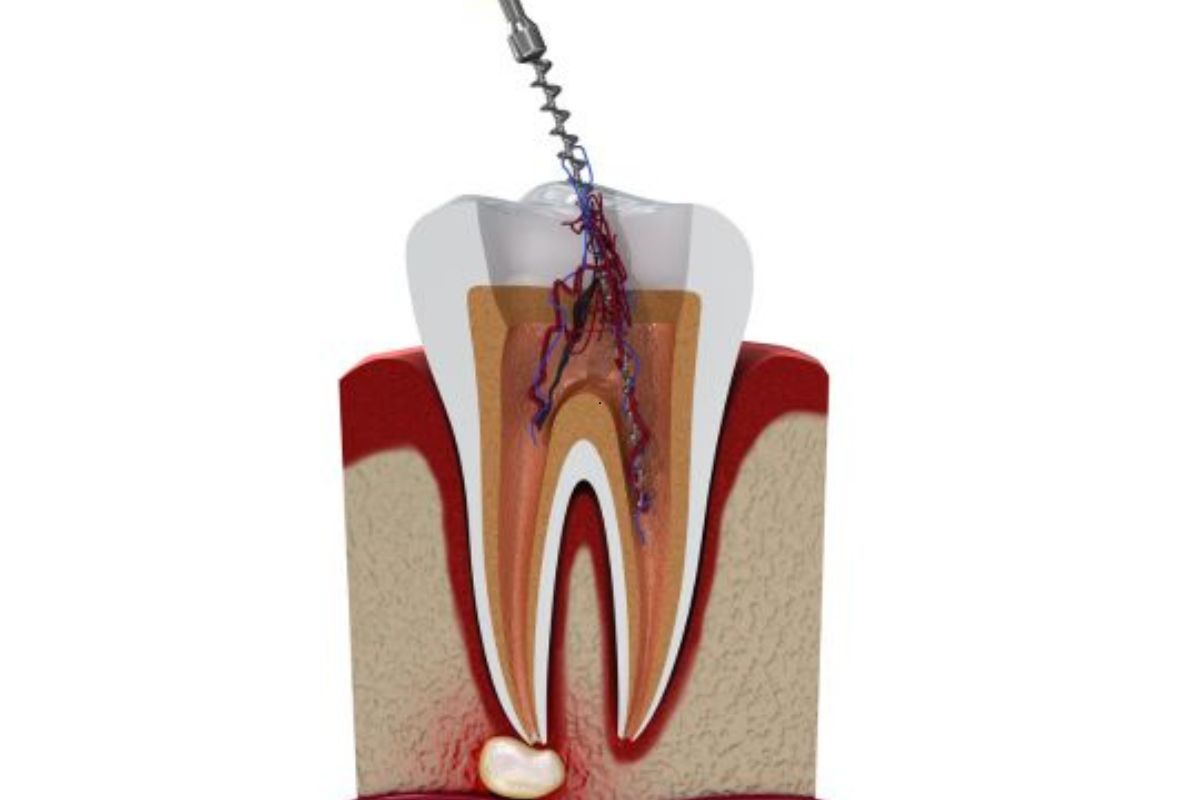
A root canal is a dental procedure that removes infected or damaged pulp from inside a tooth. The pulp is the soft tissue containing nerves and blood vessels. When bacteria reach this inner layer, infection sets in quickly.
Without treatment, that infection spreads beyond the tooth root. It can move into your jawbone, surrounding teeth, and even your bloodstream. Root canal treatment stops this process and preserves your natural tooth structure.
Most patients in Phoenix are surprised to learn the procedure itself is not painful. Modern techniques and local anesthesia make it very manageable. The real discomfort comes from leaving an infected tooth untreated.
Key Symptoms That Suggest You May Need a Root Canal in Phoenix
Several warning signs point strongly toward a root canal. Recognizing them early gives you the best possible outcome. Here are the most common symptoms Dr. Harris looks for during an evaluation.
- Persistent, throbbing toothache — Pain that lingers for days and does not respond to over-the-counter pain relief is a red flag.
- Sensitivity to heat or cold — Sharp pain that stays after the temperature source is removed suggests nerve involvement.
- Darkening or discoloration of the tooth — A tooth turning gray or brown often signals internal tissue damage.
- Swelling or tenderness in the gums — A swollen, tender, or pimple-like bump near the tooth root is a classic sign of an abscess.
- Pain when biting or chewing — Discomfort during normal eating often means the tooth’s inner structures are compromised.
- A cracked or chipped tooth — Even small cracks can allow bacteria to enter the pulp chamber over time.
Not every symptom appears at once. Some patients experience only mild sensitivity at first. Do not dismiss subtle pain — it often escalates without warning.
Why Waiting Always Makes Things Worse
This is the most important message Dr. Harris wants every Phoenix patient to understand. Dental infections do not pause or heal themselves. Every day without treatment gives bacteria more time to spread.
An early-stage infection confined to the tooth is straightforward to treat. A spreading infection can destroy surrounding bone tissue. At that point, even a successful root canal may not save the tooth — leading to extraction instead.
After extraction, you face additional decisions. Replacing a missing tooth often involves Dental Implants Phoenix patients rely on to restore full function and aesthetics. This is a more involved and costly process than a timely root canal would have been.
Delaying treatment also raises the risk of systemic health complications. A dental abscess can become a serious medical emergency if the infection enters the bloodstream. Prompt care protects both your oral health and your overall well-being.
What Happens During a Root Canal Appointment?
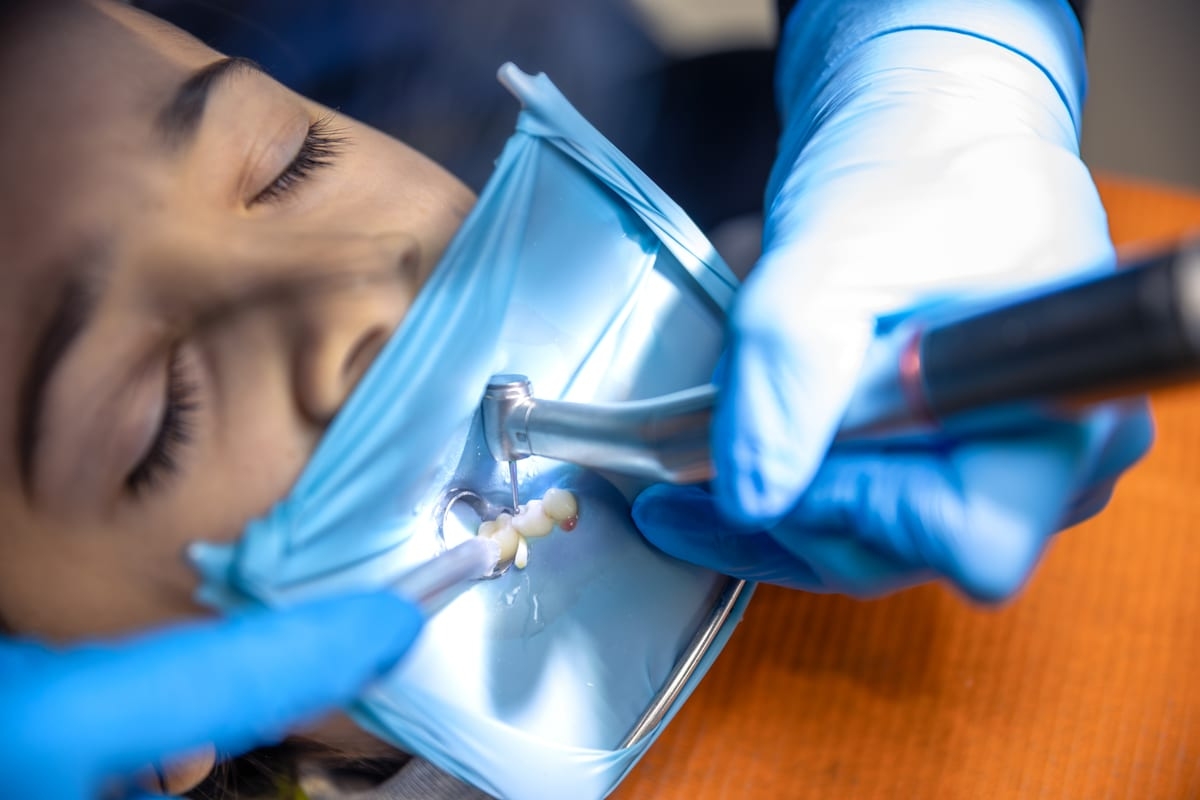
Understanding the process helps reduce anxiety for many patients. Dr. Brandon Harris walks every patient through each step before beginning. Knowing what to expect makes the experience far less stressful.
- Examination and X-rays — Dr. Harris evaluates the tooth and uses digital X-rays to assess infection depth and root structure.
- Local anesthesia — The area is fully numbed before any work begins. Most patients feel only mild pressure during the procedure.
- Pulp removal — The infected pulp is carefully removed through a small opening in the tooth’s crown.
- Cleaning and shaping — The root canals are cleaned, disinfected, and shaped to accept the filling material.
- Sealing the tooth — A biocompatible material called gutta-percha fills and seals the canals to prevent re-infection.
- Crown placement — Most treated teeth need a Dental Crowns Phoenix patients trust to protect and restore full biting strength.
Recovery is typically mild. Most patients return to normal activities the next day. Some tenderness is expected for a few days, but serious pain is uncommon after a well-performed procedure.
How Phoenix Patients Can Prevent Future Root Canals
Prevention is always better than treatment. Consistent daily habits dramatically reduce your risk of needing a root canal in the future. These steps are simple but genuinely effective.
- Brush twice daily using fluoride toothpaste to remove bacteria before they reach the pulp.
- Floss every day to clear debris and plaque from between teeth and along the gumline.
- Attend routine cleanings and exams at our dental office in Phoenix at least twice per year.
- Address cracked or chipped teeth immediately — small damage can become a gateway for bacteria.
- Wear a mouthguard if you grind your teeth at night, as grinding weakens enamel over time.
- Seek emergency dental care promptly when you notice any tooth pain or swelling.
Dr. Harris and the team are committed to helping patients keep their natural teeth for life. Regular care is the most effective strategy available. Your next cleaning appointment may catch a problem before it ever becomes a root canal.
Do Not Ignore the Signs — Act Now
Tooth pain is your body’s way of telling you something is wrong. The question — is your tooth pain actually telling you to get a root canal in Phoenix — deserves a real answer from a qualified professional. Self-diagnosing from a list of symptoms is not enough.
Dr. Brandon Harris offers thorough evaluations for patients experiencing any of the warning signs described above. Early diagnosis protects your tooth, reduces treatment complexity, and keeps overall costs lower. There is no benefit to waiting.
If you are experiencing persistent tooth pain, sensitivity, swelling, or any other concerning symptoms, reach out to our dental office today. Our team is here to give you clear answers and compassionate care. Book Now to schedule your appointment with our team.
Frequently Asked Questions
How do I know if my toothache requires a root canal or just a filling?
A filling treats surface decay that has not reached the inner pulp. If your pain is severe, constant, or accompanied by swelling or sensitivity to heat, the infection has likely reached the pulp. Dr. Harris uses X-rays and a clinical exam to determine which treatment is appropriate for your specific situation.
Is a root canal procedure painful?
Most patients report that a root canal feels similar to getting a routine filling. Dr. Brandon Harris uses effective local anesthesia to ensure the area is completely numb before beginning. Any discomfort you feel afterward is typically mild and managed easily with over-the-counter pain relievers.
What happens if I ignore my tooth pain and skip treatment?
Ignoring a dental infection allows bacteria to spread into the surrounding bone, neighboring teeth, and potentially your bloodstream. What begins as a treatable root canal can evolve into a tooth extraction and more extensive restorative work. Early treatment always produces the best outcomes and the lowest risk of complications.
How long does a root canal take to complete?
Most root canal procedures at Biltmore Cosmetic & Restorative Dentistry in Phoenix are completed in one to two appointments. Each appointment typically lasts between 60 and 90 minutes depending on the complexity of the tooth’s root structure. Dr. Harris will give you a clear timeline during your initial evaluation.
Will I need a crown after my root canal?
In most cases, yes. A tooth that has undergone root canal treatment becomes more brittle over time without protective coverage. A dental crown restores the tooth’s strength, appearance, and full function. Dr. Harris will discuss your crown options and timing as part of your complete treatment plan.