5155 N 16th St UNIT A, Phoenix, AZ 85016


Your toothache settles after treatment, but biting still feels tender. Does that mean the procedure failed? Not necessarily. Soreness often comes from tissues around the tooth, rather than the removed nerve. Increasing pain or swelling, however, needs evaluation.
At Biltmore Cosmetic & Restorative Dentistry in Phoenix, Dr. Brandon Harris approaches lingering tooth discomfort by looking beyond the symptom. We consider your bite, restoration, and surrounding tissues. If chewing remains uncomfortable, visit our office for an evaluation.
Why Tenderness Can Continue After Treatment
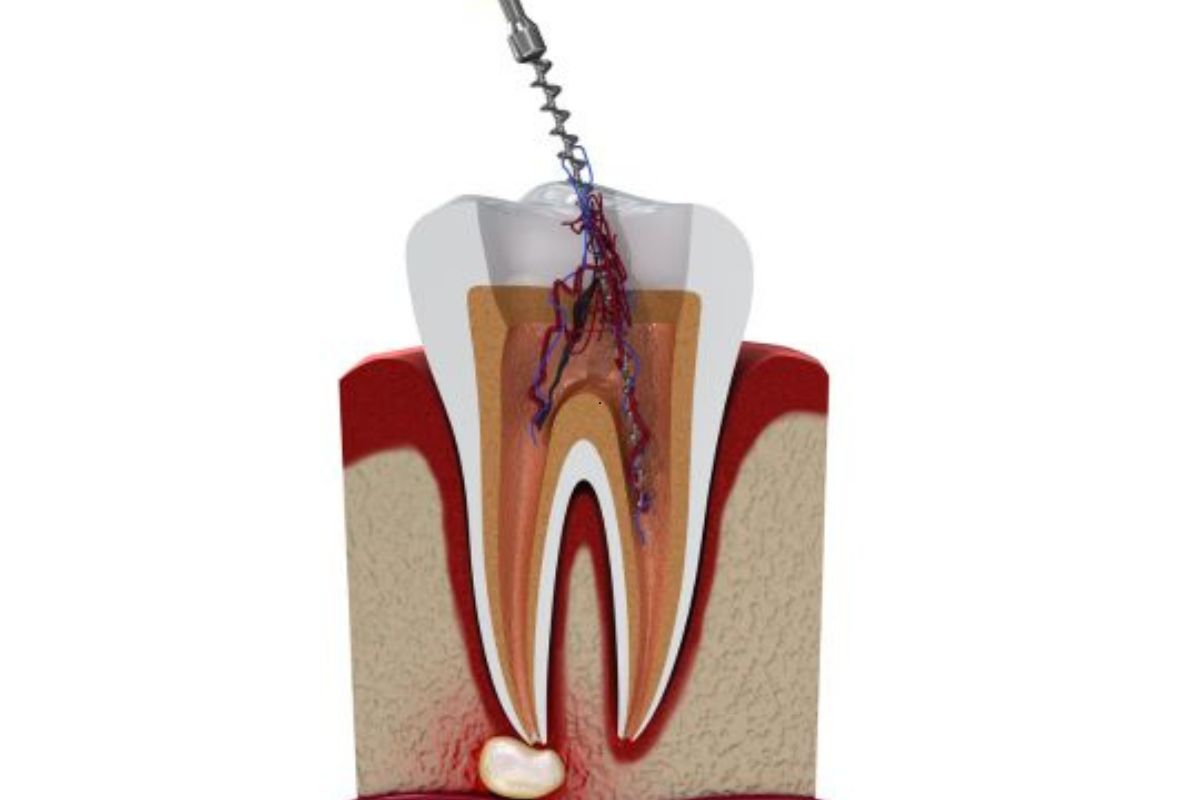
A root canal removes inflamed or infected pulp from inside a tooth. The dentist cleans and seals its canals to preserve the tooth. Yet the procedure does not remove nerves from the tissues surrounding its roots. Those tissues still respond to pressure and inflammation.
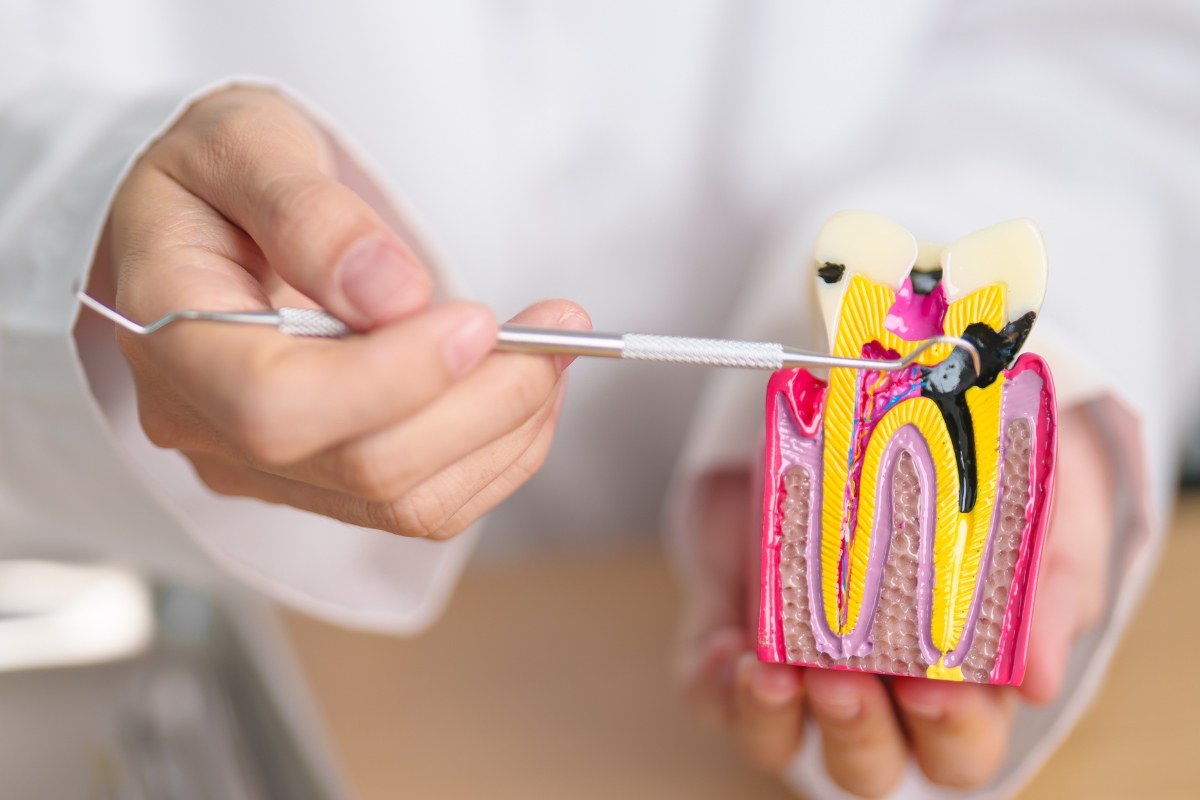
The periodontal ligament acts like a cushion between the tooth root and jawbone. If it was irritated by infection or your root canal treatment, biting may feel uncomfortable while it recovers. Therefore, even a tooth without pulp can hurt under pressure.
Six Reasons Your Tooth May Hurt
Surrounding Tissues Are Still Recovering
A deep infection can irritate tissues beyond the root tip before treatment even begins. Removing the infected pulp addresses the source, but nearby inflammation may take longer to settle.
The procedure itself may also cause temporary tenderness. A fading ache is less concerning than new, intense pain. Improvement often appears within three to five days.
Your Bite May Be Slightly Uneven
A temporary filling or new crown can sometimes contact the opposing tooth earlier than neighboring teeth. This can overload the healing ligament. Your treated tooth might touch first.
A dental practitioner can check your bite and adjust the restoration if needed. Never reshape a filling yourself.
Clenching Can Increase Bite Pressure
Clenching or grinding places repeated force on recovering tissues. Tenderness may appear after waking or during stressful days.
Our dentist may check for worn teeth or sore jaw muscles. A protective appliance may help, depending on the findings. An examination is essential.
A Crack May Still Cause Discomfort
A cracked tooth may have required treatment initially. Removing damaged pulp does not repair the fracture itself. Chewing can still trigger sharp pain.
Crack symptoms can come and go. A crown may protect weakened surfaces, but deeper fractures require different care.
Infection May Need Further Evaluation
Sometimes an infection persists, or a treated tooth becomes infected again later. Complex root anatomy, an untreated canal, or leakage around a restoration can contribute. Pain might return after a comfortable period, sometimes alongside swelling or a gum bump.
These signs do not necessarily mean retreatment. Our Phoenix dentist may investigate further or recommend an endodontic evaluation.
A Neighboring Tooth May Be Responsible
Pain does not always identify its exact source. A nearby tooth can develop decay, a crack, or inflamed pulp while your treated tooth heals. As a result, discomfort may seem to come from the recently treated area even when another tooth needs attention.
This distinction matters with temperature sensitivity. A fully treated tooth usually cannot sense hot or cold through removed pulp. Lingering temperature pain may instead point to an adjacent tooth or another source. Tell your dental professional exactly what you feel and when it happens.
How Long Should Soreness Normally Last?
Mild tenderness is common initially, especially after infection. The American Association of Endodontists notes improvement usually occurs within three to five days. Underlying tissues may heal more gradually.
Symptoms should trend toward relief. Contact our dentist if discomfort persists beyond a few days without improvement. Severe pain needs earlier attention.
Signs That Deserve Prompt Dental Attention
Worsening soreness, an uneven bite, or a lost temporary filling warrants evaluation. Swelling, drainage, or returning symptoms also deserve attention.
Fever with dental swelling requires urgent assessment. Difficulty breathing or swallowing requires emergency care immediately.
What Happens During Your Follow-Up Visit?
We ask when tenderness started and what triggers it. We also assess whether symptoms are improving. Your answers guide the examination.
We assess your gums, restoration, and bite. X-rays may reveal changes near the roots, although not every crack is visible. Complex cases may need additional testing.
We may also compare your treated tooth with its neighbors. Gentle pressure tests and temperature testing of nearby teeth can help narrow the possibilities. That careful comparison helps avoid unnecessary treatment when the discomfort comes from somewhere else.
Treatment depends on the findings. Options may include bite adjustment, restoration, or infection management. We explain what each involves.
Why a Permanent Crown May Matter
After treatment, a weakened tooth often needs more than a temporary filling. Back teeth face substantial chewing forces, and missing tooth structure raises fracture risk. A permanent crown can cover the tooth and restore a more stable chewing surface.
Our dental crowns are made to complement neighboring teeth while supporting comfortable function. At our practice, we check the crown’s fit, appearance, and bite before completing placement. Not every treated tooth requires a crown, so we evaluate how much healthy structure remains.
A crown does not cure every cause of tenderness. For example, a tooth with an unresolved infection needs evaluation before definitive restoration. However, timely protection helps reduce unnecessary stress on teeth that are suitable for restoration.
Practical Ways to Protect Your Tooth
Until the dentist confirms the tooth is ready for normal use, avoid chewing hard foods on that side. Choose softer meals and wait until numbness disappears before eating. Keep brushing and flossing gently to prevent plaque buildup around the tooth.
If medication is appropriate for you, follow your dentist’s instructions or the product label. Do not place aspirin directly against your gums. Avoid testing the tooth repeatedly by biting down to see whether it hurts. Constant pressure can keep irritated tissues uncomfortable.
If you have a temporary restoration, arrange your permanent restoration without unnecessary delay. Call (602) 265-5155 if the temporary material comes loose or your bite suddenly changes. Small practical steps can support recovery, but persistent pain still requires a professional assessment.
Thoughtful Dental Care for Phoenix Patients
Persistent tenderness can disrupt meals, meetings, and everyday routines around the Biltmore area. You should not have to guess whether the discomfort is normal or a warning sign. Our team offers root canal treatment in Phoenix alongside restorative options intended to help preserve natural teeth.
Dr. Harris combines a restorative focus with careful conversations about your symptoms and treatment choices. We consider the whole tooth, including the supporting tissues and final restoration. This helps patients understand what recovery should feel like and when follow-up care makes sense.
Feel Comfortable Biting and Chewing Again
A little tenderness after treatment does not automatically signal failure. Still, discomfort that intensifies, lingers, or affects your bite deserves attention. Identifying the reason early may prevent avoidable damage and help protect the tooth you worked to save.
Visit our dental office at 5155 N 16th St Unit A, Phoenix, AZ. Call (602) 265-5155 to schedule an examination with Dr. Brandon Harris. We will assess your symptoms, explain our findings, and discuss the next appropriate step.
Frequently Asked Questions About Tooth Tenderness
Is It Normal to Hurt When Biting?
Mild biting tenderness can happen while tissues around the root recover. It should gradually ease over several days. If biting feels sharply painful, or tenderness worsens or persists, arrange a prompt dental appointment for evaluation.
Can a Root Canal Fail Without Swelling?
Yes. A treated tooth can develop a problem without obvious swelling or a visible gum bump. Recurring pain, pressure, or sensitivity deserves assessment, even when the gums look normal and you otherwise feel completely fine.
Why Does My Crown Feel Too High?
A crown may contact opposing teeth sooner than it should, concentrating chewing pressure on the treated tooth. Your dentist can check your bite and adjust the crown when needed to improve comfort during normal healing.
Can the Tooth Hurt Months Later?
Yes. Delayed tenderness may reflect a new crack, restoration leakage, grinding, or persistent infection. Because several conditions can feel similar, schedule an examination rather than assuming the original procedure failed or repeating pain medication indefinitely.
Should I Chew on the Treated Side?
Avoid hard chewing on that tooth until your dentist confirms its permanent restoration is complete and functioning properly. Soft foods may be easier during recovery. Follow your own aftercare instructions because individual tooth conditions vary.
Do I Need Antibiotics for Tenderness?
Not usually. Mild post-treatment soreness alone does not establish a bacterial infection needing antibiotics. Your dentist will assess swelling, systemic symptoms, and other findings before deciding whether medication or another dental procedure is clinically appropriate.
When Should I Call My Dentist?
Call our dentist immediately at (602) 265-5155 if pain increases, your bite feels uneven, swelling develops, or a temporary filling comes loose. Severe pain lasting more than a few days also warrants examination. Trouble breathing or swallowing requires immediate emergency care.