5155 N 16th St UNIT A, Phoenix, AZ 85016


Are you experiencing a dental crown falling out? You’re not alone. Dental crowns can come loose or fall out for various reasons, causing discomfort and inconvenience. But how often does this happen, and what can you do about it? In this blog post, we’ll dive into the common causes of dental crown failure and explore tips on how to prevent it from happening in the future. So sit back and get ready to learn everything you need to know about your dental crowns!
What are dental crowns?
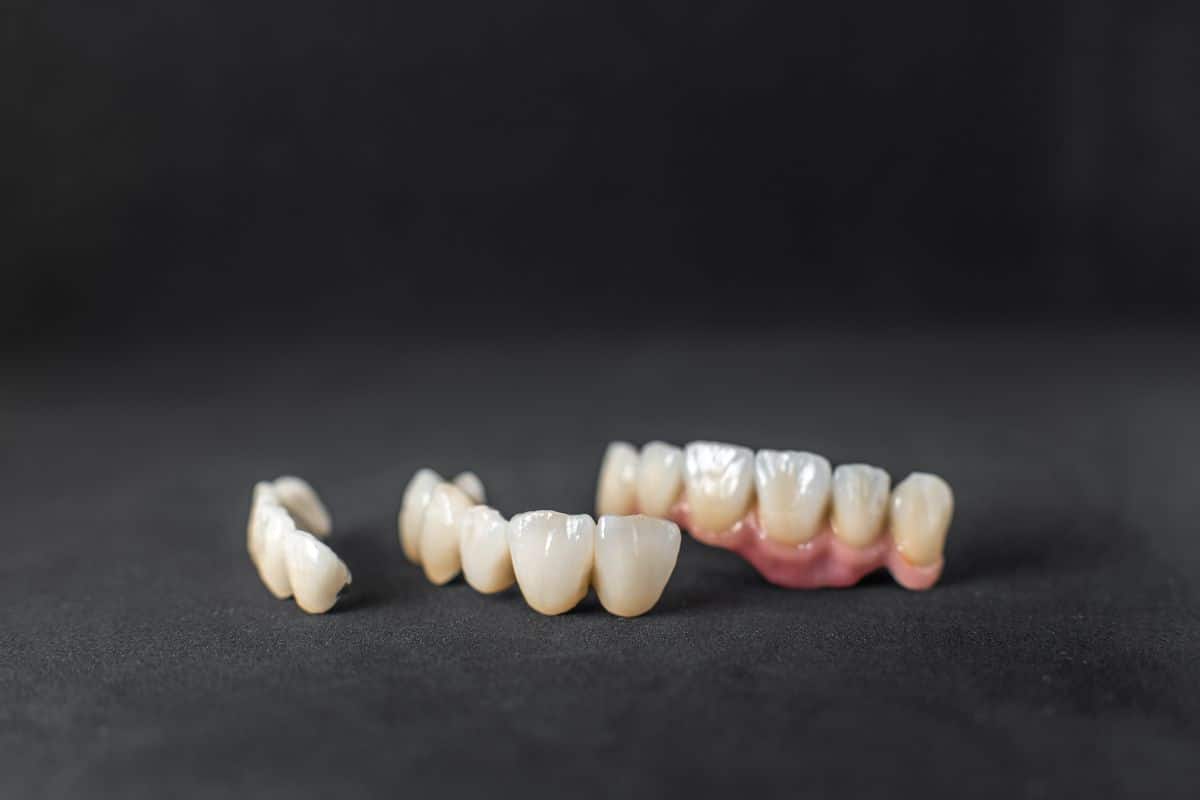
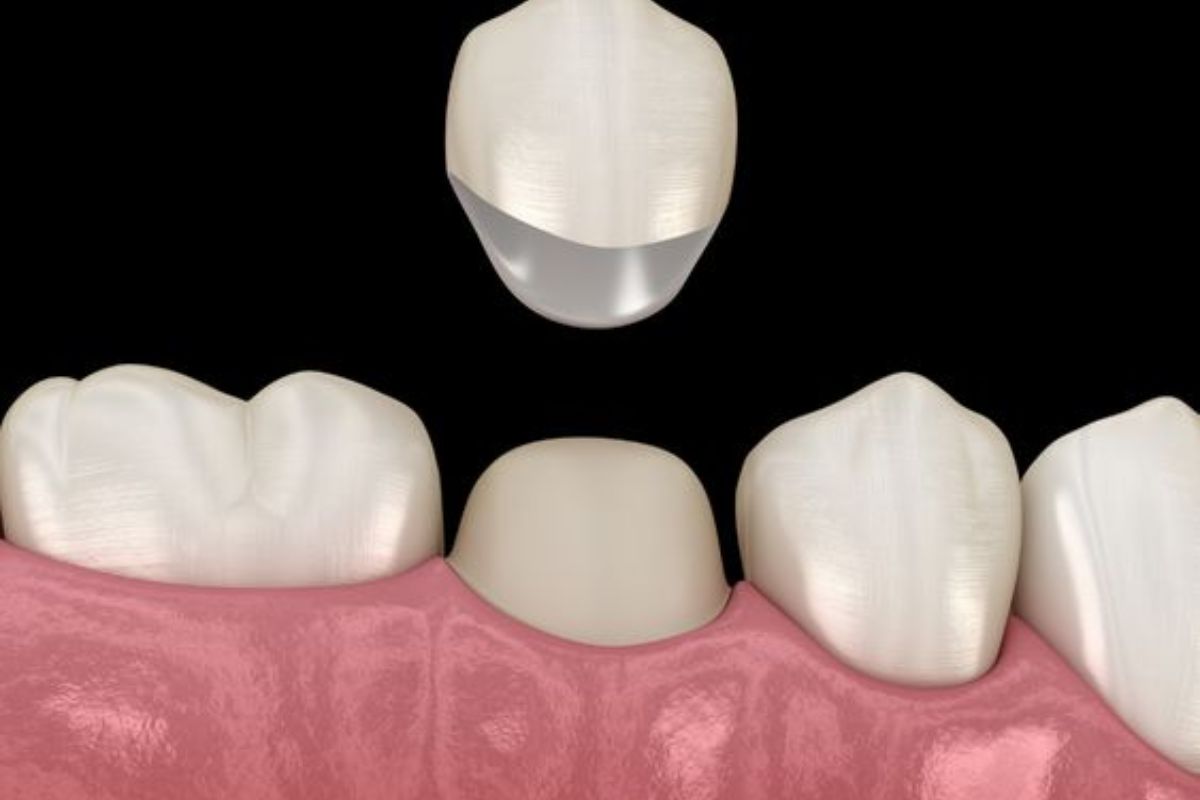
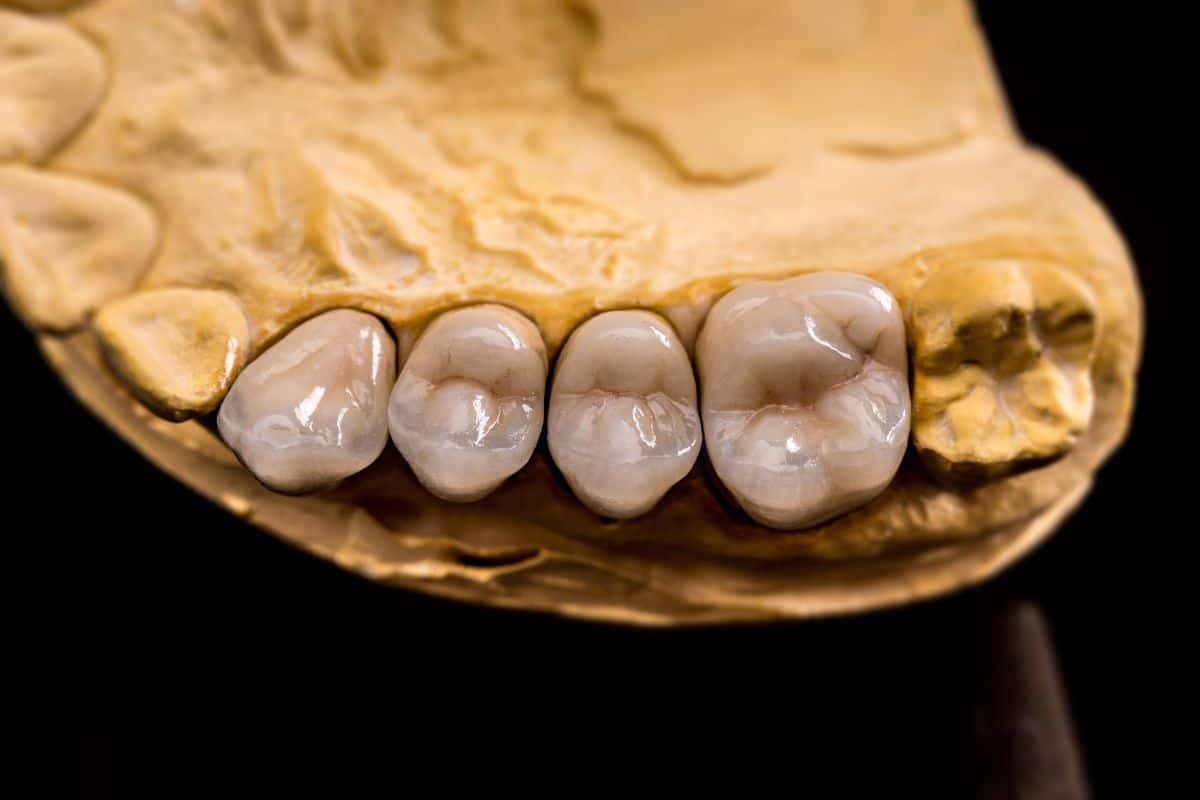
Dental crowns are an important part of many people’s oral health care routine. They are most commonly used to protect a damaged tooth from further decay or injury, but can also be used for cosmetic purposes. A dental crown is essentially a cap that is placed over a tooth in order to restore its shape, size, and strength. Crowns can be made from a variety of materials, including porcelain, ceramic, and metals such as gold or stainless steel.
While dental crowns are generally considered to be very safe and effective, there are some instances in which they may fall out. This usually occurs if the crown becomes loose due to improper fitting or poor oral hygiene. It is also possible for a crown to come off if you bite down on something hard or chew on sticky foods. If you experience any problems with your dental crown, it is important to see your dentist right away so that the issue can be addressed.
How often do dental crowns fall out?
If you have a dental crown, it is important to know that they occasionally fall out. While this may be alarming, it is usually not a cause for concern. There are a few reasons why your crown may fall out, and there are ways to prevent it from happening.
Your crown may fall out if it is not fitted properly. This can happen if your dentist does not take an impression of your tooth correctly or if the crown is not the right size. If your crown is too loose, it will eventually come off.
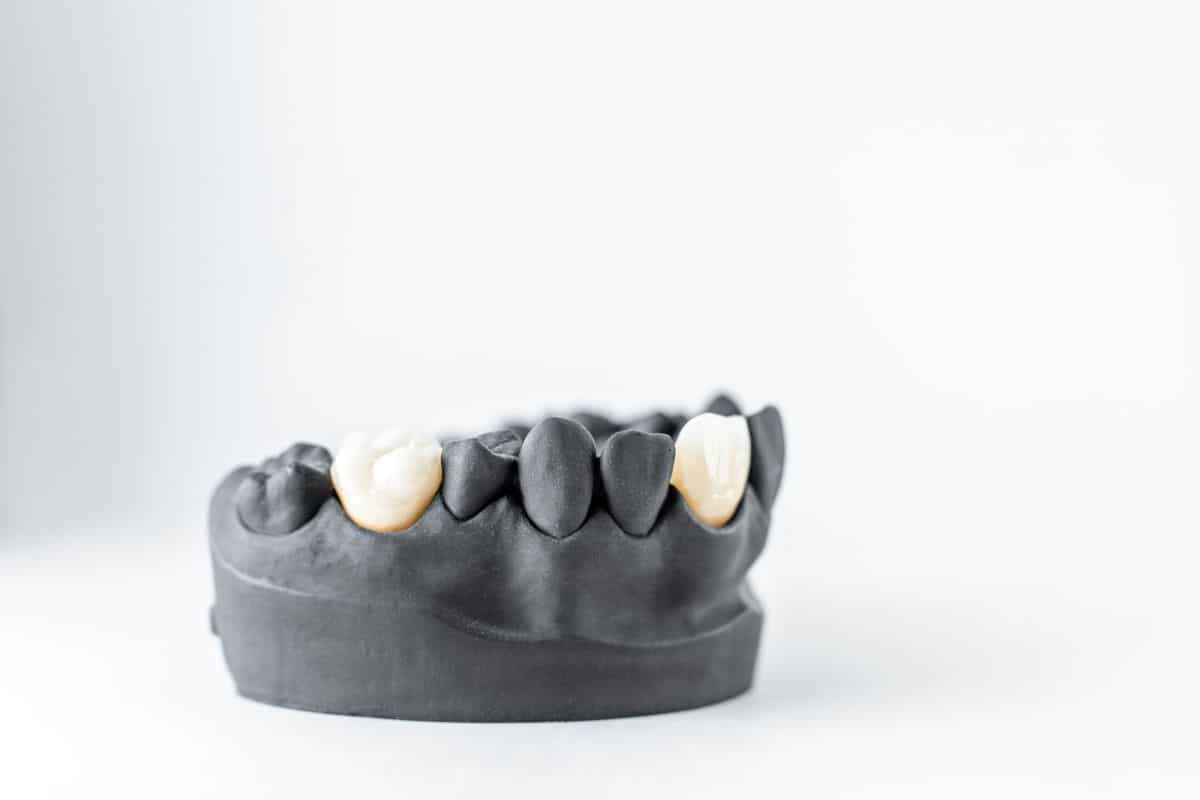
You may also experience a crown falling out if you grind or clench your teeth excessively. This puts extra pressure on the crown and can loosen it over time. If you think you may be grinding your teeth at night, talk to your dentist about getting a mouthguard to wear while you sleep.
Crowns can also come off if you eat hard foods or chew on ice cubes. Be careful with these activities and avoid them if possible.
If your dental crown falls out, don’t panic! You can usually put the crown back in place yourself. If the tooth is clean and there is no pain, try to push the crown back into place with your finger. If that doesn’t work, you can try using denture adhesive or temporary cement from your local drugstore. Once the adhesive has set, avoid eating or drinking for at least 30 minutes to allow it to bond properly.
What causes dental crowns to fall out?
There are a few different reasons why dental crowns may fall out. One common reason is if the crown becomes loose over time. This can happen due to gum disease or decay around the tooth. It can also happen if there was not enough tooth structure remaining when the crown was originally placed or if the crown was not placed correctly. Another reason for a crown to fall out is if it is hit by something hard, such as biting down on something hard or getting hit in the mouth.
How can I prevent my dental crown from falling out?
It is estimated that dental crowns have a success rate of about 98%. However, there are a number of things that can lead to a crown falling out, such as:
- Not Following the Proper Oral Hygiene Regimen: It is important to brush and floss twice a day and to see your dentist regularly for cleanings in order to maintain the health of your teeth and gums. If you do not take care of your mouth, it is more likely that your dental crown will become loose and fall out.
- Eating Hard Foods: Biting into hard candy or chewing on ice can put too much pressure on your dental crown and cause it to come loose. It is best to avoid hard foods altogether if you have a dental crown.
- Grinding Your Teeth: Teeth grinding (bruxism) can put a lot of stress on your teeth and cause them to loosen over time. If you grind your teeth at night, it is recommended that you wear a mouth guard to protect your teeth from damage.
What should I do if my dental crown falls out?
If your dental crown falls out, it’s important not to panic. The first thing you should do is try to reinsert the crown back into its original position. If that’s not possible or if the crown is damaged, call your dentist as soon as possible to schedule an appointment. In the meantime, you can place a piece of sugarless gum over the exposed tooth to help protect it from further damage.
Dental crowns are a reliable and long-lasting solution for treating broken, decayed, or misaligned teeth. However, it’s important to be aware that dental crowns can fall out if they become loose due to trauma or poor oral hygiene. To ensure your dental crown remains in place, practice good oral hygiene habits and visit your dentist in phoenix regularly for checkups. Following these steps will help protect the integrity of your dental crown so that you can keep smiling confidently with a healthy smile.
Dental crowns are designed to be durable and long-lasting, and they rarely fall out when properly placed and maintained. In fact, studies show that only about 5–10% of dental crowns fail over a 10-year period, meaning the vast majority remain secure for many years.
However, patients in Phoenix, AZ may experience crown issues due to factors like teeth grinding (bruxism), extreme temperature changes, or underlying tooth decay. While it’s not common, a dental crown can become loose or fall out if the cement weakens, the tooth structure changes, or the crown experiences excessive pressure.
At Biltmore Cosmetic & Restorative Dentistry in Phoenix, we often see that most crown failures are preventable with proper oral hygiene, routine dental visits, and early intervention. If your crown feels loose or uncomfortable, addressing it early can help you avoid a complete crown loss.
Frequently Asked Question (FAQs)
How often do dental crowns fall out?
Dental crowns do not fall out frequently. With proper care and regular dental visits, most crowns remain secure for 10 to 15 years or longer. Failures are relatively uncommon and usually happen due to underlying issues such as decay or wear over time.
Is it normal for a dental crown to fall out?
It is not considered normal for a dental crown to fall out. When it happens, it typically indicates a problem such as weakened dental cement, damage to the crown, or decay affecting the underlying tooth structure.
What should I do if my dental crown falls out?
If your dental crown falls out, you should keep it in a safe place and avoid chewing on the affected side. It is important to contact your dentist as soon as possible so they can evaluate whether the crown can be reattached or needs replacement.
Can a dentist reattach a crown after it falls out?
In many cases, a dentist can reattach a crown if it is still intact and the supporting tooth is healthy. If the crown is damaged or the tooth underneath has changed, a new crown may be required.
How long do dental crowns typically last?
Dental crowns typically last between 10 and 15 years, but their lifespan can extend beyond that with proper oral hygiene and routine dental checkups. Longevity depends on factors such as material, bite pressure, and daily habits.
What causes a dental crown to become loose?
A dental crown may become loose due to several reasons, including decay under the crown, deterioration of the bonding cement, teeth grinding, or excessive pressure from chewing hard foods over time.
Is a loose crown a dental emergency?
A loose crown is not always an immediate emergency, but it should not be ignored. Prompt dental care is necessary to prevent further damage, discomfort, or potential infection in the affected tooth.
Can I temporarily fix a loose crown at home?
A loose crown can sometimes be temporarily secured using over-the-counter dental cement, but this is only a short-term solution. It is essential to visit a dentist quickly to ensure proper and lasting treatment.
Does a crown falling out mean there is decay?
A crown falling out does not always mean there is decay, but it can be a warning sign. In many cases, underlying decay or structural changes in the tooth may contribute to the crown becoming loose or dislodged.
Can I eat if my crown falls out?
It’s best to avoid chewing on that side and stick to soft foods until your dentist fixes it.