5155 N 16th St UNIT A, Phoenix, AZ 85016


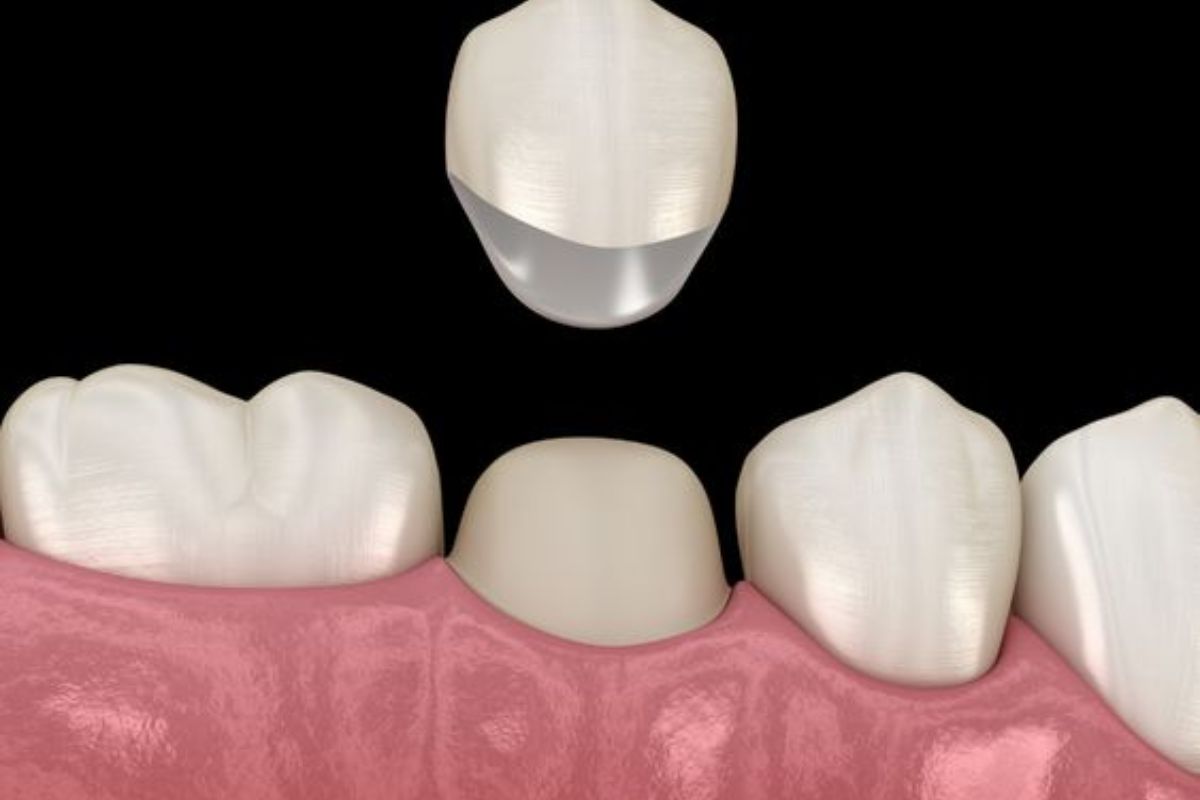
When it comes to dental restorations, Dental Crowns can often provide a longer-lasting solution. Dental crowns are sometimes called “caps” and cover the entire visible portion of your tooth. This helps protect a weakened or damaged tooth from further decay while restoring its natural shape and supporting other structures in the mouth. Additionally, Dental Crowns can be used to improve the aesthetic appearance of your smile. In this article, we will provide an overview of Dental Crowns, the types available, and the procedures associated with them.
Choosing the Right Dental Crown for Your Needs
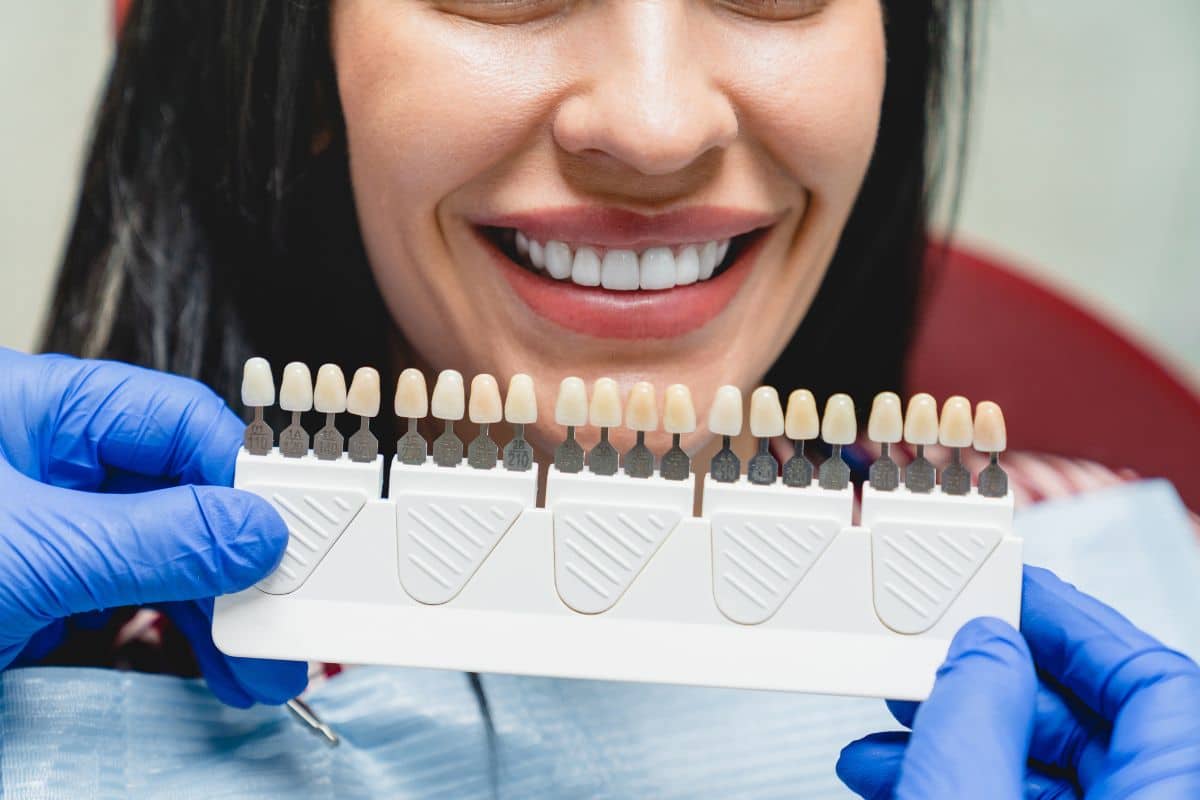
Selecting the right dental crown is essential for both aesthetics and functionality. Dentists consider factors such as the location of the tooth, the extent of damage, and your personal preferences. For example, porcelain crowns are ideal for front teeth due to their natural appearance, while metal crowns provide maximum strength for molars that endure heavy chewing. Understanding the differences in crown types can help you make informed decisions and ensure long-lasting tooth restoration.
Types Of Dental Crowns
There are several different materials that dentists may use when fabricating Dental Crowns, including porcelain, metals, and resin.
Porcelain Dental Crowns
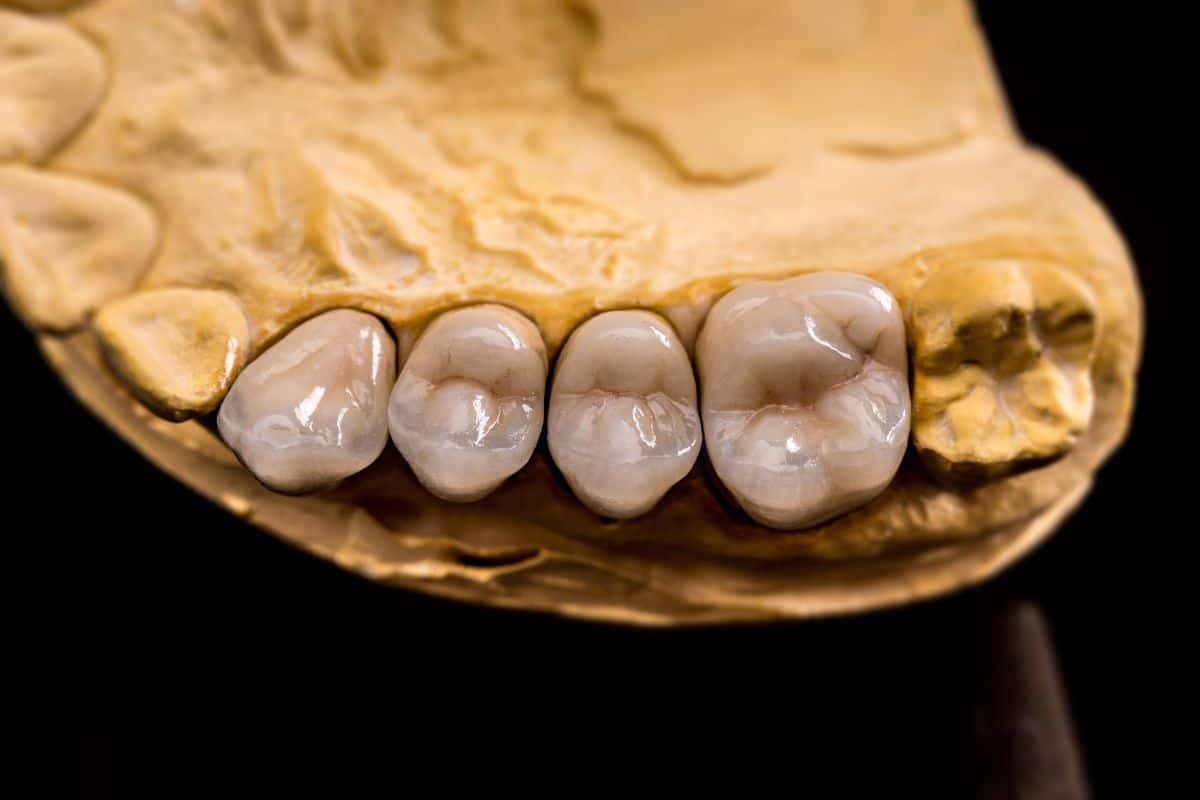
Porcelain Dental Crowns are made from a ceramic material that closely resembles the natural color of your teeth. They can be used to match adjacent teeth for a seamless fit and look great when placed on front teeth. Porcelain Dental Crowns are strong and durable but may not be ideal for back molars due to their brittle nature.
Metal Dental Crowns
Metal Dental Crowns are usually made from gold or other alloys, such as palladium or nickel-chromium blends. These crowns are solid, making them an excellent choice for back molars where maximum strength is required. However, metallic Dental Crowns do not offer the same natural look and feel as other crown materials.
Resin Dental Crowns
Resin Dental Crowns are made from a composite material matched to your existing teeth for a seamless, aesthetic fit. They are also less expensive than porcelain Dental Crowns but may wear down faster, which could result in additional future visits to the dentist for replacement or repair.
Caring for Your Dental Crown: Tips for Longevity
Proper care is key to extending the life of your dental crown. Regular brushing and flossing, along with routine dental check-ups, help prevent decay at the edges of the crown. Avoid biting hard objects like ice or pens, which can damage the crown. Following these simple steps ensures that your dental crown remains strong and functional, protecting your restored tooth for years to come.
Understanding the Dental Crown Procedure
The dental crown procedure typically involves two visits. During the first visit, the dentist prepares the tooth, removes decay, and takes impressions to create a custom crown. A temporary crown is placed while the permanent crown is being fabricated. On the second visit, the permanent crown is fitted and cemented, completing the tooth restoration. Understanding the steps of the procedure helps patients feel more comfortable and confident about their treatment.
Dental crowns are a practical option for restoring damaged or weakened teeth while also improving the aesthetic appearance of your smile. For best results, it is essential to discuss your options with a qualified dentist who can help determine which Dental Crown option will best suit your needs.