5155 N 16th St UNIT A, Phoenix, AZ 85016


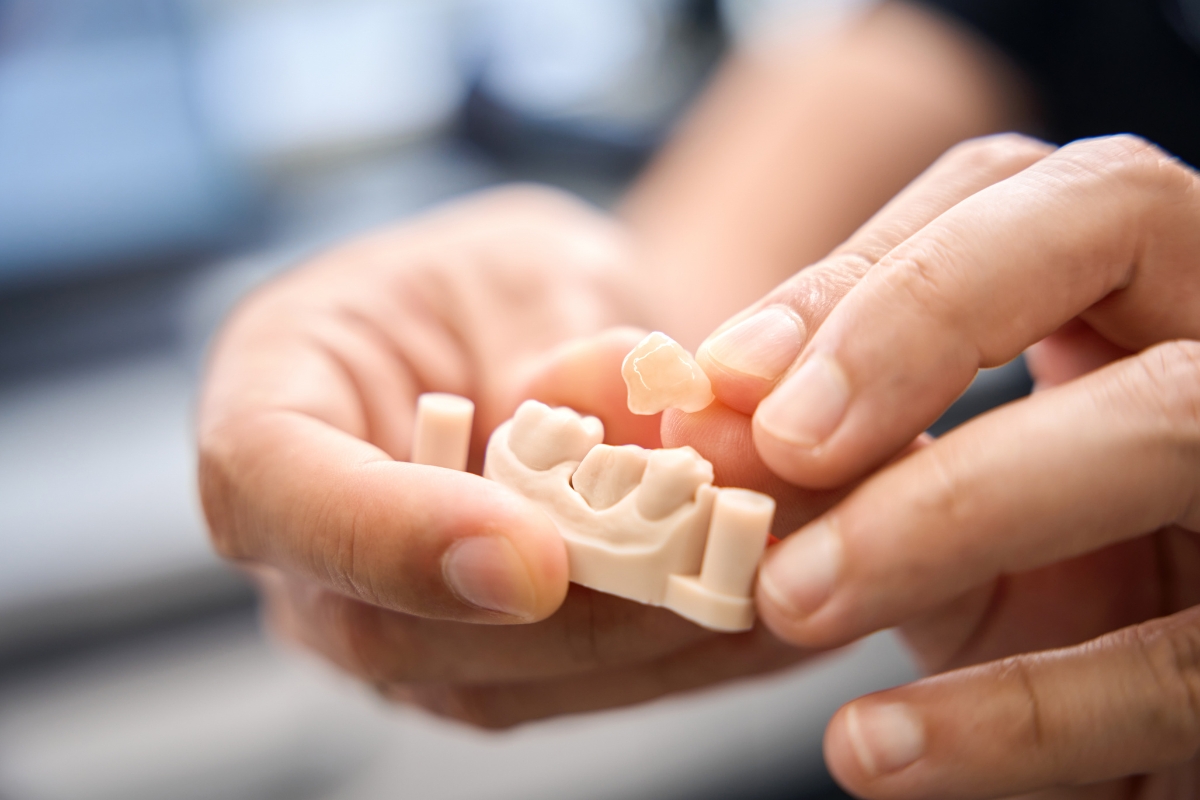
A dental crown should help you chew comfortably, not make every bite feel uneven. But a new crown may touch first or feel taller when you bite. That difference deserves attention.
At Biltmore Cosmetic & Restorative Dentistry in Phoenix, Dr. Brandon Harris focuses on restoring both a tooth’s appearance and its function. If your new crown feels uncomfortable, visit our Phoenix dental office for an evaluation and a clear explanation of your options.
What Does a High Crown Mean?
A high crown is a restoration that makes contact with an opposing tooth before nearby teeth meet evenly. Dentists call this an early or premature contact. Small differences can shift chewing pressure.
Your bite, also called occlusion, involves more than opening and closing your mouth. Crowns must also fit during side-to-side jaw movements.
Quick answer: If your crown hits first, feels taller, or hurts when biting, contact your dentist for a bite check. A small adjustment may help, but the dentist must identify the cause before making changes.
Why Your New Crown Feels Taller
The Biting Surface Needs Adjustment
Crowns are designed to match the surrounding teeth, but small variations can remain after placement. If one spot is slightly too prominent, that tooth may take more pressure than intended.
Numbness Masked the Difference Initially
Local anesthetic makes treatment more comfortable, but it can also change how naturally you close your mouth. You might not notice a small uneven contact until numbness disappears.
The Crown Is Not Fully Seated
Sometimes an issue with how a crown fits against its prepared tooth changes the way it meets opposing teeth. Your dentist must check the crown’s seating, not just its height. A poorly fitting crown may need a different solution.
Grinding Changes Your Bite Pressure
Clenching or grinding places additional force on teeth and restorations. Someone who grinds while sleeping may notice tenderness around a newly crowned tooth. Your dentist may discuss protective options after checking the bite.
Your Mouth Needs Brief Adjustment
A crown changes the tooth’s shape, so a new sensation is not always evidence of an incorrect fit. Your tongue and jaw may need time to get used to the restoration.
Signs Your Crown Needs a Check
Notice when symptoms appear and whether they improve.
- One tooth hits first. The crowned tooth touches before other teeth when you close gently.
- Chewing causes pressure. Biting on ordinary food feels uncomfortable or unusually forceful.
- Your jaw feels uneven. You change how you close your mouth or chew on the opposite side.
- Tenderness increases. The crowned tooth becomes more sensitive after repeated chewing.
- Pain persists. Your bite still feels wrong after the anesthetic has worn off.
Normal Sensitivity Versus Bite Interference
Mild gum tenderness and temperature sensitivity can occur after crown treatment. These symptoms often improve as the treated area recovers. A high contact behaves differently: the same tooth meets first whenever you close gently, often causing pressure while chewing.
Sensitivity that grows stronger, lasts after hot or cold drinks, or interrupts sleep also deserves evaluation. These symptoms may point to concerns beyond crown height. A high contact is a mechanical issue and should not be expected to wear down naturally.
Why You Should Not Ignore It
A crown that absorbs more force than surrounding teeth can irritate the ligament supporting the tooth. Ongoing pressure can also strain nearby teeth or contribute to jaw muscle discomfort.
Avoiding that side does not fix uneven contact. Excessive biting forces may also increase stress on a restoration, particularly when grinding is present.
Not every uncomfortable crown is too tall. Pain could relate to a cracked tooth, inflammation inside the tooth, irritated gums, or crown fit.
How Dentists Check Crown Height
If you visit us about a dental crown in Phoenix, we begin by understanding exactly when the discomfort occurs. Does the tooth hurt while chewing, when you release a bite, or only with cold drinks?
Checking Contacts During Normal Biting
The dentist can place thin marking paper between your teeth and ask you to close gently. The marks show where teeth touch, while your symptoms and examination help determine which contacts matter.
Testing Jaw Movement and Crown Fit
You may also be asked to move your jaw sideways or forward. The dentist checks the crown edges, surrounding gum tissue, and how securely the restoration sits.
Investigating Other Sources of Pain
If symptoms suggest a problem beyond crown height, additional testing may be appropriate. Temperature testing, gentle tapping, or dental X-rays can provide useful information.
What Happens During a Bite Adjustment?
When the crown is seated correctly and only a small high spot causes trouble, the dentist may reshape that area. A dental instrument carefully removes a minimal amount of crown material. The surface is then smoothed and polished as appropriate for its material.
Afterward, you close your teeth together again so the dentist can reassess the contact. Many minor adjustments can be completed during a short office visit.
If the crown has a larger fit problem, reshaping alone may not be appropriate. Your dentist will explain whether additional care or replacement is necessary. If discomfort continues after an adjustment, return for another evaluation rather than repeatedly testing the tooth.
Ways to Stay Comfortable Before Visiting
If your bite feels noticeably high, contact the dental office promptly instead of waiting for pain to intensify.
- Choose softer foods and chew away from the uncomfortable crown when possible.
- Avoid ice, hard candy, sticky foods, and repeatedly testing the painful tooth.
- Maintain gentle brushing and daily cleaning around the crown.
- Ask your dentist or pharmacist whether an over-the-counter pain reliever is appropriate for you.
Do not attempt to file the crown yourself or force it to wear down through chewing. These actions could damage the restoration or worsen discomfort.
Seek prompt dental assessment for worsening or persistent pain, swelling, a loose crown, or a bad taste. Fever with facial swelling needs urgent evaluation. Trouble breathing or swallowing requires emergency medical care.
What Makes Crown Aftercare Important?
Our crown process includes tooth preparation, impressions, a temporary crown, and a return visit for final placement. At that visit, we assess the crown’s fit, appearance, and bite before completing treatment.
Dr. Harris approaches restorative care with attention to comfort, tooth function, and the overall smile.
Patients looking for a cosmetic dentist in Phoenix can also benefit from understanding this functional side of smile care. Appearance matters, but balanced contact between teeth is equally important for a restoration that works well.
Get Your Comfortable Bite Back
A crown that feels high does not necessarily mean your treatment has failed. Often, a careful examination can identify a contact that needs adjustment.
If chewing feels awkward after crown placement, schedule a visit with Biltmore Cosmetic & Restorative Dentistry Phoenix. Our office at 5155 N 16th St Unit A, Phoenix, AZ 85016 welcomes patients from the Biltmore area and surrounding neighborhoods. Call (602) 265-5155 to discuss your symptoms and arrange an evaluation.
Frequently Asked Questions
Will a High Dental Crown Settle on Its Own?
A strange sensation may fade as you adjust to a new restoration. However, a crown that repeatedly contacts first usually needs professional evaluation. Do not rely on chewing to wear down the raised area naturally.
How Soon Should I Request a Crown Adjustment?
Contact your dentist once numbness fades if the tooth consistently hits first or causes pain. Early evaluation helps and may prevent further soreness. Severe pain, increasing swelling, or a loose crown deserves particularly prompt attention.
Does Adjusting a Dental Crown Hurt?
Many small bite adjustments are comfortable and require only minor reshaping of crown material. However, tenderness or an underlying tooth problem can affect your experience. Mention pain before treatment begins if your tooth feels sore.
Can a High Crown Cause Jaw Pain?
An uneven bite may shift chewing forces and contribute to jaw muscle soreness. However, jaw pain has several possible causes. A dentist can examine the crown, jaw movement, and muscle tenderness before recommending appropriate treatment.
Why Does My Crown Hurt Only When Chewing?
Chewing pressure may expose a high bite, irritated supporting tissues, or another dental concern. Pain when releasing a bite can suggest a crack. Your dentist may check contacts and perform additional tests before recommending treatment.
Will My Crown Need Replacement if It Feels High?
Not necessarily. A minor contact problem may respond to careful adjustment and polishing. Replacement may be needed when the crown is poorly seated, damaged, or structurally unsuitable. Your dentist will carefully examine its fit first.
Can I Eat Normally After a Crown Adjustment?
Many patients return to comfortable chewing after a successful adjustment, although tenderness can take time to settle. Follow your dentist’s instructions and avoid hard foods initially. Report continuing problems promptly rather than forcing normal chewing.