5155 N 16th St UNIT A, Phoenix, AZ 85016


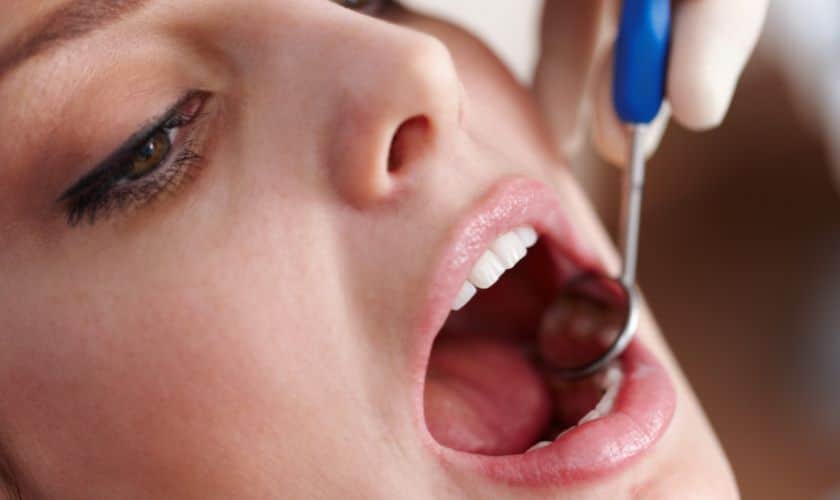
Oral cancer, a potentially devastating disease, affects thousands of people every year. From the lips to the back of the throat, any part of the mouth can be susceptible to this type of cancer. However, the good news is that many cases of oral cancer can be prevented through primary prevention measures. In this article, we’ll delve into what primary prevention entails and how it can significantly reduce the risk of developing oral cancer.
Understanding Oral Cancer
Before diving into prevention strategies, let’s first understand what oral cancer is. Oral cancer refers to any cancerous tissue growth located in the oral cavity, including the lips, tongue, cheeks, floor of the mouth, hard and soft palate, sinuses, and throat. It can manifest as a sore that doesn’t heal, a lump or thickening of the skin or lining of the mouth, difficulty swallowing or chewing, or changes in the voice.
Risk Factors
Several factors can increase the risk of developing oral cancer, including tobacco use (smoking or chewing), heavy alcohol consumption, excessive sun exposure leading to lip cancer, a diet lacking in fruits and vegetables, human papillomavirus (HPV) infection, and a weakened immune system. Additionally, genetics and family history can also play a role in predisposing individuals to oral cancer.
Primary Prevention Strategies
Primary prevention aims to reduce the risk of developing oral cancer before it occurs. Here are some key strategies:
- Tobacco Cessation: One of the most significant risk factors for oral cancer is tobacco use. Whether smoked or chewed, tobacco contains carcinogenic substances that can damage cells in the mouth and lead to cancer. Quitting tobacco is crucial in preventing not only oral cancer but also various other health issues. Dentists in Phoenix often counsel patients on tobacco cessation techniques and provide resources to support quitting.
- Limit Alcohol Consumption: Heavy alcohol consumption is another major risk factor for oral cancer. Cutting down on alcohol intake can significantly reduce the risk of developing this type of cancer. Dentists in Phoenix educate their patients about the risks associated with excessive alcohol consumption and encourage moderation.
- Healthy Diet: A diet rich in fruits and vegetables provides essential nutrients and antioxidants that help maintain oral health and reduce the risk of oral cancer. Dentists in Phoenix may advise their patients to incorporate more fruits and vegetables into their diet and limit the consumption of processed foods and sugary snacks.
- Sun Protection: Prolonged exposure to the sun’s harmful UV rays can increase the risk of lip cancer. Using lip balms or lipsticks with SPF protection and wearing wide-brimmed hats when outdoors can help protect the lips from sun damage.
- Regular Dental Check-ups: Routine dental check-ups are crucial for maintaining oral health and detecting any abnormalities early on. Dentists in Phoenix play a vital role in oral cancer prevention by performing thorough oral examinations during dental visits. They can identify suspicious lesions or abnormalities that may require further evaluation.
- HPV Vaccination: Human papillomavirus (HPV) infection, particularly with certain high-risk strains, is associated with an increased risk of oral cancer. Vaccination against HPV can reduce the risk of HPV-related cancers, including oral cancer. Dentists in Phoenix may discuss the HPV vaccine with their patients, especially adolescents and young adults.
Preventing oral cancer requires a multi-faceted approach that addresses various risk factors. By adopting healthy lifestyle habits, seeking regular dental care, and staying informed about the importance of prevention, individuals can significantly reduce their risk of developing oral cancer. Dentists in Phoenix play a crucial role in educating their patients about oral cancer prevention strategies and providing support in maintaining optimal oral health. Through primary prevention efforts, we can work towards a future where oral cancer becomes a rare occurrence rather than a prevalent disease.