5155 N 16th St UNIT A, Phoenix, AZ 85016


Dental implants have revolutionized tooth replacement options, offering a durable and natural-looking solution for those with missing teeth. However, one common question that arises is whether smokers are suitable candidates for dental implants. Here’s what you need to know about dental implants for smokers.
Understanding Dental Implants
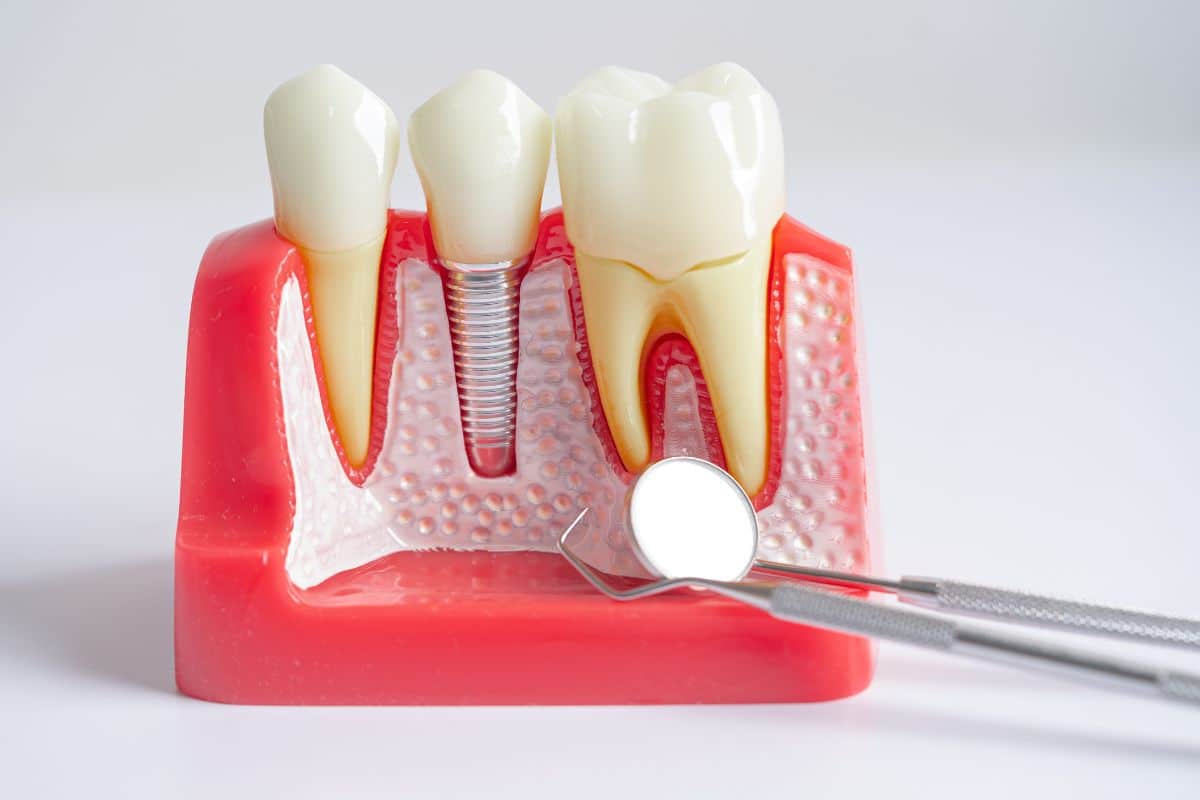
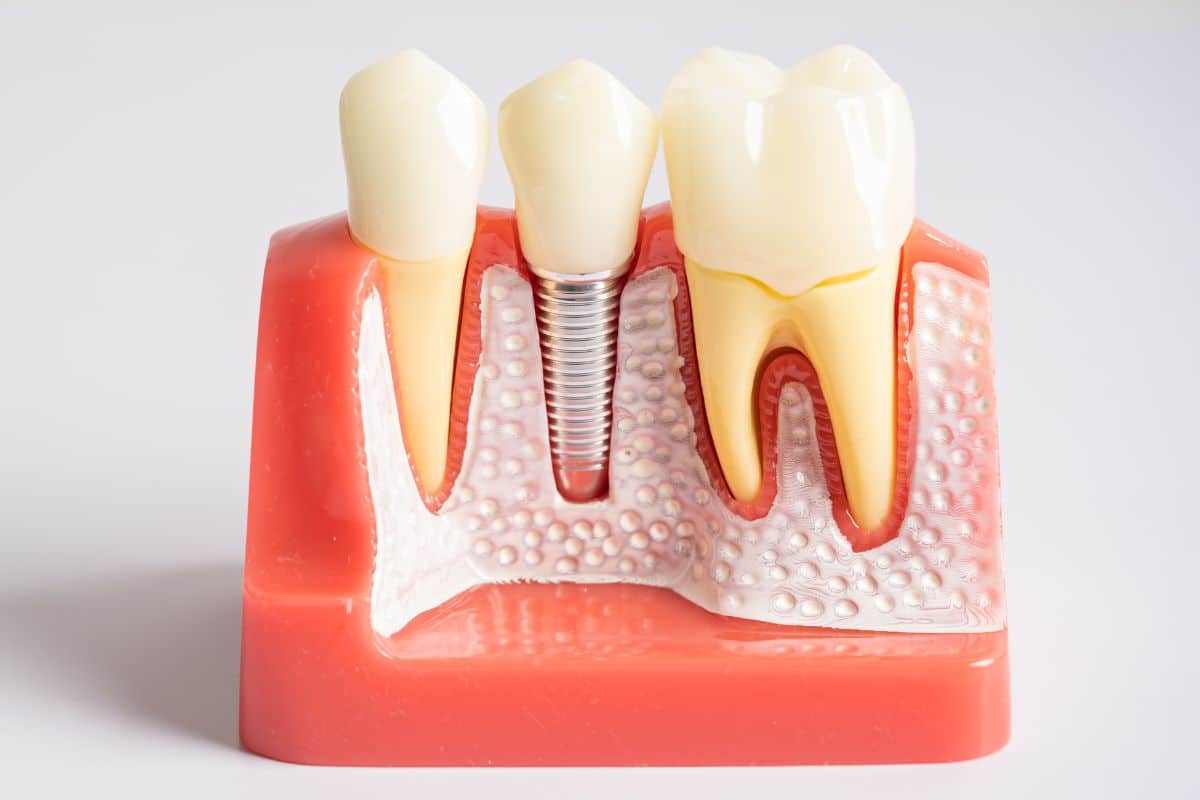
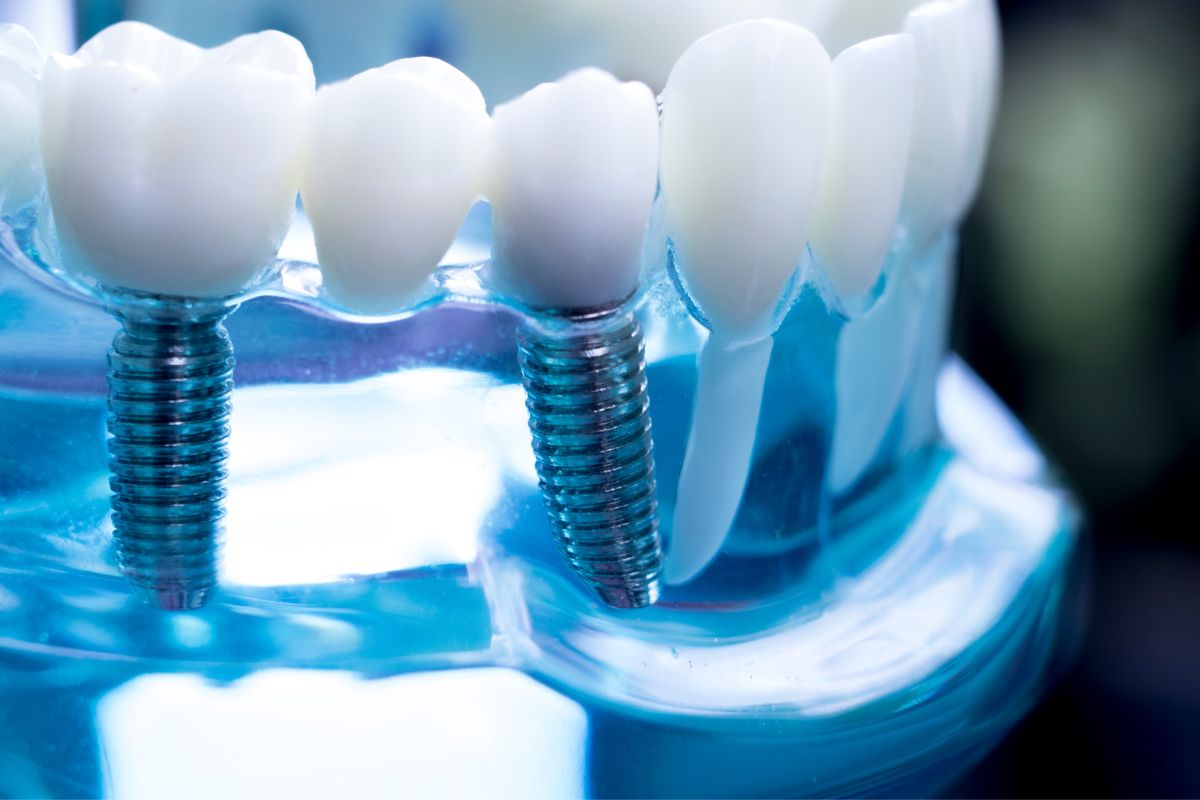
Dental implants are titanium posts surgically inserted into the jawbone to serve as artificial tooth roots. They provide a stable foundation for replacement teeth such as crowns, bridges, or dentures. This process, known as osseointegration, allows the implant to fuse with the jawbone, ensuring a strong and long-lasting result.
Suitability of Smokers for Dental Implants
Smoking can significantly impact oral health and the success of dental implant procedures. Here are key considerations:
1. Impact of Smoking on Oral Health
Smoking is known to increase the risk of periodontal (gum) disease, which can compromise the health of the gums and bone structure crucial for supporting dental implants. Nicotine and other chemicals in tobacco can impair blood flow and slow down the healing process after surgery.
2. Effect on Implant Success Rates
Research suggests that smoking can lower the success rates of dental implants. Studies have shown that smokers may experience higher rates of implant failure and complications such as infections and poor healing compared to non-smokers. This is primarily due to reduced blood circulation and impaired immune response associated with smoking.
3. Importance of Pre-Implant Assessment
Before undergoing dental implant surgery, smokers should undergo a thorough assessment by a qualified dentist or oral surgeon. This evaluation will assess overall oral health, including the condition of gums and bone density. It may also involve discussing smoking cessation strategies to improve the chances of successful implant placement and long-term outcomes.
4. Managing Risks for Smokers
While smoking does pose challenges for dental implants, it doesn’t necessarily disqualify smokers from undergoing the procedure. Dentists may recommend specific precautions and strategies to mitigate risks, such as:
- Quitting Smoking: Ideally, dentists may advise smokers to quit smoking at least several weeks before and after implant surgery to enhance healing and reduce complications.
- Optimizing Oral Hygiene: Maintaining excellent oral hygiene is crucial for all implant candidates but especially for smokers. Regular brushing, flossing, and professional cleanings can help minimize the risk of gum disease and implant failure.
- Follow-up Care: Smokers should adhere strictly to post-operative care instructions provided by their dental team. This includes attending follow-up appointments to monitor healing progress and address any concerns promptly.
5. Candidacy Determination
Ultimately, the decision on whether smokers can get dental implants depends on individual circumstances and the assessment of their dentist or oral surgeon. Factors such as the extent of smoking history, overall health, and commitment to oral hygiene will influence candidacy.
While smoking can pose challenges for dental implant success, it doesn’t necessarily mean that smokers cannot receive implants. With careful assessment, preparation, and adherence to post-operative care, smokers can improve their chances of successful implant placement and enjoy the benefits of a restored smile.
For those considering dental implants in Phoenix, consulting with an experienced dentist who specializes in implant dentistry is essential. They can provide personalized guidance and recommendations tailored to individual health needs and smoking habits.
By understanding the impact of smoking on dental implants and taking proactive steps, smokers can make informed decisions about their oral health and treatment options.