5155 N 16th St UNIT A, Phoenix, AZ 85016


If you’ve been living with a missing tooth — or a few of them — you’ve probably thought about dental implants at some point. They look and feel like real teeth, they last for decades, and unlike dentures, they don’t move around when you talk or eat. But the first question most Phoenix patients ask us is: “Do I actually qualify for this?”
The honest answer: most healthy adults do. But there are specific factors that determine whether implants are the right fit for you right now, and knowing what those are before you walk into a consultation puts you miles ahead of where most people start.
Here’s exactly what we look for when evaluating whether a patient is a good candidate for dental implants.
What Makes Someone a Good Candidate for Dental Implants?
Dental implants work by fusing directly to your jawbone a process called osseointegration. Because of that, the factors that matter most are centered on your jaw, your gums, and your overall health.
1. Healthy Gums:
Your gums are the foundation your implant sits in. Active gum disease — even in a mild form — creates bacterial conditions that can interfere with the healing process and cause implant failure. If gum disease is present, it needs to be treated and resolved before implant placement begins. This is a straightforward hurdle, not a permanent disqualifier.
2. Adequate Bone Density:
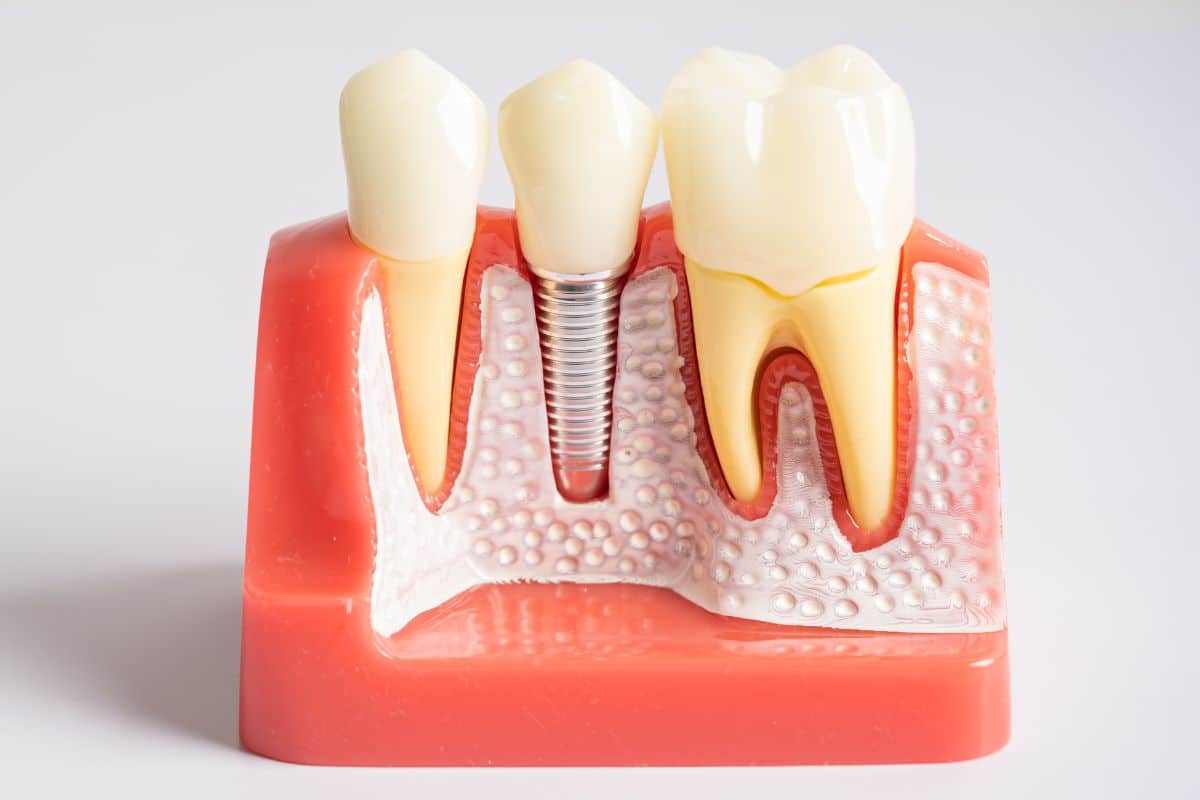
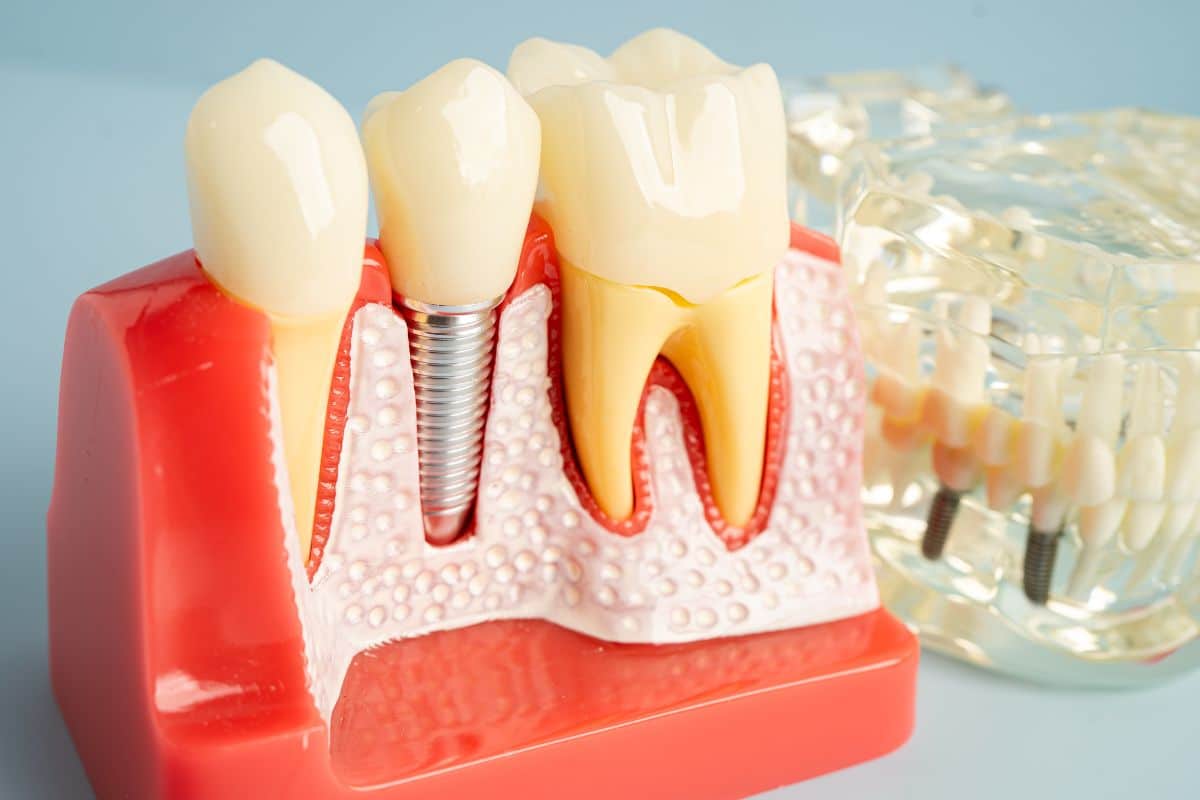
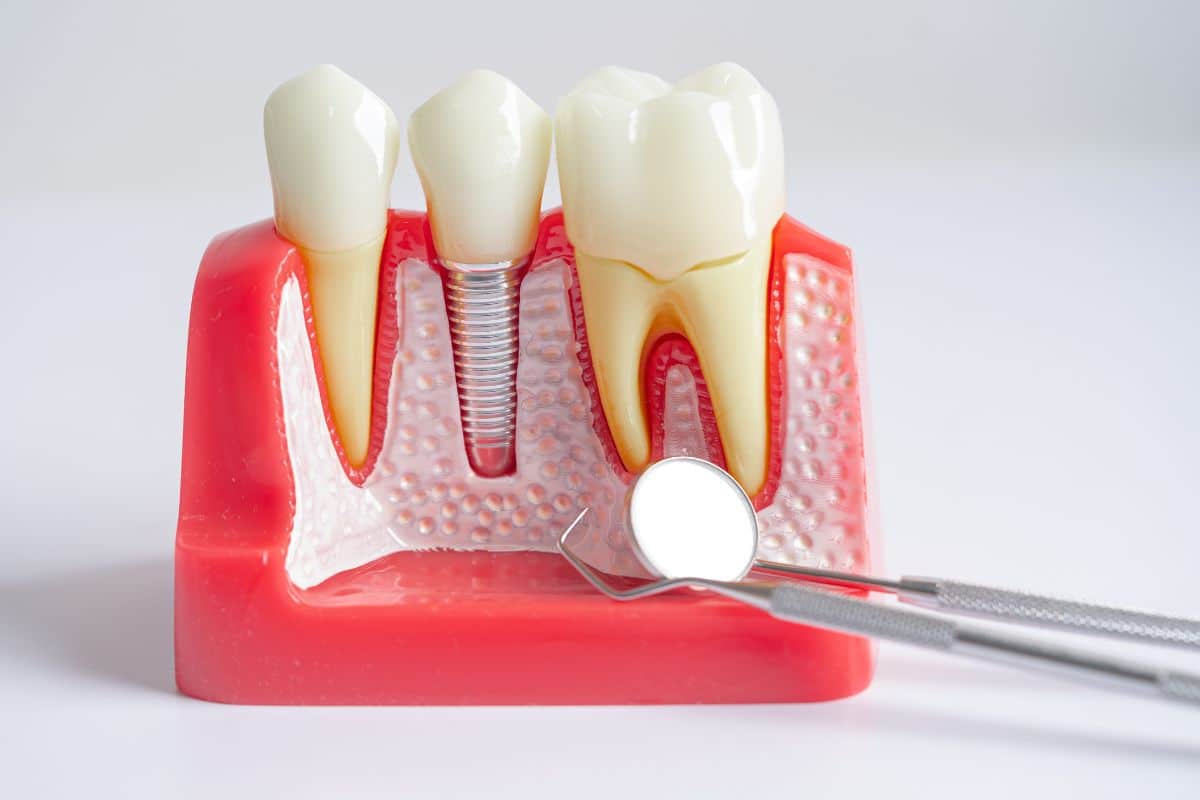
The titanium post that makes up the root of a dental implant needs sufficient bone to anchor into. Patients who’ve had a missing tooth for a long time sometimes experience jawbone resorption — the bone gradually shrinks when it doesn’t have a tooth root stimulating it. A 3D CBCT scan (which we use right here in our Phoenix office) gives us a precise picture of your bone volume before we make any recommendations.
3. Good Overall Health
You don’t need to be in perfect health, but uncontrolled systemic conditions — like unmanaged diabetes or autoimmune disorders — can slow healing and increase complication risk. Patients with controlled diabetes, for instance, can and do get implants successfully. The key word is controlled.
4. Non-Smoker Status
Smoking significantly reduces blood flow to gum tissue, which is critical during the healing phase following implant surgery. Patients who smoke have a measurably higher implant failure rate. We don’t refuse to treat smokers, but we do have a frank conversation about the risks and what quitting — even temporarily around the time of surgery — can do for your outcome.
5. A Commitment to Oral Hygiene
Implants can’t get cavities, but the surrounding gum tissue can still develop a condition called peri-implantitis, which is essentially gum disease around an implant. Patients who brush, floss, and keep up with regular cleanings protect their investment for life.
Even If You’re Worried You Don’t Qualify — You Might Still Be a Candidate
This is where a lot of Phoenix patients are surprised. We hear it often: “I heard I don’t have enough bone” or “My dentist said I wasn’t a candidate.” In many cases, those conversations happened years ago — or without the benefit of a 3D scan.
Bone loss doesn’t automatically rule you out. Bone grafting has become a standard, predictable part of the implant process for patients who’ve experienced jaw shrinkage. We place a graft material that stimulates new bone growth over several months, then place the implant once there’s enough volume to support it. It adds time to the overall process, but it opens the door for patients who would otherwise be told no.
Seniors are strong candidates. Age alone is not a barrier. We treat many patients in their 60s, 70s, and beyond at our Phoenix practice who do beautifully with implants. The evaluation is the same as for anyone else — bone quality, gum health, and overall medical history.
Diabetes patients can qualify. If your A1C is well-managed, your risk profile looks similar to a non-diabetic patient. We simply coordinate with your physician, take a conservative approach to healing timelines, and monitor more closely during recovery.
Who Should Wait — or Consider Other Options?
There are situations where implants are either not appropriate right now or require a longer pre-treatment phase:
- Active, untreated gum disease — must be fully resolved first
- Uncontrolled diabetes or serious systemic illness — requires medical stabilization
- Teenagers and younger patients — the jawbone is still growing and needs to be fully developed before implant placement; we typically wait until the late teens or early twenties
- Patients on certain medications — bisphosphonates (used for osteoporosis) can affect bone healing; a conversation between our team and your physician is essential
How We Evaluate Candidacy
When Phoenix-area patients come to us from neighborhoods like Arcadia, the Biltmore corridor, Scottsdale, and Paradise Valley, the first step is always a thorough consultation — not a sales pitch. We take a full set of digital X-rays and a cone beam CT scan that gives us a three-dimensional view of your jawbone, sinus cavities, and nerve pathways. We review your medical history. And then we give you a straight answer.
If you’re a candidate right now, we walk you through a personalized treatment plan with a realistic timeline and clear cost breakdown. If there are barriers to work through first — like bone volume or gum disease — we explain exactly what that process looks like and what it costs.
Ready to Find Out if Dental Implants Are Right for You?
The best way to know for certain is to come in. At our dental office, we serve patients from across the Phoenix metro — and we make the evaluation process simple, transparent, and pressure-free.
Call us at (602) 704-5159 or request your consultation online. A single appointment is all it takes to go from wondering to knowing.
Frequently Asked Questions
How do I know if I have enough bone for dental implants?
The only accurate way to assess this is with a 3D CBCT scan — a regular X-ray doesn’t give enough detail. At our dental office in Phoenix, we include a CBCT scan as part of your implant consultation so you have a definitive answer before any treatment decisions are made.
Can I get implants if I have gum disease?
Not immediately — but yes, once it’s treated. Gum disease needs to be fully controlled before implant surgery. We offer periodontal treatment in-house and will clear you for implant placement once your gum health is stable.
What’s the age limit for dental implants?
There’s no upper age limit. There is, however, a lower one — we wait until jaw development is complete, which typically happens by the late teens. For seniors, implants are a great long-term investment because they prevent the bone loss that comes with removable dentures.
Does the dental implant process hurt?
Most patients are surprised by how manageable the recovery is. The surgery is performed under local anesthesia, and most people take over-the-counter pain relievers for a day or two afterward. We’ll walk you through everything to expect during your consultation.