5155 N 16th St UNIT A, Phoenix, AZ 85016


Dental implants are a widely popular solution for those who have lost one or more teeth, offering a permanent, natural-looking alternative to traditional dentures or bridges. However, if you’re considering dental implants, you may wonder whether they can affect your sense of taste. This is a reasonable concern, as taste plays a significant role in our daily lives. In this blog, we’ll explore whether dental implants can influence your ability to taste food, what factors could lead to changes in taste, and how to avoid complications.
Understanding Dental Implants
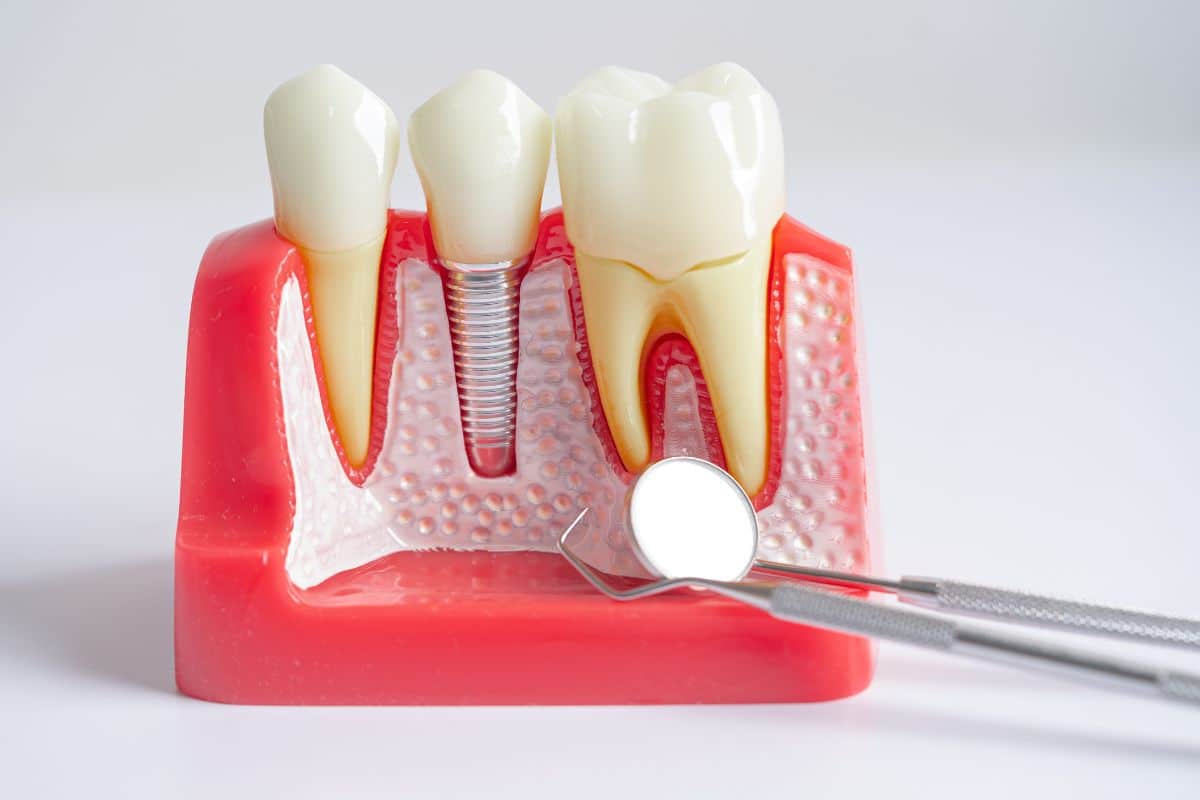
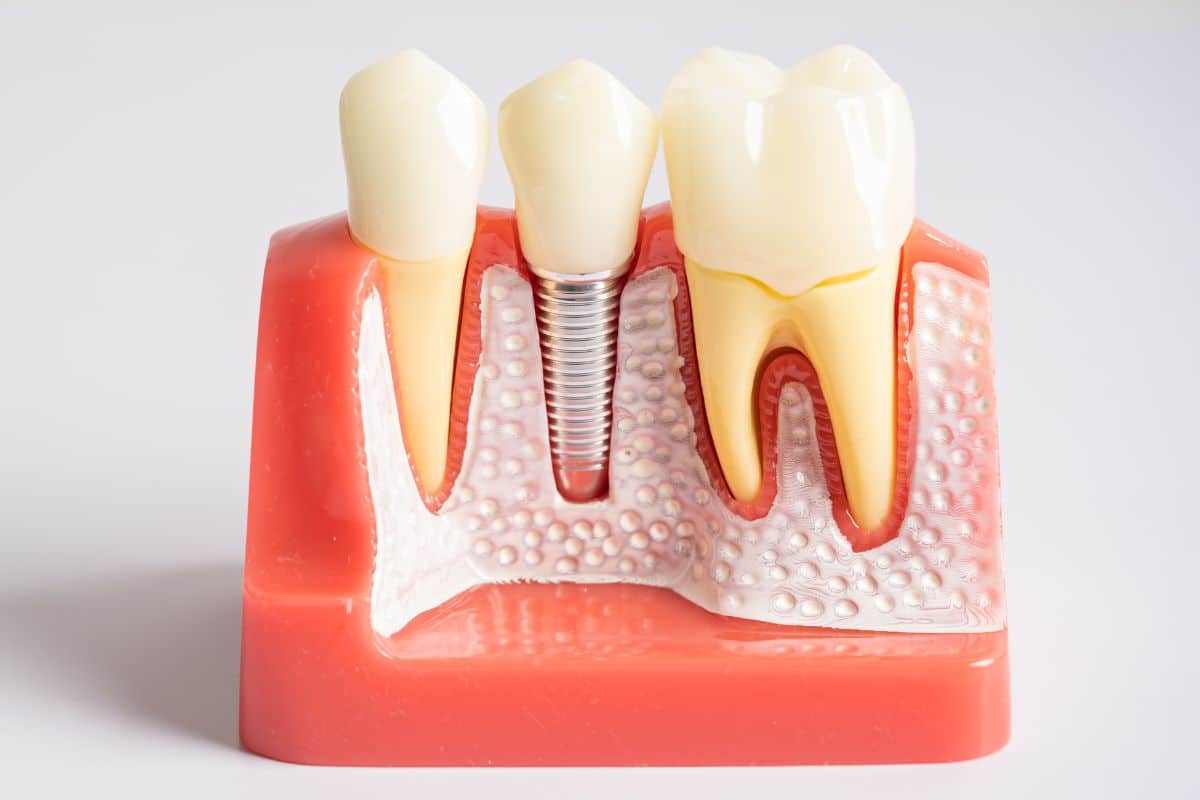
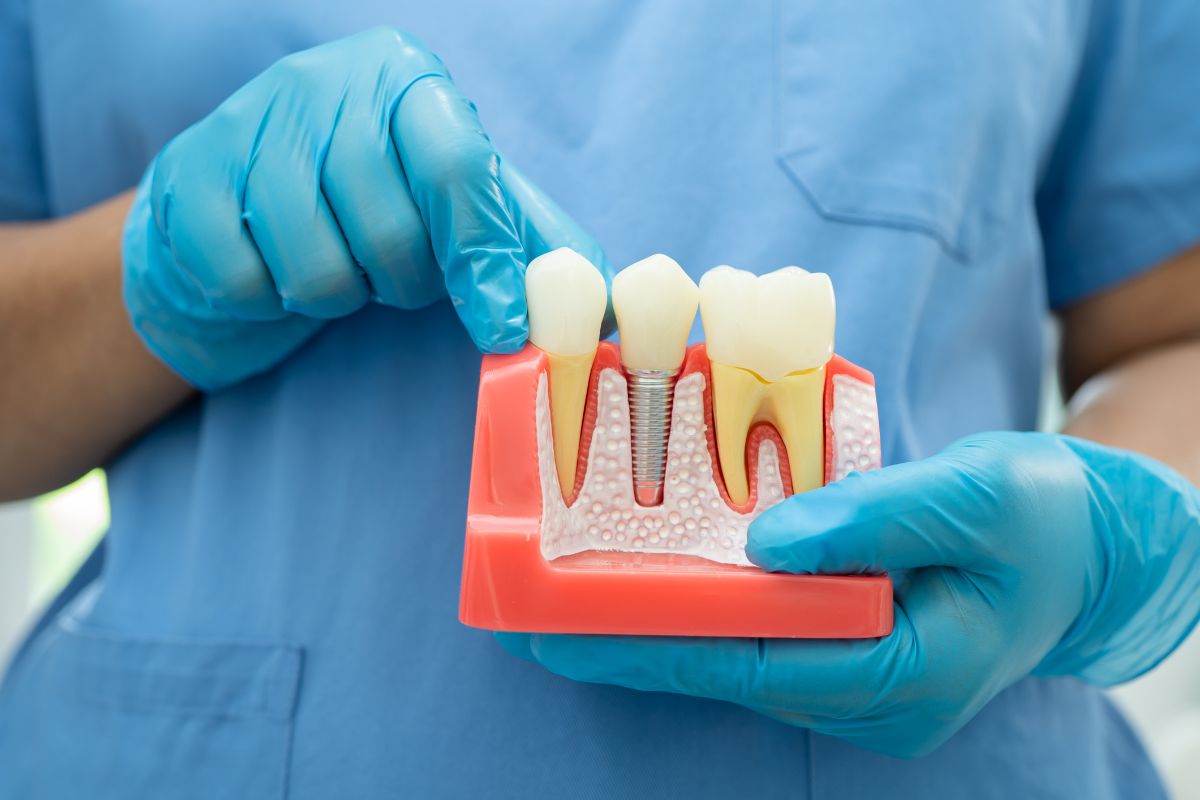
Before diving into the possible effects on taste, let’s first understand what dental implants are and how they work. Dental implants are a form of implant dentistry that involves surgically placing a titanium post into the jawbone. This post acts as a replacement for a tooth root. Once the post is secure, a crown is attached, creating a functional and aesthetically pleasing replacement tooth. The procedure has a high success rate and offers several advantages, such as improving chewing ability and preserving jawbone health.
Components of a Dental Implant
- Implant: The titanium post that is placed into the jawbone.
- Abutment: A connector placed on top of the implant, linking it to the crown.
- Crown: The artificial tooth that sits on top of the abutment, mimicking the appearance and function of a natural tooth.
With these elements working together, oral implants are designed to function just like natural teeth, but can they impact your sense of taste?
Can Dental Implants Affect Taste?
In most cases, dental implants do not affect your sense of taste. Titanium, the material commonly used for the implant post, is biocompatible, meaning it is unlikely to interfere with the body’s natural functions, including taste perception. However, there are rare instances where patients may experience a temporary or altered sense of taste following a dental implant procedure.
Possible Causes of Taste Changes
- Medications: After the dental implant procedure, you may be prescribed antibiotics or pain relievers, both of which can alter your sense of taste temporarily.
- Nerve Damage: The mouth is full of nerves that contribute to taste perception. If any of these nerves are damaged during the procedure, you could experience a change in taste. However, this is uncommon, as modern implant dentistry techniques are highly precise.
- Infection: Poor oral hygiene or complications from the surgery can lead to infections around the implant site. Infections may contribute to a metallic taste or other unpleasant sensations in the mouth.
- Sinus Complications: For implants placed in the upper jaw, there’s a risk of complications with the sinuses. While rare, these complications can potentially affect your sense of smell, which in turn influences taste.
Are Taste Changes Permanent?
In the vast majority of cases, any taste changes related to oral implants are temporary. As your mouth heals and adjusts to the implant, your sense of taste should return to normal. If nerve damage occurs, there’s a small chance that taste changes could be longer-lasting, but this is highly unusual. It’s important to work with an experienced dental implant specialist to minimize these risks.
Factors That Influence Taste During the Dental Implant Process
Although dental implants themselves typically don’t affect taste, the overall process can involve factors that influence how you perceive flavors.
Pre-Surgery Health Conditions
Your overall health plays a role in how smoothly the dental implant procedure goes and how quickly you recover. Patients with underlying health conditions like diabetes or autoimmune disorders may be at a higher risk of complications, which could impact taste.
Smoking and Taste
Smoking is one of the most significant risk factors for complications in implant dentistry. Not only does smoking increase the risk of infection and implant failure, but it can also dull your sense of taste. If you’re a smoker, quitting before and after your implant surgery can reduce the likelihood of taste-related issues and improve your overall oral health.
Oral Hygiene
Good oral hygiene is crucial before and after getting dental implants. Poor oral care can lead to infections or peri-implantitis (inflammation of the tissues around the implant), both of which can affect taste. Make sure to follow your dentist’s instructions for cleaning around the implant site to avoid these issues.
Healing Time and Recovery
During the recovery period following your dental implant procedure, it’s normal to experience some temporary changes in taste. This could be due to medications, the healing process, or even the temporary presence of surgical materials in your mouth. Once the healing phase is complete, your sense of taste should return to normal.
Preventing Taste Alterations After Dental Implants
To minimize the risk of any taste changes following your oral implant procedure, there are several steps you can take.
Choose an Experienced Dentist
The most critical factor in ensuring a successful dental implant procedure is choosing a skilled, experienced dentist. A well-trained implant dentist will take care to avoid nerve damage and other complications that could affect your taste.
Maintain Excellent Oral Hygiene
Good oral hygiene is vital not only for the success of your implant but also for your overall oral health. Brushing and flossing regularly can prevent infections that might affect your sense of taste.
Follow Post-Operative Instructions
Your Phoenix dentist will give you specific instructions to follow after your surgery. This may include avoiding certain foods, refraining from smoking, and using prescribed medications. Adhering to these guidelines will help ensure a smooth recovery and minimize any temporary taste changes.
In most cases, dental implants do not affect taste, as the materials used are biocompatible and the procedure is minimally invasive. However, factors such as medications, infections, or nerve damage can lead to temporary changes in taste. By choosing an experienced implant dentist and maintaining excellent oral hygiene, you can minimize these risks and enjoy the benefits of your new implant without any long-term impact on your sense of taste.
If you are considering dental implants in Phoenix, it’s essential to consult with a qualified implant dentist who can walk you through the process and address any concerns you may have about taste or other potential side effects. This way, you can feel confident that your procedure will go smoothly and that your sense of taste will remain intact.