5155 N 16th St UNIT A, Phoenix, AZ 85016


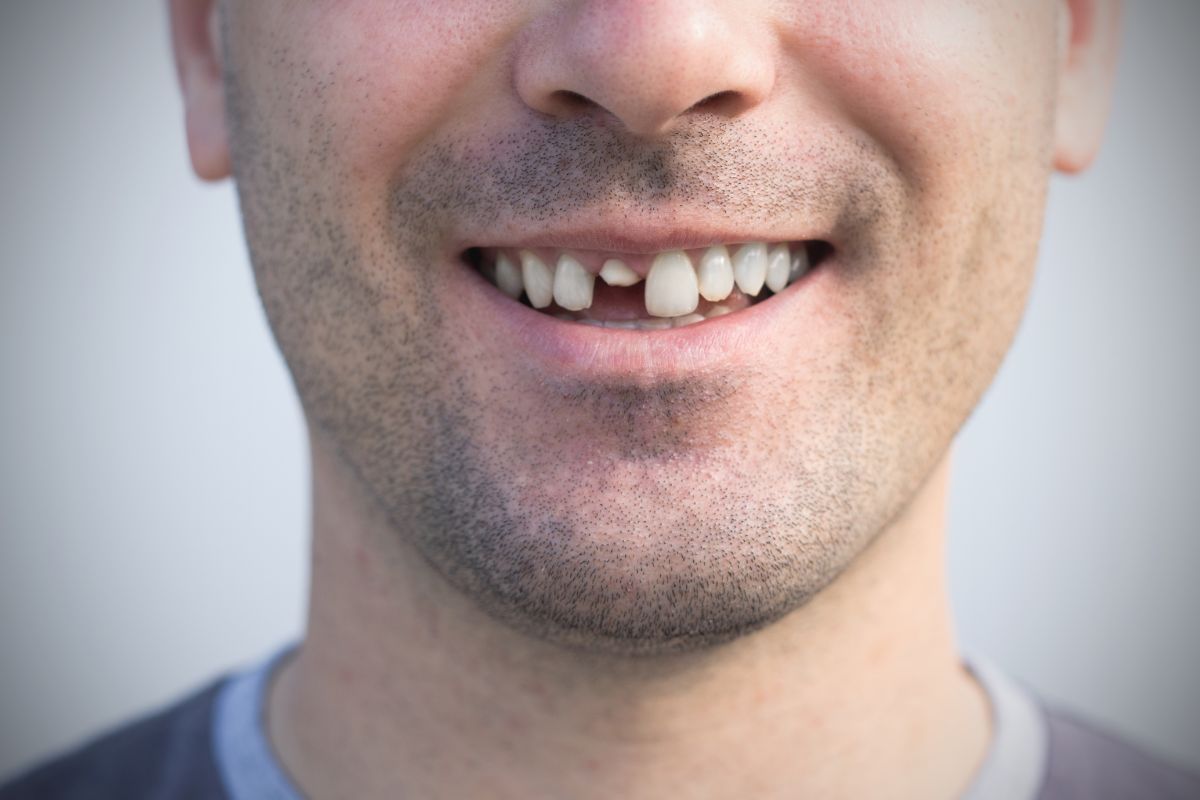
A cracked tooth can be a painful and worrying experience. Whether it’s caused by a sudden injury, biting down on something hard, or even from ongoing stress, knowing how long it will take to fix a cracked tooth can help you manage your expectations and plan your dental care. In this blog, we will explore the various factors influencing the repair time for a cracked tooth, the treatment options available, and what you can do in the meantime to protect your oral health.
Understanding Cracked Teeth
Cracked teeth can vary greatly in severity, from minor surface cracks to more significant fractures that extend into the tooth’s inner structures. The type of crack and its location play crucial roles in determining the treatment and repair time. Here are some common types of tooth cracks:
- Craze Lines: These are tiny, superficial cracks that affect only the enamel and are generally not a cause for concern.
- Fractured Cusp: A fracture that usually occurs on the chewing surface of a tooth, often involving a piece of the tooth breaking off.
- Cracked Tooth: A more serious crack that extends from the chewing surface down toward the root but does not split the tooth into pieces.
- Split Tooth: A tooth that has split into two or more parts, often due to a long-standing crack.
- Vertical Root Fracture: A crack that begins in the root and extends toward the top of the tooth, often requiring extraction.
Factors Influencing Repair Time
The time required to fix a cracked tooth depends on several factors:
1. Severity of the Crack
- Minor Cracks (Craze Lines): These usually require no treatment and are often addressed during routine dental visits. No significant repair time is needed.
- Moderate Cracks (Fractured Cusps or Cracked Tooth): These may require restorative procedures like fillings, crowns, or root canals, depending on the extent of the damage. Treatment time can vary from a single visit to a few appointments.
- Severe Cracks (Split Tooth or Vertical Root Fracture): These often necessitate extraction or more complex procedures. The process can span multiple visits and involve extensive healing time.
2. Type of Treatment Required
The treatment plan for a cracked tooth will influence how long it takes to repair:
- Cosmetic Bonding: For minor fractures, cosmetic bonding might be used. This procedure typically takes about 30 to 60 minutes per tooth.
- Fillings: If the crack has affected a significant part of the tooth but has not compromised the nerve, a dental filling may be placed, generally requiring one appointment.
- Crowns: For more extensive cracks, a crown might be needed. The process usually involves two visits: one for preparing the tooth and taking impressions, and another for placing the permanent crown.
- Root Canals: If the crack has reached the tooth’s nerve, a root canal may be necessary, followed by a crown. This treatment can take two to three appointments, depending on the complexity.
- Extraction: In cases where the tooth is beyond repair, extraction might be required. Post-extraction healing can take several weeks, and a replacement option, such as an implant or bridge, will also need additional time.
3. Healing and Recovery
- Immediate Post-Treatment: After initial treatment, you may need some time for your mouth to adjust. This period can vary but is typically around a few days to a week.
- Long-Term Care: Full recovery and adaptation to the new dental work might take a few weeks. Regular follow-ups with your dentist will ensure that the tooth is healing properly and that there are no complications.
What to Do in the Meantime
If you have a cracked tooth, it’s essential to take steps to manage the situation before you receive professional treatment:
- Avoid Hard Foods: Stay away from hard or sticky foods that could worsen the crack or cause additional damage.
- Maintain Good Oral Hygiene: Continue brushing and flossing regularly to prevent further issues.
- Use Over-the-Counter Pain Relief: If you’re experiencing discomfort, over-the-counter pain relievers can help manage it until you see your dentist.
- Protect the Tooth: If possible, use dental wax or a temporary dental filling to protect the cracked area until you can get to the dentist.
Prevention Tips
Preventing cracked teeth involves a combination of good oral hygiene and protective measures:
- Wear a Mouthguard: If you play contact sports or grind your teeth, consider using a mouthguard to protect your teeth from damage.
- Avoid Chewing Hard Objects: Be cautious about chewing on hard items like ice or pens.
- Get Regular Checkups: Regular dental visits can help identify and address potential issues before they become severe.
The time it takes to fix a cracked tooth varies based on the severity of the crack and the type of treatment required. Minor cracks may be resolved in a single visit, while more complex issues might require multiple appointments and a more extended healing period. By understanding your treatment options and taking steps to protect your cracked tooth, you can help ensure a smoother and faster recovery. If you suspect you have a cracked tooth, schedule an appointment with your Phoenix dentist as soon as possible to discuss your treatment options and get on the road to recovery.