5155 N 16th St UNIT A, Phoenix, AZ 85016


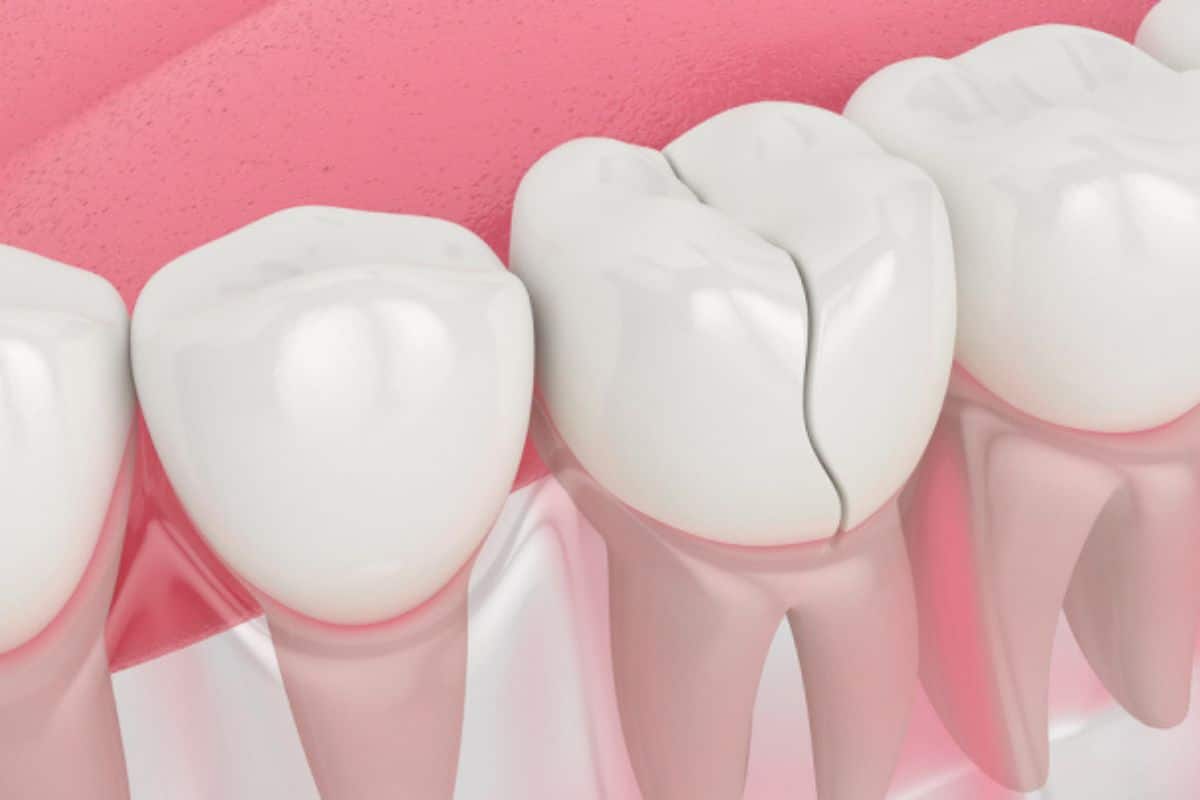
A cracked tooth can be a painful and unsettling experience. While it’s essential to see a dentist for a professional assessment, there are some steps you can take at home to manage the situation until you can get to a dentist. This blog will guide you through various methods to handle a cracked tooth at home, provide tips for pain relief, and emphasize the importance of professional dental care.
Recognizing the Symptoms of a Cracked Tooth
Understanding the symptoms of a cracked tooth is crucial for proper at-home care. If you suspect you have a cracked tooth, here are the signs to look out for:
Pain When Chewing
If you experience sharp pain when chewing, it could indicate a crack in your tooth. This pain often comes and goes, making it hard to pinpoint the exact cause.
Sensitivity to Temperature
Increased sensitivity to hot or cold beverages can be a sign of a cracked tooth. This occurs because the crack exposes the inner layers of the tooth, which are more sensitive to temperature changes.
Swelling and Gum Irritation
Swelling around the affected tooth and irritation of the surrounding gums can also signal a crack. This is your body’s natural response to injury and should not be ignored.
Intermittent Pain
Pain that comes and goes without a clear trigger can be a symptom of a cracked tooth. This intermittent pain can be frustrating and may lead you to seek temporary relief at home.
Immediate Steps to Take
Once you’ve recognized the symptoms of a cracked tooth, there are several immediate steps you can take to manage the situation before seeing a dentist in Phoenix.
Rinse with Warm Salt Water
Rinsing your mouth with warm salt water can help reduce pain and prevent infection. Mix half a teaspoon of salt in a cup of warm water and swish it around your mouth for about 30 seconds before spitting it out.
Avoid Hard Foods
Avoid eating hard foods that can exacerbate the crack or cause further damage. Stick to soft foods until you can see a dentist in Phoenix for a professional evaluation.
Apply a Cold Compress
If there’s swelling, apply a cold compress to the outside of your cheek near the affected area. This can help reduce inflammation and numb the pain.
Use Over-the-Counter Pain Relievers
Taking over-the-counter pain relievers like ibuprofen or acetaminophen can help manage the pain associated with a cracked tooth. Be sure to follow the recommended dosage instructions.
Temporary Home Remedies for a Cracked Tooth
While these home remedies are not a substitute for professional dental care, they can provide temporary relief and protect the tooth from further damage.
Dental Wax or Sugar-Free Gum
Applying dental wax or sugar-free gum to the cracked tooth can help protect it from further damage. This temporary measure can also reduce sensitivity and pain.
Clove Oil
Clove oil has natural analgesic and antiseptic properties. Apply a small amount of clove oil to a cotton ball and place it on the affected tooth to help alleviate pain.
Hydrogen Peroxide Rinse
A hydrogen peroxide rinse can help reduce bacteria and prevent infection. Mix equal parts of hydrogen peroxide and water, swish it around your mouth for 30 seconds, and spit it out. Do not swallow the solution.
Garlic Paste
Garlic has natural antibacterial properties that can help reduce pain and prevent infection. Crush a garlic clove to make a paste and apply it directly to the cracked tooth.
Turmeric Paste
Turmeric is known for its anti-inflammatory and antibacterial properties. Make a paste with turmeric powder and water, and apply it to the affected area to help manage pain and prevent infection.
Tea Tree Oil
Tea tree oil has antimicrobial properties. Dilute a few drops of tea tree oil with carrier oil, such as coconut oil, and apply it to the cracked tooth to reduce pain and fight infection.
Peppermint Tea Bags
Peppermint tea bags can help numb the area and provide temporary pain relief. Brew a peppermint tea bag, let it cool, and place it on the cracked tooth.
Baking Soda Paste
Baking soda can help neutralize bacteria and reduce pain. Make a paste with baking soda and water, and apply it to the affected tooth to manage discomfort and prevent infection.
Ways To Fix A Cracked Tooth
Even though home remedies can provide temporary relief, fixing a cracked tooth properly requires professional treatment. Here are some common methods a dentist might use to repair a cracked tooth:
Bonding
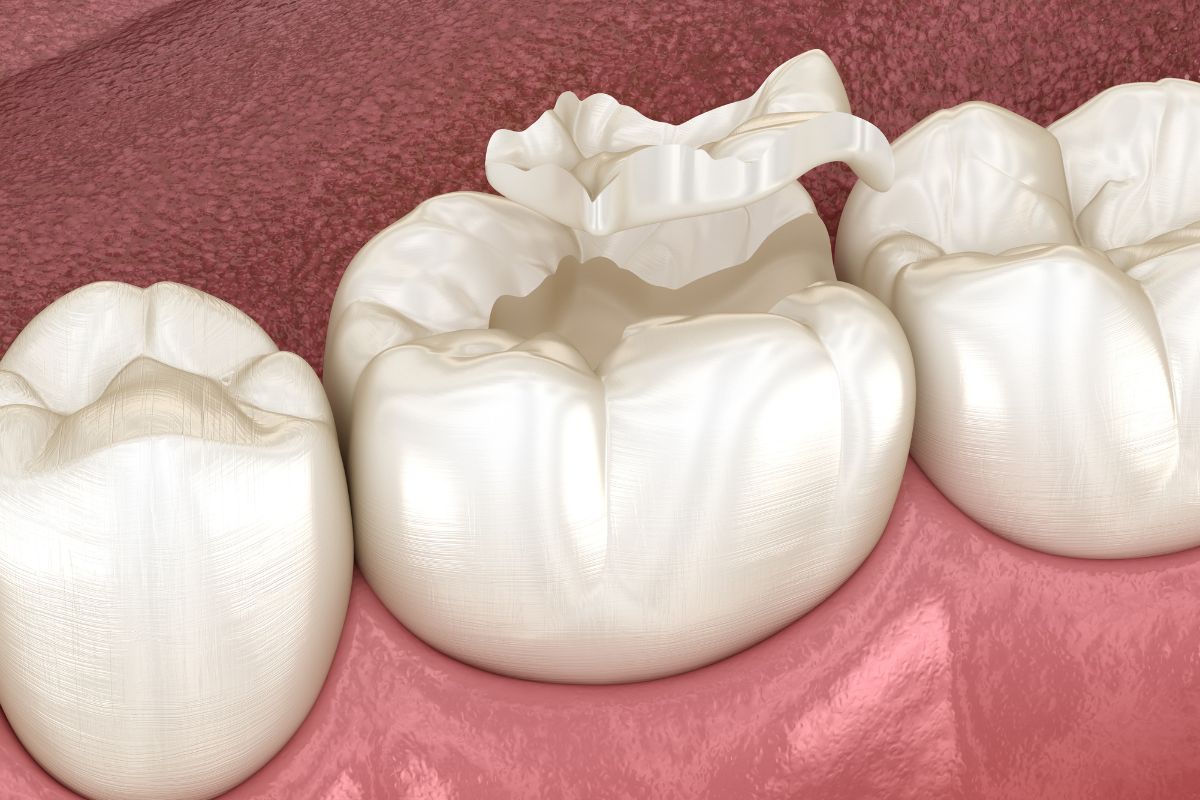
For minor cracks, cosmetic bonding can be an effective solution. The dentist will use a tooth-colored resin to fill the crack, restoring the tooth’s appearance and functionality.
Crown
A dental crown may be necessary for more significant cracks. The crown covers the entire tooth, protecting it from further damage and restoring its function.
Root Canal
If the crack extends into the tooth’s pulp, a root canal may be required. This procedure involves removing the damaged pulp, cleaning the inside of the tooth, and sealing it to prevent infection.
Veneers
For cracks affecting the front teeth, veneers can be an aesthetic solution. Veneers are thin shells of porcelain or composite resin that cover the front surface of the teeth, hiding imperfections.
Extraction
In severe cases where the tooth cannot be saved, extraction may be necessary. The dentist will remove the damaged tooth and discuss options for replacing it, such as dental implants or bridges.
When to See a Dentist
While these home remedies can provide temporary relief, it is crucial to see a dentist in Phoenix as soon as possible for a professional evaluation and treatment. Delaying professional care can lead to more severe complications, such as infection or further damage to the tooth.
Persistent Pain
If the pain persists despite trying home remedies, it is essential to see a dentist in Phoenix immediately. Persistent pain can indicate a more serious issue that requires professional intervention.
Swelling and Fever
Swelling and fever can be signs of an infection. If you experience these symptoms, seek professional dental care without delay.
Difficulty Chewing
If you have difficulty chewing or notice a significant change in your bite, it is important to see a dentist. These symptoms can indicate a severe crack that requires immediate attention.
Visible Crack
If you can see a visible crack in your tooth, it is crucial to seek professional dental care. A visible crack often means the tooth is significantly damaged and requires professional treatment.
Sensitivity to Sweet Foods
Increased sensitivity to sweet foods can indicate that the crack has reached the inner layers of the tooth, exposing the nerves. This situation requires professional evaluation and treatment.
Dealing with a cracked tooth at home involves recognizing the symptoms, taking immediate steps to manage the situation, and using temporary home remedies for relief. However, it is essential to see a dentist in Phoenix for a professional assessment and treatment to prevent further complications. Home remedies can provide temporary relief, but they are not a substitute for professional dental care. Prioritize your dental health and seek professional help as soon as possible to ensure the best outcome for your cracked tooth.