5155 N 16th St UNIT A, Phoenix, AZ 85016


Dental implants are an excellent solution for replacing missing teeth, offering a permanent, natural-looking alternative to dentures or bridges. If you’re considering dental implants, you’ve likely come across two main options: traditional dental implants and mini dental implants. But which one is better for you? Knowing the differences between the two options will help you choose the best solution for your needs.
What Are Dental Implants?
Before diving into the differences, it’s important to understand what dental implants are. Dental implants are metal posts or frames that are surgically anchored into the jawbone, providing a stable foundation for replacement teeth, such as crowns or bridges. Implants are typically made of titanium and are designed to fuse with the bone over time, providing a stable and secure foundation for artificial teeth.
What Are Traditional Dental Implants?
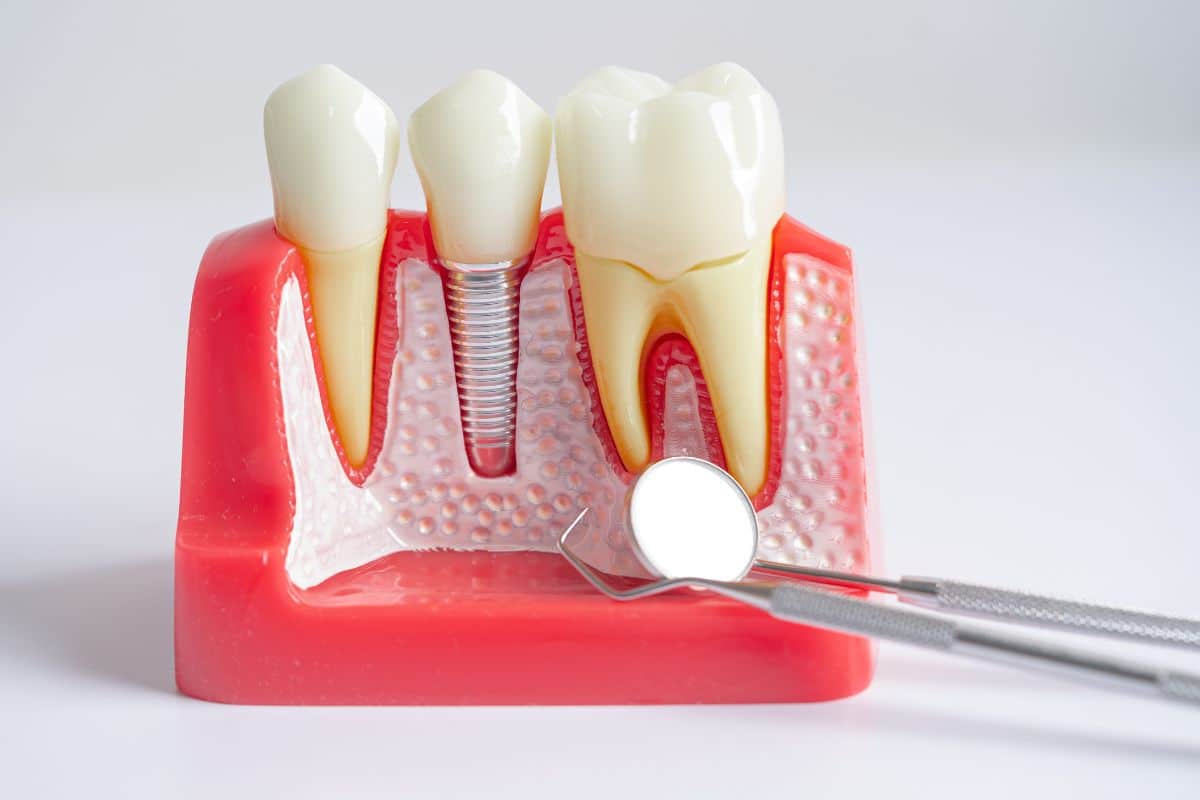
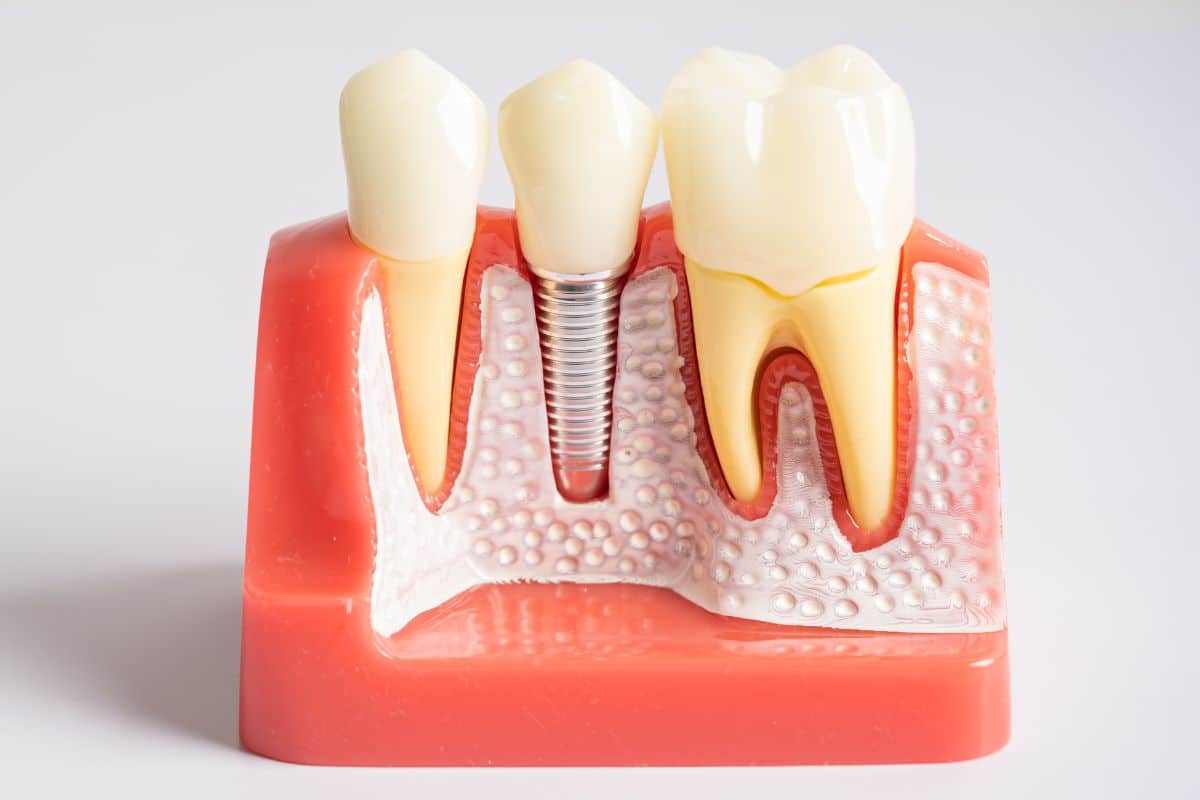
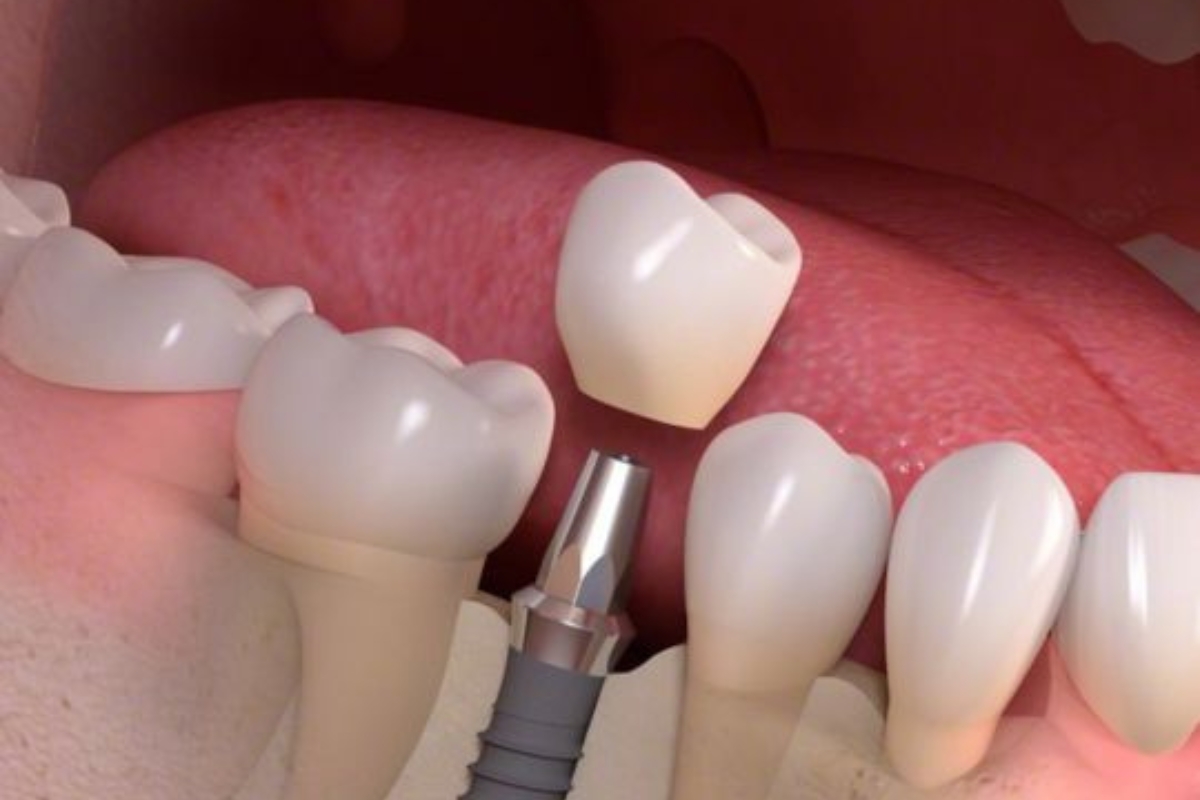
Traditional dental implants are the most widely utilized option for replacing missing teeth. They consist of a titanium post that is surgically implanted into the jawbone, an abutment that connects the post to the replacement tooth, and a crown that acts as the artificial tooth. Traditional implants are larger in diameter, usually between 3.4 mm and 5.8 mm, and they are incredibly durable and long-lasting.
What Are Mini Dental Implants?
Mini dental implants, as the name suggests, are smaller versions of traditional implants. They have a narrower diameter, typically between 1.8 mm and 3.3 mm, and are often used in situations where there is not enough bone density to support traditional implants. Mini implants are a single-piece design, meaning the post and abutment are combined into one unit, making the placement process simpler and less invasive.
Key Differences Between Mini and Traditional Implants
While both mini and traditional dental implants serve the same purpose—replacing missing teeth—their differences in size, design, and placement can make one option better suited for certain patients. Let’s explore the key differences:
Size and Structure
- Traditional Implants: Larger in diameter, traditional implants require a significant amount of healthy jawbone to support the implant post. They consist of three parts: the implant post, the abutment, and the crown.
- Mini Implants: Smaller in diameter, mini implants are often used when there is less jawbone available. They are a one-piece structure, meaning there is no separate abutment; the implant and post are a single unit.
Surgical Procedure
- Traditional Implants: The placement of traditional implants is a more involved surgical procedure. It typically requires two stages: first, the implant is placed in the jawbone, and then, after a healing period (usually a few months), the abutment and crown are attached.
- Mini Implants: Mini implants are less invasive and can often be placed in a single appointment without the need for complex surgery. The procedure involves a smaller incision, and because the implants are narrower, bone grafting is often unnecessary.
Healing Time
- Traditional Implants: Because traditional implants require more invasive surgery, the healing time is longer—typically three to six months. This enables the implant to bond with the jawbone through a process called osseointegration.
- Mini Implants: With a less invasive procedure, mini implants usually have a shorter healing time. Many patients can have their mini implants restored with a crown or denture within a few days or weeks.
Bone Requirements
- Traditional Implants: These implants require a substantial amount of healthy bone to anchor the implant securely. If you’ve experienced bone loss in the jaw due to tooth loss or gum disease, you may need a bone graft before receiving traditional implants.
- Mini Implants: Because they are smaller, mini implants require less bone for placement. This makes them a better option for patients who have suffered bone loss and may not want to undergo bone grafting procedures.
Durability and Strength
- Traditional Implants: Traditional implants are larger and offer greater strength and stability. They are ideal for replacing molars and other teeth that are subject to heavy chewing forces.
- Mini Implants: While mini implants are durable, they may not be as strong as traditional implants, particularly for molars or other teeth that endure significant biting pressure. They are generally better suited for smaller teeth or to stabilize dentures.
Cost
- Traditional Implants: Because of the more complex procedure and materials used, traditional implants are generally more expensive. However, they offer a permanent solution with high durability and strength.
- Mini Implants: Mini implants are typically more affordable, partly because the procedure is simpler and quicker. For patients looking for a budget-friendly option, mini implants may be a good choice.
Which Option Is Right for You?
Choosing between mini dental implants and traditional implants depends on several factors, including your oral health, the amount of bone available, and your budget. Here are some things to consider:
- Bone Density: If you have sufficient bone density and are looking for a long-lasting, durable solution, traditional implants are likely the better option. However, if you’ve experienced bone loss and don’t want to undergo bone grafting, mini implants might be a more suitable choice.
- Number of Missing Teeth: For single-tooth replacements, especially in areas with heavy chewing forces, traditional implants may be more appropriate. Mini implants are often better suited for stabilizing dentures or replacing smaller teeth in the front of the mouth.
- Budget: If cost is a significant factor, mini implants are generally more affordable than traditional implants. However, it’s important to consider the long-term value. Traditional implants may require a larger initial investment but tend to last longer and offer more strength.
- Procedure Preference: If you prefer a less invasive, quicker procedure, mini implants may be appealing. Traditional implants involve a more complex surgery and a longer healing time, but the results are often more robust and permanent.
Conclusion
Both mini dental implants and traditional implants offer effective solutions for replacing missing teeth, but the best option for you depends on your unique dental needs. Traditional implants are ideal for those seeking long-term durability and stability, especially for larger teeth and those with adequate bone density. On the other hand, mini implants offer a less invasive and more affordable option, particularly for those with limited bone density or those who need denture stabilization.
Consulting with your dentist Phoenix or oral surgeon will help you determine the best course of action. They will assess your oral health, bone structure, and overall needs to recommend the implant option that will give you the most comfortable, long-lasting results.