5155 N 16th St UNIT A, Phoenix, AZ 85016



Human teeth are fascinating structures essential to our daily functions, from chewing food to speaking clearly. But beyond their practical role, there are some interesting facts about human teeth that many might not know. For instance, tooth enamel is the hardest substance in the human body, protecting teeth from decay. If you need expert care, a dentist in Phoenix or one of the skilled Phoenix dentists can provide valuable insights into maintaining your smile and preserving your enamel.
The Basics of Human Teeth
Human teeth are not just for chewing; they are intricate structures with multiple functions. One of the key components is tooth enamel, the hard outer layer that protects the teeth. The shiny outer layer of white enamel is crucial in keeping teeth strong and resistant to decay. Here are some fundamental facts to get started:
Types of Teeth Arrangement
Humans have different types of teeth that each serve a unique purpose in the process of eating. These include the 4 types of teeth and their functions:
- incisors for cutting,
- canines for tearing,
- premolars for grinding,
- and molars for crushing food.
Understanding these types of teeth and their functions is key to appreciating how our mouths work.
The Number of Teeth
An average adult has 32 teeth, including wisdom teeth, while children typically have 20 primary teeth, which are eventually replaced by permanent teeth.
The Composition of Teeth
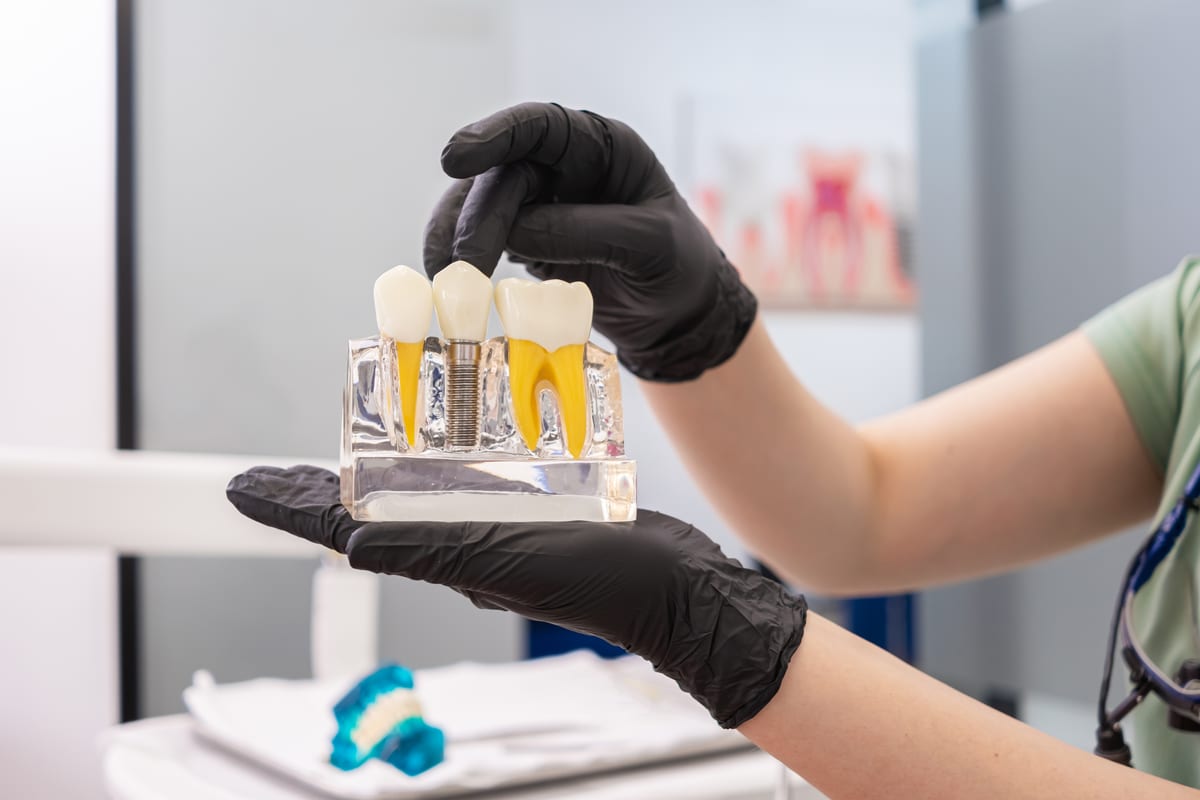
Teeth are made up of different layers of teeth: enamel, dentin, pulp, and cementum. Enamel is the hardest substance in the human body, providing crucial protection to the inner layers of a tooth. Understanding all layers of teeth helps highlight the importance of enamel in safeguarding against damage and decay.
The Unique Dental Formula
Every person has a unique dental formula, so dentists in Phoenix can identify individuals based on their dental records.
Fun Facts About Human Teeth
Now that we have covered the basics, let’s explore some fun and fascinating facts about human teeth that you might not know.
Teeth Are as Unique as Fingerprints
No two sets of teeth are alike, just like fingerprints. Your dental records are unique to you, making them a reliable tool for identification purposes.
Tooth Enamel Is the Hardest Substance in the Human Body
Enamel, the outermost layer of your teeth, is the hardest substance in your body. Tooth enamel is even more complex than your bones, providing a strong protective coating for the more sensitive parts of your teeth. White enamel serves as the first line of defense, while tooth enamel comprises minerals that help protect against decay and damage.
Humans Have Two Sets of Teeth in Their Lifetime
Humans have two sets of teeth in their lifetime: primary (baby) teeth and permanent (adult) teeth. The transition from primary to permanent teeth typically starts around age six and continues until early adolescence.
Teeth Start Forming Before Birth
Teeth begin to form while a baby is still in the womb. Although they don’t emerge until a few months after birth, the foundation for baby teeth starts developing around the sixth week of pregnancy.
Teeth Are Not Bones
Despite their hard, white appearance, teeth are not bones. Teeth comprise different tissues, with enamel being the most prominent, whereas bones primarily comprise collagen and calcium phosphate.
Some People Never Get
While the average person has four wisdom teeth, some never develop them. This can be due to genetic factors influencing whether these third molars will grow.
Tooth prints Are Unique
Every person has a unique set of footprints, just like fingerprints. This uniqueness is why forensic dentists in Phoenix can use dental records to identify individuals, especially in cases where other forms of identification are impossible.
The Average Person Spends 38 Days Brushing Their Teeth Over a Lifetime
It’s estimated that the average person spends around 38 days brushing their teeth throughout their life. Regular brushing is essential for maintaining oral health and preventing dental issues.
Plaque Contains Millions of Bacteria
Dental plaque, the sticky film on teeth, contains millions of bacteria. These bacteria can cause tooth decay and gum disease if not removed through regular brushing and flossing.
Ancient Cultures Had Their Dental Practices
Ancient civilizations had their methods of dental care. For example, the ancient Egyptians used a mixture of powdered ashes of ox hooves, myrrh, and eggshells to clean their teeth.
FAQs
Q. Is Enamel Gone Forever?
A: Unlike bones, teeth can’t heal themselves once damaged. When a tooth chips or breaks, the damage is permanent because enamel has no living cells, meaning the body can’t repair chipped or cracked enamel on its own.
Q. Does Teeth Whitening Damage Enamel?
A: When done correctly, professional teeth whitening does not damage enamel. It safely removes surface stains without affecting the structure of your teeth.
Q. Can You Repair Enamel on Teeth?
A: Our body can’t produce new enamel, but you can strengthen and repair existing enamel through a natural process called remineralization. This occurs when essential minerals like fluoride, calcium, and phosphate bond with your enamel to restore its strength.