5155 N 16th St UNIT A, Phoenix, AZ 85016


What to Do When You Have a Cracked Tooth: Tips from an Emergency Dentist
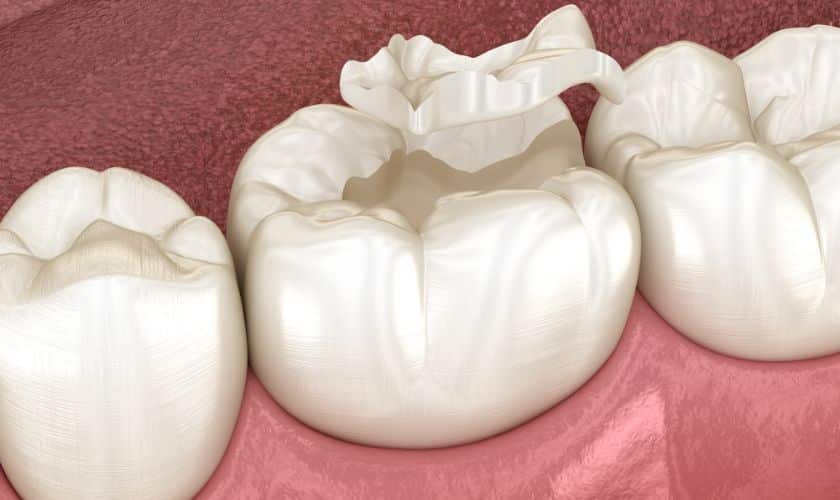
A cracked tooth can be a painful and alarming experience. Whether it’s a result of biting down on something hard, a sports injury, or even just from general wear and tear, a cracked tooth requires immediate attention to prevent further damage and alleviate discomfort. In this guide, we’ll explore what you should do if you find yourself with a cracked tooth, offering tips and insights from emergency dentists in Phoenix.
Understanding the Types of Tooth Cracks
Before diving into what to do about a cracked tooth, it’s essential to understand the different types of cracks that can occur:
1. Craze Lines
These are tiny cracks that only affect the outer enamel of the tooth. They are common in adults and rarely cause pain or require treatment.
2. Fractured Cusp
This type of crack occurs when a piece of the tooth’s chewing surface breaks off. It typically doesn’t affect the tooth’s pulp and may not cause immediate pain.
3. Cracked Tooth
A cracked tooth extends from the chewing surface towards the root, and it can cause pain when chewing or when the tooth is exposed to temperature extremes.
4. Split Tooth
This occurs when the crack extends from the surface of the tooth to below the gum line, causing the tooth to split into distinct segments. It’s a severe condition that often requires extraction.
5. Vertical Root Fracture
This type of crack starts at the root of the tooth and extends towards the chewing surface. Vertical root fractures are often painless and may go unnoticed until infection sets in.
What to Do When You Have a Cracked Tooth
Regardless of the type of crack, it’s crucial to take action promptly. Here’s what you should do when you suspect you have a cracked tooth:
1. Rinse Your Mouth
Start by rinsing your mouth with warm water to clean the area and remove any food particles. This can help alleviate discomfort and prevent infection.
2. Apply Cold Compress
If you’re experiencing swelling or pain, apply a cold compress to the outside of your cheek. This can help reduce inflammation and numb the area temporarily.
3. Avoid Chewing on the Affected Side
To prevent further damage to the cracked tooth, avoid chewing on that side of your mouth. Stick to soft foods and avoid hard or crunchy snacks.
4. Take Over-the-Counter Pain Medication
Over-the-counter pain medication, such as ibuprofen or acetaminophen, can help alleviate discomfort while you wait to see a dentist.
5. See an Emergency Dentist
Contact an emergency dentist in Phoenix as soon as possible. Cracked teeth require professional treatment to prevent complications such as infection or further damage.
Treatment Options for Cracked Teeth
The appropriate treatment for a cracked tooth depends on the severity and location of the crack. Here are some common treatment options:
1. Dental Bonding
For minor cracks, dental bonding may be sufficient. This involves applying a tooth-colored resin to the surface of the tooth to restore its appearance and function.
2. Dental Crown
A dental crown may be recommended for more significant cracks that compromise the integrity of the tooth. A crown covers the entire tooth, providing strength and protection.
3. Root Canal Therapy
If the crack extends into the pulp of the tooth, root canal therapy may be necessary to remove damaged tissue and seal the tooth’s interior.
4. Extraction
In severe cases where the crack cannot be repaired, extraction may be the only option to prevent infection and preserve oral health.
Preventing Cracked Teeth
While some cracks are unavoidable, there are steps you can take to reduce your risk of experiencing a cracked tooth:
1. Avoid Chewing on Hard Objects
Be cautious when biting down on hard objects such as ice, popcorn kernels, or hard candies, as they can increase the risk of tooth fractures.
2. Wear a Mouthguard
If you participate in sports or activities that pose a risk of dental injury, wear a mouthguard to protect your teeth from impact.
3. Practice Good Oral Hygiene
Maintaining good oral hygiene habits, such as brushing twice a day, flossing daily, and attending regular dental check-ups, can help prevent dental problems that may lead to cracked teeth.
4. Avoid Teeth Grinding
If you grind your teeth while sleeping, wearing a nightguard can help protect your teeth from damage caused by bruxism.
Dealing with a cracked tooth can be a painful and stressful experience, but knowing what to do and seeking prompt dental care can make all the difference in preserving your oral health. If you suspect you have a cracked tooth, don’t wait to seek treatment—contact an emergency dentist in Phoenix right away. With proper care and attention, you can restore your smile and prevent further complications.
Related Articles

By Biltmore Cosmetic & Restorative Dentistry


By Biltmore Cosmetic & Restorative Dentistry