5155 N 16th St UNIT A, Phoenix, AZ 85016


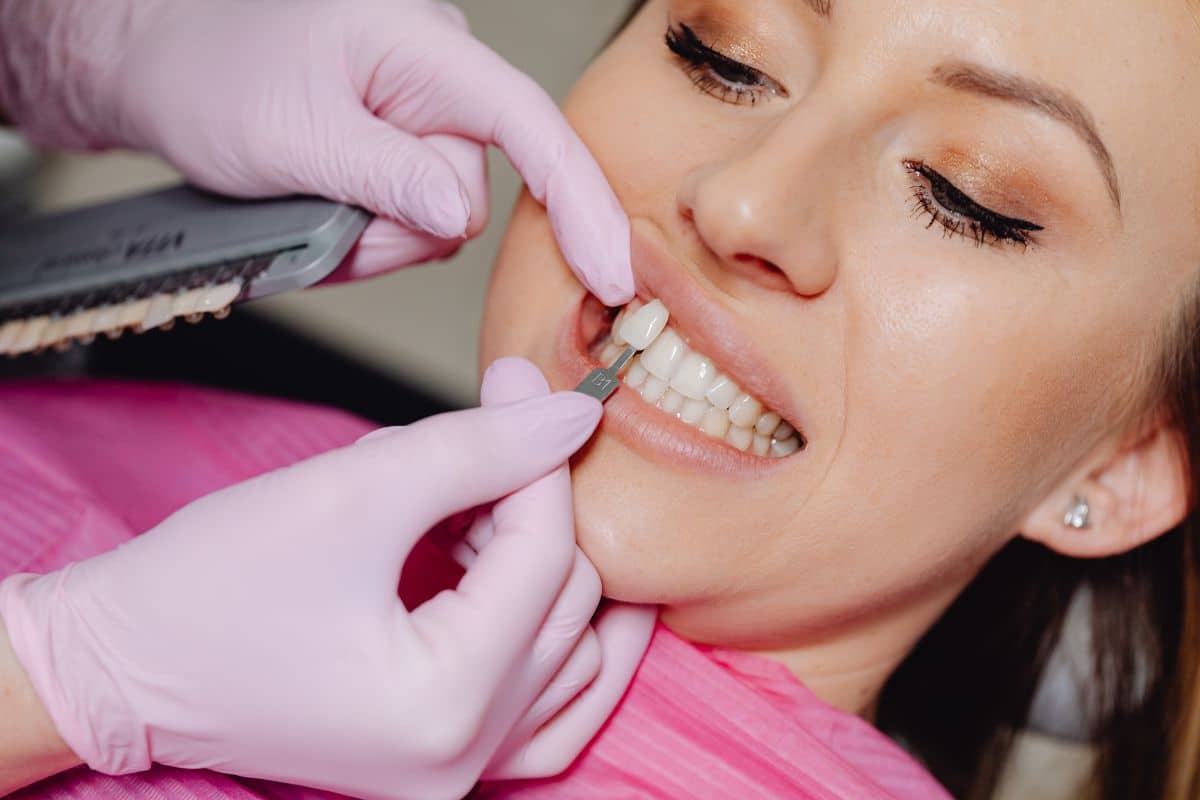
A beautiful, confident smile is now within reach with high-quality dental veneers. These shells enhance the appearance of your teeth by masking various imperfections, such as gaps, chips, cracks, and stains. While this cosmetic dentistry treatment is known for delivering natural-looking, long-lasting results, some hesitate due to the removal of enamel. To learn about the purpose of this step and the other alternatives available, read this blog.
Why Is Enamel Removal Common in Veneer Treatment?
Veneers are ultra-thin shells or laminates designed to bond to the front surface of teeth. They’re custom-made to match the natural color, size, and shape of your teeth, correcting concerns like discoloration, chips, and minor gaps. To ensure the best possible fit and aesthetic, your dentist may need to remove a tiny amount of enamel.
For those who might feel scared about shaving the tooth’s protective outer layer, this step isn’t as drastic as it might sound. Removing a layer of enamel allows the laminate to sit evenly with the rest of your smile without appearing bulky. It also helps the veneer adhere more securely and comfortably, resulting in a longer-lasting outcome. For most patients, the benefits far outweigh the minimal tooth preparation involved.
What Happens During Veneer Placement?
The treatment typically starts with booking a dental consultation, followed by shade selection and digital imaging. From there, your dentist will gently prepare the tooth, take impressions, and send the details to a lab where your custom veneers are made. Once ready, these laminates are carefully bonded to your tooth, ensuring a natural look and feel.
While enamel removal is part of the process for traditional veneers, it is done with precision and care. Most individuals find the procedure noninvasive and experience little to no discomfort.
Who Is a Good Candidate for No-Prep Veneers?
Not everyone needs extensive dental work to achieve the smile they want. No-prep veneers work best for patients who want to:
- Brighten severely stained or discolored teeth that don’t respond to whitening
- Correct minor chips, cracks, or worn edges
- Close small gaps between teeth
- Improve the shape or length of teeth that feel too small or uneven
- Achieve a polished, symmetrical smile without any drilling
If your teeth are generally healthy and your cosmetic concerns are mild to moderate, you are likely an excellent candidate. During your consultation at our Phoenix office, we’ll evaluate your smile and confirm whether no-prep veneers are the right fit for your goals.
No-Prep Veneers vs. Traditional Veneers: What’s the Real Difference?
Traditional veneers require your dentist to grind away 0.5 to 1.0 millimeters of tooth enamel before placing the veneer. Once that enamel is gone, it’s gone forever — meaning your teeth will always need a covering from that point on. That’s a permanent, irreversible commitment.
No-prep veneers take a completely different approach. Because they are thinner and engineered with advanced ceramics, they can be placed directly over your existing enamel in most cases. No grinding. No drilling. No permanent alteration to your natural teeth.
Here’s a quick comparison:
| No-Prep Veneers | Traditional Veneers | |
| Enamel Removal | None or minimal | 0.5–1.0mm removed permanently |
| Anesthesia Needed | Usually not required | Typically required |
| Reversibility | Yes, in most cases | No |
| Number of Visits | 1–2 visits | 2–3 visits |
| Recovery Time | None | Mild sensitivity possible |
| Results | Natural, beautiful smile | Natural, beautiful smile |
| Longevity | Up to 10–15 years | 10–15 years |
Can You Get Veneers Without Removing Enamel?
If you want a less invasive option, alternatives are available that require little to no alteration of the natural tooth. These options can be appealing to those hesitant about any permanent changes.
According to a study titled “Clinical Survival of No-Prep Indirect Composite Laminate Veneers: A 7-Year Prospective Case Series Study,” published in BMC Oral Health on May 3, 2023:
‘Among the available techniques, no-prep veneers stand out as a conservative and reversible treatment option. This approach requires no removal of tooth enamel. It eliminates the need for temporary restorations. When enamel is not touched, the natural tooth structure remains intact, and the surrounding soft tissue architecture is preserved.’
Are No-Prep Veneers Right for You?
No-prep veneers can be an excellent option for addressing imperfect teeth, but they may not be suitable for everyone. They work best for minor cosmetic fixes, such as small chips, slight discoloration, or narrow gaps. Traditional veneers may be a more effective option if you’re dealing with major misalignment or significant damage. To qualify for this cosmetic dentistry procedure, you’ll need healthy teeth with enough enamel for bonding. Individuals with thin enamel or erosion may not be suitable candidates and may opt for no-prep dental laminates.
Although it’s common to prefer a less intrusive technique, many people trust traditional veneers for a more polished and natural-looking smile. The small amount of enamel removed allows the new surface to align perfectly with the rest of your teeth, improving both function and appearance. Moreover, these laminates bond securely with the tooth and reduce the possibility of detachment or other dental complications.
Visit our dental office to learn more about cosmetic procedures or to get veneers for a fast smile makeover. With or without enamel removal, your ideal smile is closer than you may imagine.
The No-Prep Veneer Process at Our Phoenix Dental Office
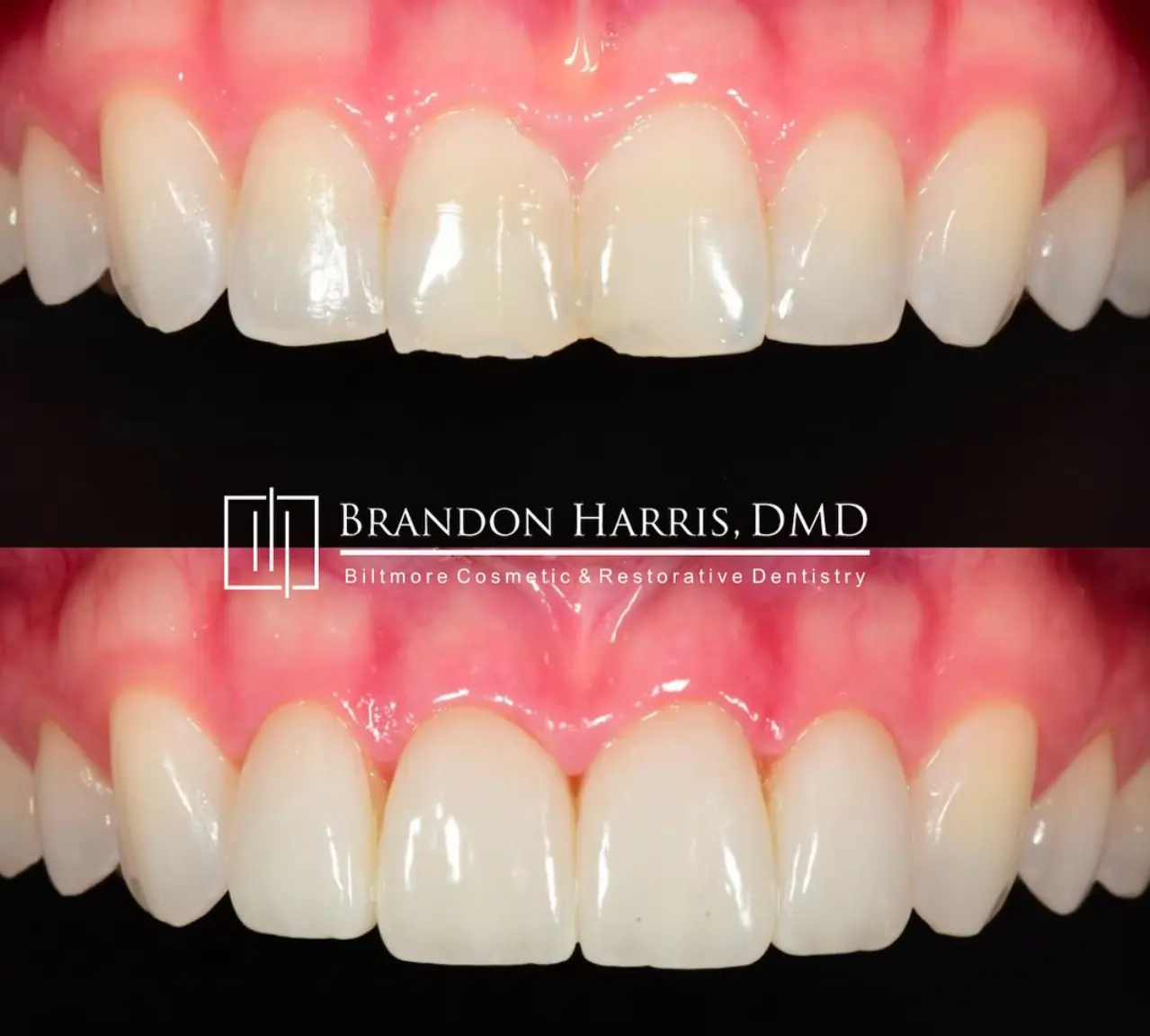 Getting no-prep veneers at Biltmore Cosmetic & Restorative Dentistry is a smooth, stress-free experience. Here’s what to expect:
Step 1 — Free Smile Consultation We’ll discuss your goals, examine your teeth, and determine if no-prep veneers are the right option for you. We may use digital smile design technology to show you a preview of your future smile.
Step 2 — Custom Impressions We take precise digital or physical impressions of your teeth. No drilling or anesthesia needed. Your custom veneers are then crafted by our expert dental lab technicians.
Step 3 — Placement Day When your veneers are ready (typically within 1–2 weeks), you’ll come back for placement. We’ll carefully bond each veneer to your tooth using a strong dental adhesive, then cure it with a special light. Most patients are done in a single appointment.
Step 4 — Final Adjustments We fine-tune the fit, bite, and aesthetics to make sure everything feels natural and looks stunning. You leave with a brand-new smile — same day.
Why Choose Biltmore Cosmetic & Restorative Dentistry for No-Prep Veneers in Phoenix, AZ?
As an experienced dentist, our team at Biltmore Cosmetic & Restorative Dentistry in Phoenix combines artistry with clinical precision to deliver smile results that look natural, not “done.” We are proud to be a trusted name for no-prep veneers in Phoenix, AZ, and our patients’ before-and-after results speak for themselves.
What sets us apart:
- Experienced cosmetic dental team with hundreds of veneer cases
- In-house digital smile design technology
- Conservative, tooth-preserving philosophy
- Flexible financing to fit your budget
- A warm, anxiety-free environment
Your smile deserves expert care. If you’re ready to find out if no-prep veneers are right for you, we’d love to meet you.
Call us today or book your free consultation online.
Frequently Asked Questions About No-Prep Veneers
Are no-prep veneers permanent?
No-prep veneers are considered semi-permanent or reversible in most cases, because no enamel is removed from your natural teeth. However, the bonding adhesive is strong and long-lasting — your veneers can last 10 to 15 years with proper care. If you ever choose to have them removed, your natural teeth underneath remain intact.
Do no-prep veneers look natural?
Yes! When crafted by an experienced cosmetic dentist, no-prep veneers are virtually indistinguishable from natural teeth. They are custom-shaded and shaped to blend seamlessly with your smile. Most people won’t know you’ve had any work done — they’ll just notice how great your smile looks.
Is the procedure painful?
Most patients experience no pain at all. Because there is no drilling or enamel removal, anesthesia is generally not required. You may feel slight pressure during the bonding process, but discomfort is rare and mild.
How do I care for no-prep veneers?
Caring for no-prep veneers is straightforward — brush twice a day, floss daily, and attend your regular dental check-ups. Avoid biting into very hard foods (like ice or hard candy) or using your teeth as tools. With good oral hygiene habits, your veneers can last well over a decade.
Can no-prep veneers fix gaps between my teeth?
Yes! Closing small to moderate gaps is one of the most popular reasons patients in Phoenix choose no-prep veneers. They can visually close spaces between teeth without the need for orthodontic treatment. If your gaps are very large, we’ll discuss the best approach during your consultation.
What’s the difference between no-prep veneers and Lumineers?
Lumineers are a branded version of no-prep veneers made by Den-Mat. While they are a good option, custom no-prep veneers offer greater flexibility in shade, shape, and thickness. At Biltmore Cosmetic & Restorative Dentistry, we offer fully custom no-prep veneers tailored specifically to your smile for the most natural and personalized result.
How do I get started with no-prep veneers in Phoenix, AZ?
Simply call our office or use our online booking system to schedule a free smile consultation. Our friendly team will answer all your questions, review your options, and help you take the first step toward the smile you’ve always wanted.